Logical Reasoning Reading Worksheets for Ages 6-7
11 filtered results
-
From - To
Foster your child's critical thinking skills with our "Logical Reasoning Reading Worksheets for Ages 6-7". Specially designed for young learners, these engaging worksheets help children develop essential logical reasoning and reading comprehension abilities. Through fun and interactive exercises, kids practice identifying patterns, solving puzzles, and making informed decisions based on provided information. Ideal for classroom use or at-home practice, these worksheets support a foundational growth in logical thinking and offer a valuable resource for teachers and parents alike. Equip your child with the tools they need to excel in reading and beyond with our expertly crafted logical reasoning activities.
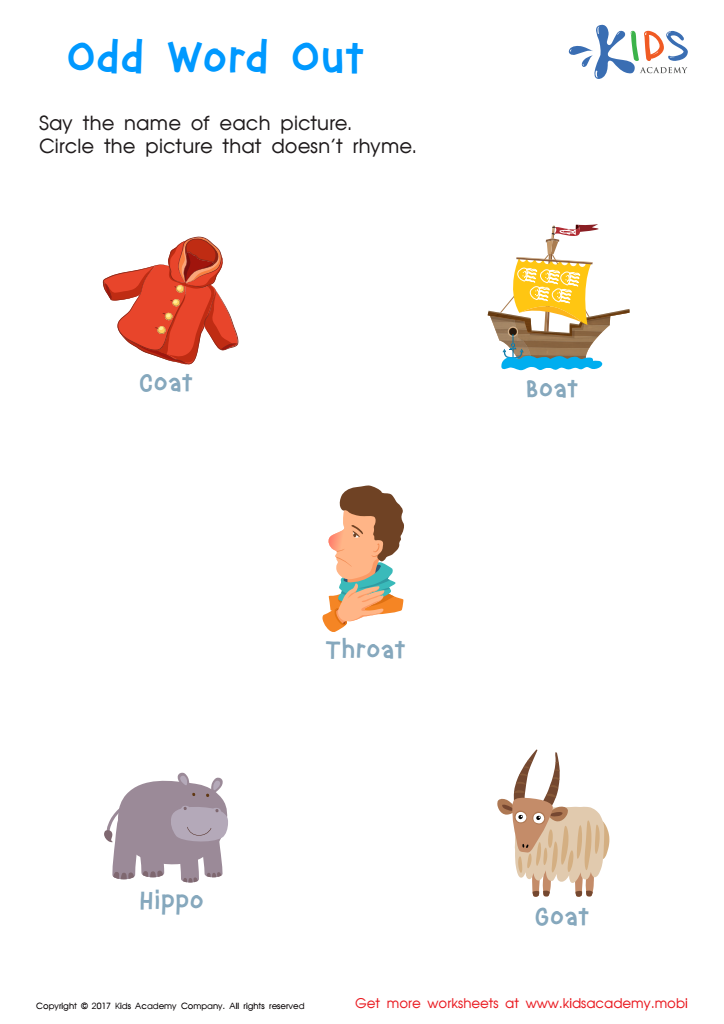
Odd Word Out Rhyming Worksheet
 Assign to My Students
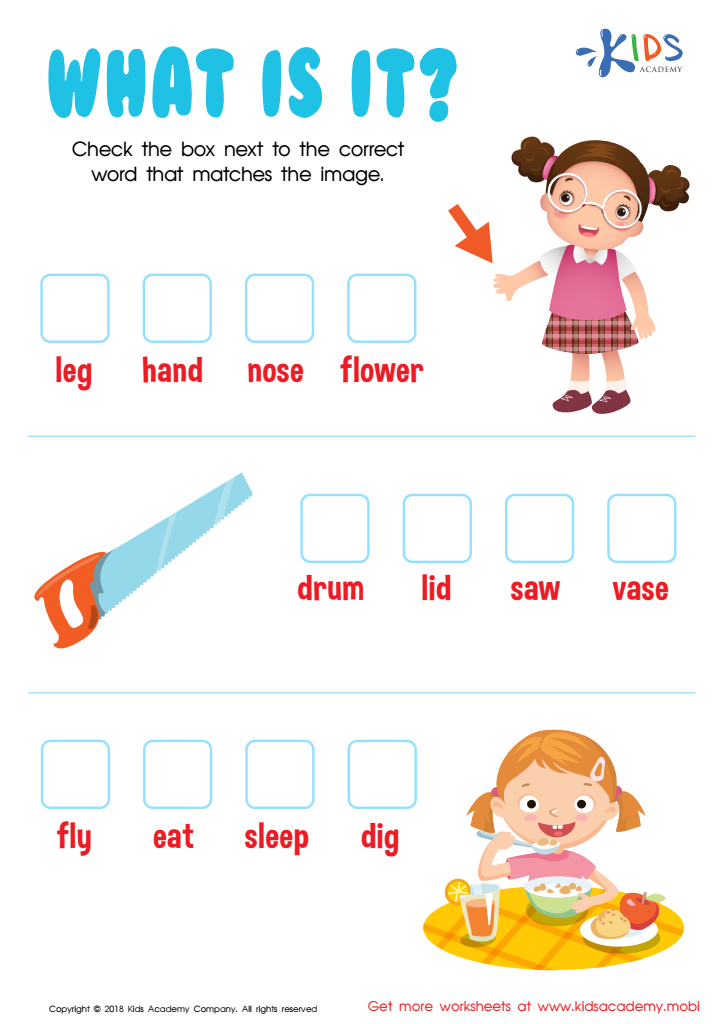
What Is It? Worksheet
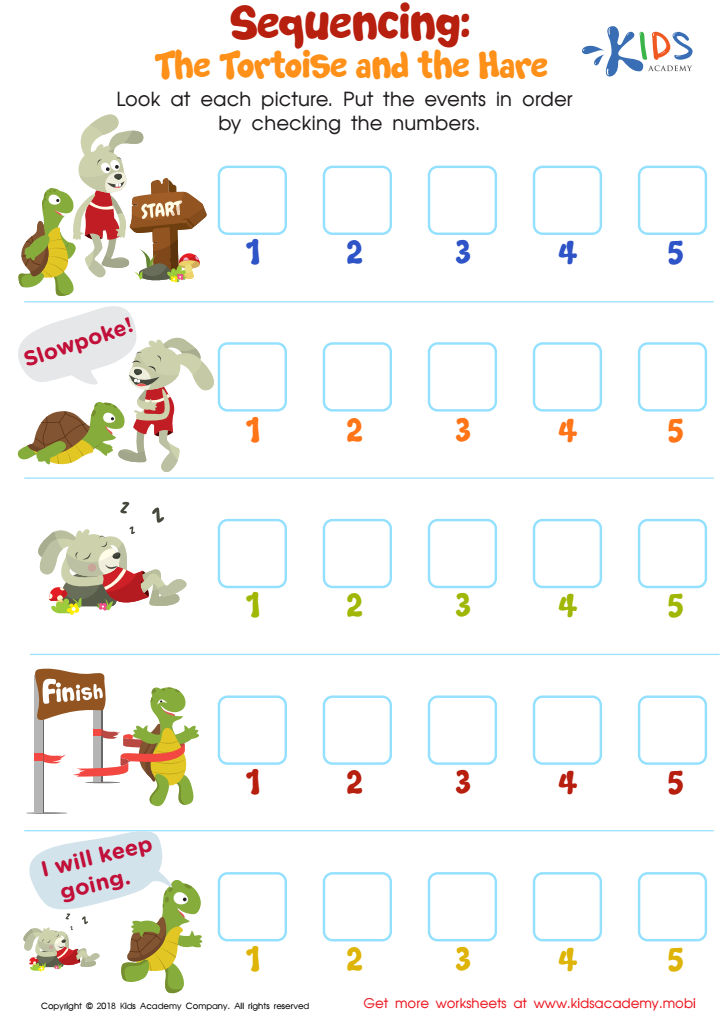
Sequencing: The Tortoise and the Hare Worksheet
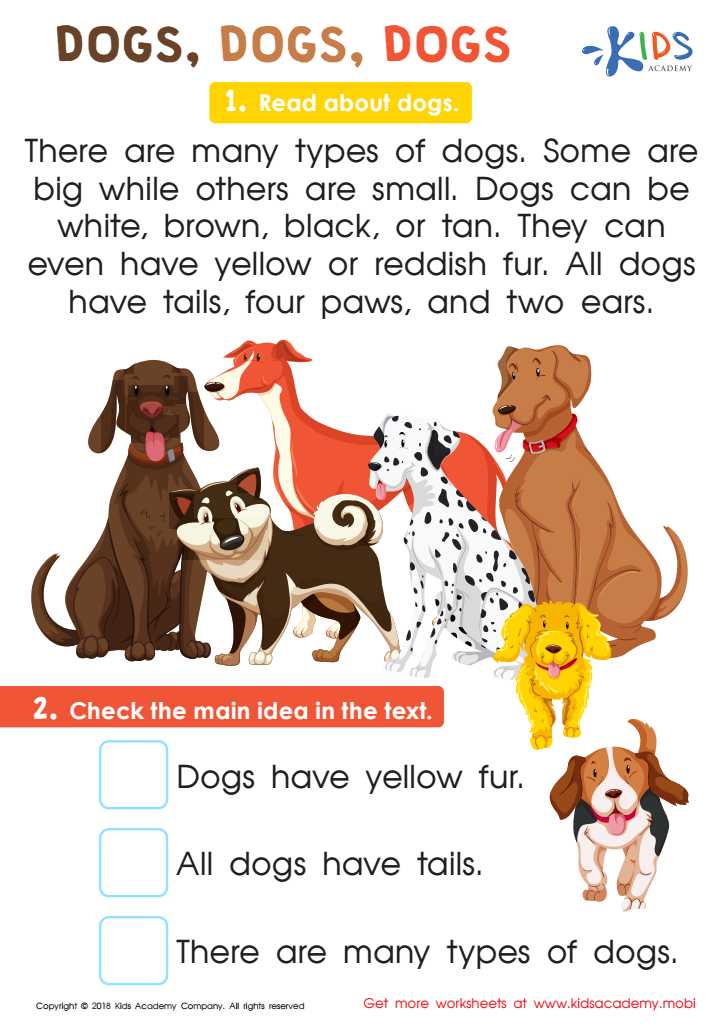
Dogs, Dogs Worksheet
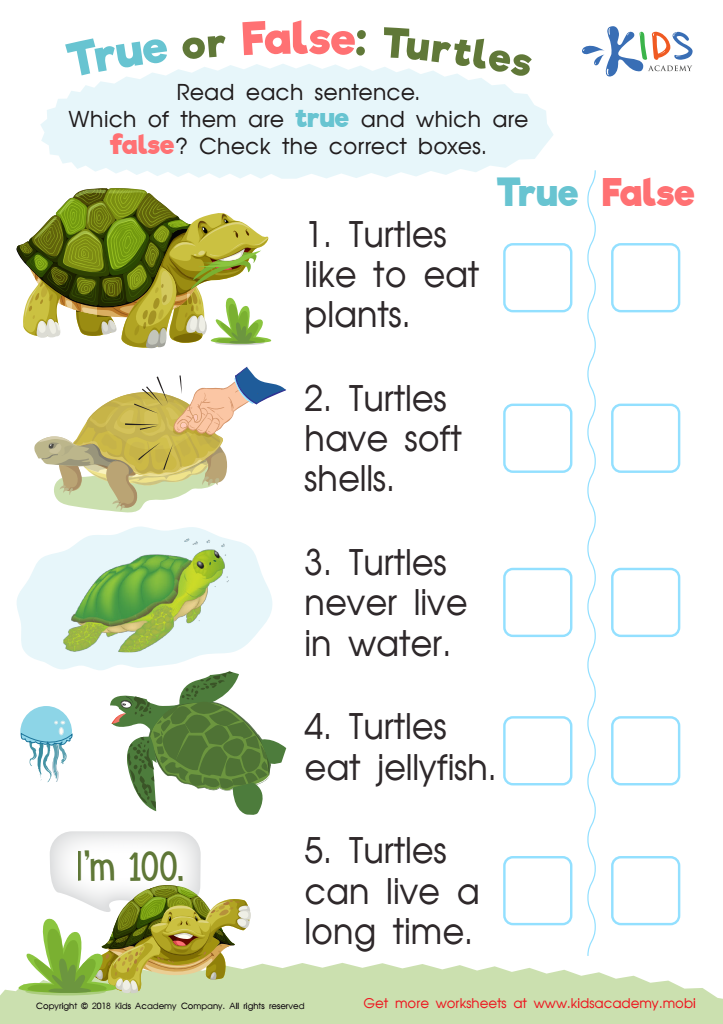
True or False: Turtles Worksheet
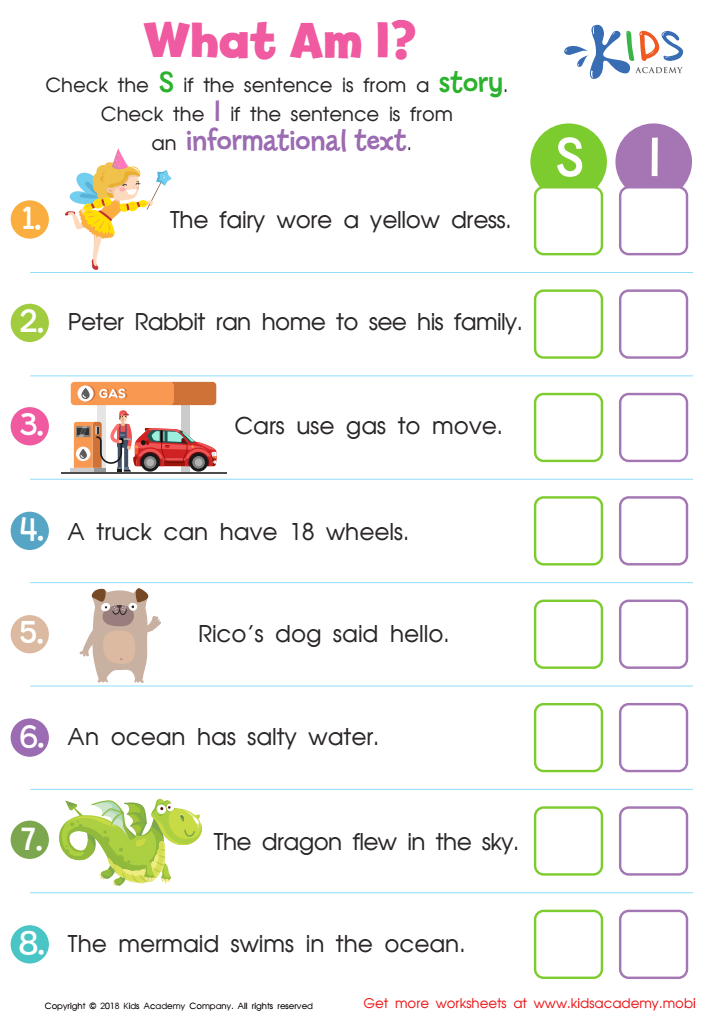
What Am I? Worksheet
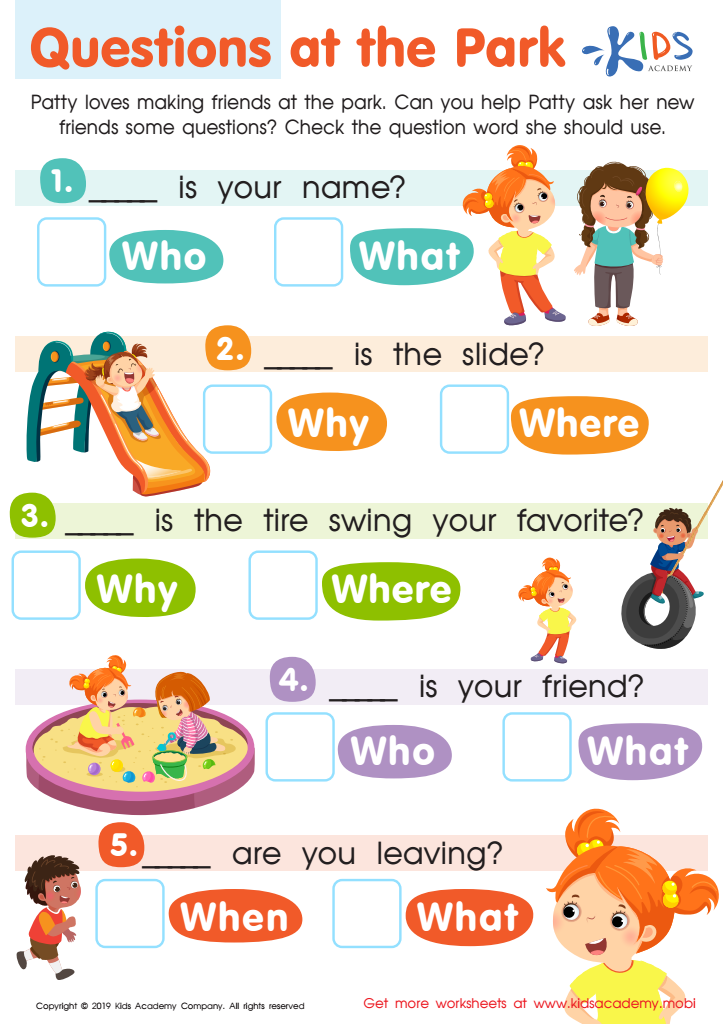
Questions at the Park Worksheet
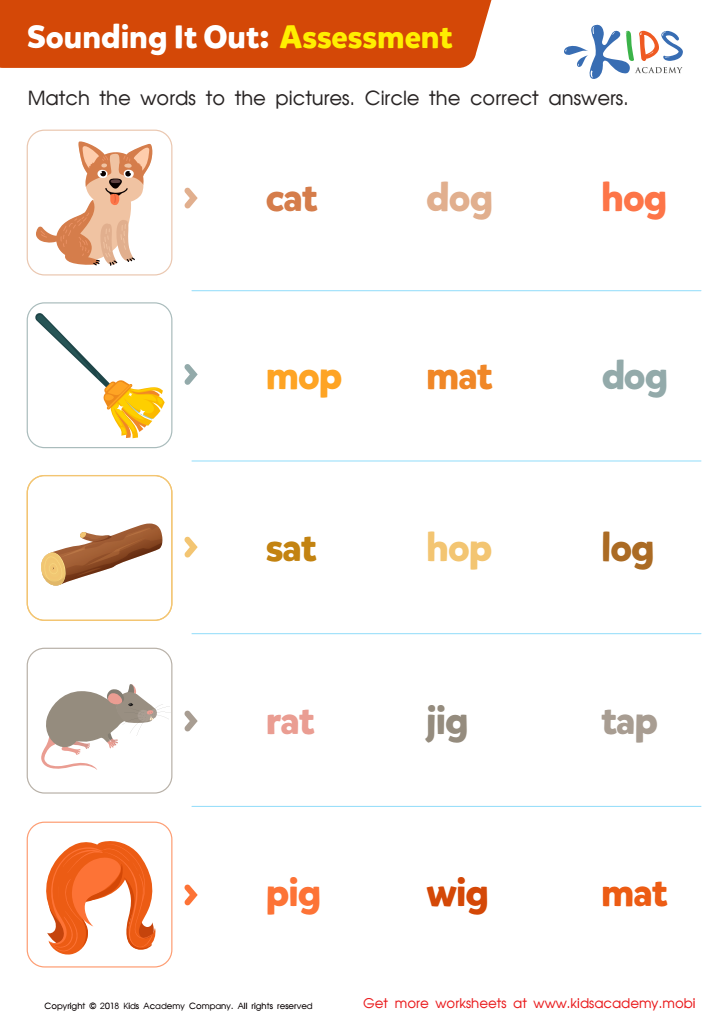
Sounding it Out: Assessment Worksheet
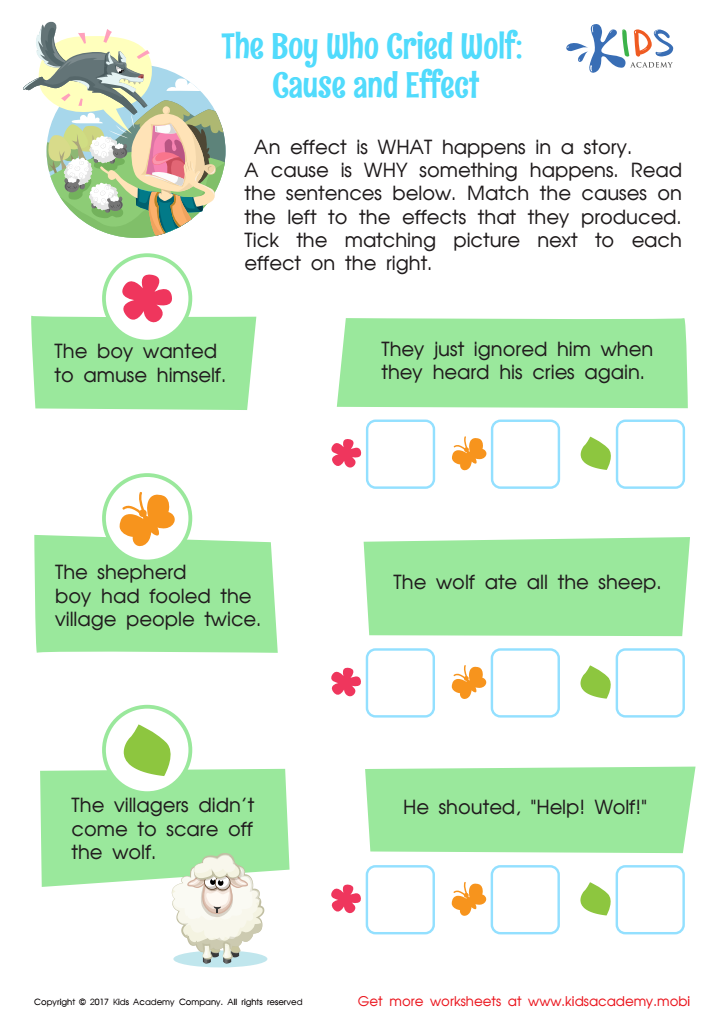
The Boy Who Cried Wolf: Cause and Effect Worksheet
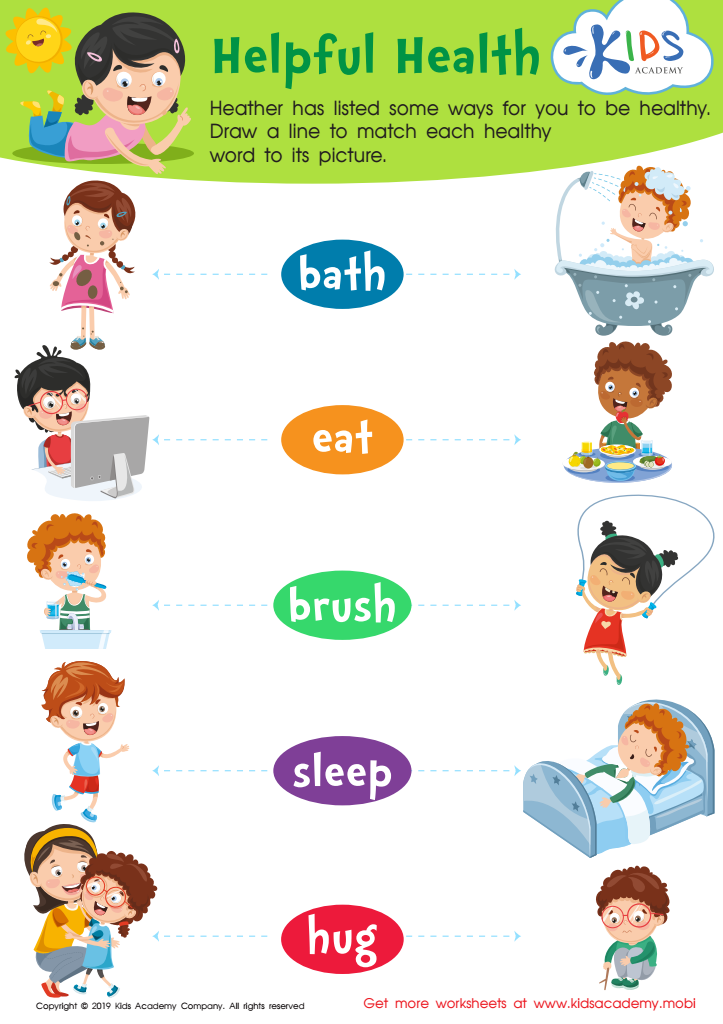
Helpful Health Worksheet
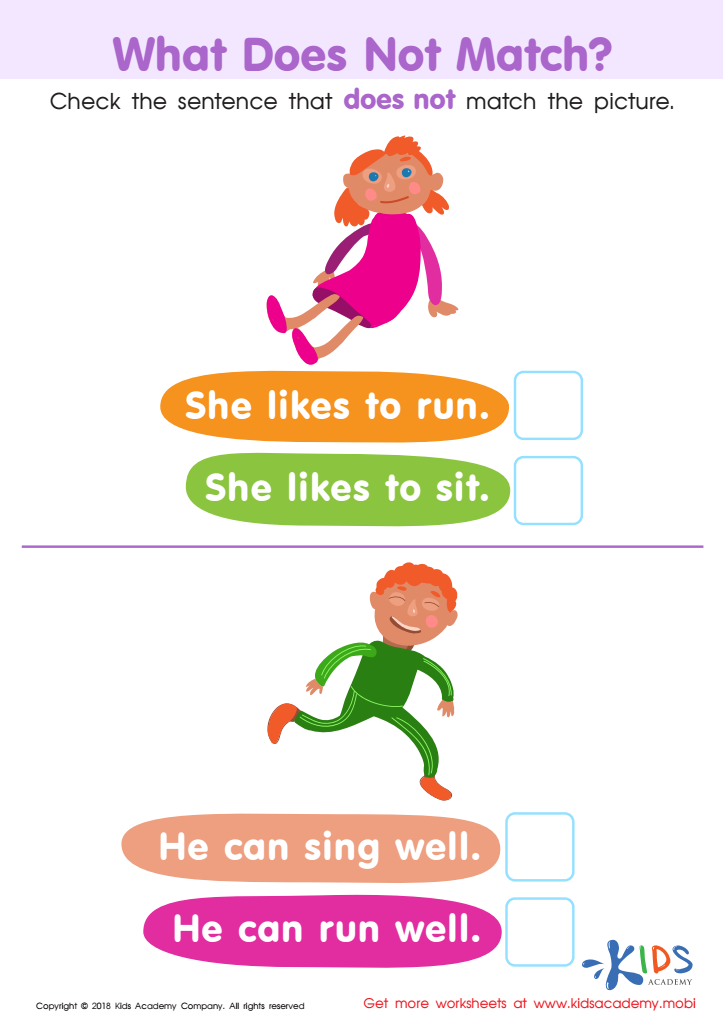
What Does Not Match? Worksheet








Logical reasoning is a critical skill for young children, especially those aged 6-7, as it lays the foundation for future learning and problem-solving abilities. At this developmental stage, children are transitioning from simple rote learning to more complex cognitive processes. Encouraging logical reasoning through reading helps improve their comprehension and ability to think critically.
When children engage in stories that require them to identify patterns, make predictions, or deduce outcomes, they're not just understanding a narrative but piecing together cause and effect. This not only enhances their reading skills but also empowers them to tackle everyday problems more effectively. For instance, they learn to identify why a character in a story made a certain choice and what the consequences were, paralleling real-life decision-making processes.
Furthermore, fostering logical reasoning skills at an early age boosts children's confidence and curiosity, making them more eager to explore subjects like math and science later on. It promotes active engagement with texts, rather than passive reading, enriching their overall educational experience. By valuing logical reasoning in reading, parents and teachers invest in a child's cognitive development, setting them up for academic success and helping them become thoughtful, analytical individuals.








