
Understanding patterns Reading Worksheets for Ages 6-7
5 filtered results
Difficulty Level
Grade
Age
-
From - To
Subject
Activity
Standards
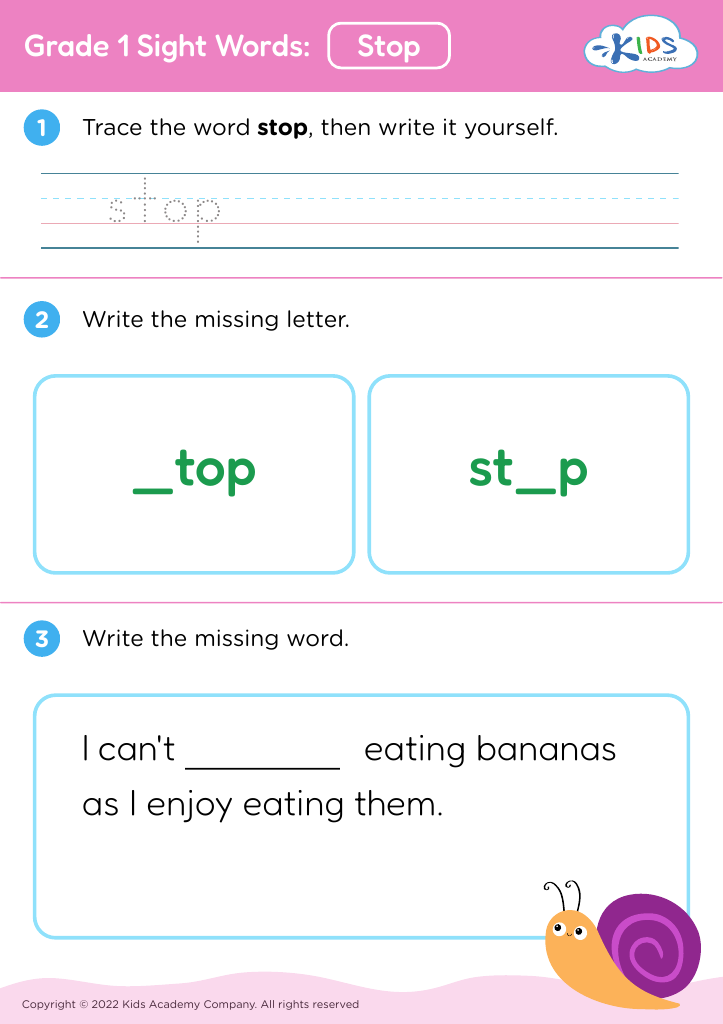
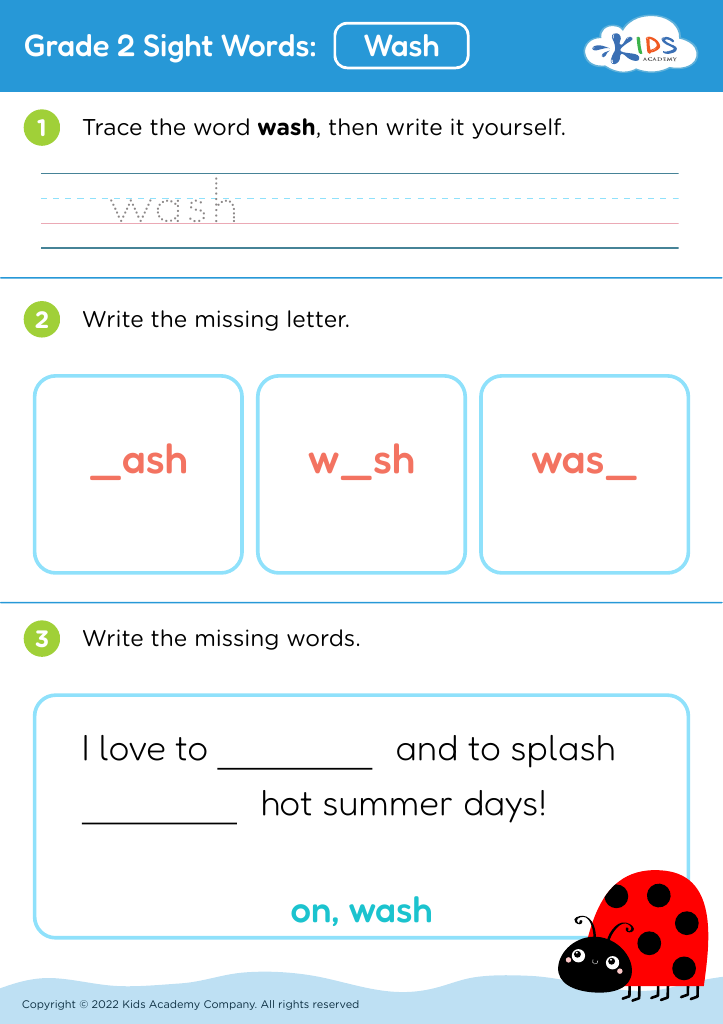
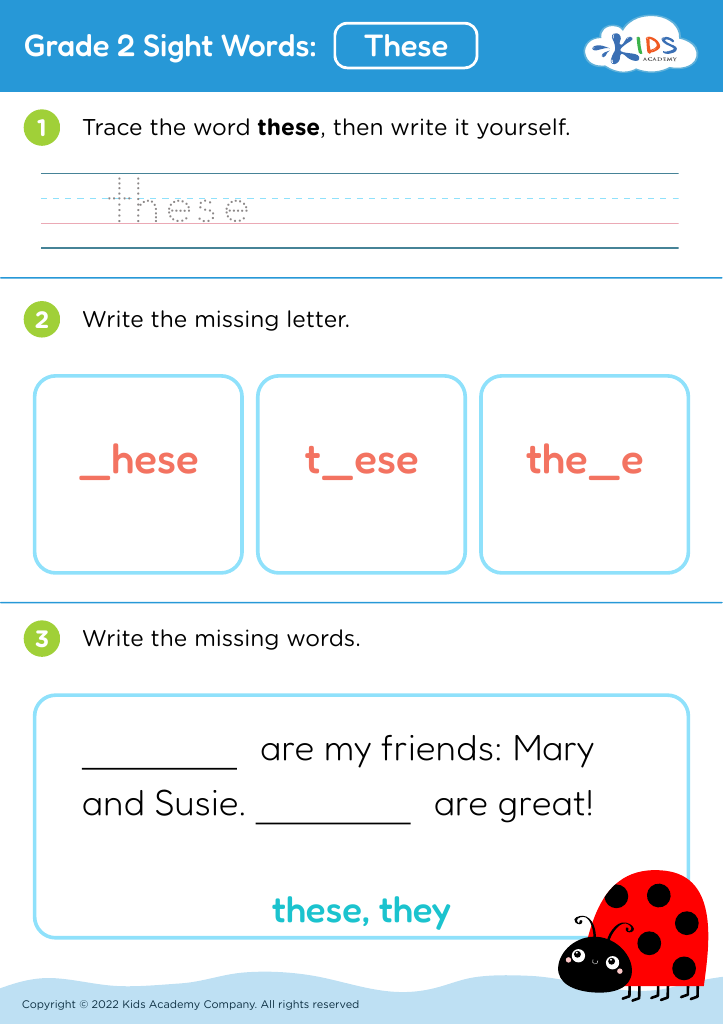
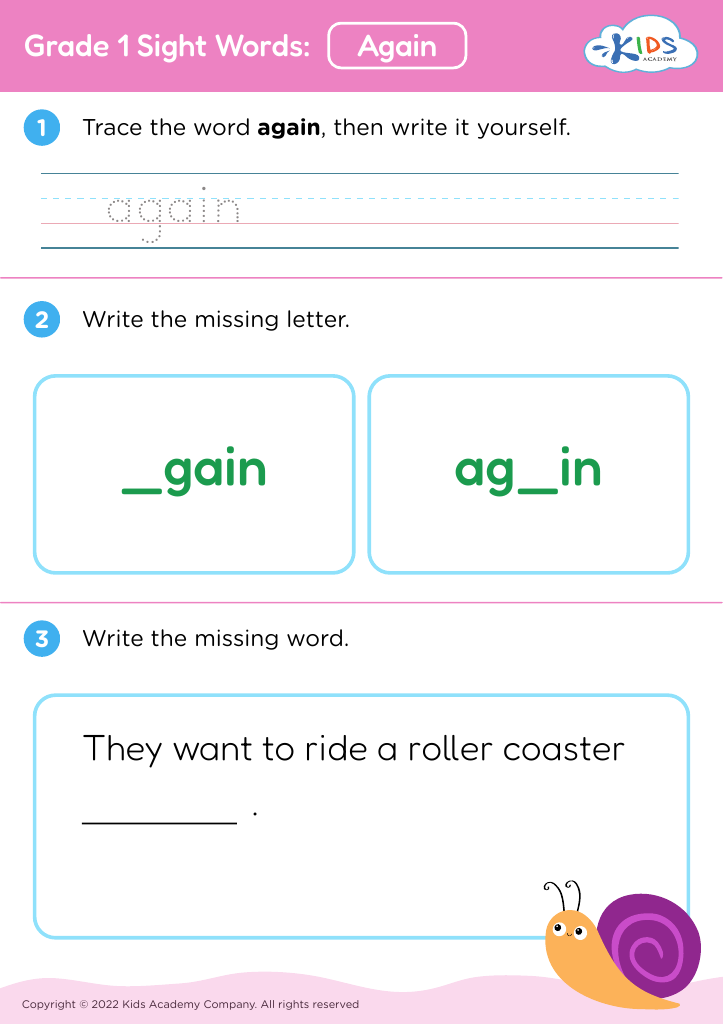
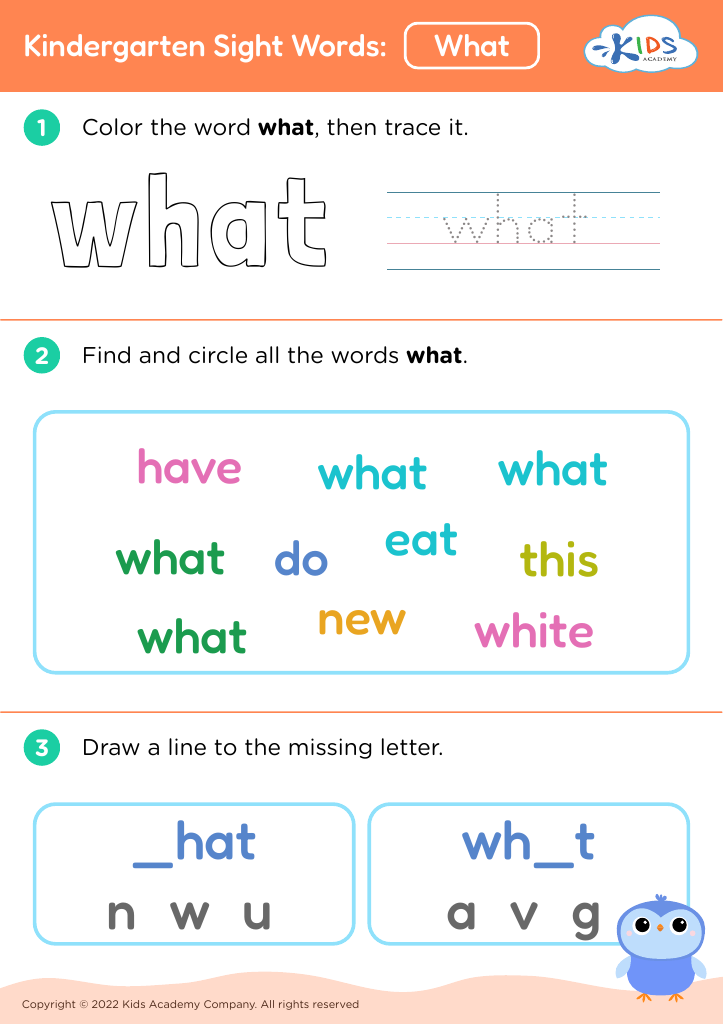
Discover the joy of reading with our "Understanding Patterns Reading Worksheets" designed for children aged 6-7. These engaging and educational printables help young learners identify and understand various patterns in texts, boosting their reading comprehension and critical thinking skills. Perfect for use at home or in the classroom, our worksheets offer a range of activities that make learning fun and interactive. Encourage your child's reading development and watch their confidence soar as they master these foundational skills. Visit Kids Academy to explore our collection and support your child's journey to becoming an avid reader.
Favorites
With answer key
Interactive
Join Kids Academy for Free
Who is primarily going to use this learning content?








Understanding patterns is a crucial part of the reading process for children aged 6-7 and is essential for both parents and teachers to support and encourage. At this stage, children begin to recognize recurring sequences in words, sentences, and storytelling, which significantly boosts their reading fluency and comprehension skills. Knowing patterns, such as phonetic patterns (like "cat," "bat," "rat") or story structures (beginning, middle, end), helps children decode new words and predict text content more effectively.
Advanced reading comprehension stems from recognizing relationships and sequences—skills that are rooted in pattern recognition. This foundational ability is also important for learning rules of grammar and vocabulary. When children see familiar word patterns, they can read more rapidly and with greater confidence, cementing their love for reading.
Additionally, pattern recognition extends beyond reading to numeracy, problem-solving, and general cognitive functionality. These patterns support not only strong literacy skills but a solid groundwork in various academic and social areas. Parents and teachers who emphasize understanding patterns help foster independent learning, critical thinking, and adaptable communication skills, giving children a greater chance of long-term educational and personal success. This holistic growth makes the early focus on patterns invaluable in a child’s development.








