Basic arithmetic practice Sight Words Worksheets for Ages 6-7
3 filtered results
-
From - To
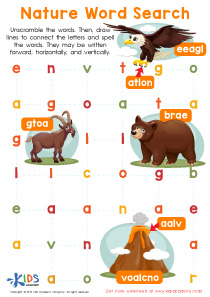
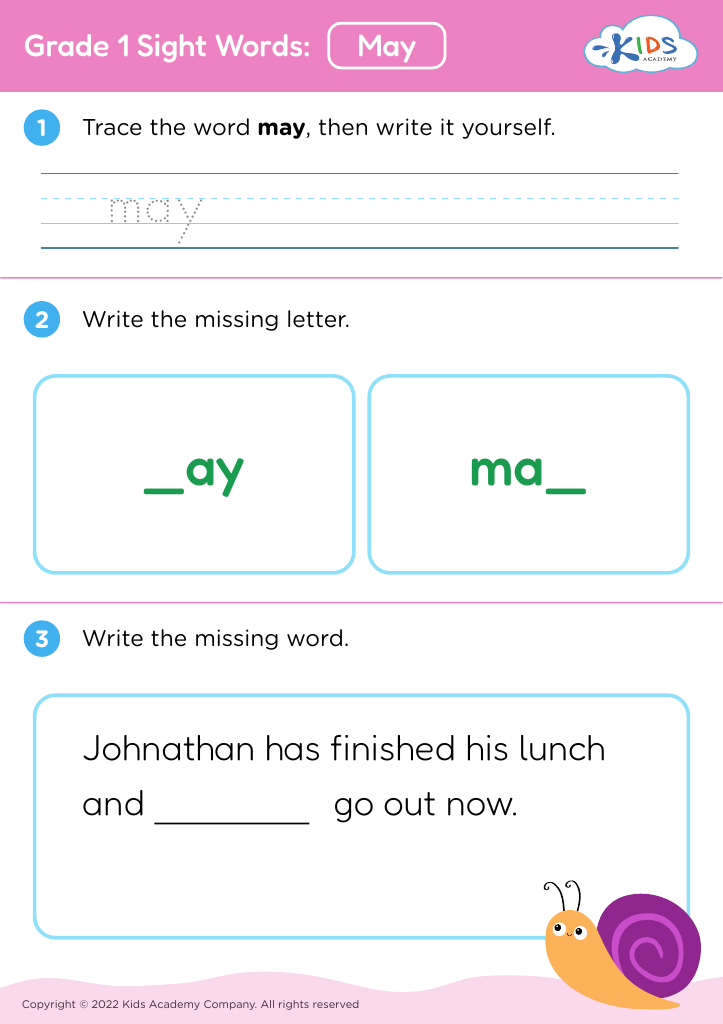
Discover our engaging "Basic Arithmetic Practice Sight Words Worksheets" designed for children ages 6-7. These worksheets combine essential math skills with sight word recognition to enhance both numeracy and literacy. Each activity promotes confidence in basic addition and subtraction while helping kids familiarize themselves with frequently used words. By integrating these two vital areas of learning, kids can sharpen their cognitive abilities in a fun and interactive way. Perfect for parents and educators, these worksheets create an enjoyable learning experience that sets the foundation for future academic success. Download now to support your child's educational journey!







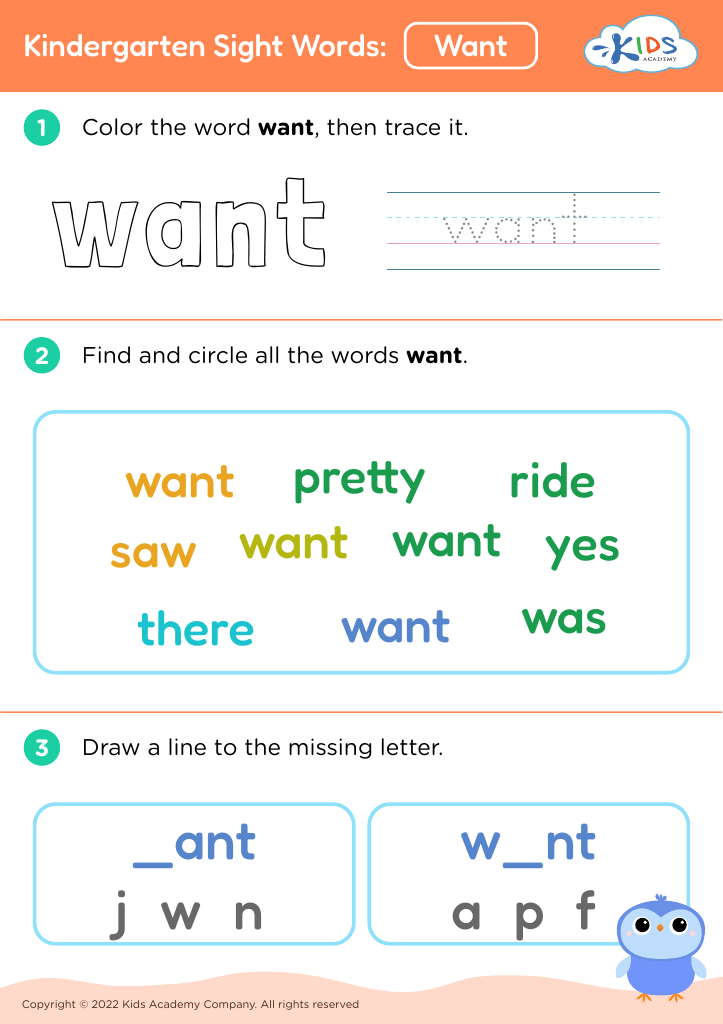
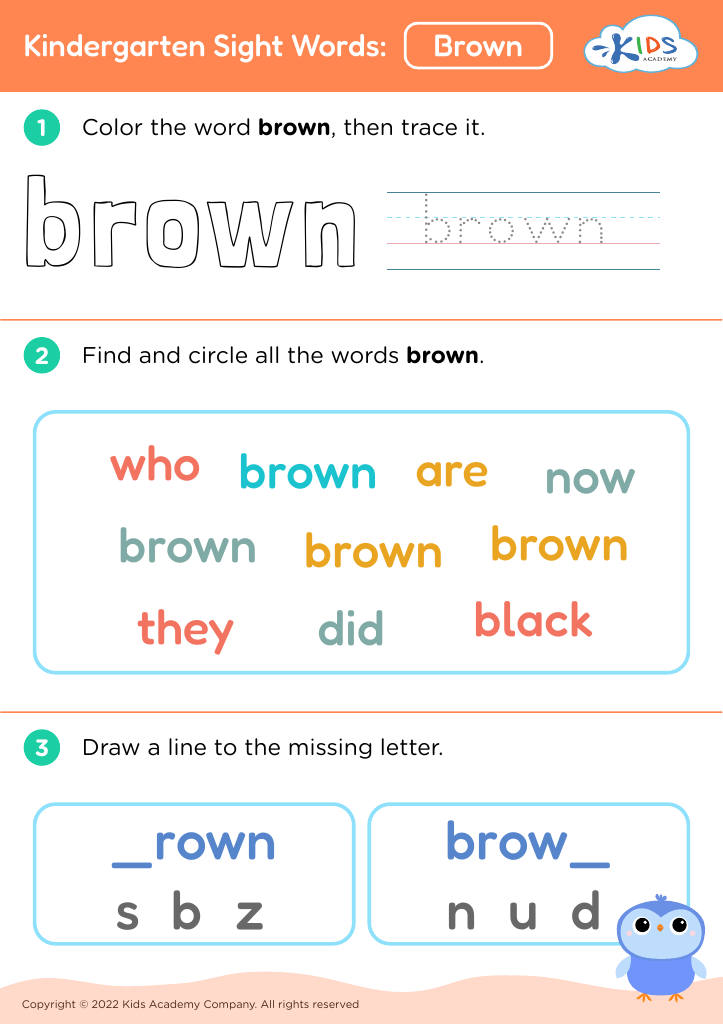








Parents and teachers should prioritize basic arithmetic practice and sight word recognition for children aged 6-7 because these skills form the foundation for future academic success. At this age, children are developing critical cognitive abilities that will serve them throughout their education and daily life.
Basic arithmetic, including addition and subtraction, enhances problem-solving skills and builds confidence in handling numbers. This foundational knowledge not only facilitates the understanding of more complex mathematical concepts later on but also encourages children to think analytically and make connections in various subjects.
Equally important are sight words—commonly used words that children are encouraged to recognize without having to sound them out. Mastery of sight words contributes significantly to reading fluency, comprehension, and overall literacy development. By recognizing these words automatically, students can focus on understanding the meaning of sentences rather than getting stuck on individual words.
Engaging in regular practice of both arithmetic and sight words fosters a positive attitude towards learning, encourages persistence, and allows children to experience early academic successes. Thus, the support from parents and teachers in these areas is vital for cultivating lifelong learners who are prepared for future challenges.