Fraction comparison Sight Words Worksheets for Ages 6-7
7 filtered results
-
From - To
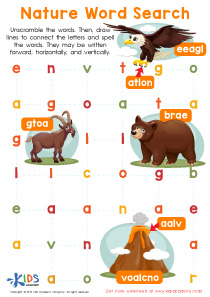
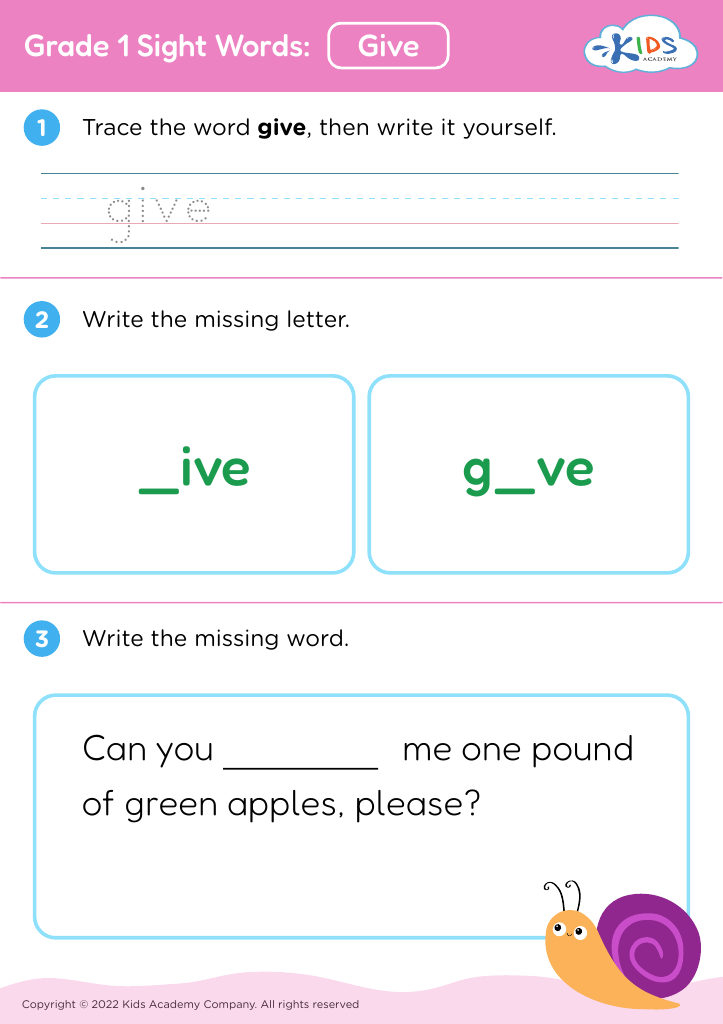
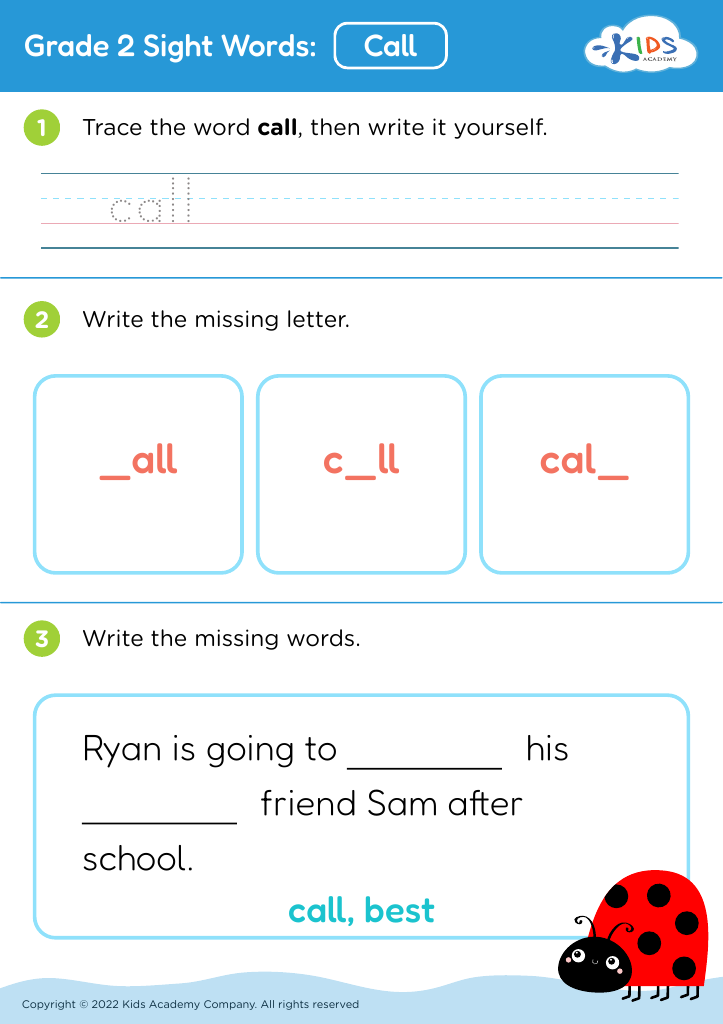
Enhance your child's reading and math skills with our engaging Fraction Comparison Sight Words Worksheets, designed specifically for ages 6-7. These interactive worksheets combine essential sight word recognition with valuable fraction comparison exercises, fostering both literacy and numeracy development. Kids will have fun identifying and comparing fractions while improving their vocabulary. Each worksheet is crafted to simplify the learning experience, ensuring that the concepts are easily understood. Ideal for classroom use or at-home practice, our resources promote critical thinking and confidence in young learners. Download our Fraction Comparison Sight Words Worksheets today and watch your child's skills flourish!
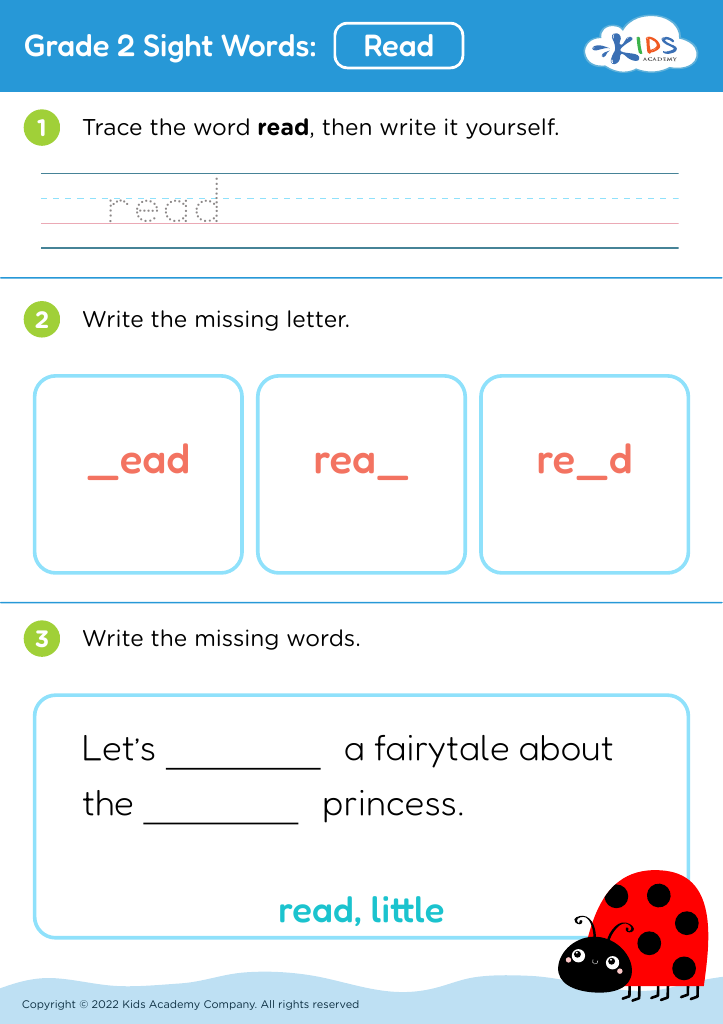

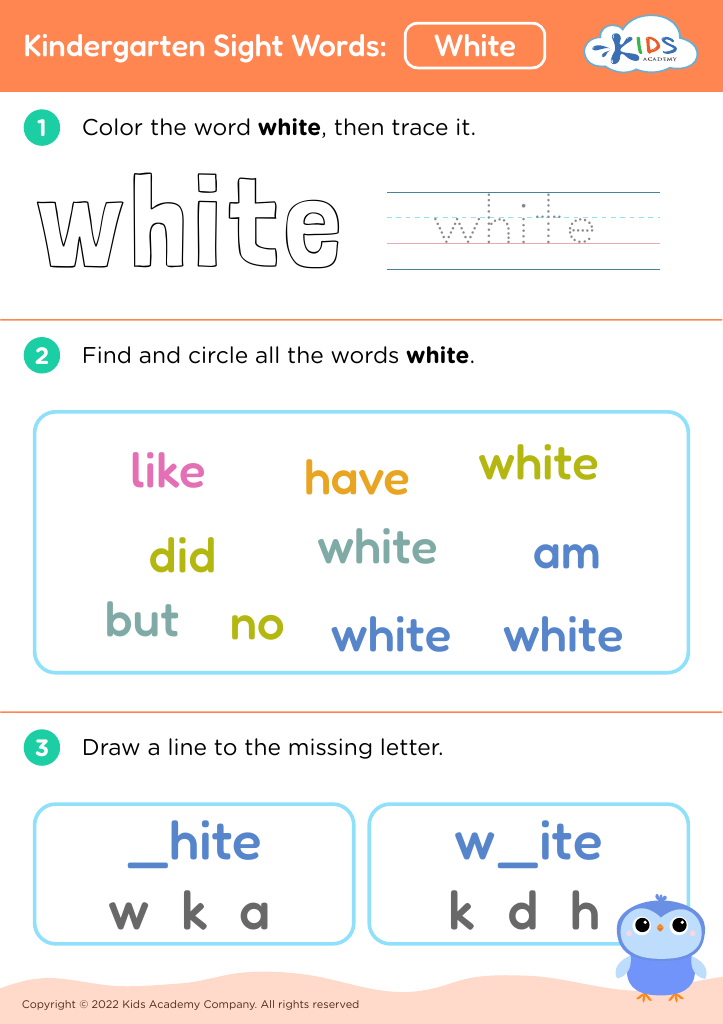
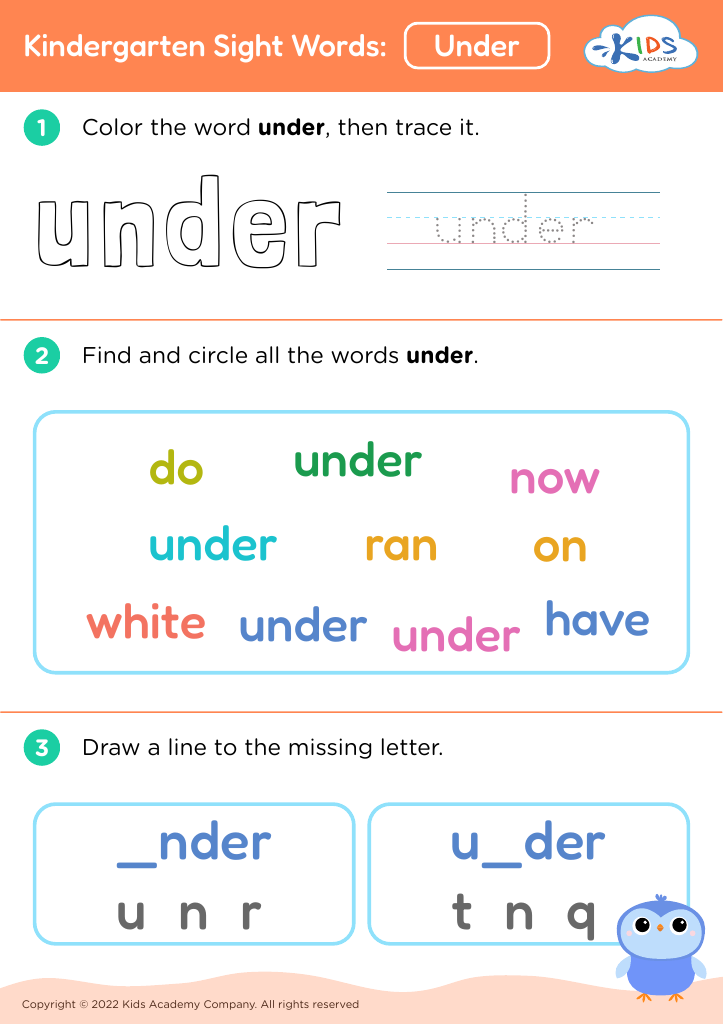
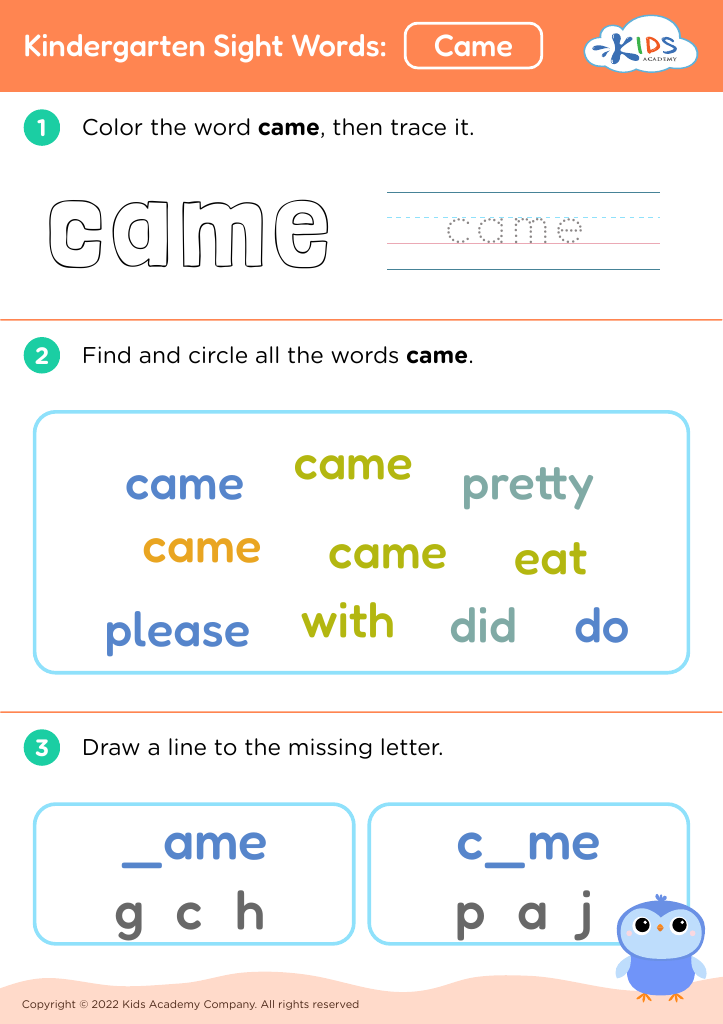
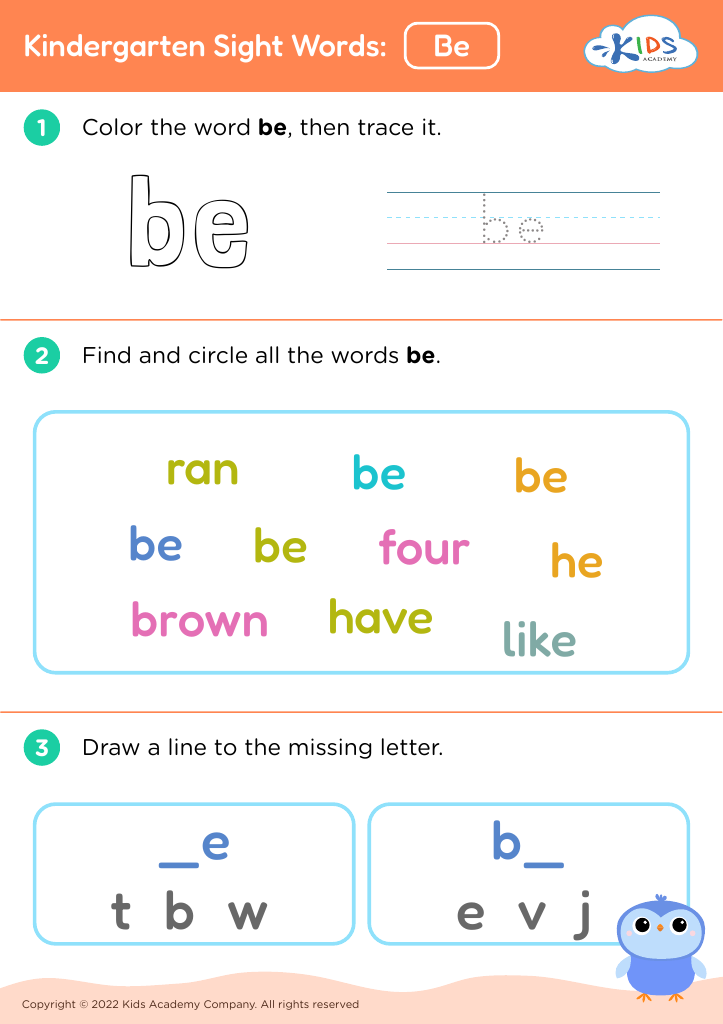







Parents and teachers play a crucial role in children's understanding of mathematical concepts, and introducing Fraction Comparison Sight Words to children ages 6-7 is an essential part of this process. At this age, children are becoming more adept at learning abstract concepts and making connections between numbers and their real-world applications. Sight words, specifically tailored for fraction comparison, help young learners recognize and internalize keywords associated with fractions, such as "greater," "less," and "equal."
Understanding these terms allows children to confidently compare fractions, laying a foundational skill crucial for future math success. By incorporating fraction comparison sight words into their learning environment, educators and parents can encourage logical reasoning and critical thinking, promoting overall cognitive development.
Additionally, incorporating these sight words into everyday conversations and play can make learning feel engaging and relevant. This joyful approach nurtures a positive attitude toward math, reducing the likelihood of anxiety when faced with more complex concepts in the future. Fostering early familiarity with fraction comparison not only builds mathematical fluency but also empowers children to tackle challenges with resilience and confidence, setting the tone for lifelong learning and academic achievement.