Logical thinking Grammar Worksheets for Ages 6-7
3 filtered results
-
From - To
Boost your child's logical thinking skills with our engaging grammar worksheets designed for ages 6-7! These carefully crafted activities help young learners develop critical reasoning and comprehension abilities while enhancing their understanding of grammar concepts. Each worksheet encourages kids to make connections, solve problems, and think analytically about language use. With fun exercises that promote creativity and enhance their writing skills, children will enjoy exploring grammar in a playful, interactive way. Perfect for reinforcing classroom learning or providing valuable practice at home, these worksheets cater to the developmental needs of early learners, ensuring a solid foundation for their academic journey.
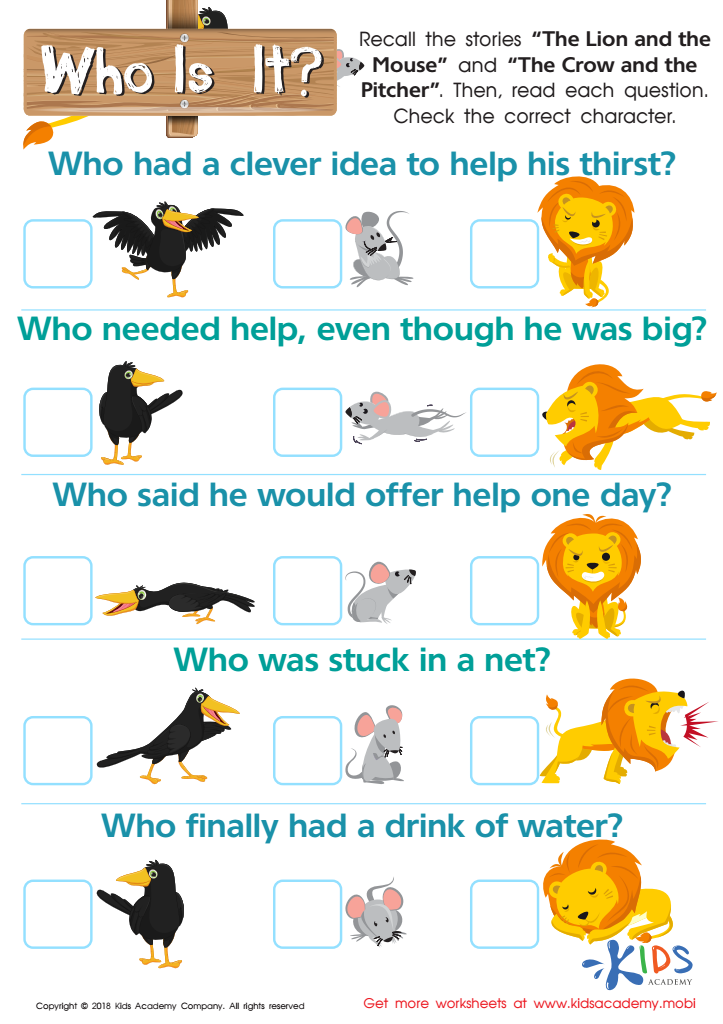
Who Is It? Worksheet
 Assign to My Students

Spider Verbs Worksheet
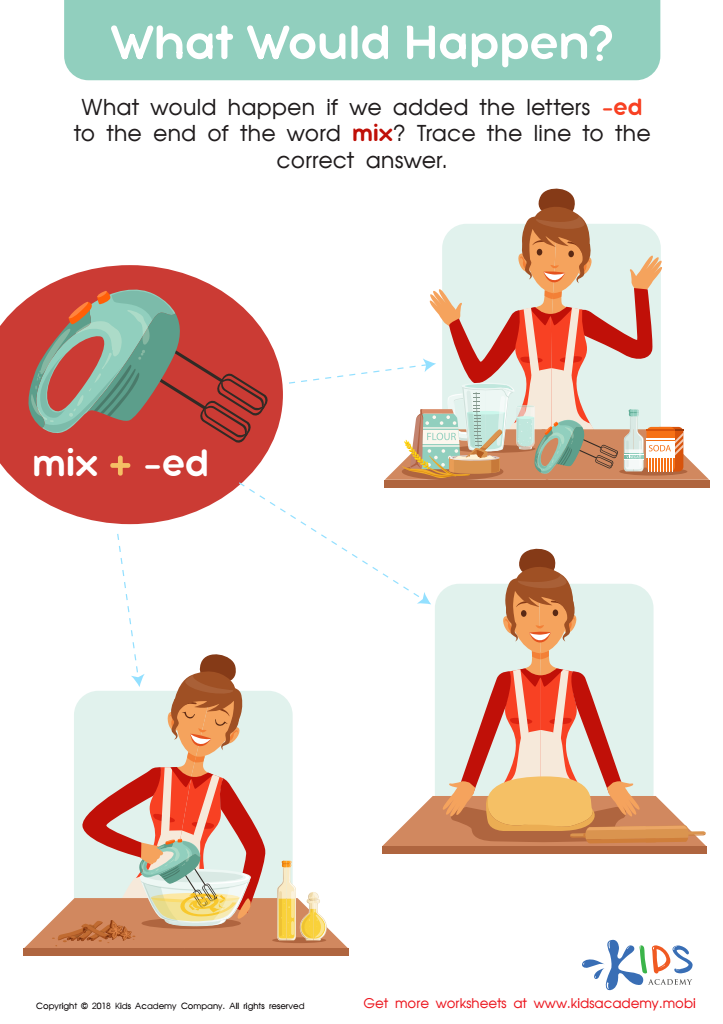
What Would Happen? Worksheet




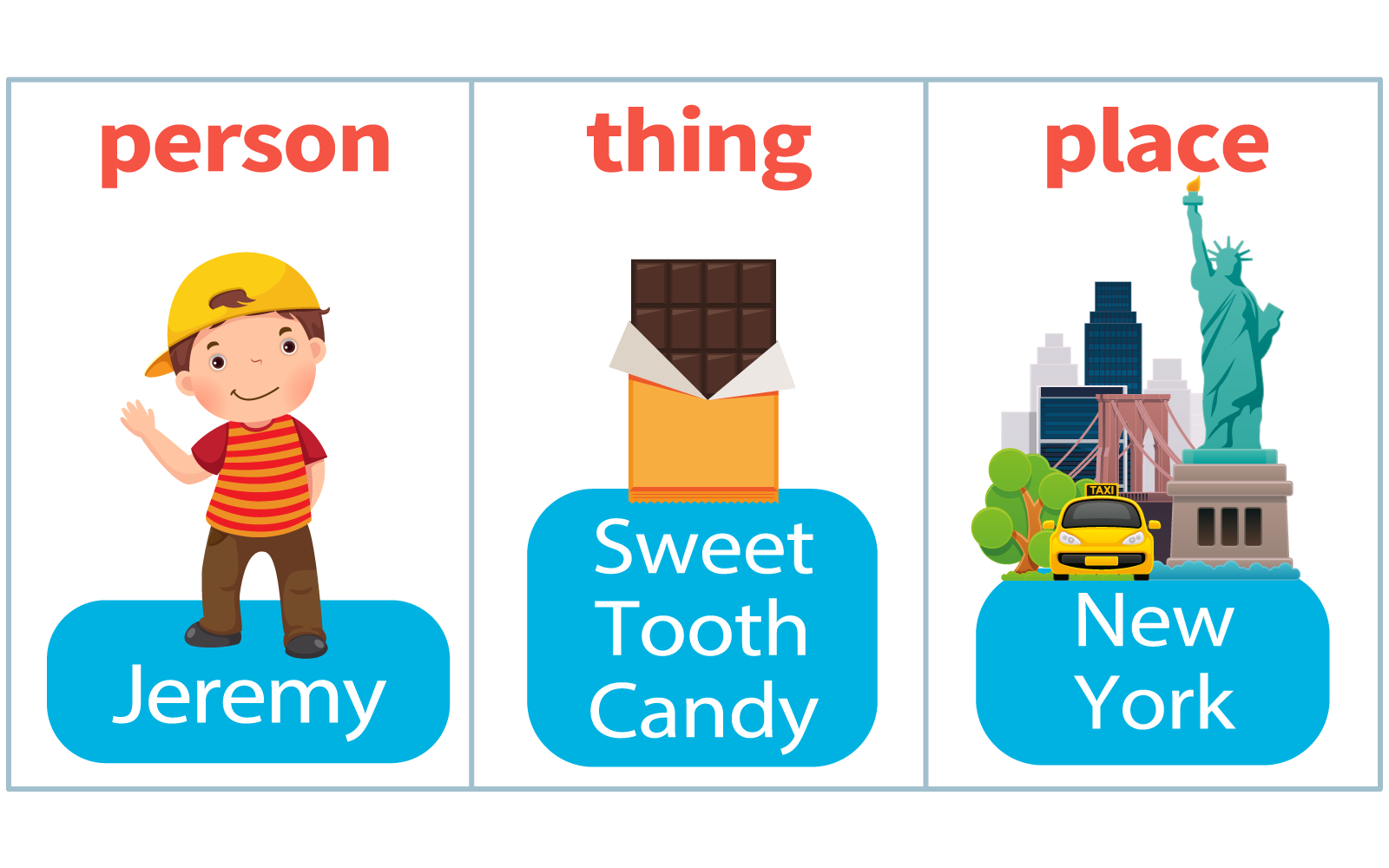


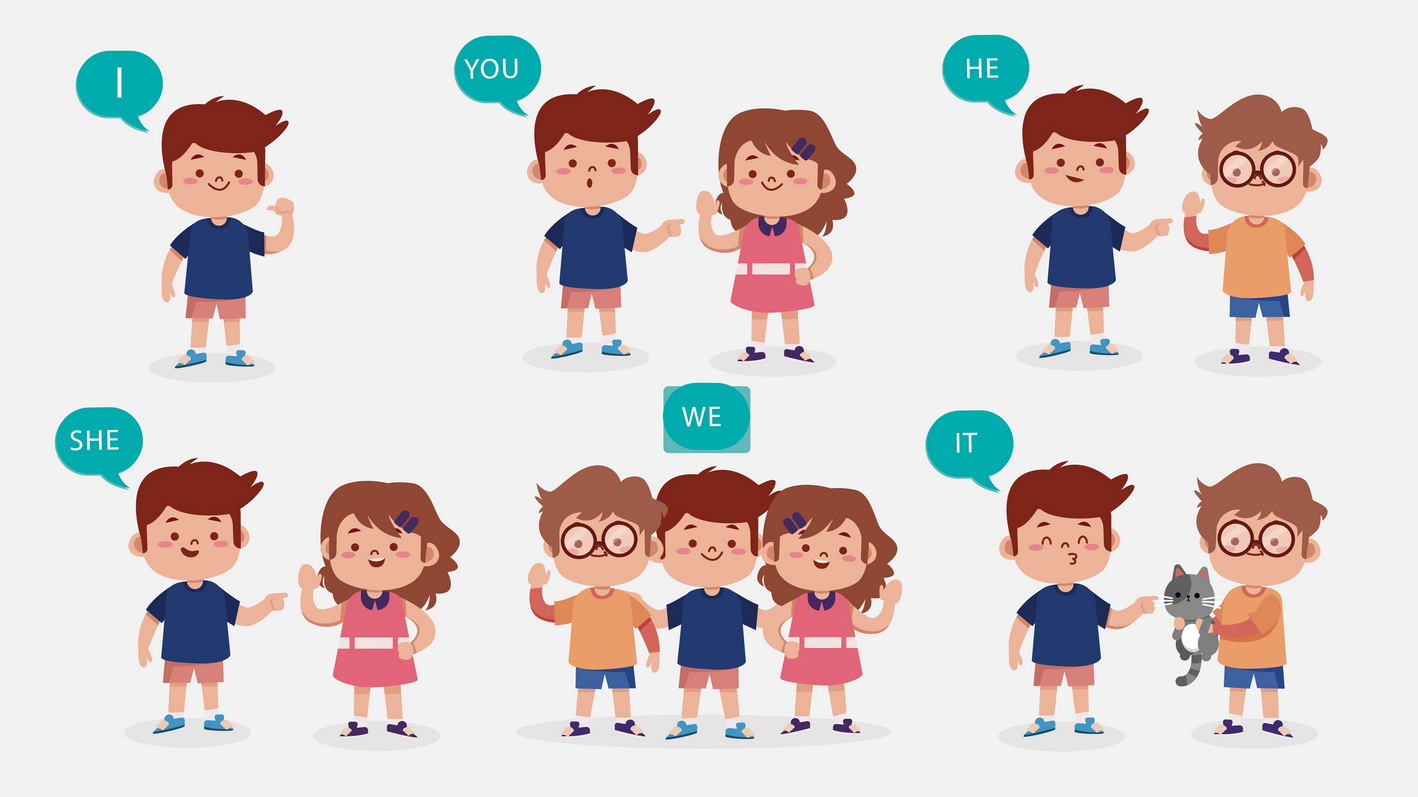
Logical thinking grammar for ages 6-7 is essential for several reasons. First and foremost, it fosters critical thinking skills. At this stage, children are not just beginning to learn words and sentences; they are also starting to understand how to structure thoughts and ideas logically. This skill is crucial for language development, enabling children to express their reasoning clearly and coherently.
Moreover, logical grammar helps children make connections between concepts, enhancing their comprehension abilities. For instance, understanding how to use conjunctions or formulate complex sentences encourages them to articulate their thoughts and observations systematically, paving the way for proficient communication.
Additionally, this focus on logic in grammar supports overall cognitive development. Children learn to analyze, compare, and synthesize information, which are skills that transcend language and apply to all areas of study.
Finally, nurturing these abilities early on builds a solid foundation for academic success. Children who master logical thinking in language are likely to excel in reading, writing, and problem-solving tasks in later grades. Therefore, parents and teachers should prioritize teaching logical thinking grammar to cultivate well-rounded, articulate individuals prepared for future challenges.