Letter recognition Writing Worksheets for Ages 6-7
4 filtered results
-
From - To
Enhance your child's literacy skills with our engaging Letter Recognition Writing Worksheets, designed specifically for children ages 6-7. These worksheets provide a fun and interactive way to help young learners master the alphabet, improving their recognition and writing abilities. Each worksheet includes a variety of activities, such as tracing, coloring, and matching letters, making learning enjoyable and effective. By using our user-friendly printables, children will gain confidence in their reading and writing skills, laying a strong foundation for future literacy endeavors. Explore our collection today and watch your child flourish as they embark on their exciting educational journey!
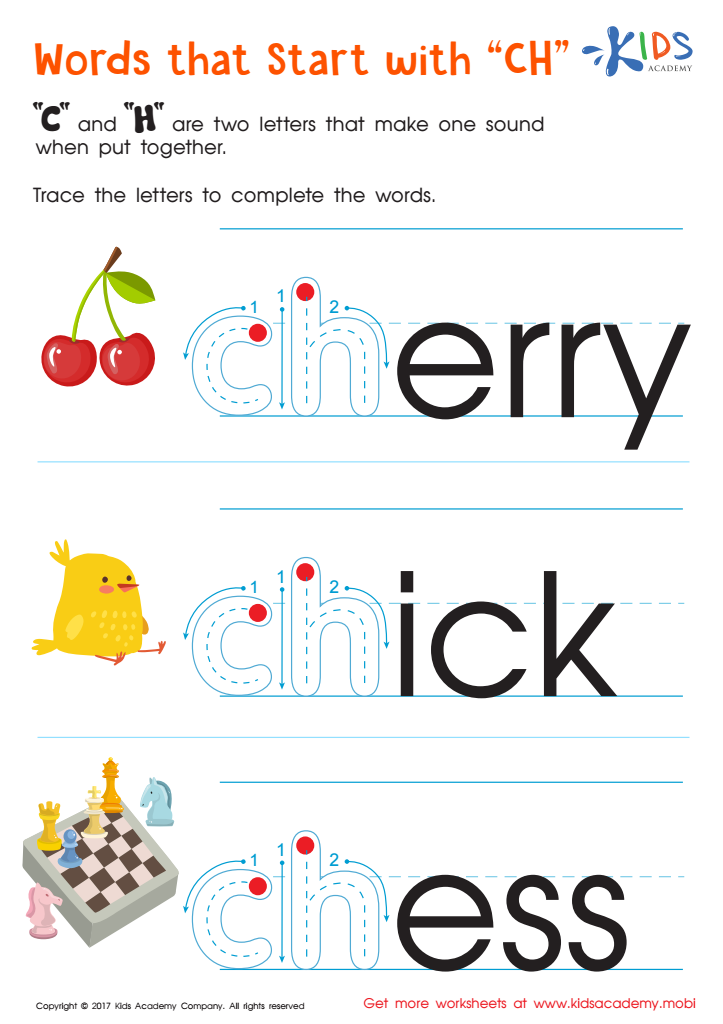
Words That Start with "ch" Spelling Worksheet
 Assign to My Students
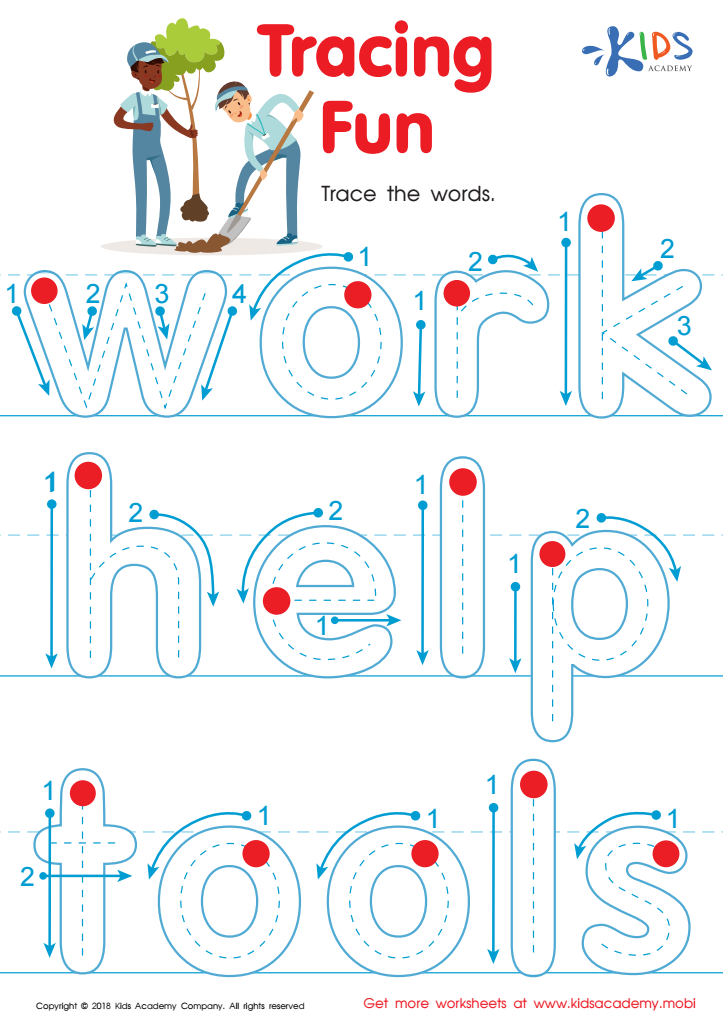
Tracing Fun Worksheet
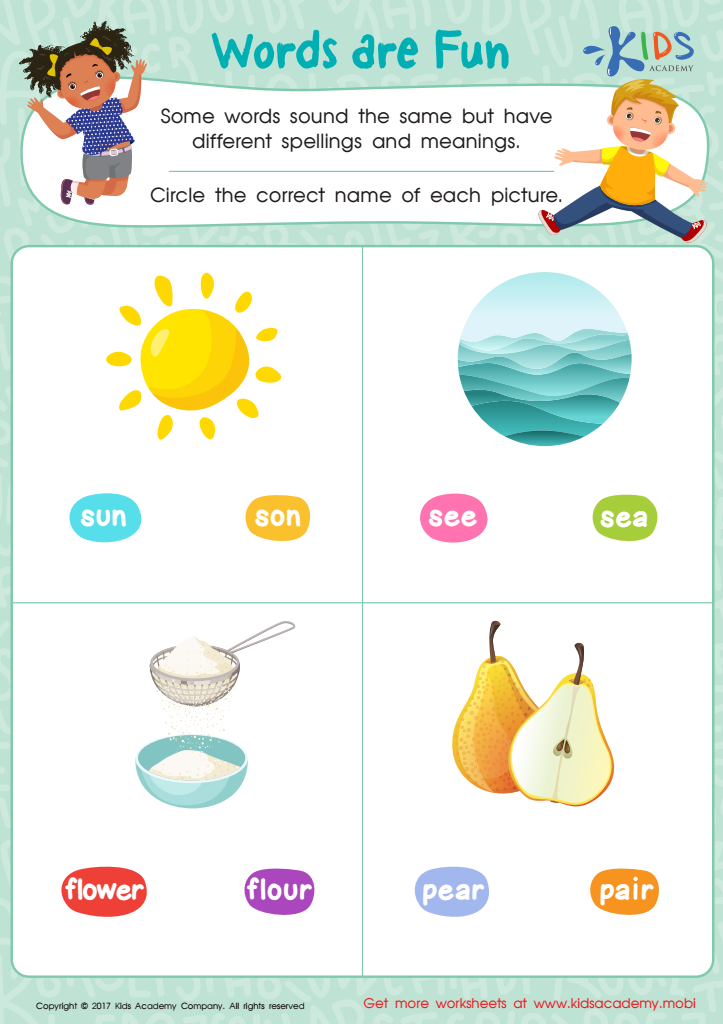
Words Are Fun Worksheet
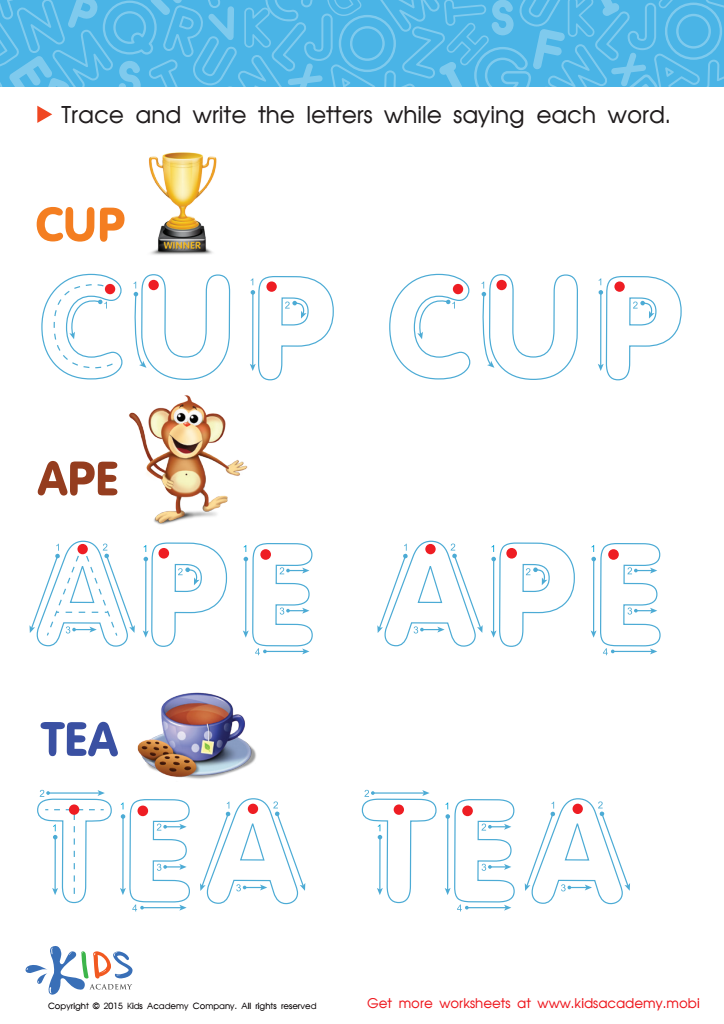
A Cup, an Ape and Tea Spelling Worksheet







Letter recognition and writing are fundamental skills essential for children ages 6-7 as they embark on their literacy journey. At this age, children are developing their reading and writing capabilities, and mastering letter recognition is crucial for acquiring phonetic awareness. When children can recognize letters, they can begin to decode words, fostering their ability to read independently.
Writing letters strengthens fine motor skills, enhancing children's hand-eye coordination and promoting their overall dexterity. This is particularly important as they learn to form letters correctly, which lays the foundation for their writing proficiency.
Moreover, a solid grasp of letter recognition bolsters children's confidence in their literacy abilities. When they can easily identify and write letters, they become more engaged in learning activities, making literacy a more enjoyable experience.
Parent involvement and teacher guidance in teaching these skills create a supportive learning environment that encourages curiosity and motivation. Encouraged by positive reinforcement and practice, children will develop a lifelong enthusiasm for reading and writing, vital skills that shape their academic success and communication abilities throughout their lives. Prioritizing letter recognition and writing is therefore essential for fostering both educational growth and emotional resilience in young learners.








