Alphabet Recognition ABC Letters Worksheets for Ages 6-8 - Page 2
28 filtered results
-
From - To
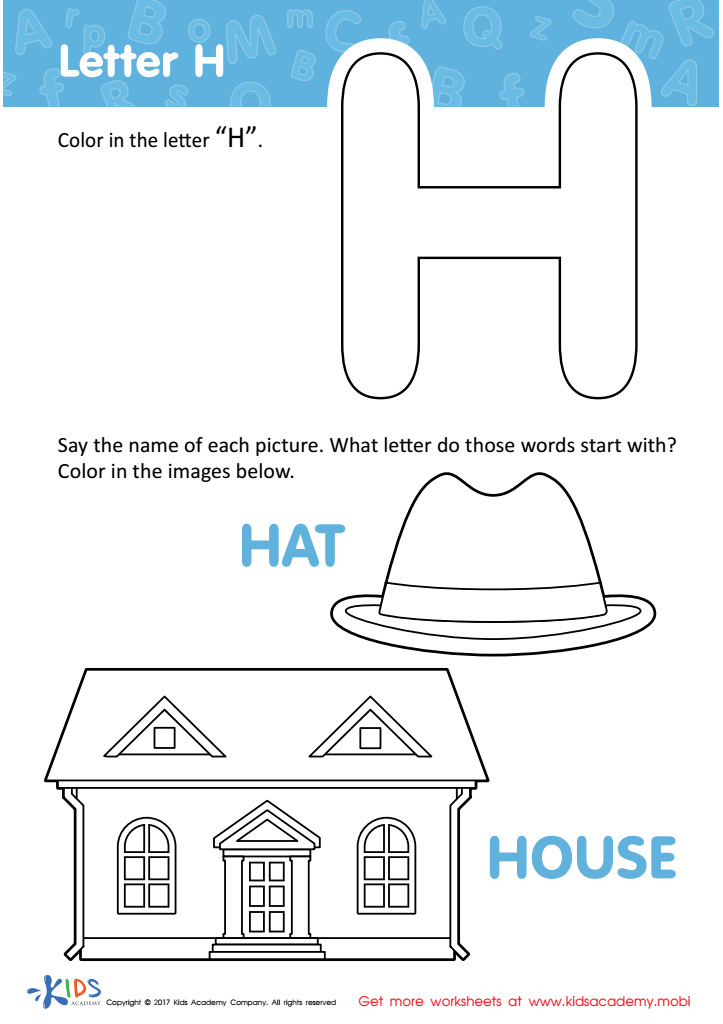
Letter H Coloring Sheet
 Assign to My Students





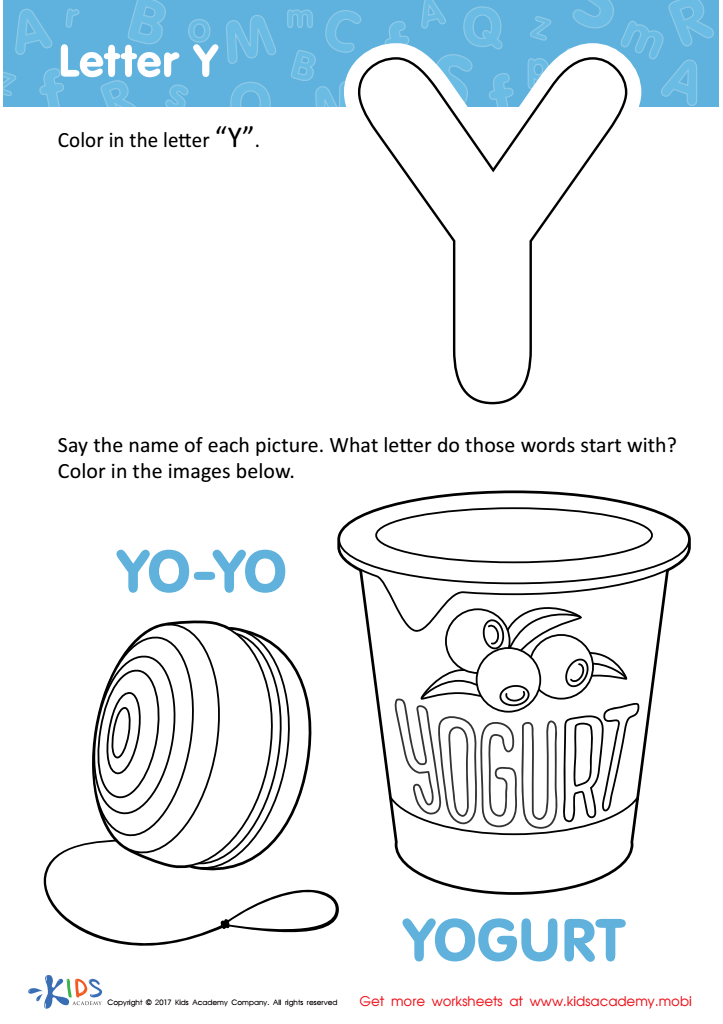
Letter Y Coloring Sheet
Assign to My Students
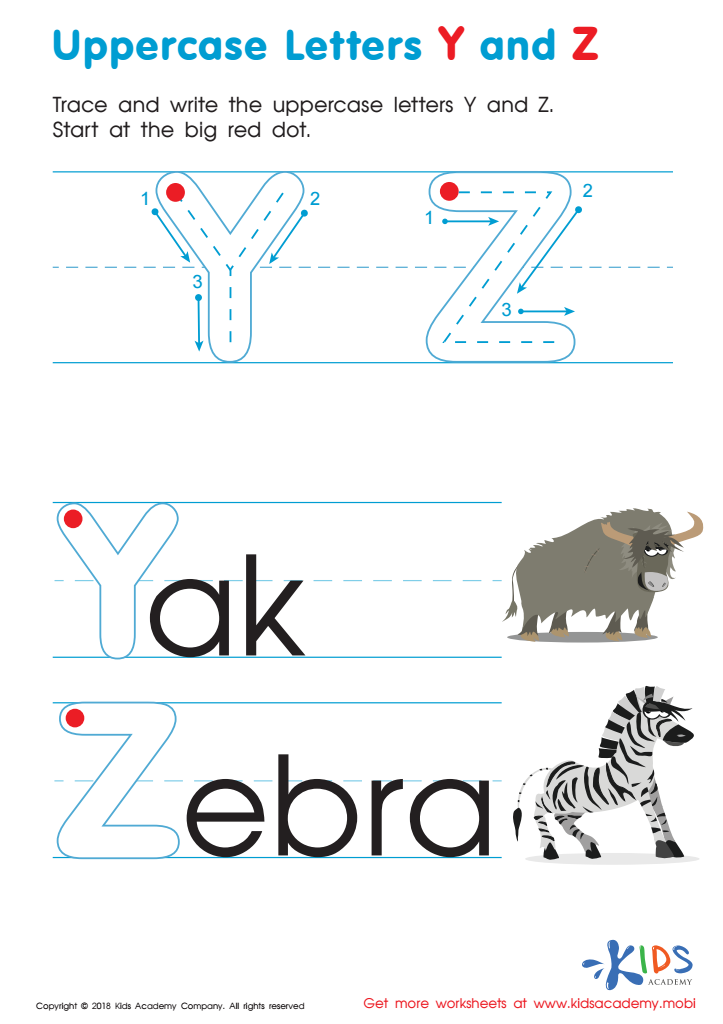
Uppercase Letters Y Z Worksheet
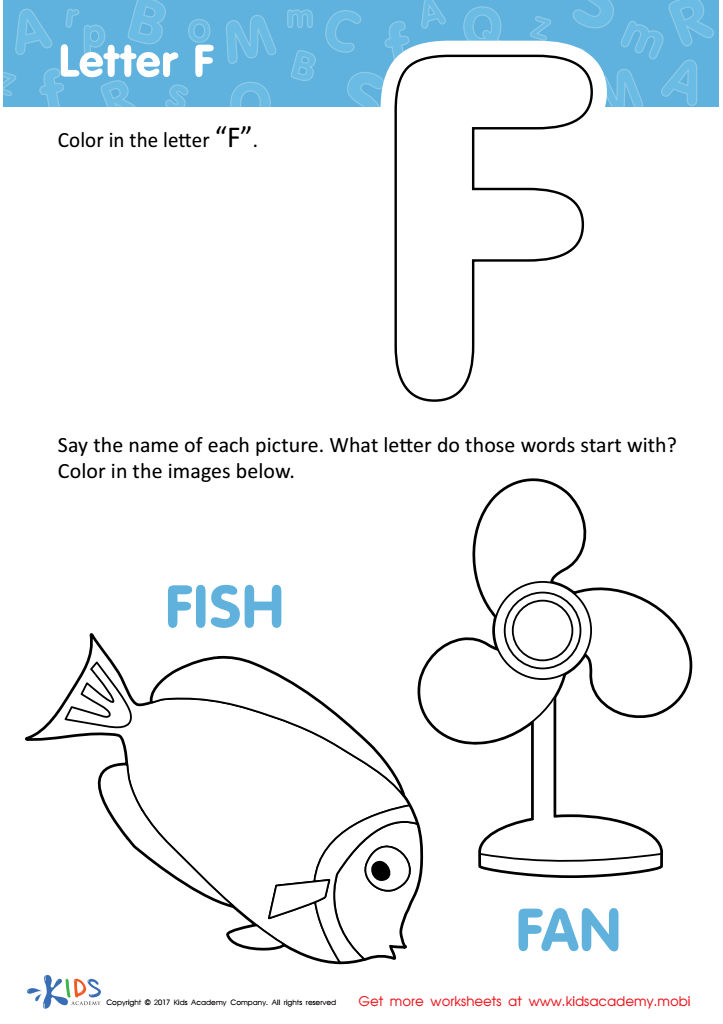
Letter F Coloring Sheet
Assign to My Students








Alphabet recognition is a crucial foundational skill for children aged 6-8, as it plays a significant role in their literacy development. Parents and teachers should care about this skill because it directly influences a child's reading and writing abilities. When children can recognize letters, they can decode words, understand basic phonics, and build vocabulary, which are all essential components of reading comprehension.
By this age, children are often starting to read simple texts, and strong alphabet recognition can boost their confidence and motivation. Familiarity with letters assists in spelling and improves their ability to express thoughts through writing, laying the groundwork for more complex language skills later on.
Moreover, engaging activities focused on alphabet recognition can foster a nurturing and interactive learning environment. It encourages imaginative play and exploration, leading to deeper interest in reading and learning overall.
Lastly, strong alphabet skills can help in other academic areas, enhancing cognitive development through critical thinking and problem-solving skills. Thus, investing time and effort in teaching alphabet recognition is invaluable for setting a solid foundation for lifelong learning and success.







