Writing practice ABC Letters Worksheets for Ages 6-8
10 filtered results
-
From - To
Enhance your child's writing skills with our engaging Writing Practice ABC Letters Worksheets for ages 6-8. Designed to foster letter recognition and improve fine motor skills, these worksheets provide a fun and interactive way for young learners to practice writing both uppercase and lowercase letters. Each worksheet features colorful illustrations and clear instructions, making learning enjoyable and effective. Perfect for homeschoolers and classroom settings, these printable resources encourage creativity and build confidence in writing. Start your child’s writing journey today with our thoughtfully crafted worksheets, helping them to master the alphabet while developing important educational skills!
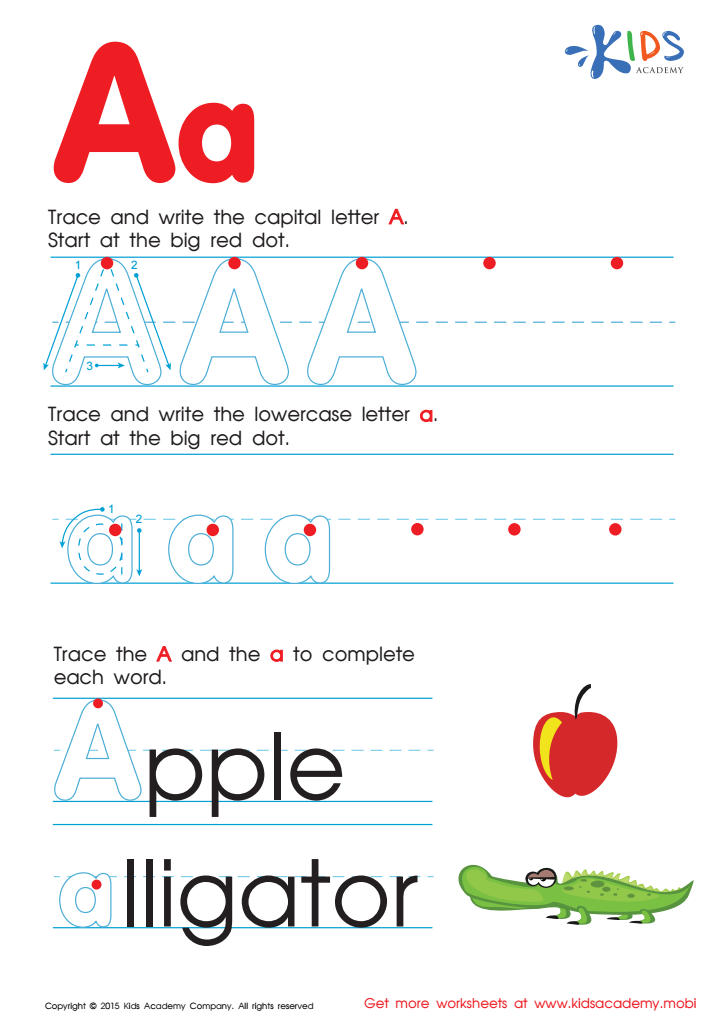
Letter A Tracing Page





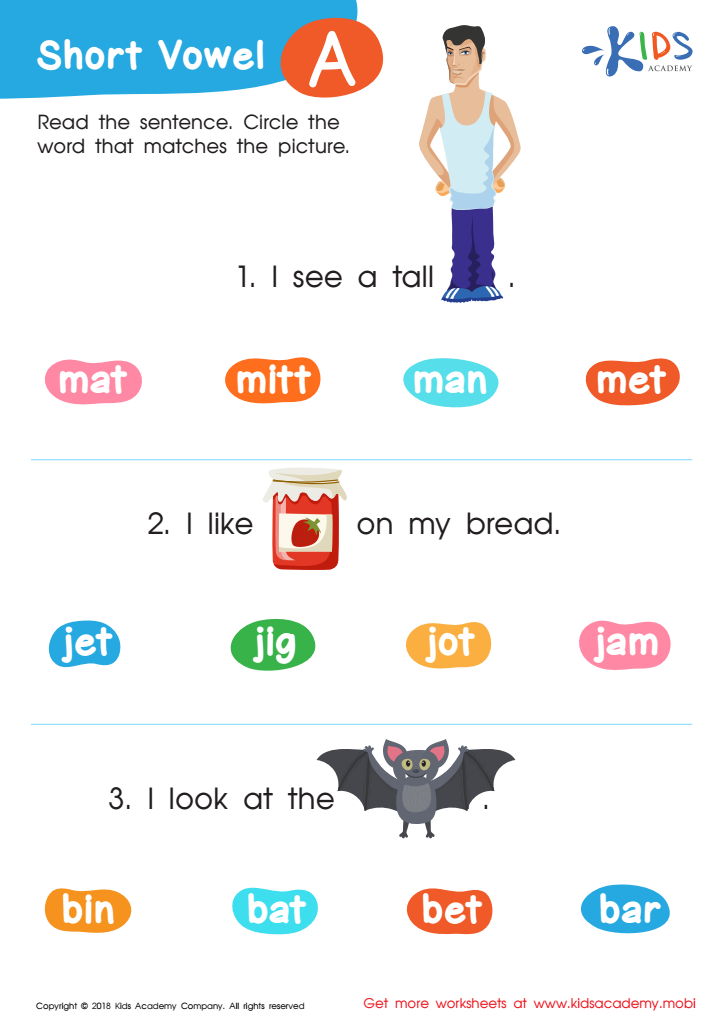
Short Vowel /a/ Worksheet
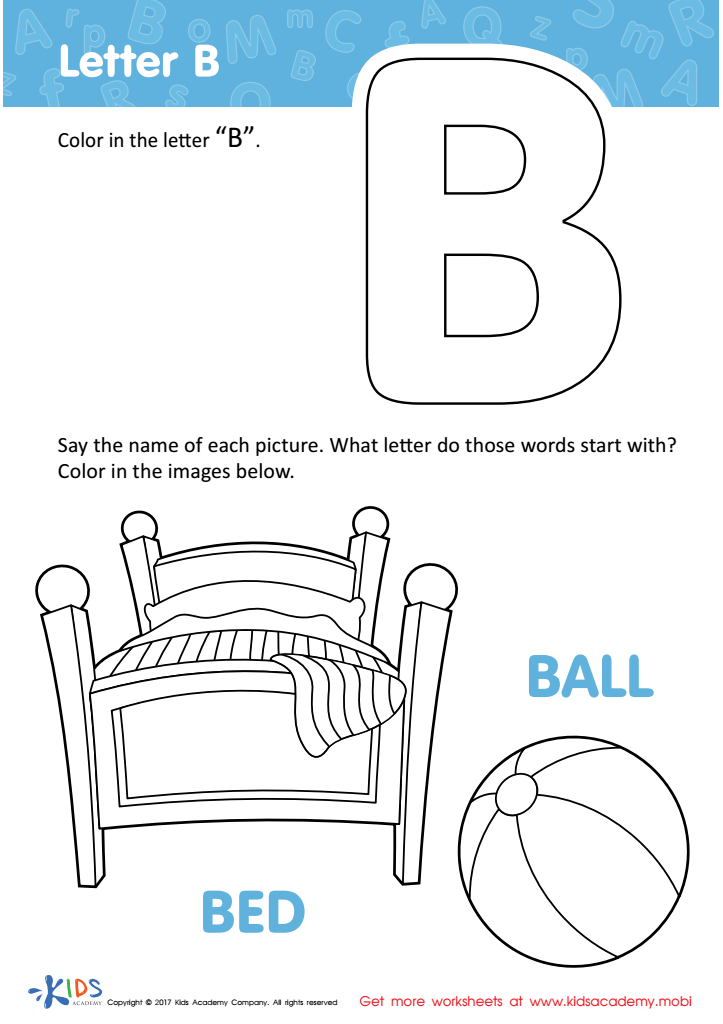
Letter B Coloring Sheet
 Assign to My Students
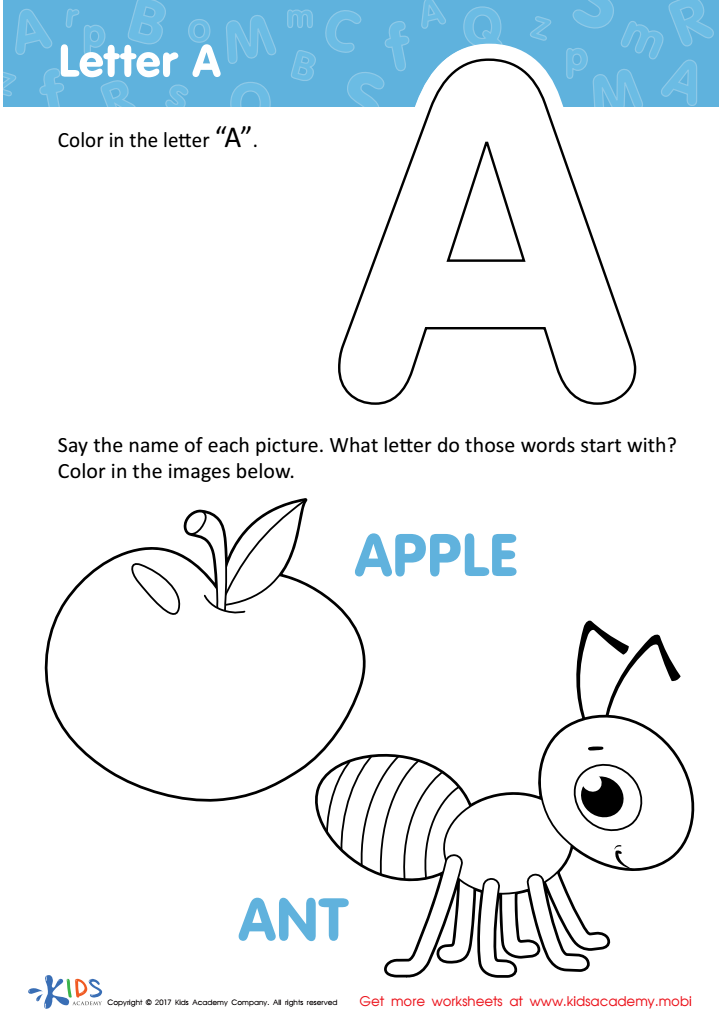
Letter A Coloring Sheet
Assign to My Students

Letter H Tracing Page
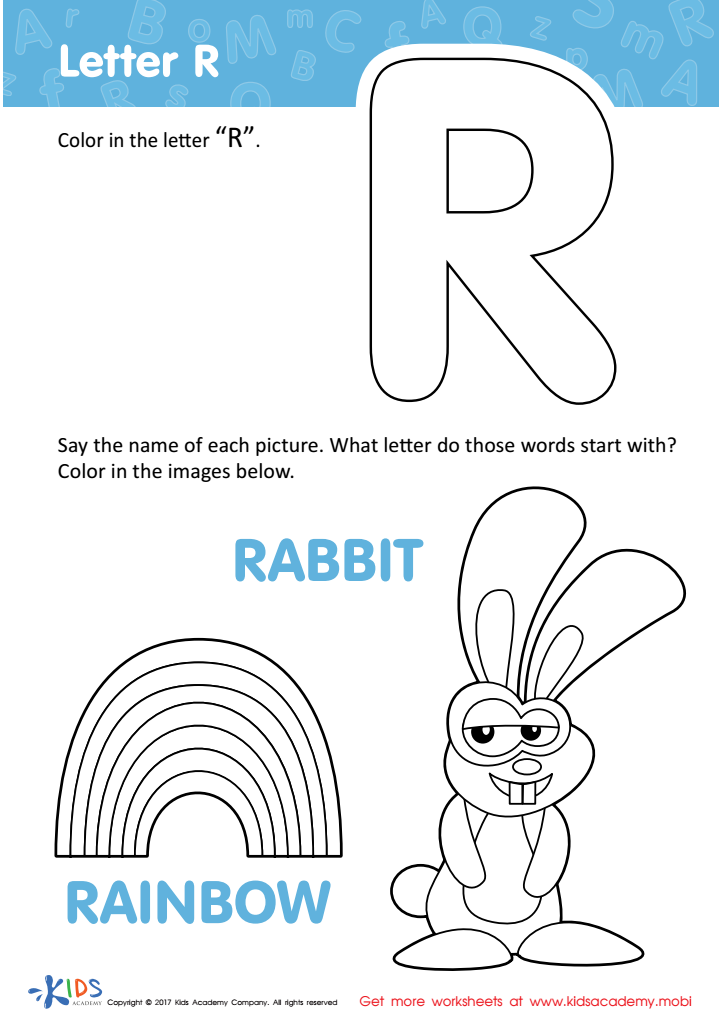
Letter R Coloring Sheet
Assign to My Students
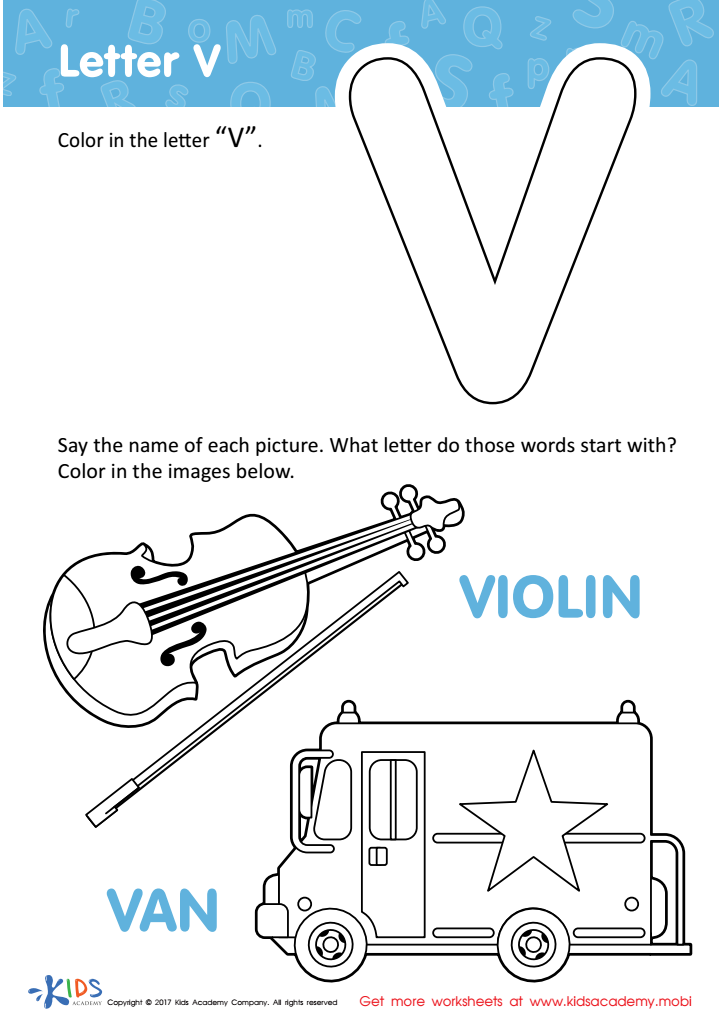
Letter V Coloring Sheet
Assign to My Students
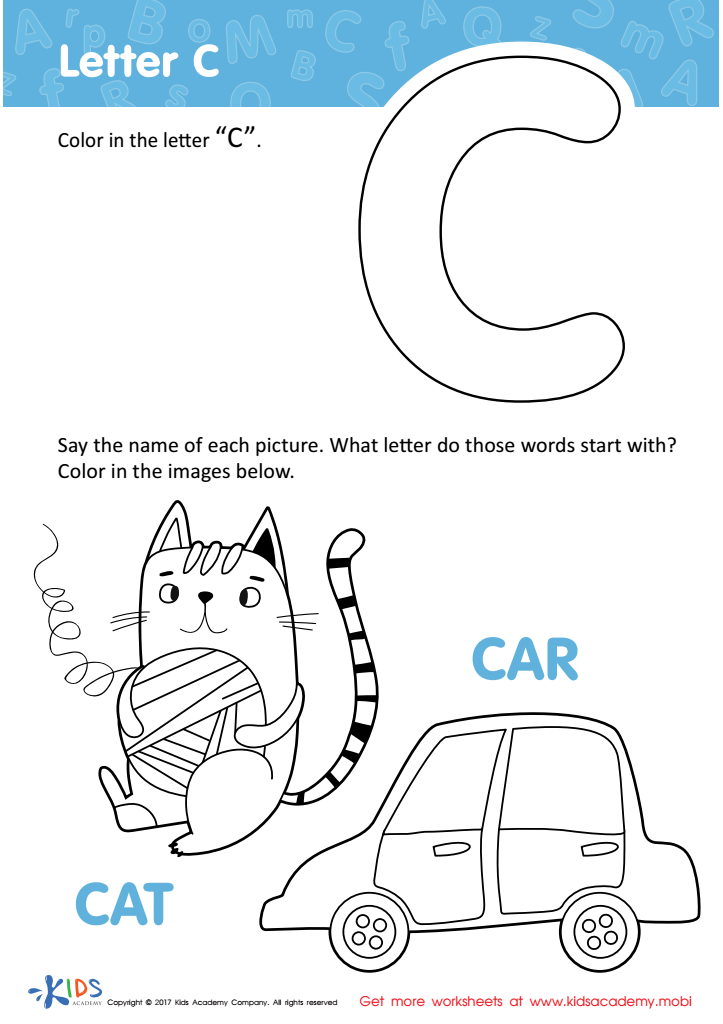
Letter C Coloring Sheet
Assign to My Students
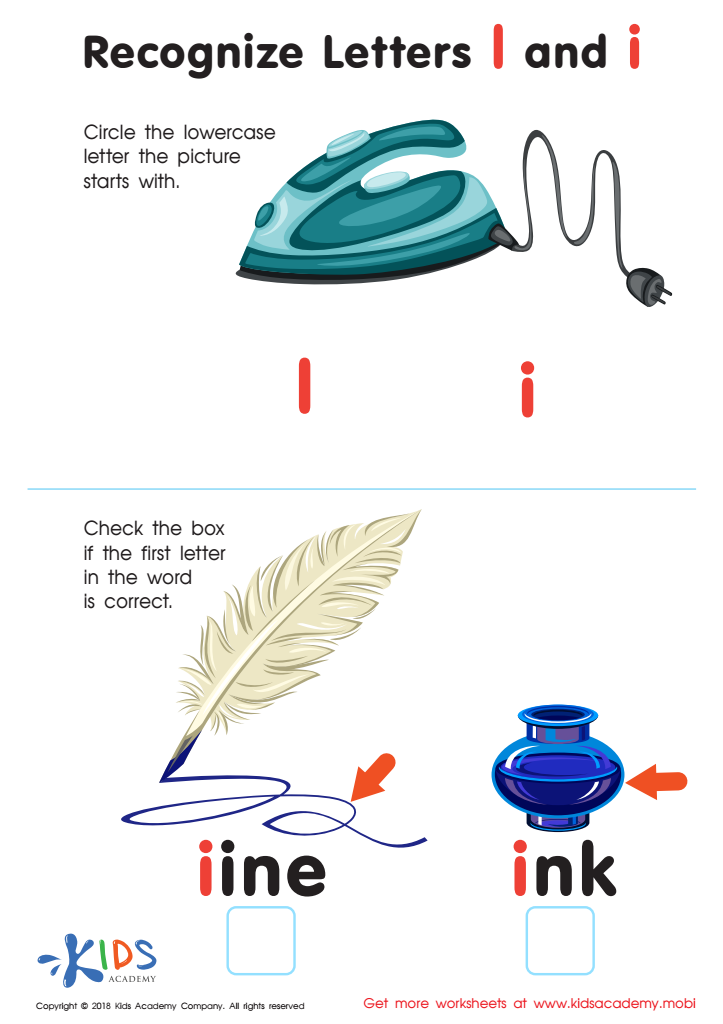
Recognize Letters l and i Worksheet
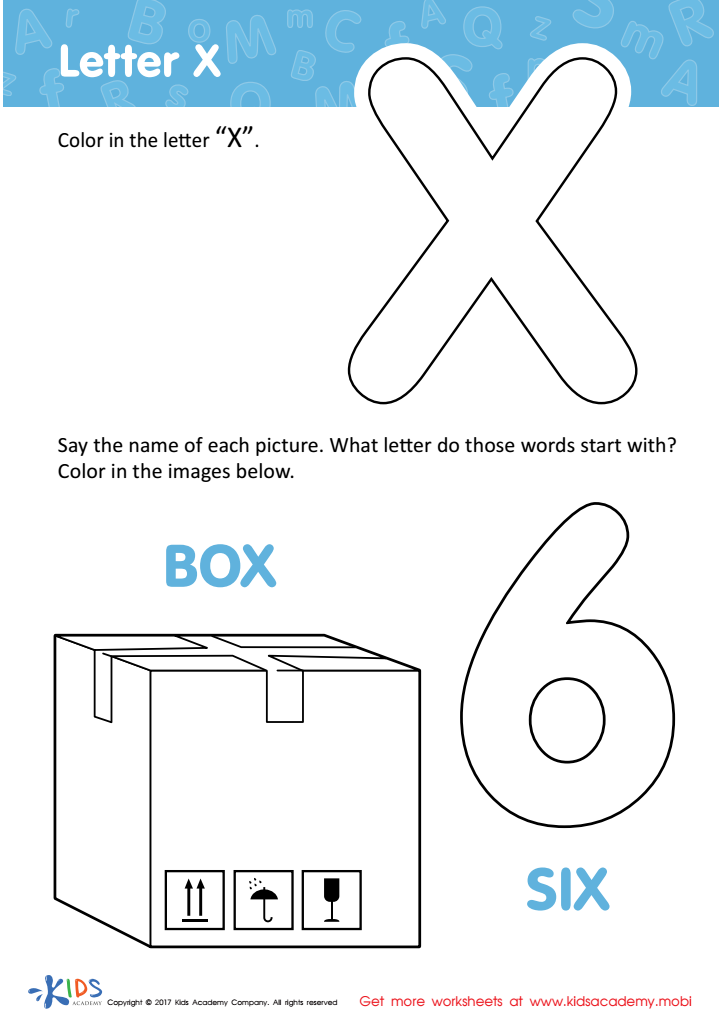
Letter X Coloring Sheet
Assign to My Students






Writing practice, particularly focused on ABC letters for ages 6-8, is crucial for several reasons. At this developmental stage, children are honing their motor skills, and practicing writing letters helps them develop fine motor control and hand-eye coordination. Mastering the alphabet is foundational for their future reading and writing abilities. Recognizing and writing letters is linked to phonemic awareness, a vital skill that supports the understanding of sound-letter relationships, essential for decoding words as they progress in literacy.
Moreover, writing encourages self-expression. Encouraging students to form letters promotes creativity and cognitive development, as they learn to connect letters to sounds and meanings, contributing to their ability to formulate ideas and communicate effectively.
Additionally, writing practice instills discipline and perseverance; mastering letter formation takes time and effort, helping children build confidence in their skills. Parents and teachers play a pivotal role in providing supportive environments where children can practice and celebrate their progress. Ultimately, fostering proficient letter-writing skills now can lead to greater literacy and academic success, laying a strong foundation for lifelong learning. Thus, active involvement in writing practice sparks curiosity and enthusiasm for learning, making it an invaluable component of early education.







