Phonics practice Consonants Worksheets for Ages 6-8
5 filtered results
-
From - To
Enhance your child’s reading skills with our engaging Phonics Practice Consonants Worksheets designed for ages 6-8. These worksheets provide a fun and interactive way for young learners to familiarize themselves with consonant sounds, helping to build a solid foundation in phonics. Each worksheet features exciting activities, including tracing, matching, and blending exercises that promote letter recognition and pronunciation. Tailored to align with grade-level standards, our resources cater to varied learning styles, making phonics practice enjoyable and effective. Explore our collection today to boost your child’s confidence and skill in reading, setting them up for academic success!
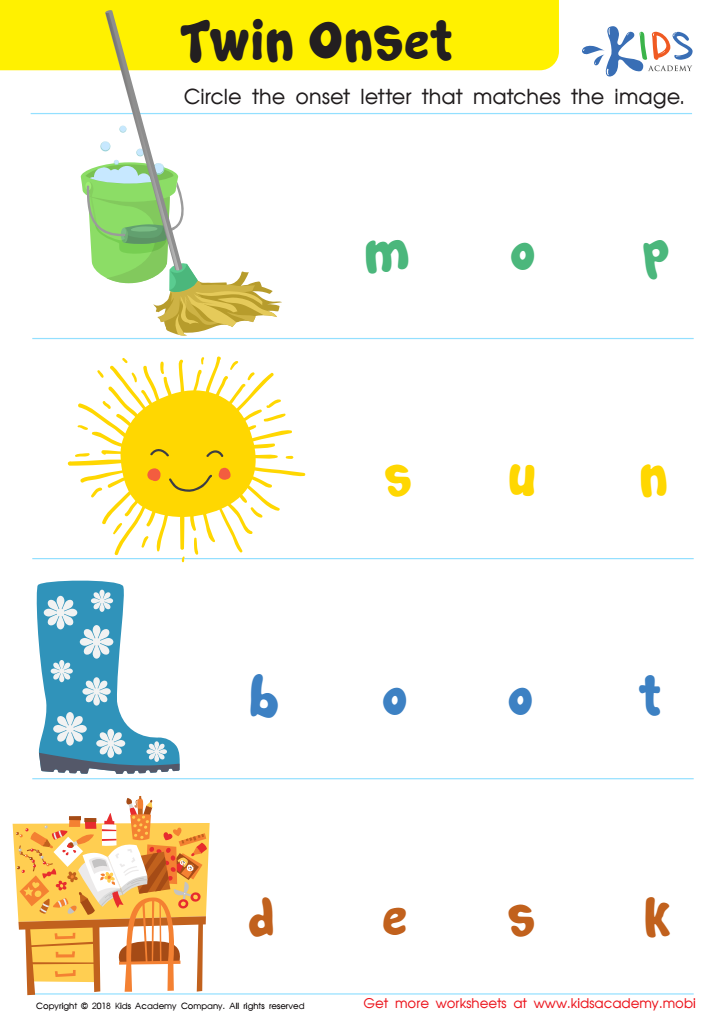
Twin Onset Worksheet
 Assign to My Students
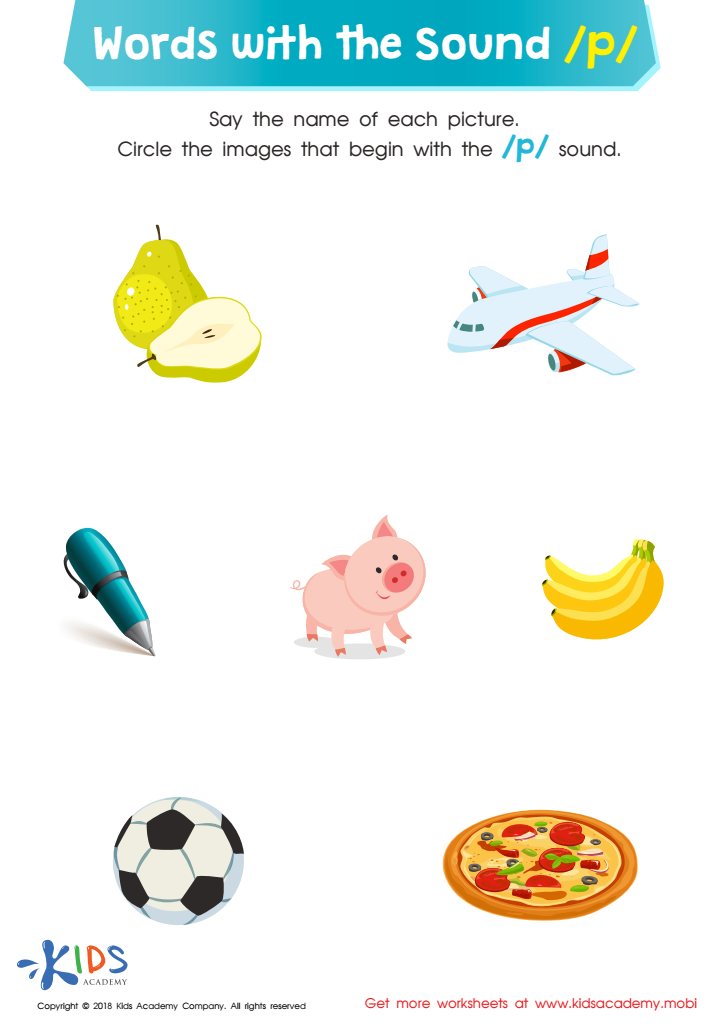
Words with sound p Reading Worksheet
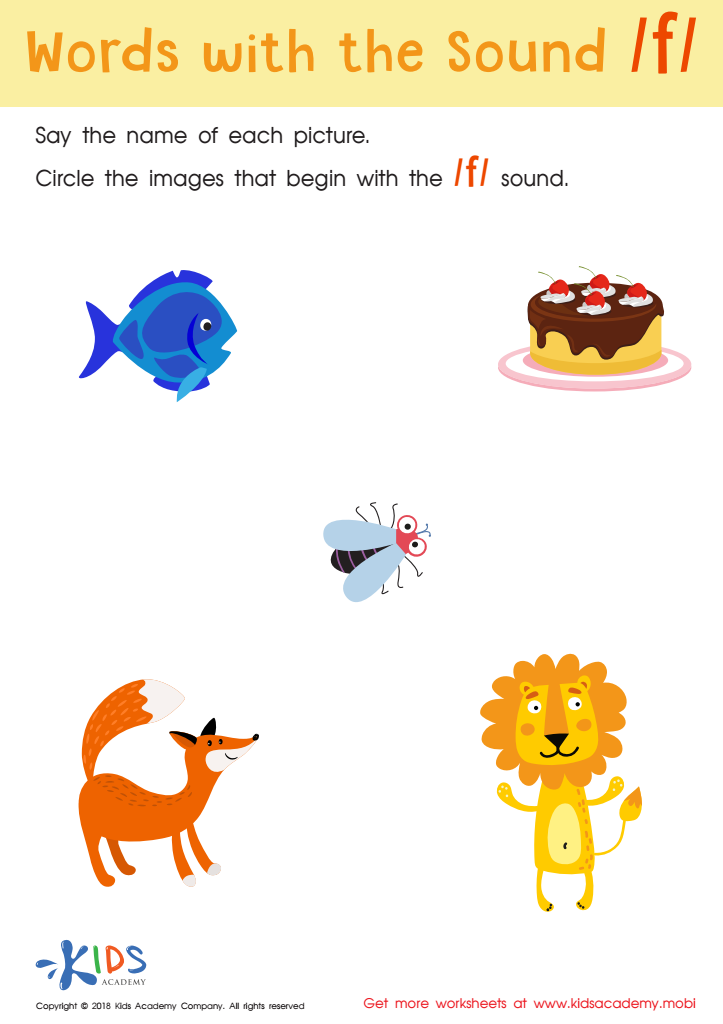
Words with sound f Reading Worksheet
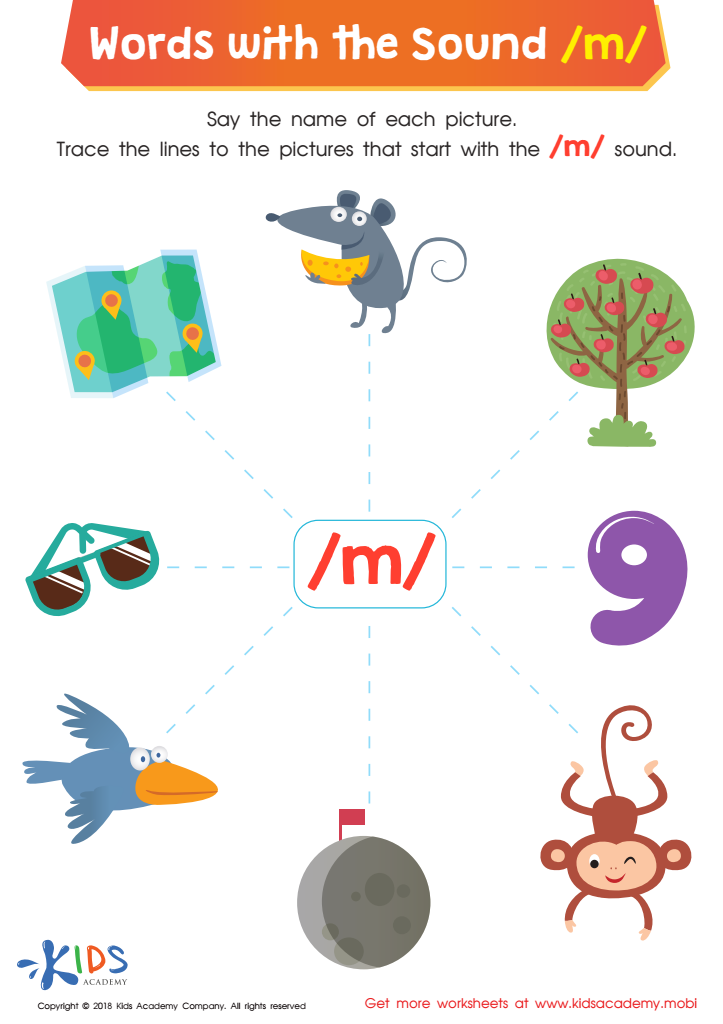
Words with Sound M Reading Worksheet
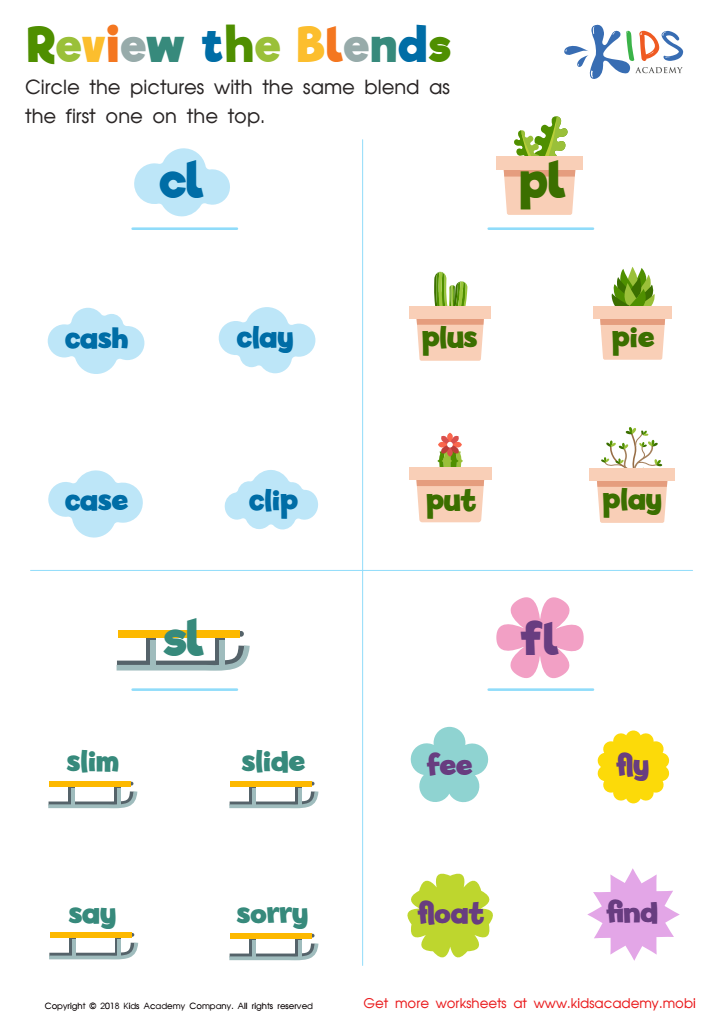
Review the Blends Worksheet



Phonics practice, particularly focusing on consonants, is crucial for children aged 6-8 as they develop their reading and writing skills. At this age, children are transitioning from learning to read to reading to learn. Understanding consonant sounds helps them decode words, enhancing their reading fluency and comprehension.
Phonics lays the foundation for literacy; by mastering consonants, children can better understand how words are formed and how different sounds correspond to letters. This knowledge is essential for spelling, as it teaches them to recognize patterns and rules within the English language.
Moreover, consistent practice with consonants supports vocabulary development and promotes confidence. Children who struggle with phonics may face challenges in school, which can lead to frustration and a negative attitude toward reading. Engaging with phonics through fun activities enriches their learning and makes literacy enjoyable.
Ultimately, when parents and teachers prioritize phonics practice, they equip children with the tools they need to succeed academically and foster a lifelong love of reading. Investing time in consonant practice sets the stage for improved literacy outcomes, encouraging children to confidently navigate their educational journey.







