Color Identification Alphabet Worksheets for Ages 6-8
5 filtered results
-
From - To
Discover engaging Color Identification Alphabet Worksheets designed for children ages 6-8! These interactive resources help young learners master both color recognition and letter identification, crafting a fun, educational experience. Each worksheet is filled with vibrant illustrations and playful activities that keep kids motivated while developing their visual and cognitive skills. Ideal for home or classroom settings, our printable worksheets encourage creative learning and interaction. Give your child a head start in literacy by boosting their understanding of colors and letters together. Explore our collection today and inspire a love of learning through colorful play! Perfect for early grade educators and parents alike!

Baa Baa Black Sheep Printable
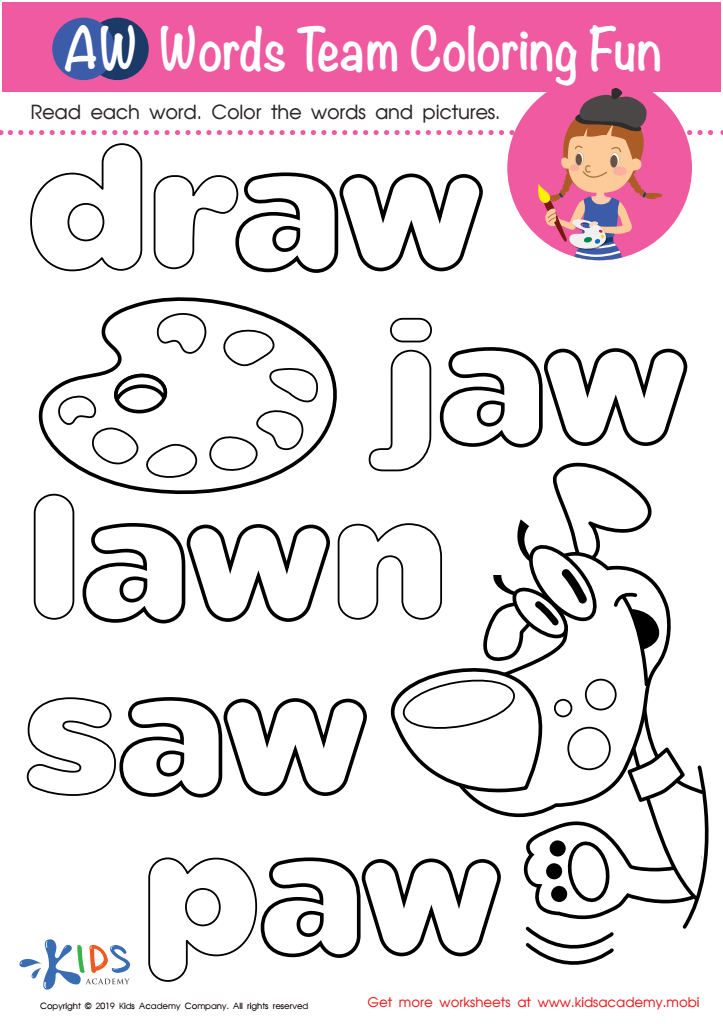
AW Words Team Coloring Fun Worksheet
 Assign to My Students
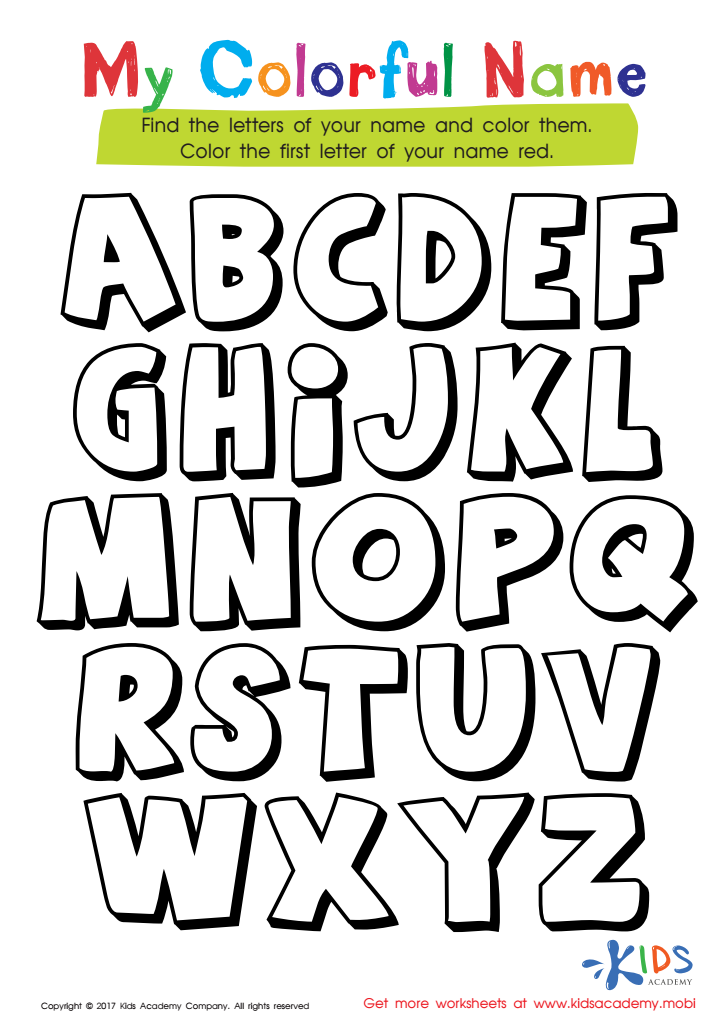
My Colorful Name Worksheet
Assign to My Students
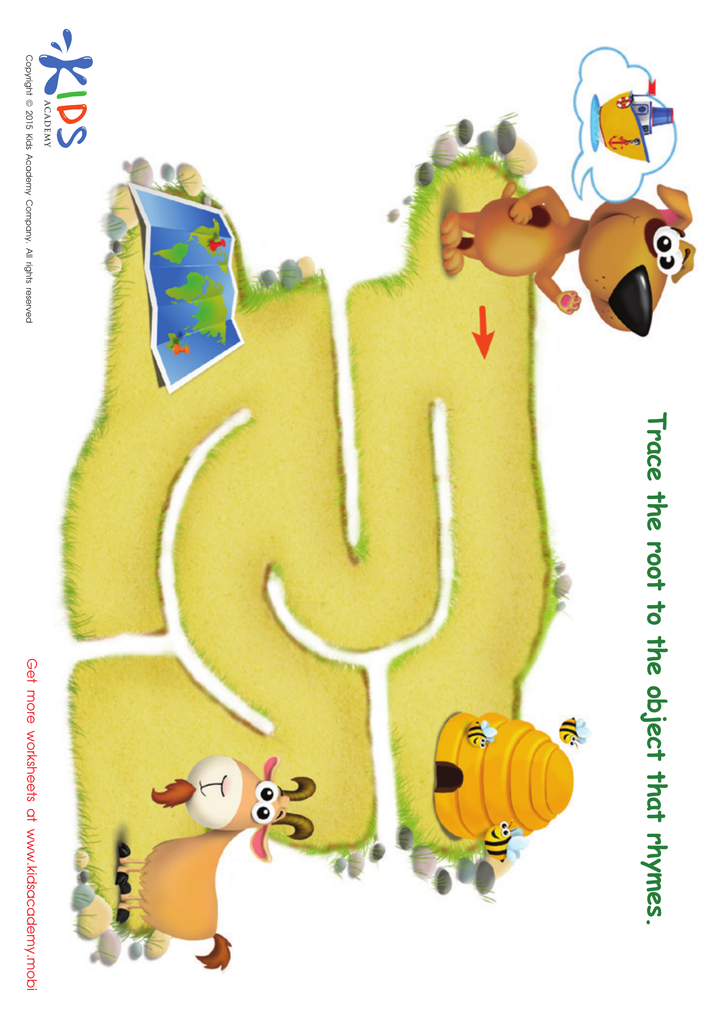
Boat Rhyming Words Worksheet
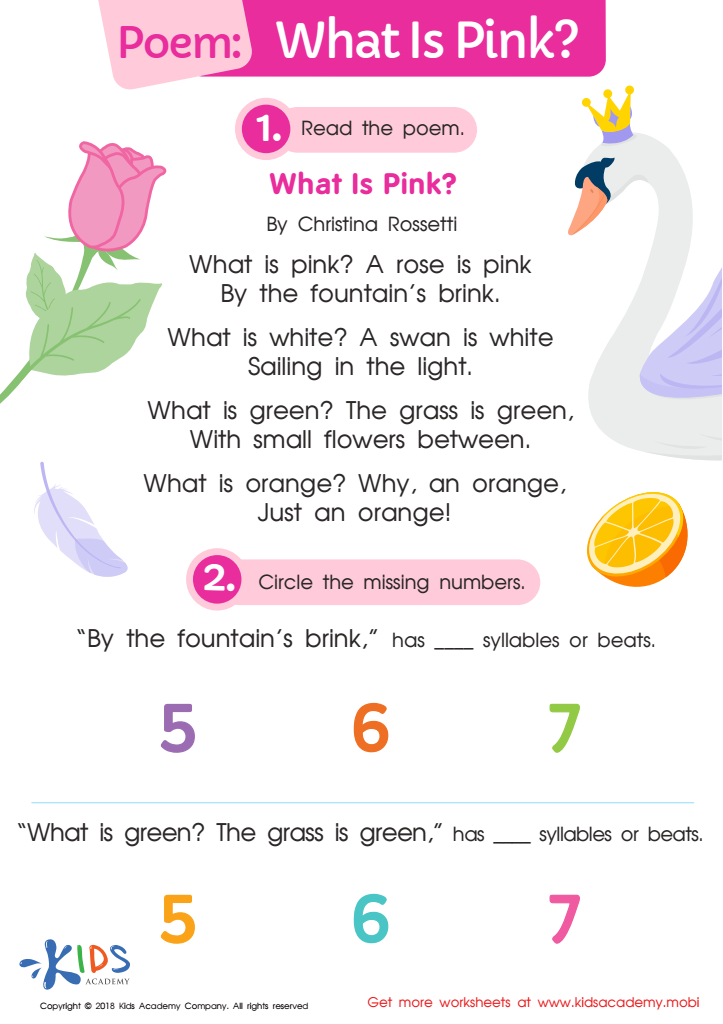
Poem: What Is Pink? Worksheet








Color identification is a fundamental aspect of early childhood education, particularly for children aged 6-8 years. During this developmental stage, children are honing their cognitive and sensory skills, making it vital for parents and teachers to prioritize color identification. Engaging with colors is not only about recognizing them but understanding their significance in the world around us.
Learning colors enhances a child’s observational skills, creativity, and vocabulary. When children identify colors, they begin to categorize and differentiate objects, which is pivotal for critical thinking. Furthermore, mastery of color identification supports early literacy, as many books and educational materials rely on colorful illustrations to captivate young learners and convey concepts effectively.
Color identification also fosters emotional and social development. By learning to express preferences for certain colors, children can communicate their feelings and make choices, increasing their self-confidence. Participating in color-based activities encourages cooperation and teamwork in a classroom setting.
From a practical perspective, colors are integral in art, science, and everyday life. By focusing on color identification, parents and teachers establish a foundation for future learning and exploration, ensuring that children not only appreciate the visual world around them but also thrive academically and socially.







