
Phonics improvement Alphabet Worksheets for Ages 6-8
4 filtered results
Difficulty Level
Grade
Age
-
From - To
Subject
Activity
Standards
Enhance your child's reading skills with our engaging Phonics Improvement Alphabet Worksheets designed specifically for ages 6-8. These interactive resources help children strengthen their phonetic awareness through fun activities that focus on letter recognition, sound associations, and word formation. With vibrant illustrations and easy-to-understand instructions, these worksheets make learning enjoyable and effective. Perfect for both home and classroom use, they support early literacy development and encourage a lifelong love for reading. Equip your young learners with the tools they need to succeed in their reading journey with our meticulously crafted phonics worksheets. Explore the exciting world of phonics today!
Favorites
With answer key
Interactive
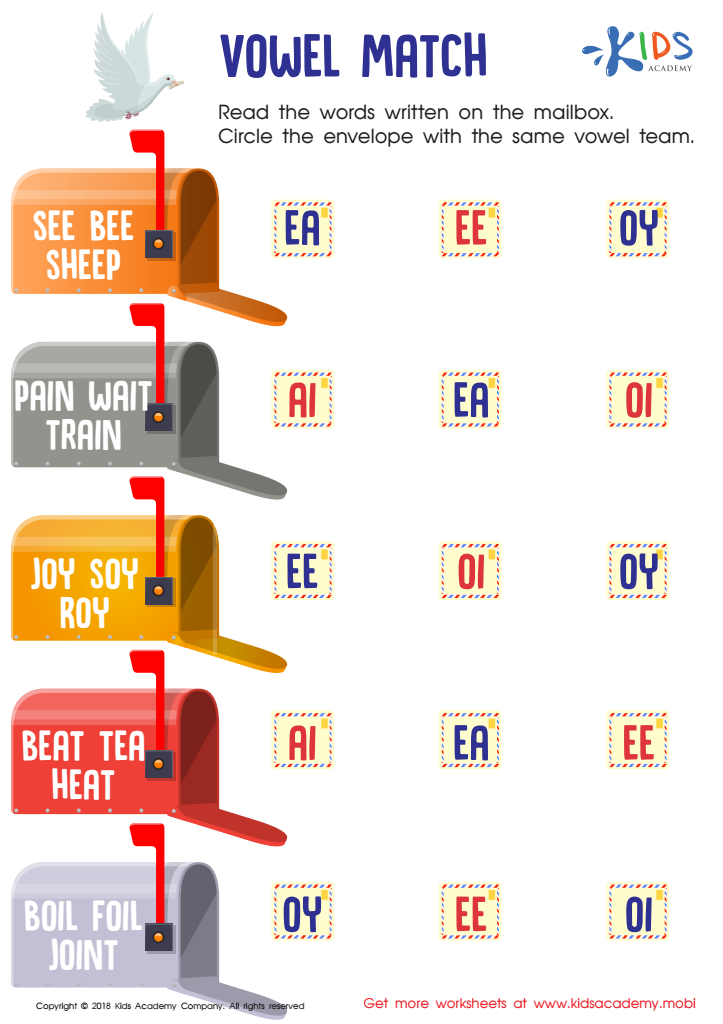
Vowel match Worksheet
Early readers can find vowel teams (digraphs) tricky. This simple worksheet helps kids match words with the right digraphs and learn to read! They'll practice reading words from different families, and linking the letters to their sounds. It's a fun way to get kids sending letters to the right addresses!
 Assign to My Students
Vowel match Worksheet
Worksheet
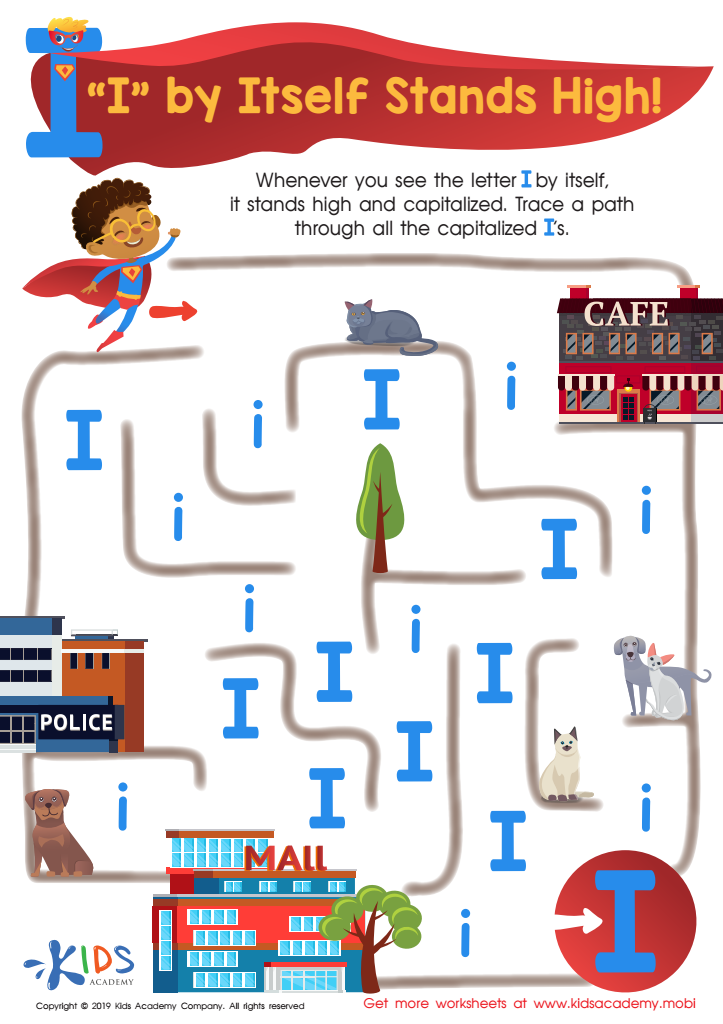
I Stands High Worksheet
Kids can use their imagination to help a superhero find the uppercase 'I's on the 'I By Itself Stands High' worksheet. This helps children learn capitalization, and they can join the superhero in flying over a city of cats, dogs and buildings to locate the needed letters.
I Stands High Worksheet
Worksheet
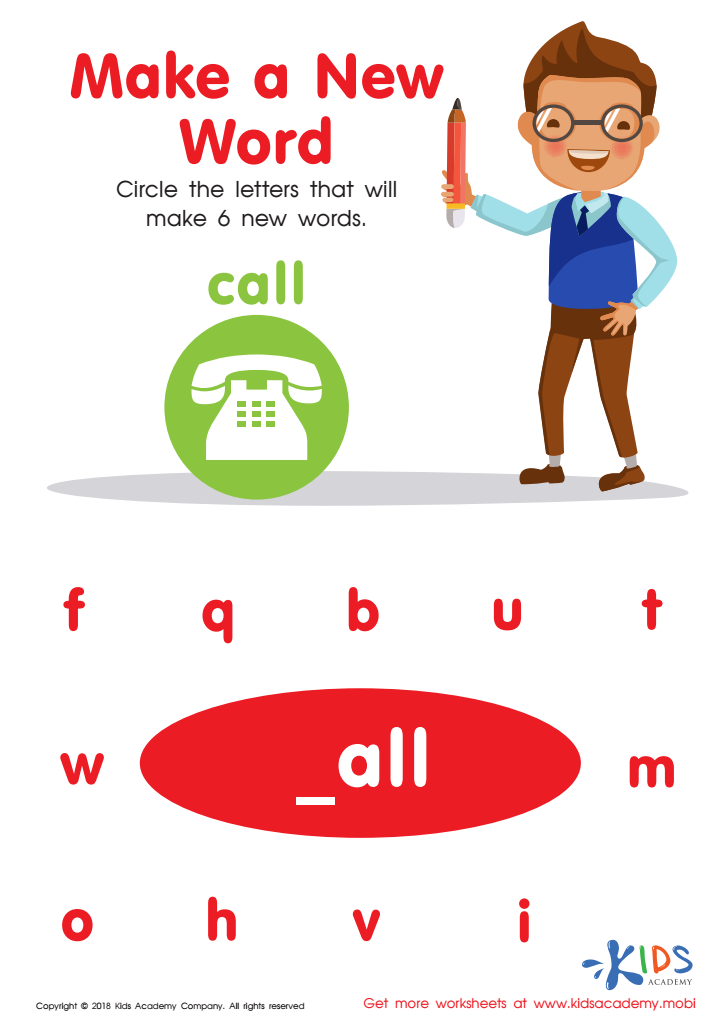
Make a New Word Worksheet
Young readers and writers can enhance their skills with this fun PDF worksheet. They'll trace letters to create new words and feel like super readers and writers after finding six words. They'll also practice building words with the "all" word family.
Make a New Word Worksheet
Worksheet
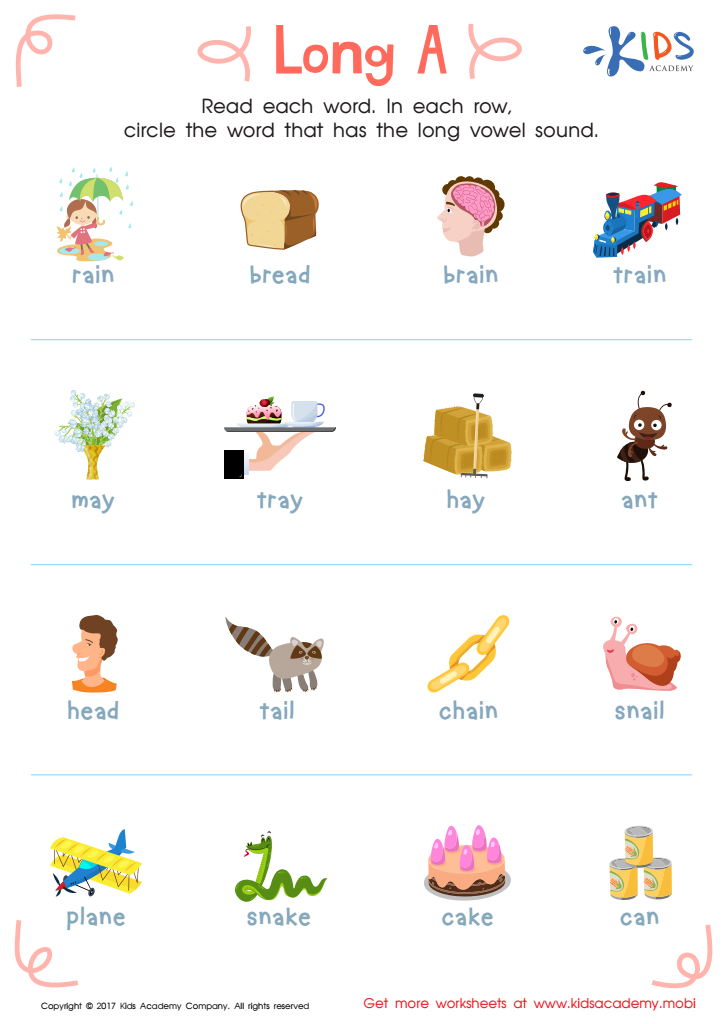
Join Kids Academy for Free
Who is primarily going to use this learning content?








Phonics is a critical component in early literacy development for children aged 6 to 8, a time when their foundational reading skills solidify. Parents and teachers should prioritize phonics improvement because it equips children with the tools to decode words, which is essential for reading fluency and comprehension. When children understand the relationship between letters and their sounds, they become more confident readers, which instills a love for books and learning.
Phonics instruction helps children tackle unfamiliar words, fostering independence in reading and reducing frustration. As literacy skills develop, children can engage with more complex texts, enhancing their vocabulary and comprehension skills essential for academic success in all subjects.
Moreover, improved phonics outcomes can have lasting effects. Early intervention can prevent the development of reading difficulties later in life, promoting better educational and career prospects. Engaging parents in phonics improvement, such as through shared reading activities or at-home phonics games, can create a supportive learning environment. In summary, focusing on phonics enhancement for young learners sets them on a positive trajectory for lifelong learning and achievement. Investing in phonics now is investing in children's futures, making it critical for educators and parents alike.







