Visual discrimination Alphabet Worksheets for Ages 6-8
5 filtered results
-
From - To
Discover our engaging Visual Discrimination Alphabet Worksheets tailored for children aged 6-8! These worksheets are designed to enhance kids' ability to distinguish between similar letters and improve their recognition skills. Each activity is thoughtfully crafted to rotate letters, increase visual awareness, and strengthen their foundational literacy abilities. Perfect for classroom use or at-home learning, these interactive worksheets make mastering the alphabet fun and challenging. As children progress through various exercises, they gain confidence in their reading and writing skills. Help your child develop essential visual discrimination tactics with our creative, age-appropriate worksheets, ensuring they are well-prepared for future academic success!
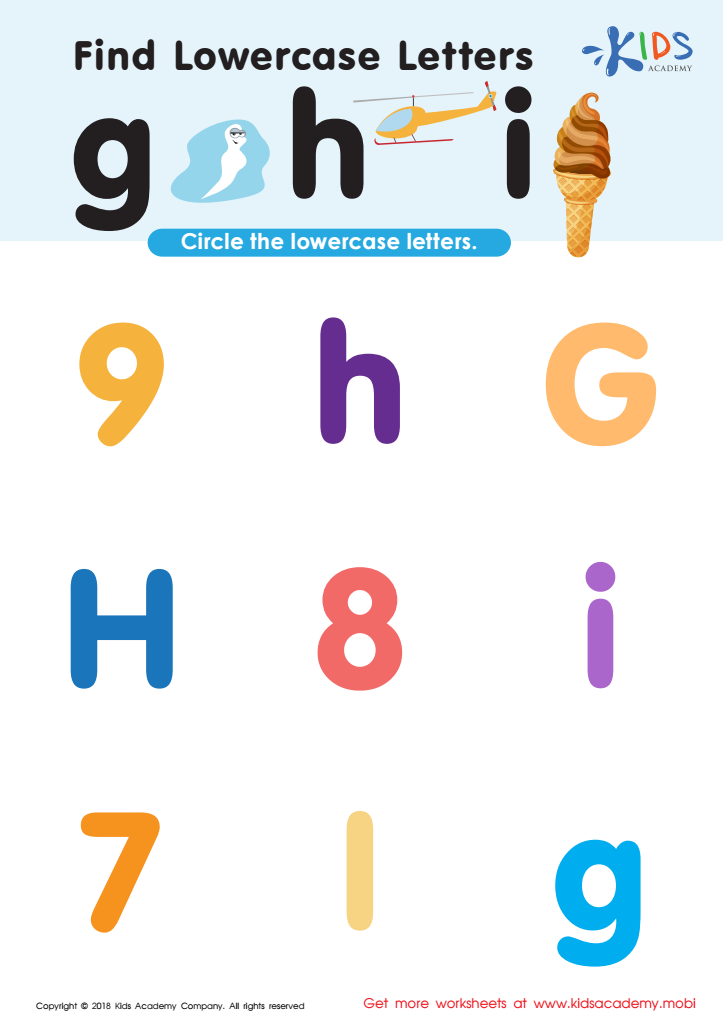
Find Lowercase Letters g h i Worksheet
 Assign to My Students
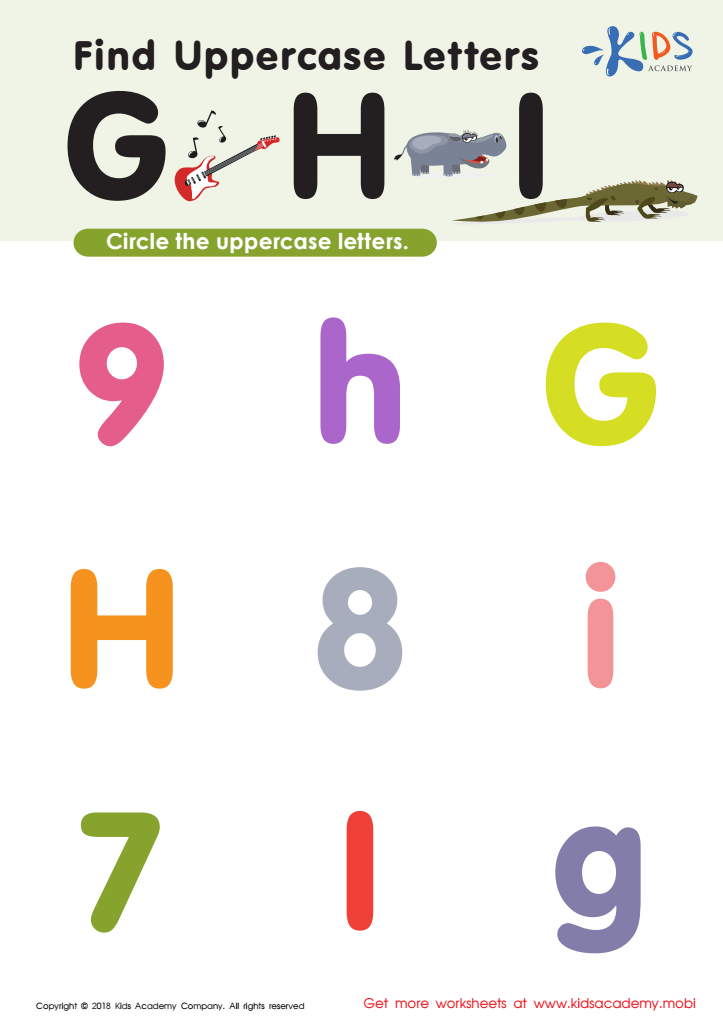
Find Uppercase Letters G, H, and I Worksheet
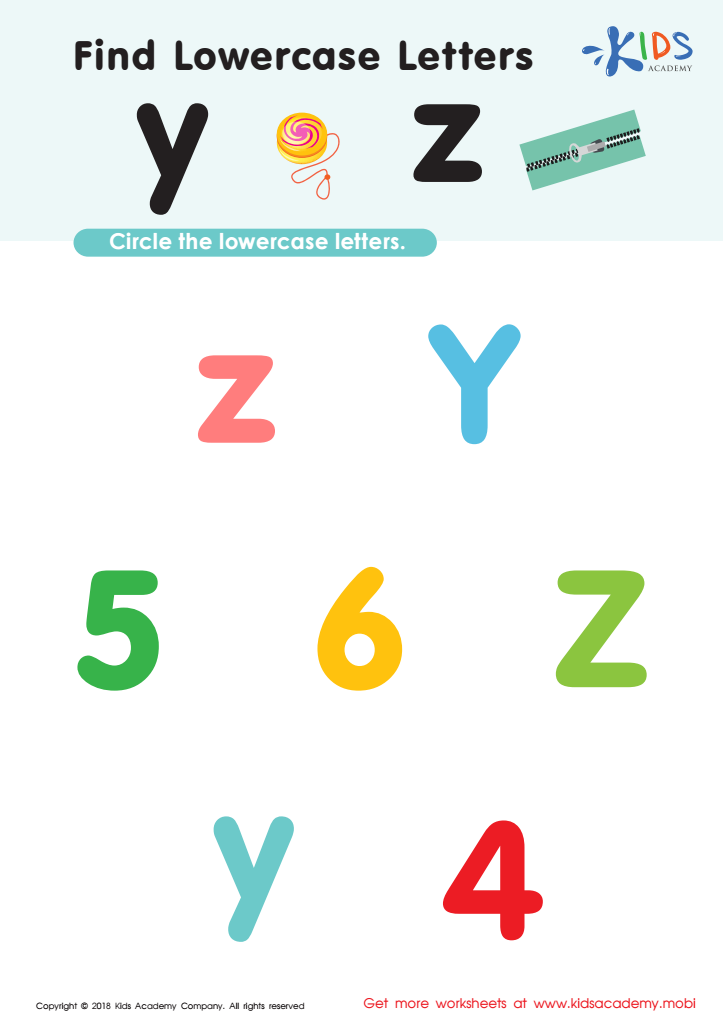
Find Lowercase Letters y z Worksheet
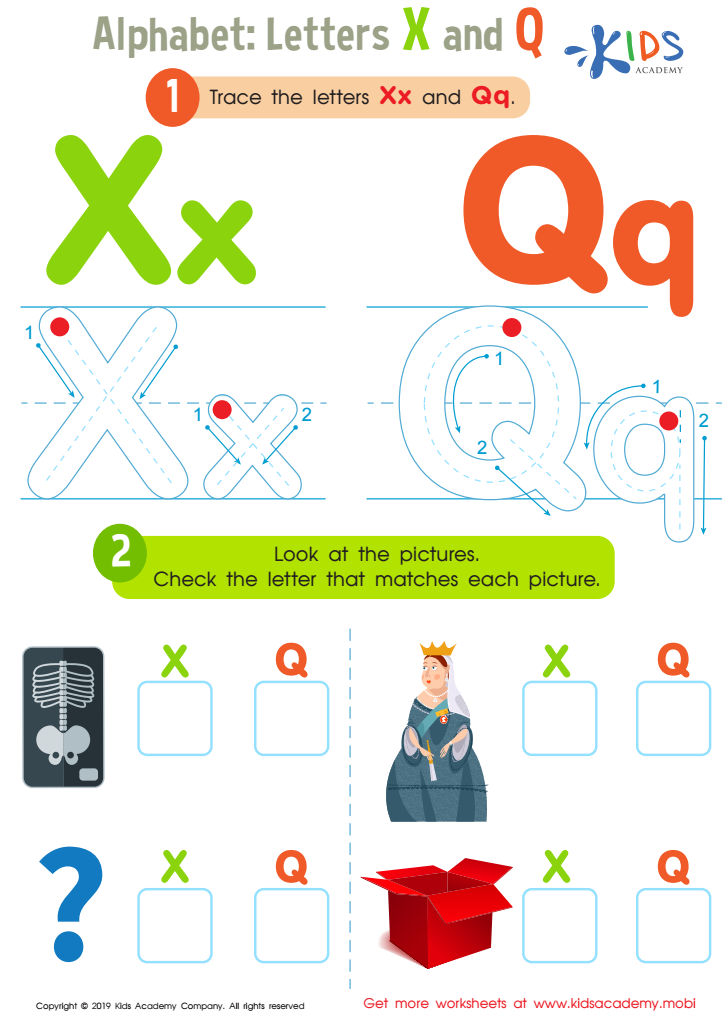
Letters X and Q Tracing Worksheet
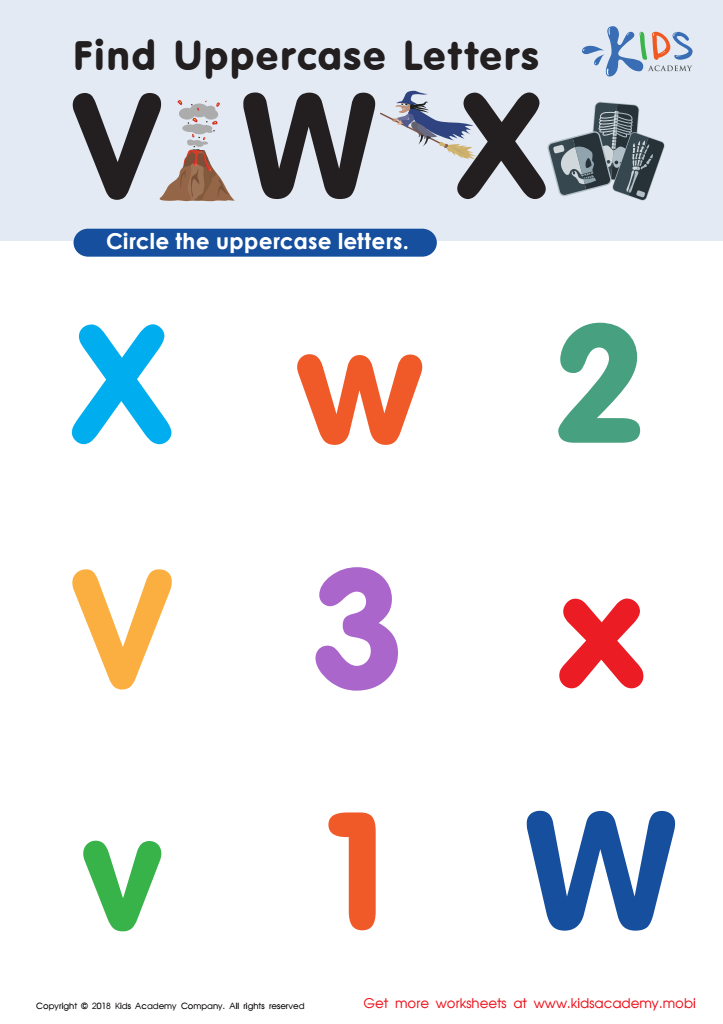
Find Uppercase Letters V, W, X Worksheet




Visual discrimination is a critical skill for children aged 6-8, particularly as they transition into more complex reading and writing activities. This ability helps kids distinguish between similar letters, shapes, and symbols, which is essential for reading fluency and comprehension. For example, recognizing the difference between "p" and "q" or "b" and "d" can significantly impact a child's ease in decoding words. If children struggle with visual discrimination, they may experience difficulties in learning to read and spell accurately, leading to frustration and decreased self-confidence.
Parents and teachers play pivotal roles in fostering this skill through various engaging activities such as matching games, puzzles, or specific exercises aimed at enhancing letter recognition. By nurturing visual discrimination, they enable children to develop stronger literacy foundations, aiding their overall academic success. Furthermore, strong visual discrimination skills can enhance students' performance in other areas, such as math and art, where distinguishing shapes and patterns is crucial.
Ultimately, investing time in developing these skills can lead to improved educational outcomes and a positive attitude towards learning, equipping children with the tools they need for lifelong success. Petting attention to visual discrimination during these formative years is essential for cultivating proficient readers and writers.







