Motor skills development Letter Recognition Worksheets for Ages 6-8
5 filtered results
-
From - To
Boost your child's learning journey with our expertly designed Motor Skills Development Letter Recognition Worksheets for ages 6-8. These engaging activities are crafted to enhance fine motor skills while solidifying fundamental letter recognition abilities. Perfect for home or classroom use, our worksheets incorporate tracing, coloring, and writing exercises that reinforce hand-eye coordination and precision. With vibrant, kid-friendly designs, learning becomes an enjoyable experience, helping young learners confidently master the alphabet. Ideal for both parents and educators, our worksheets offer a fun and effective way to support your child's educational growth and motor skill development. Download today and see the progress unfold!

Letter H Tracing Page
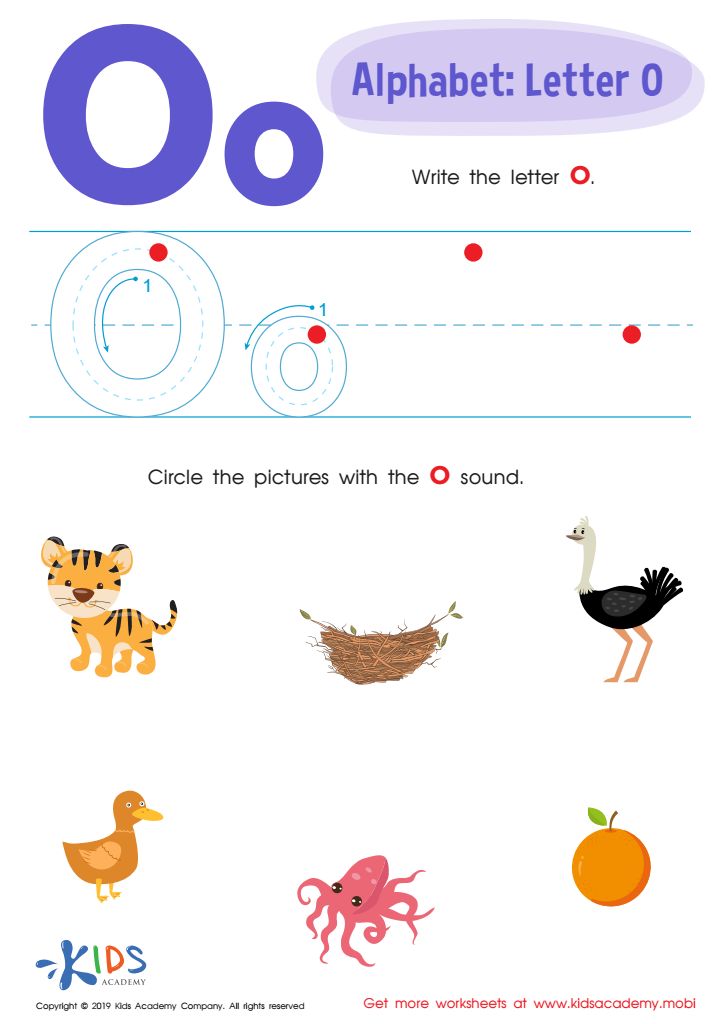
Letter O Tracing Worksheet
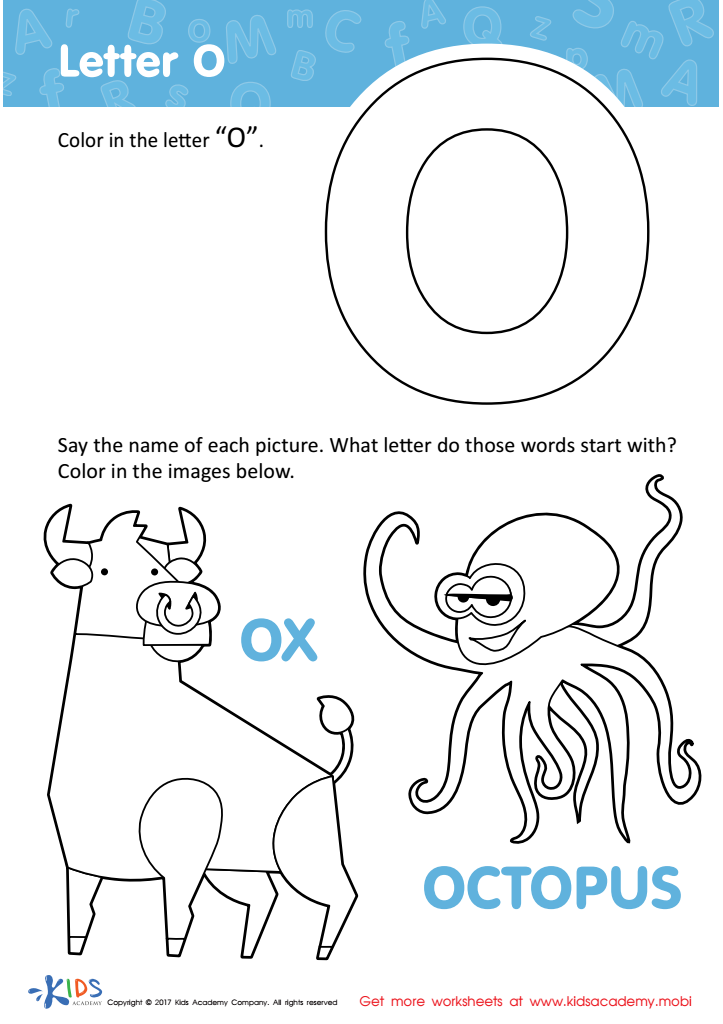
Letter O Coloring Sheet
 Assign to My Students
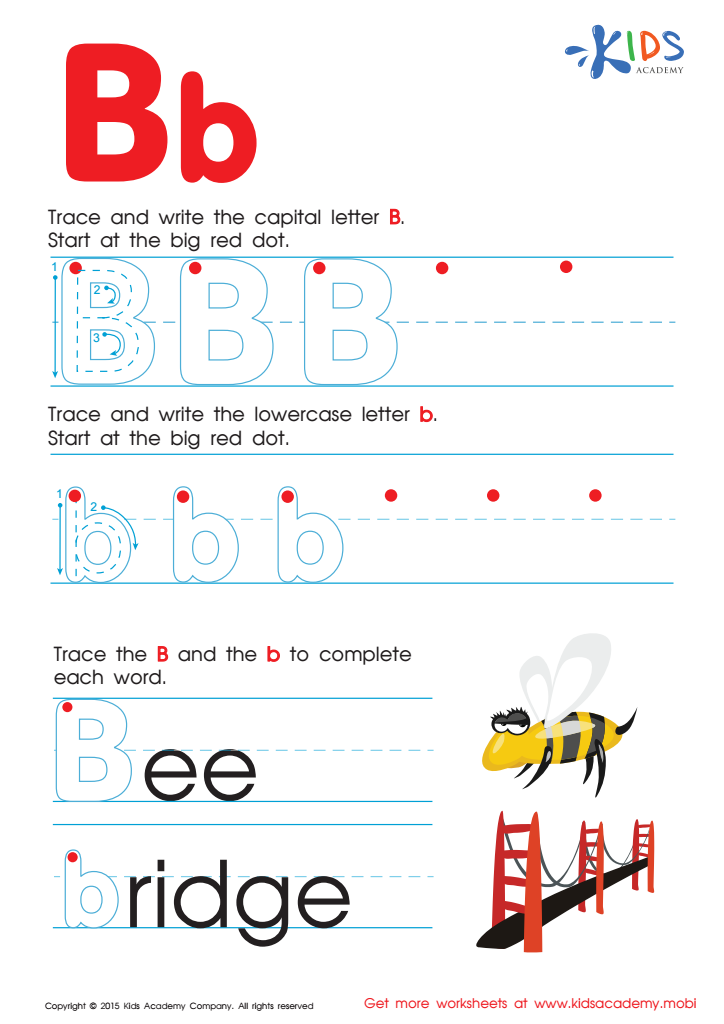
Letter B Tracing Page
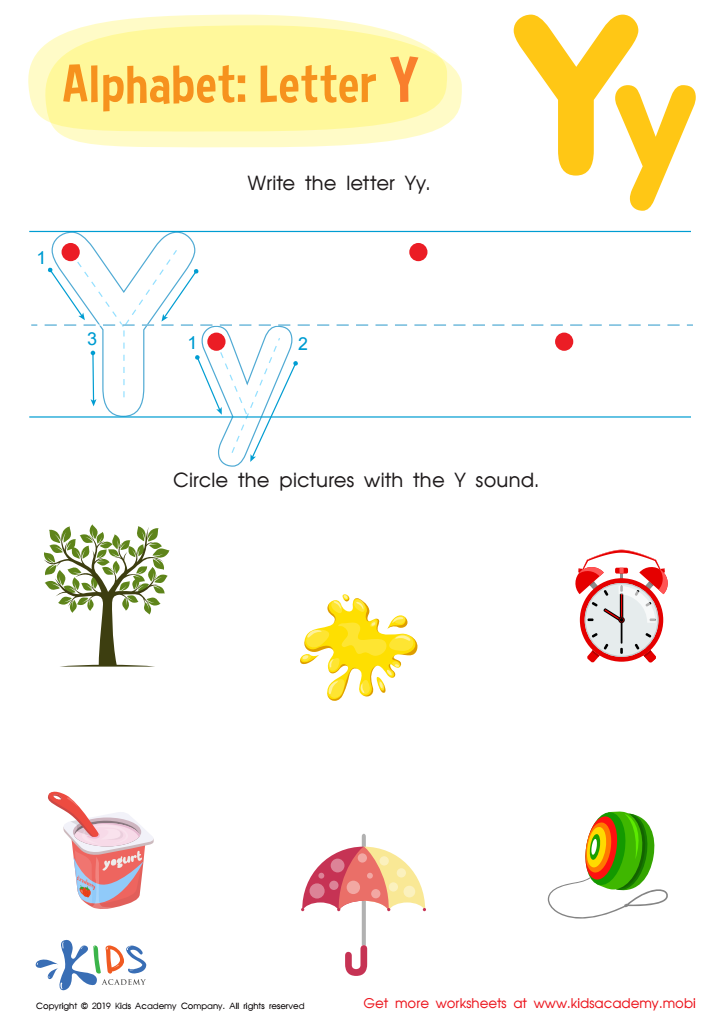
Letter Y Tracing Worksheet








Motor skills development and letter recognition are fundamental aspects of a child’s early education, particularly for ages 6-8. Parents and teachers play a crucial role in fostering these skills, as they lay the groundwork for academic and life success.
Fine motor skills, the coordination of small muscles in movements usually involving the synchronization of hands and fingers, are essential for writing. Children at this age are beginning to write more frequently and for longer periods. Proficient fine motor skills facilitate better pencil grip and control, enabling neater and more accurate handwriting. Activities such as cutting with scissors, coloring, and playing with building blocks can enhance these skills.
Simultaneously, letter recognition is critical for reading and writing development. Recognizing letters easily helps children decode words, making the reading process much smoother and more enjoyable. Proficiency in letter recognition allows children to build a solid foundation for phonics, spelling, and overall literacy. This, in turn, contributes to their self-confidence in reading.
By paying attention to motor skills development and letter recognition, parents and teachers can ensure that children not only keep pace with educational milestones but also develop a positive attitude towards learning. Early intervention and consistent practice can make a significant difference, leading to improved academic performance and fine motor coordination.







