Phonics Skills Letter Recognition Worksheets for Ages 6-8
8 filtered results
-
From - To
Boost your child's reading journey with our "Phonics Skills Letter Recognition Worksheets" designed for ages 6-8. These engaging and educational worksheets help kids recognize letters and their corresponding sounds, enriching their phonics skills and building a strong foundation for reading fluency. Carefully created by educators, our printables combine fun activities with structured learning to make mastering the alphabet enjoyable. Ideal for classroom use or at-home practice, these worksheets ensure that your child progresses with confidence. Visit us at Kids Academy to access a variety of interactive and printable resources to help your child succeed in reading and beyond.
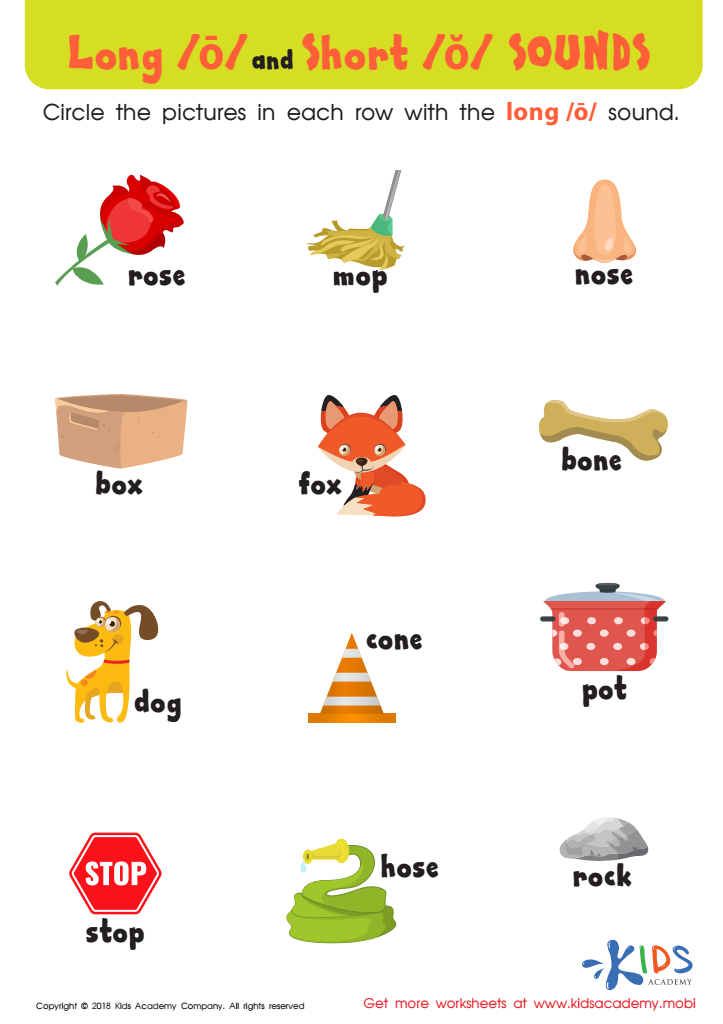
Reading: Long O and Short O Sounds Worksheet
 Assign to My Students
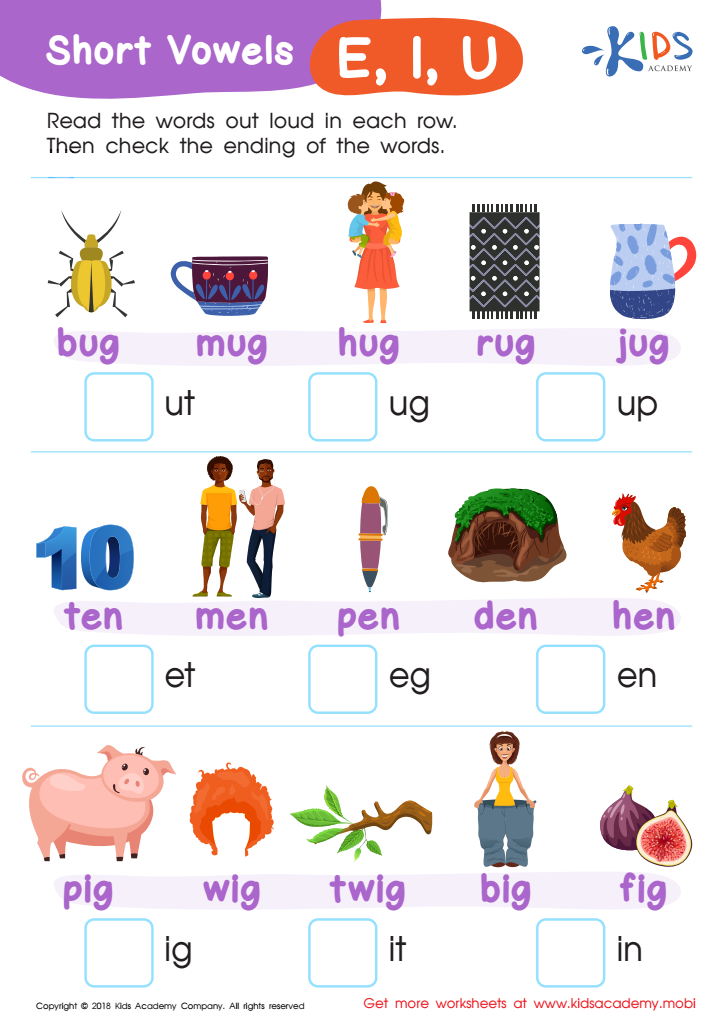
Short Vowels /e/, /i/, and /u/ Worksheet
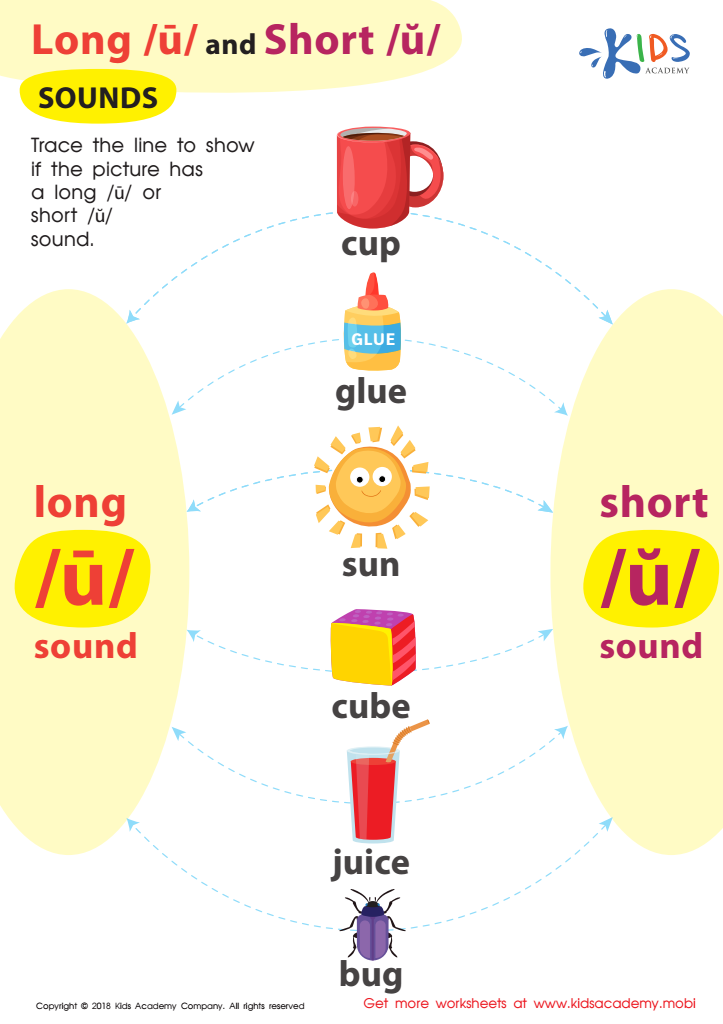
Reading: Long U and Short U Sounds Worksheet
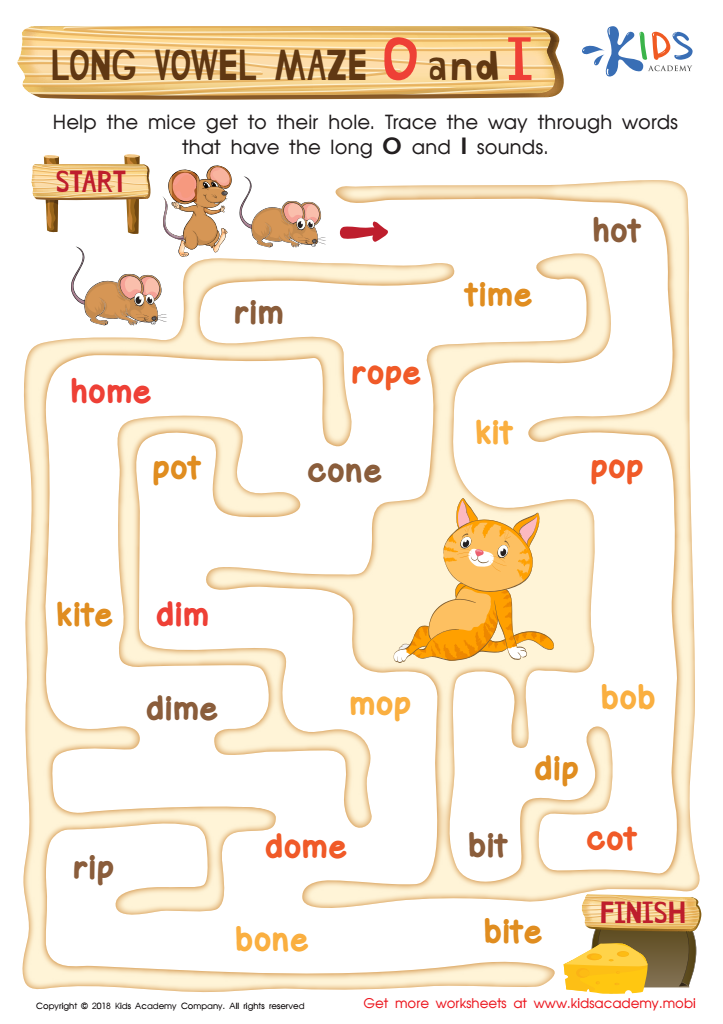
Long Vowel Maze /o/ and /i/ Worksheet
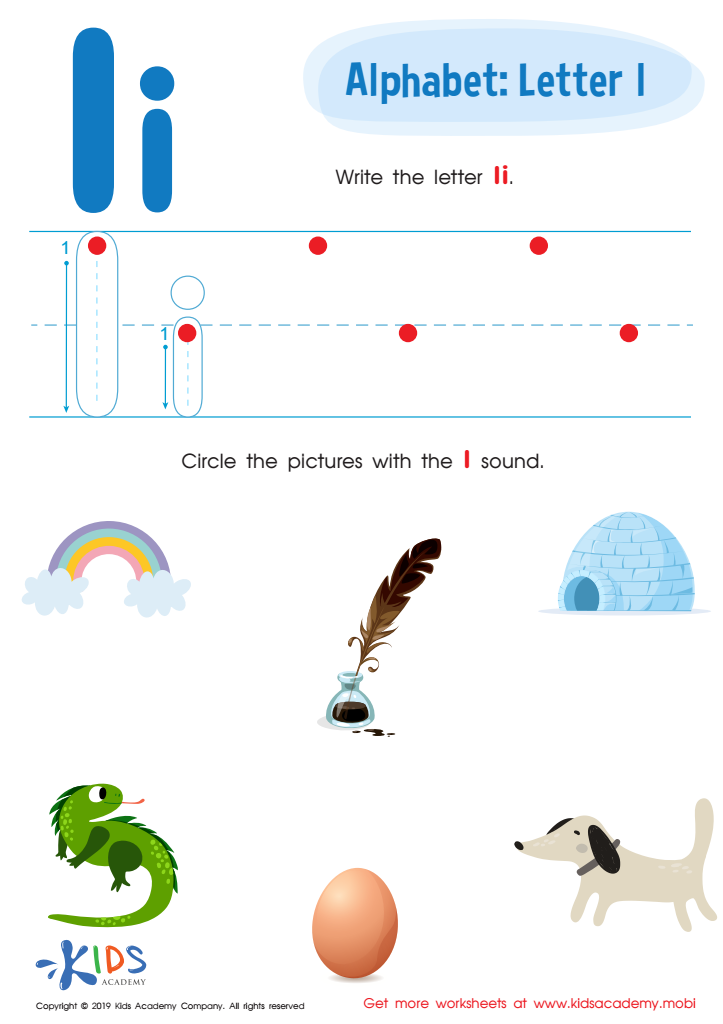
Letter I Tracing Worksheet
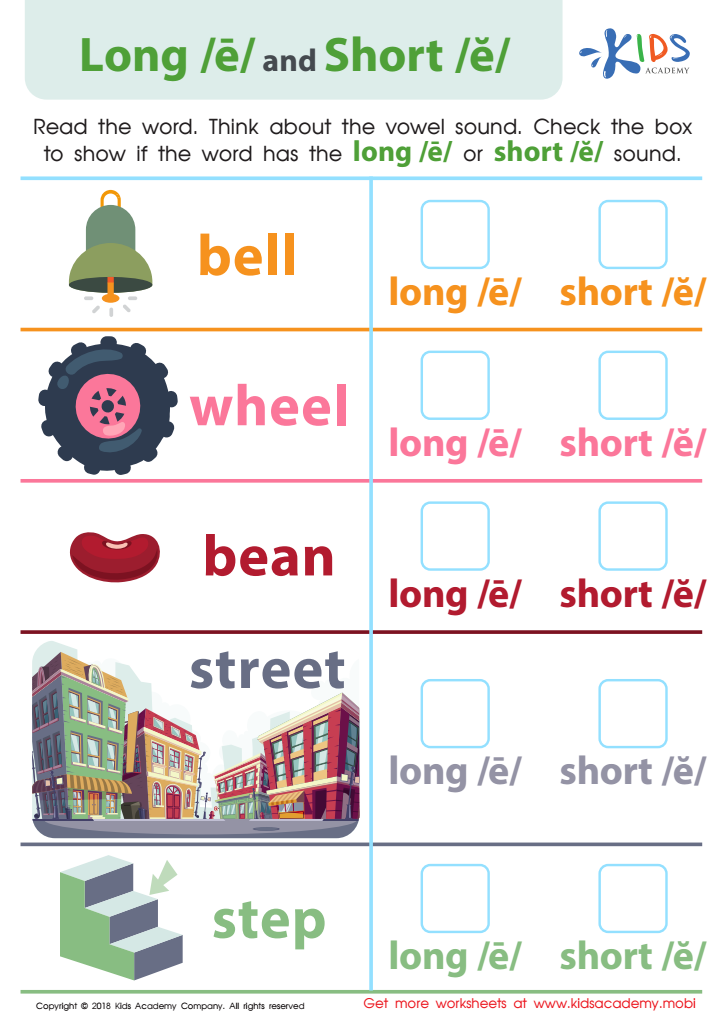
Reading: Long E and Short E Worksheet
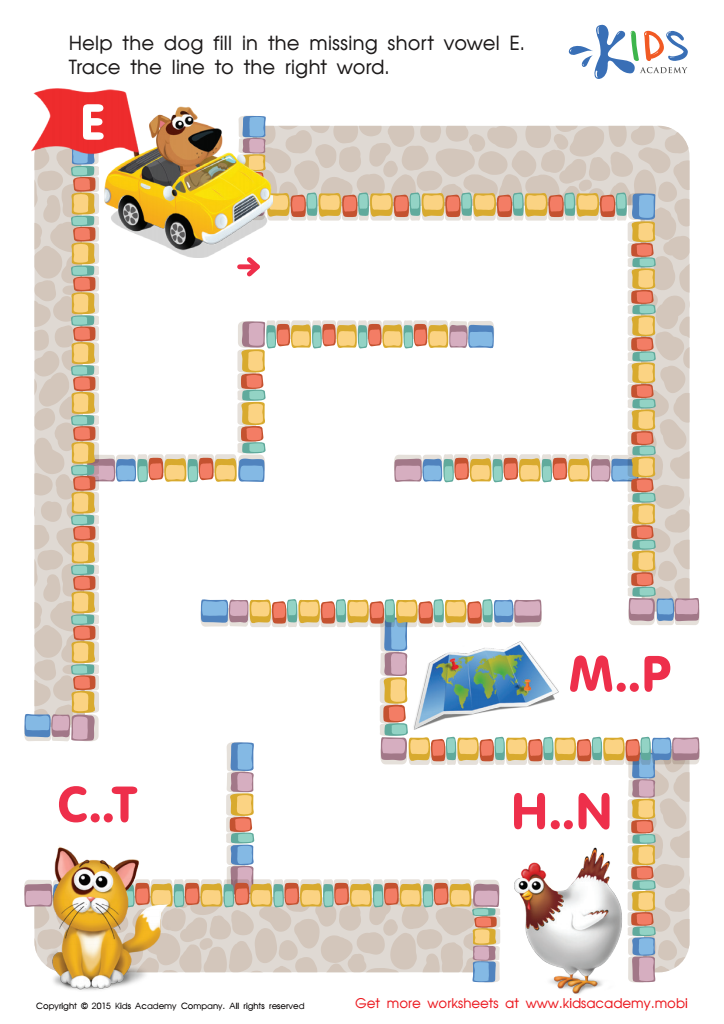
Short Vowel Sound E Worksheet
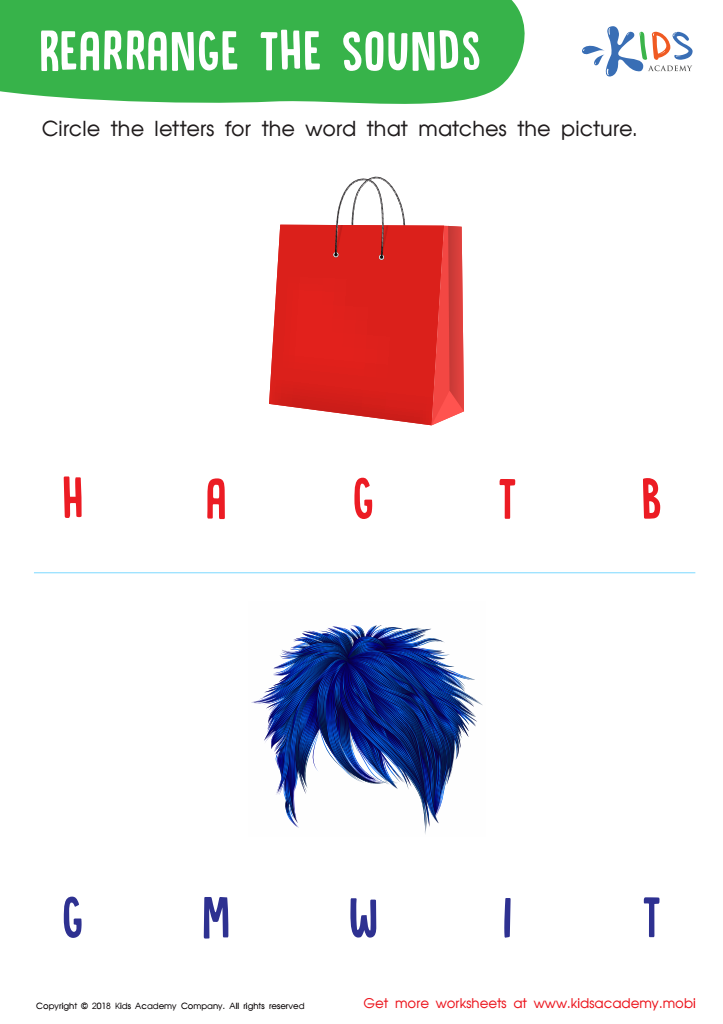
Rearrange the Sounds Worksheet








Phonics skills and letter recognition are foundational components of early literacy development for children aged 6-8, crucially bridging the gap between speaking and reading. When parents and teachers prioritize these skills, they are setting the stage for successful reading comprehension and effective communication. Phonics teaches children the relationship between letters and their corresponding sounds, enabling them to decode words quickly and accurately. This ability is essential for fluent reading, as it allows children to recognize familiar words and approach unfamiliar words appUp practice.
Letter recognition is equally important; it involves identifying letters in various contexts and understanding that each letter has a specific sound and place in creating words. Mastery of letter recognition enhances children's alphabetic knowledge, which is fundamental for writing skills and spelling accuracy.
Moreover, early competence in phonics and letter recognition positively impacts children's confidence and enthusiasm for learning. It reduces reading-related frustration and fosters a lifelong love of reading, which is invaluable for academic success across all subjects. Such literacy skills also enable children to access a wider range of texts, cultivating their imagination, vocabulary, and knowledge about the world. By caring about and investing in phonics skills and letter recognition, parents and teachers equip children with critical tools for lifelong learning and intellectual growth.







