
Alphabet Recognition Phonics Worksheets for Ages 6-8
5 filtered results
Difficulty Level
Grade
Age
-
From - To
Subject
Activity
Standards
Unlock the world of reading with our Alphabet Recognition Phonics Worksheets for ages 6-8! Designed to make learning fun and engaging, these worksheets support children in identifying and sounding out letters through interactive activities. Ideal for early readers, our resources help develop crucial phonics skills, paving the way for confident literacy. With colorful illustrations and diverse exercises, kids can practice letter recognition, improve pronunciation, and enhance overall reading abilities. Perfect for classroom or at-home learning, our worksheets provide a strong foundation in alphabet phonics, crucial for the academic success of your child. Foster a love of reading today!
Favorites
With answer key
Interactive
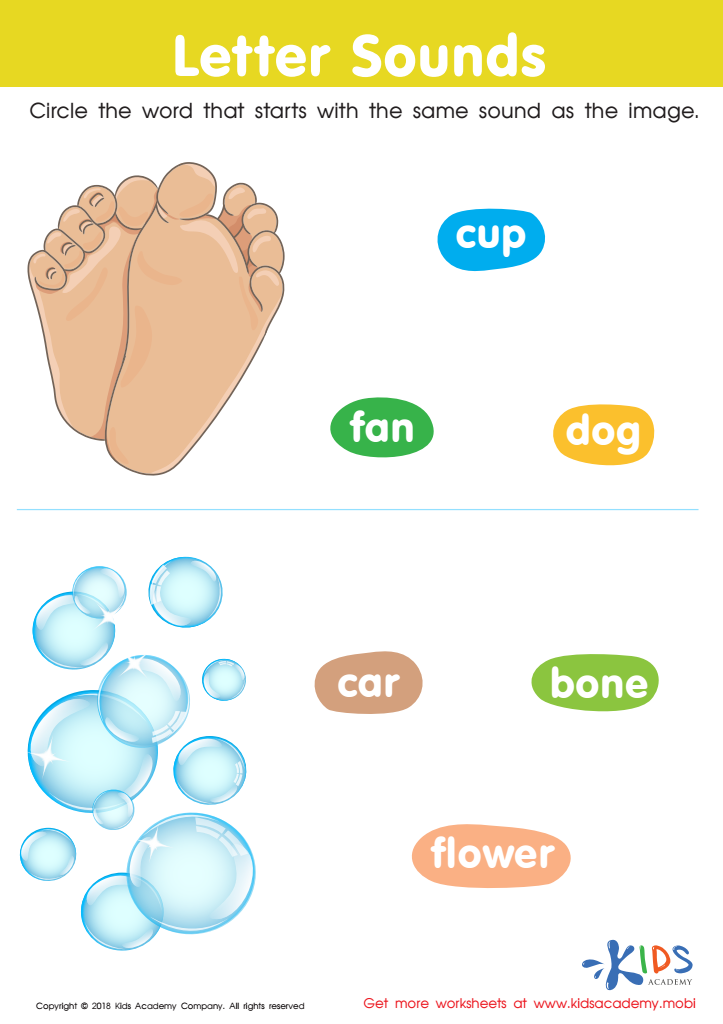
letter sounds Worksheet
Test your child's letter recognition skills with this worksheet. Match words to pictures and challenge them to say each image out loud and sound out the words beside it. Ask: Which word starts with the same letter as the picture? Then let them circle the right answer. Quick and easy!
letter sounds Worksheet
Worksheet
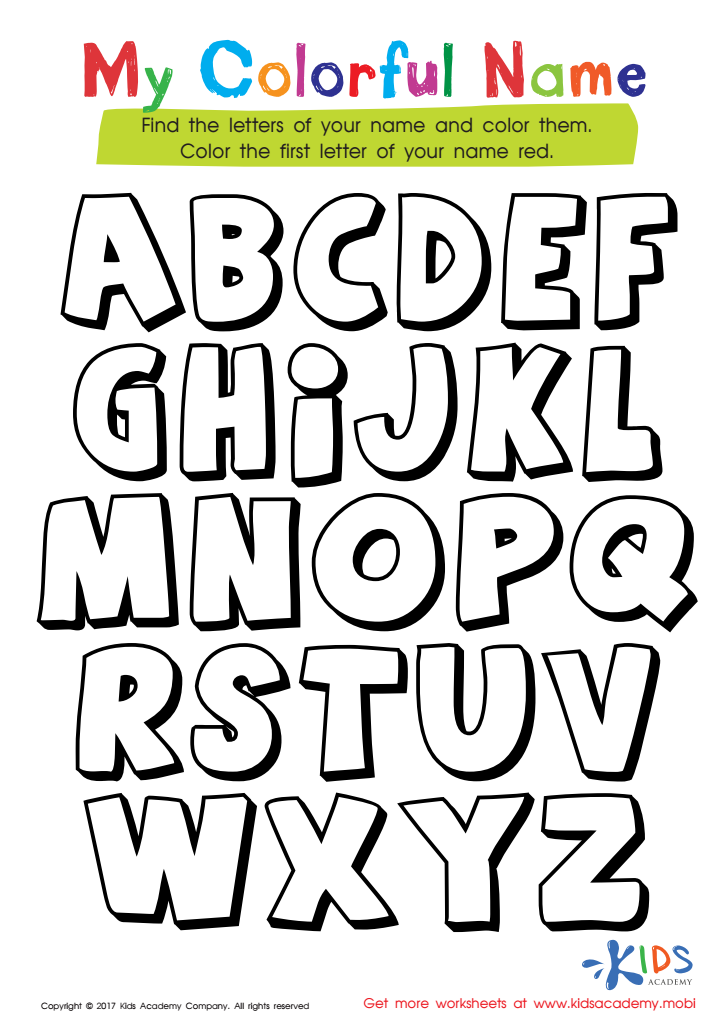
My Colorful Name Worksheet
Writing their names is a milestone for children. With this worksheet, they recall the letters in their name and color the letters one at a time. Spelling and alphabet order are reinforced as they find each letter. Use this fun printable to help kids learn to write their names!
Download (PDF)
 Assign to My Students
Assign to My Students
My Colorful Name Worksheet
Worksheet
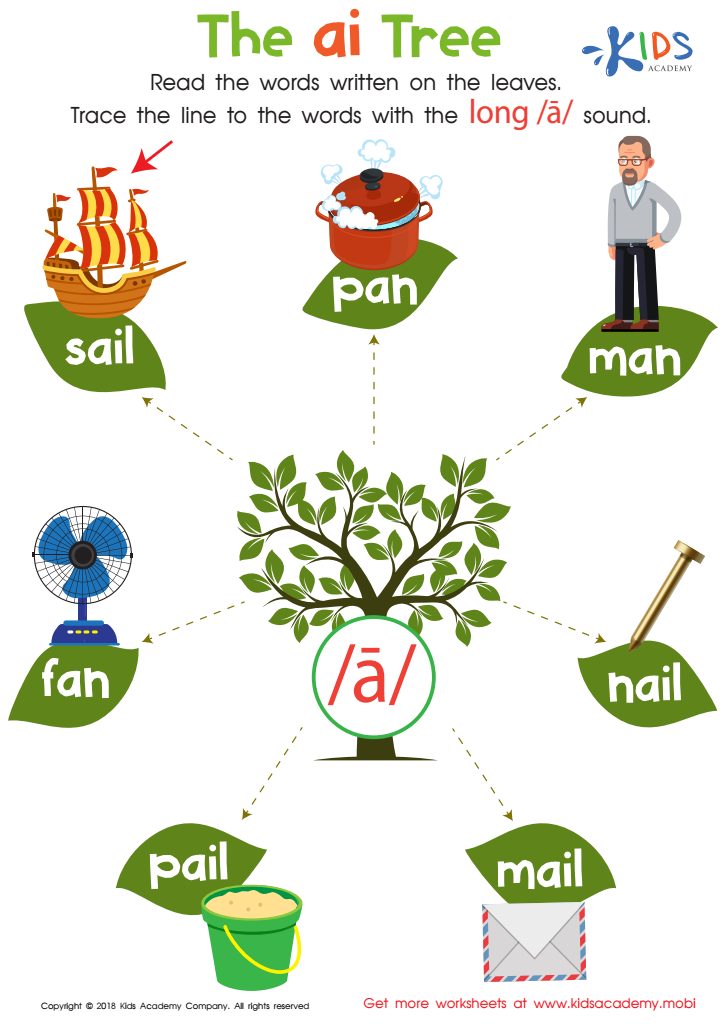
The AI Tree Worksheet
Help your kids learn to read better with this worksheet! Introduce the vowel pair 'ai' and give them familiar examples. Ask them to give you some in return. Then, have them read the words on the leaves and help them trace the ones with the long /a/ sound.
The AI Tree Worksheet
Worksheet
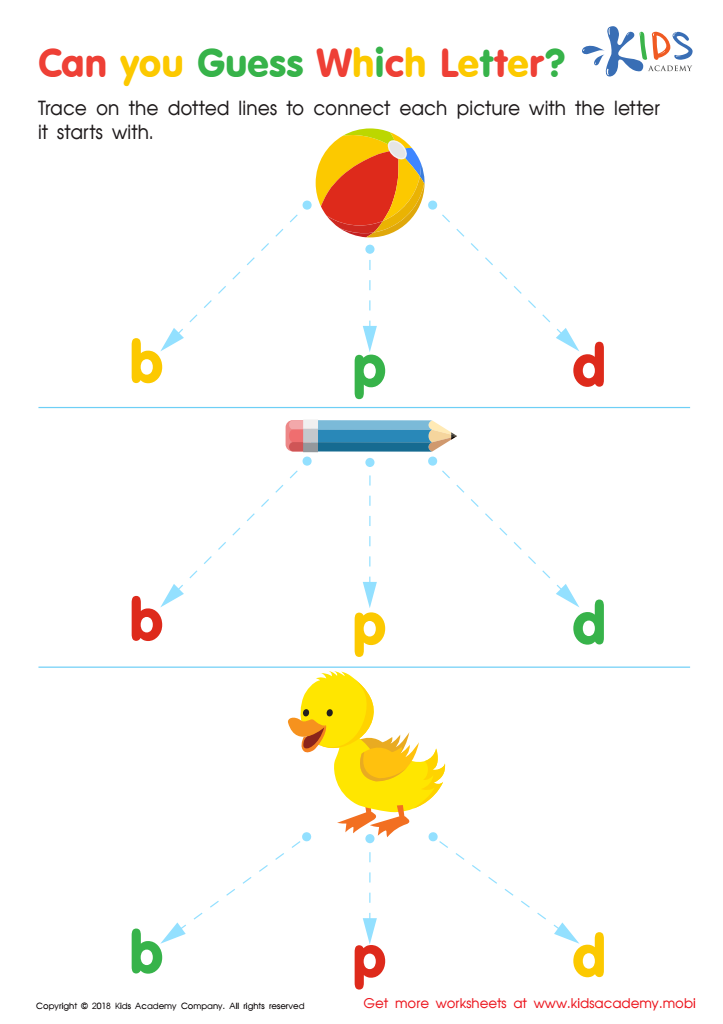
Can you Guess Which Letter? Worksheet
Connect the pictures with their corresponding letters with this fun worksheet! Ask your child what each picture is, then what letter it begins with. Download the PDF for colorful images and engaging texts to hold their attention, making learning an enjoyable activity.
Can you Guess Which Letter? Worksheet
Worksheet
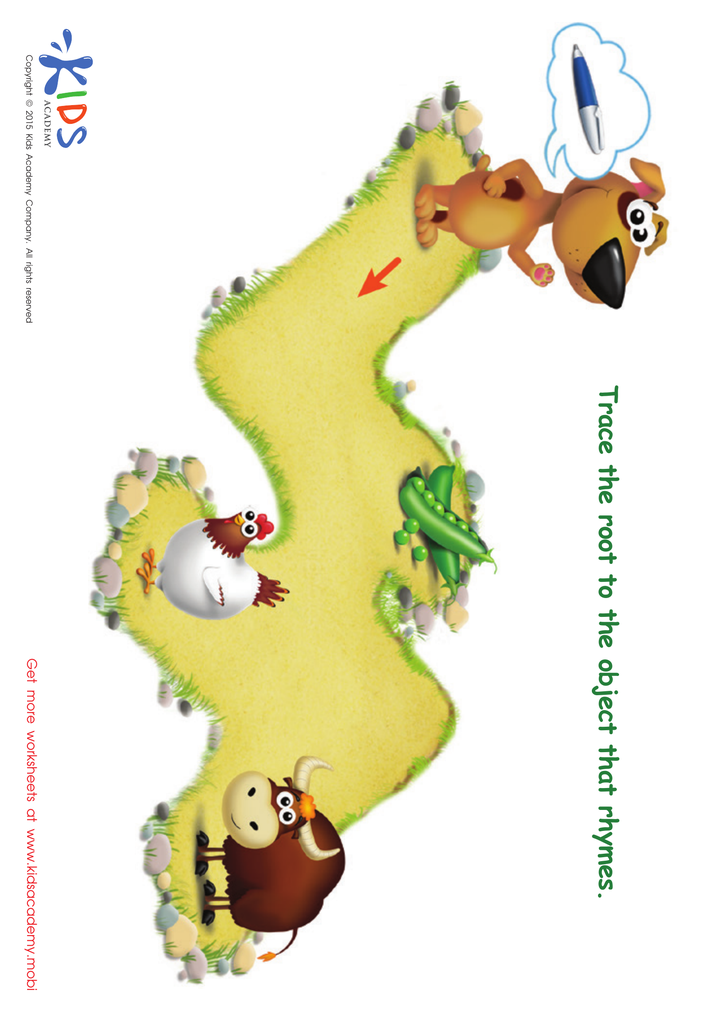
Pen Rhyming Words Worksheet
Check out the cute pup, pondering away. He's thinking of a root word - no suffix or prefix. Now check the hen, green beans, and the cow. Can you find the word that rhymes with pen? Draw a line from the root word to its rhyme for this simple yet beneficial worksheet. It helps young learners practice hearing and recognizing rhymes.
Pen Rhyming Words Worksheet
Worksheet
Join Kids Academy for Free
Who is primarily going to use this learning content?








Alphabet recognition and phonics are foundational skills for children aged 6-8, pivotal to their reading and overall academic success. At this age, children transition from recognizing letters to understanding the sounds associated with them, a critical step in learning to read. Mastery in alphabet recognition lays the groundwork for phonemic awareness, a child's ability to hear, identify, and manipulate phonemes, the smallest units of sound in a language.
Teachers and parents should prioritize these skills because they directly impact a child's literacy development. If children grasp these basics early, they are more likely to read fluently, comprehend texts better, and develop a love for reading. These competencies are not only crucial for reading but also for writing, spelling, and even verbal expression.
Moreover, strong literacy skills are linked to greater academic achievement across all subjects. Children who struggle with the alphabet and phonics often face ongoing reading difficulties, which can affect their confidence and interest in learning. By emphasizing alphabet recognition and phonics, parents and teachers equip children with the tools they need for long-term educational success, fostering a positive attitude towards learning and communication. Investing time in these essential skills enriches a child's cognitive development and better prepares them for future academic challenges.







