Hand-eye Coordination Phonics Worksheets for Ages 6-8
5 filtered results
-
From - To
Enhance your child's learning experience with our Hand-eye Coordination Phonics Worksheets designed specifically for ages 6-8. These engaging printables blend fun and education, allowing young learners to develop vital coordination skills while mastering phonics. Each worksheet is crafted to boost literacy through interactive activities, such as tracing letters, connecting words, and matching sounds. By integrating movement with learning, these worksheets help children build confidence and improve focus. Perfect for homeschooling or classroom use, our resources encourage early reading skills in a playful way. Download our Hand-eye Coordination Phonics Worksheets today and watch your child thrive on their educational journey!
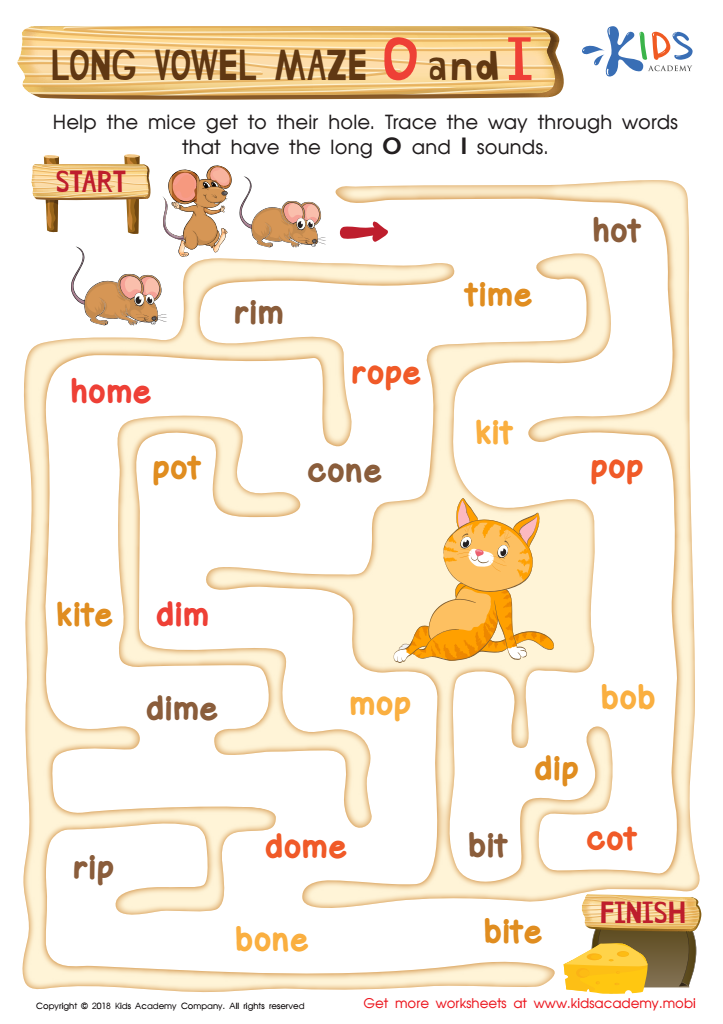
Long Vowel Maze /o/ and /i/ Worksheet
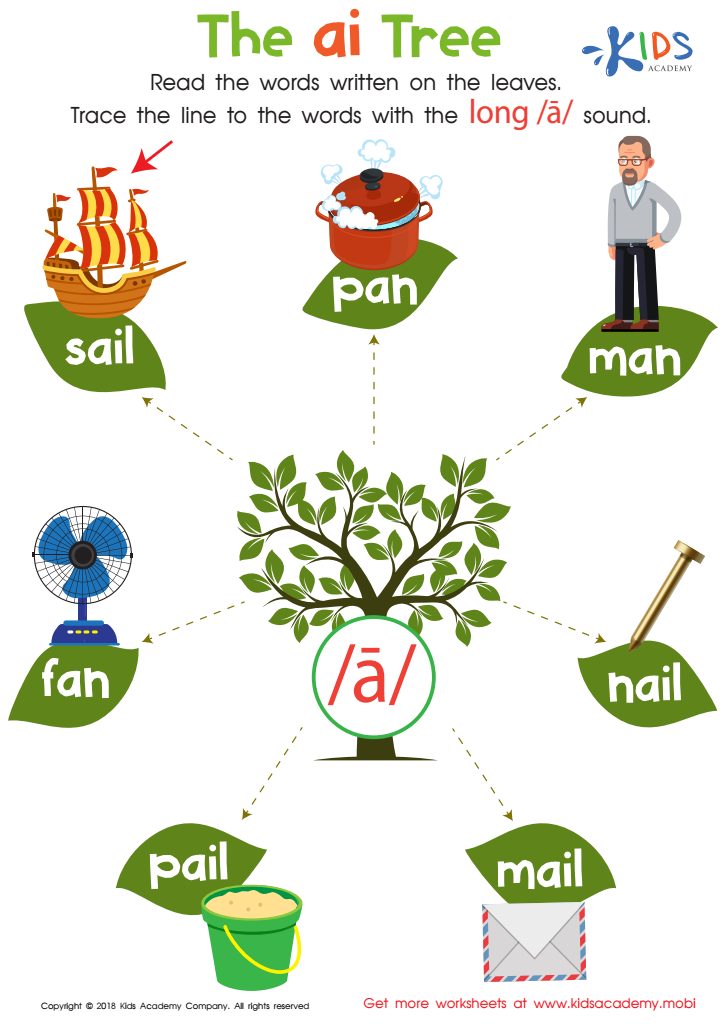
The AI Tree Worksheet
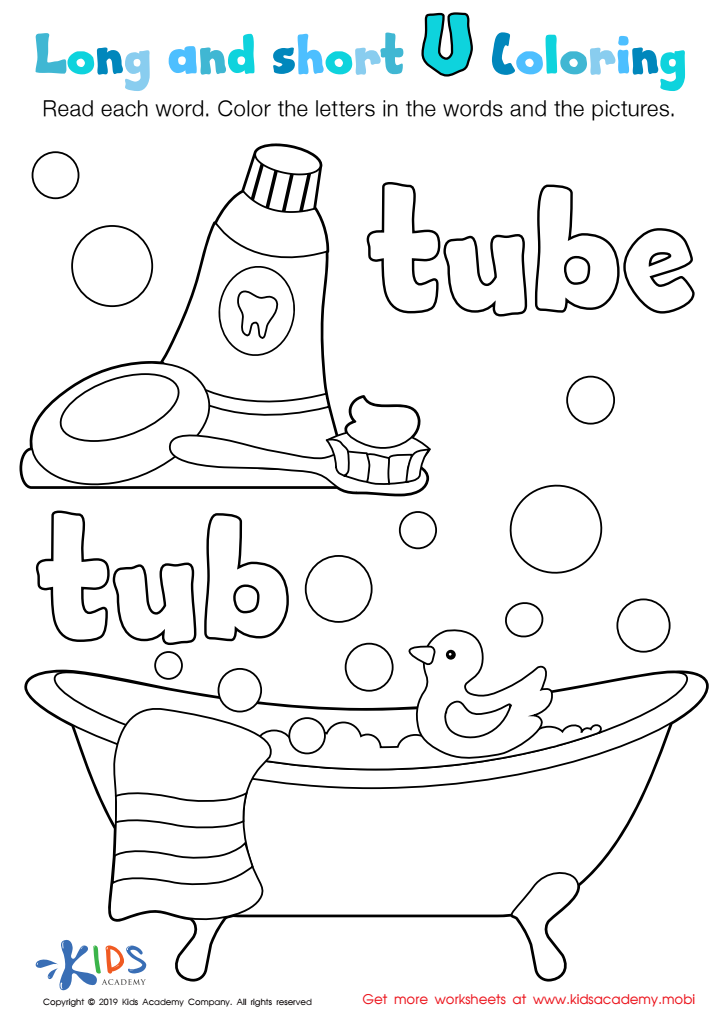
Long and Short U Worksheet
 Assign to My Students
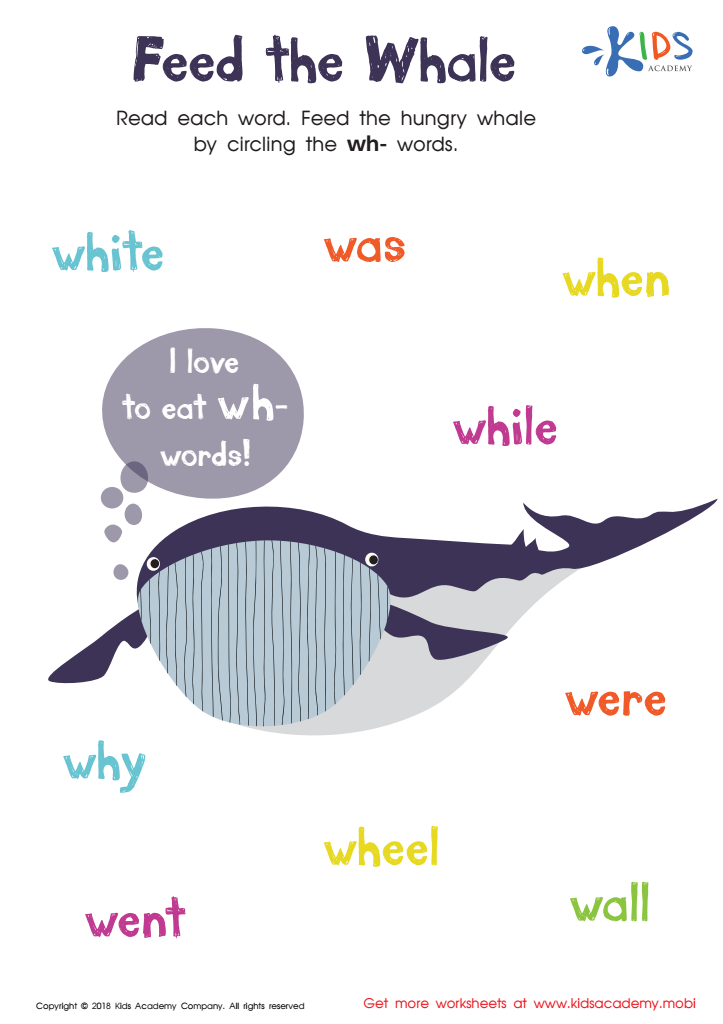
Feed the Whale Worksheet

Long and Short E Worksheet
Assign to My Students








Hand-eye coordination phonics is crucial for children aged 6-8 as it marries two vital developmental areas: language acquisition and motor skills. During this developmental stage, children are learning to read and write, making it essential for them to master phonics—the relationship between sounds and their corresponding letters or letter groups. Effective phonics instruction enables children to decode words, which is foundational for fluent reading.
Simultaneously, hand-eye coordination—the ability to coordinate visual input with hand movement—is key for tasks such as writing, typing, and even using educational tools or games. By integrating phonics with activities that enhance hand-eye coordination, children can improve their writing skills as they form letters more accurately and efficiently.
For parents and teachers, focusing on hand-eye coordination skills can foster a more engaging and effective learning environment. This holistic approach not only aids in literacy development but also boosts fine motor skills, confidence, and concentration in children. Understanding the interconnection between these skills allows educators and parents to provide targeted support, ensuring a well-rounded foundation for future academic success. Ultimately, the integration of hand-eye coordination with phonics promotes a love for learning as children grasp reading concepts more readily.







