Phonics improvement Phonics Worksheets for Ages 6-8
3 filtered results
-
From - To
Enhance your child's reading skills with our comprehensive Phonics Worksheets designed specifically for ages 6-8. These engaging and interactive resources focus on phonics improvement, helping young learners recognize letter sounds, blend words, and build vocabulary with ease. Our worksheets include fun activities, captivating illustrations, and targeted exercises that make learning enjoyable. Whether your child struggles with phonics or simply wants to boost their skills, our materials cater to various learning styles and levels. With consistent practice, these worksheets will foster a strong phonics foundation, paving the way for better reading fluency and comprehension. Start your child's phonics journey today!
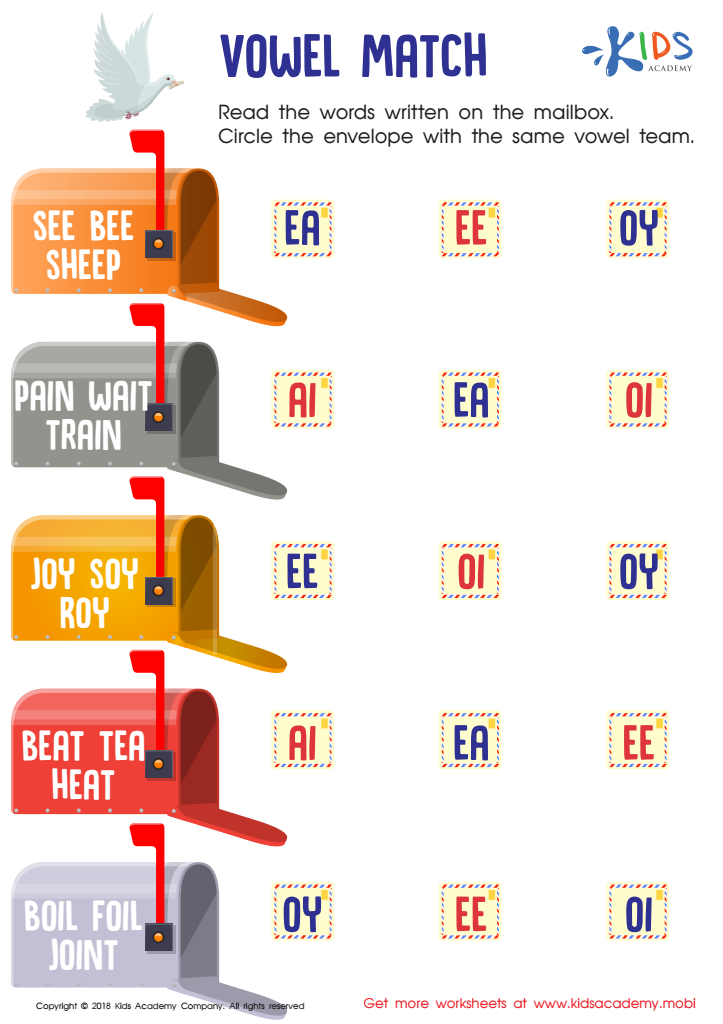
Vowel match Worksheet
 Assign to My Students
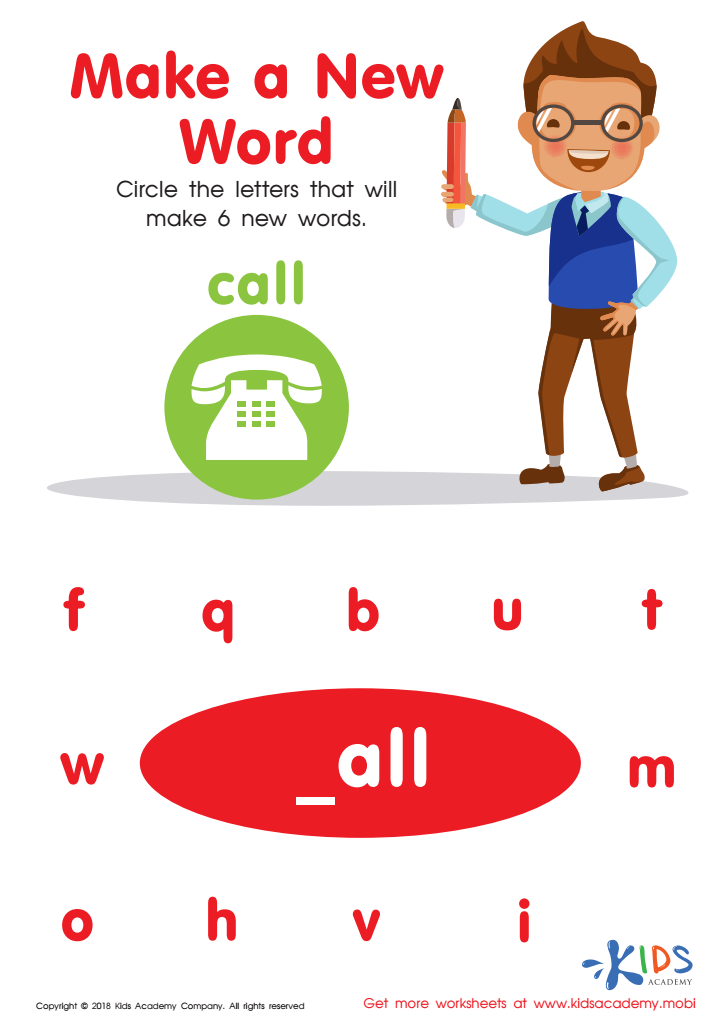
Make a New Word Worksheet
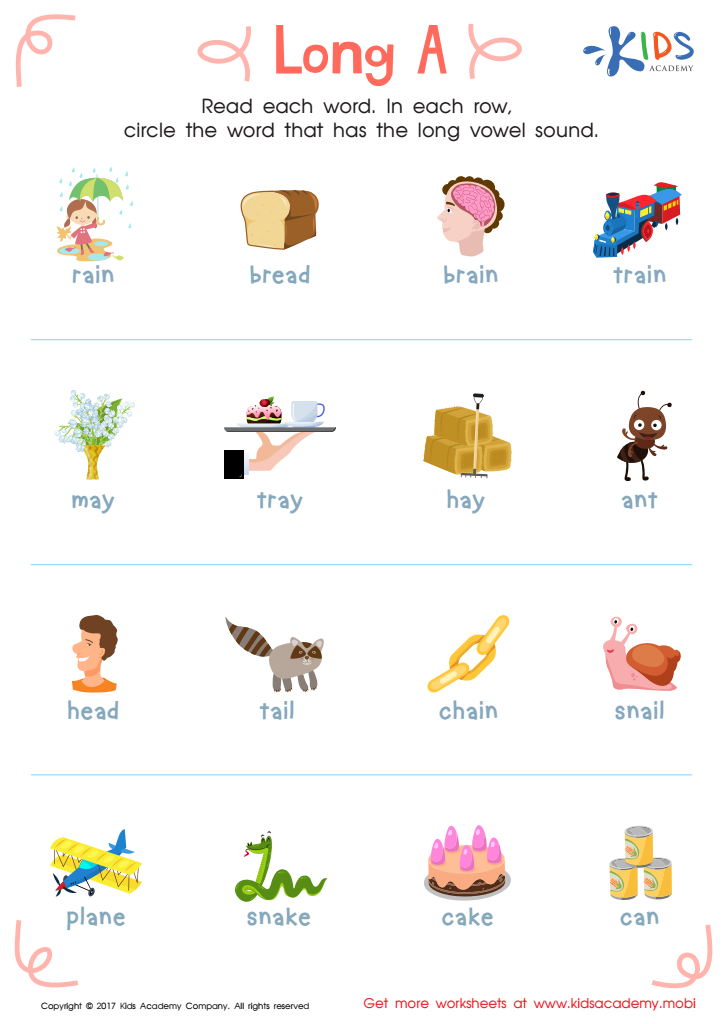








Phonics improvement is crucial for children aged 6-8, as this is a foundational stage in their reading development. At this age, children begin to transition from learning to read to reading to learn, which makes phonics instruction particularly important. Phonics teaches children the relationships between letters and sounds, equipping them with the skills necessary to decode new words. A strong understanding of phonics fosters confidence in young readers, enabling them to tackle increasingly complex texts as they progress in school.
Moreover, phonics not only enhances reading fluency but also significantly impacts spelling and writing skills. Children who master phonics are better equipped to understand word construction and develop vocabularies, which enriches their communication abilities. This foundation also prepares them for future academic challenges, making their learning experiences more enriching and successful.
Parents and teachers should care about phonics improvement because it directly influences children's literacy development, paving the way for lifelong reading skills. Support in phonics can close achievement gaps, boost literacy rates, and instill a love for reading. Collaborative efforts among parents and teachers in promoting phonics learning can create a supportive environment for these young learners, ultimately leading to greater educational outcomes.







