Filters

7 filtered results

Clear all filters
Favorites
With answer key
Interactive

7 filtered results

Difficulty Level

Grade


Unlock your child's reading potential with our engaging Phonics Worksheets designed specifically for ages 6 to 8! Our carefully curated resources focus on phonics skills development, helping young learners grasp essential reading skills through fun activities. These worksheets cover key concepts such as letter sounds, blending, and segmenting, ensuring that children build a solid foundation as they advance in literacy. The colorful illustrations and interactive exercises make learning enjoyable and effective. Perfect for home or classroom use, our phonics worksheets are an excellent way to boost your child’s confidence in reading. Start their phonics journey today and foster a lifelong love for learning!

Check out this FREE Trial Lesson on Phonics for age 6-8!

Digraphs

Favorites
With answer key
Interactive
  • 6-8
  • Phonics skills development
  • Phonics
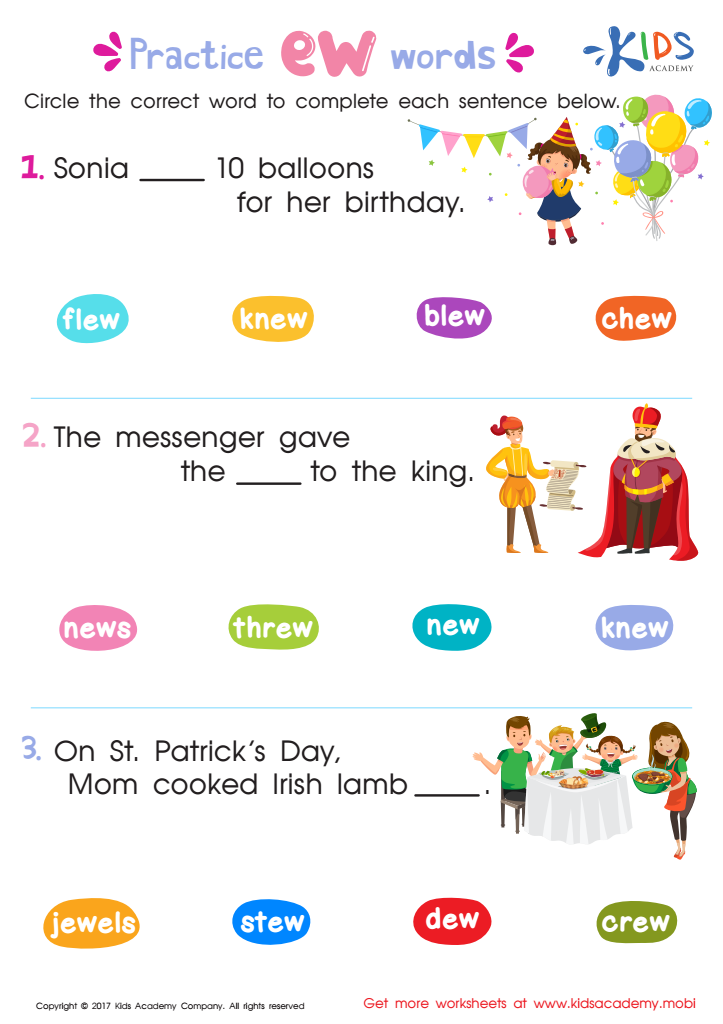
Ew words worksheet
Ew words worksheet

EW Words Worksheet

Practice the diphthong ew and boost your child's vocabulary with this fun ew words worksheet! Filled with illustrations, it will help your child hone their reading and spelling skills. Plus, the tricky words will make it both enjoyable and rewarding!
EW Words Worksheet
Worksheet
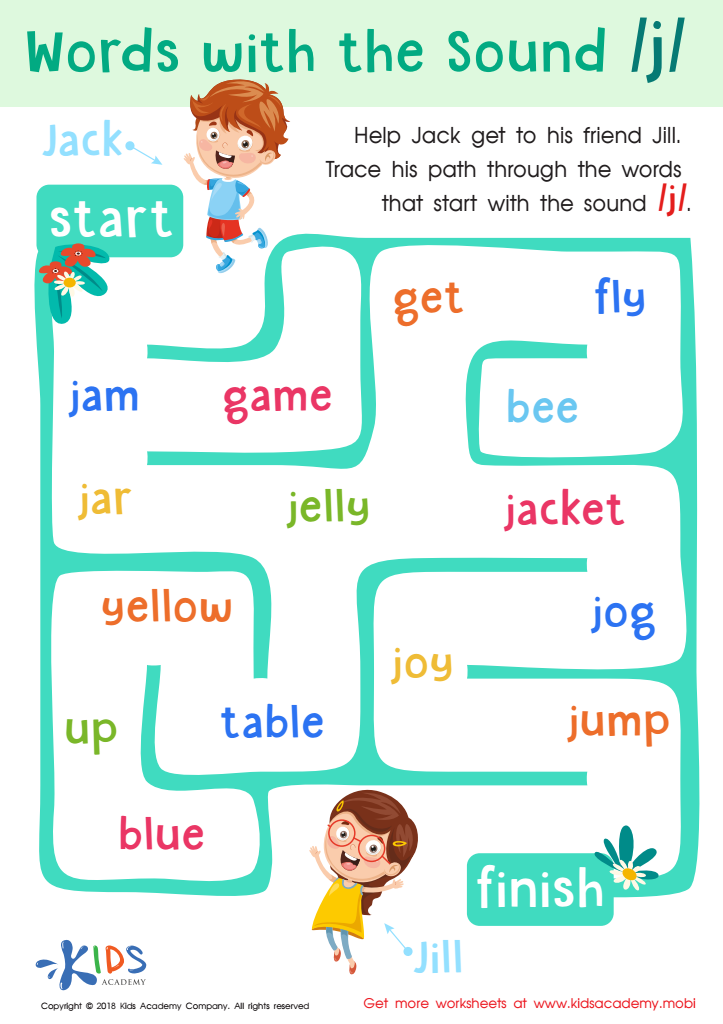
Words with sound j Reading Worksheet

Words with sound j Reading Worksheet

Don't be fooled: The letter J sounds like G in this letter sounds maze! Kids will enjoy helping Jack find Jill by listening to beginning sounds and tracing a path to the exit. Choose words that start with the letter J sound to complete the challenging maze!
Words with sound j Reading Worksheet
Worksheet
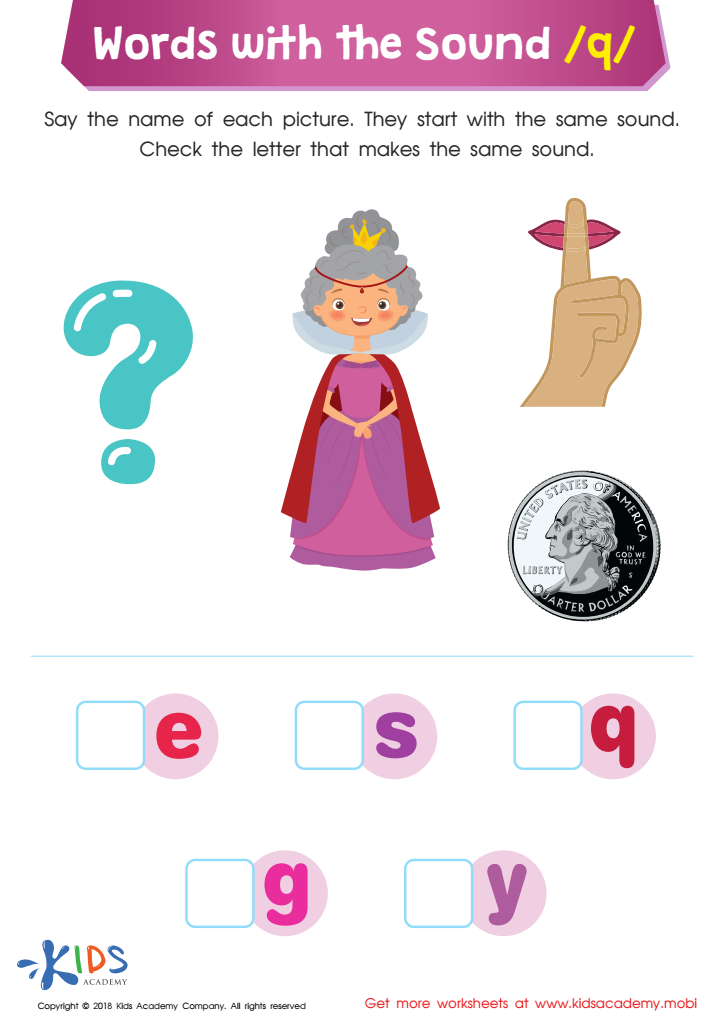
Words with Sound Q Reading Worksheet

Words with Sound Q Reading Worksheet

Beginning readers will love this free PDF worksheet! Bright colors and familiar pictures make it fun, as they say the name of each image and work on fine motor skills. Letters “q” is featured among others, helping to recognize and isolate its sound, which is often seen with a “u” behind it.
Words with Sound Q Reading Worksheet
Worksheet
Phonics for Kids | Short Vowel Sound U | PDF Worksheet 2

Short Vowel Sound U Worksheet

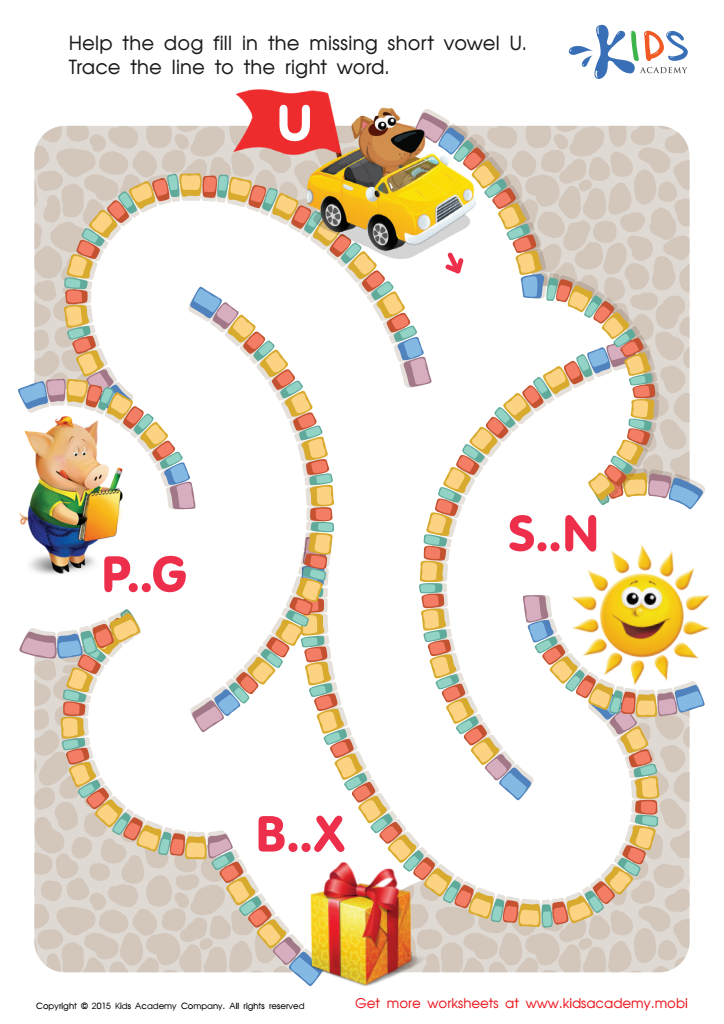
Practice abc phonics to help young learners link sounds to letters. This free printable phonics worksheet helps your kid learn the short vowel sound U. Guide them through the maze to help the dog complete the word "sun". Make sure they say the word out loud to emphasize the short U sound. Check out more phonics worksheets with mazes here.
Short Vowel Sound U Worksheet
Worksheet
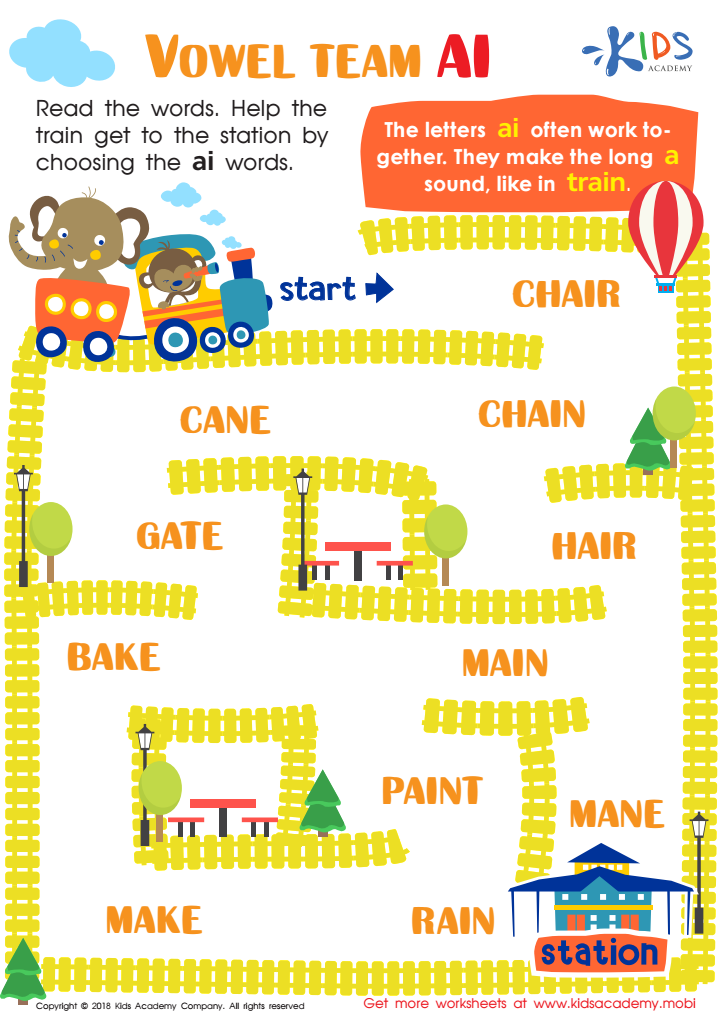
Vowel team ai Worksheet

Vowel team ai Worksheet

Kids will have a blast learning about the -ai digraph with this fun worksheet. They'll read words with it and practice their motor skills as they help the animal duo get back to the train station. With success, they'll smile and enjoy the activity!
Vowel team ai Worksheet
Worksheet
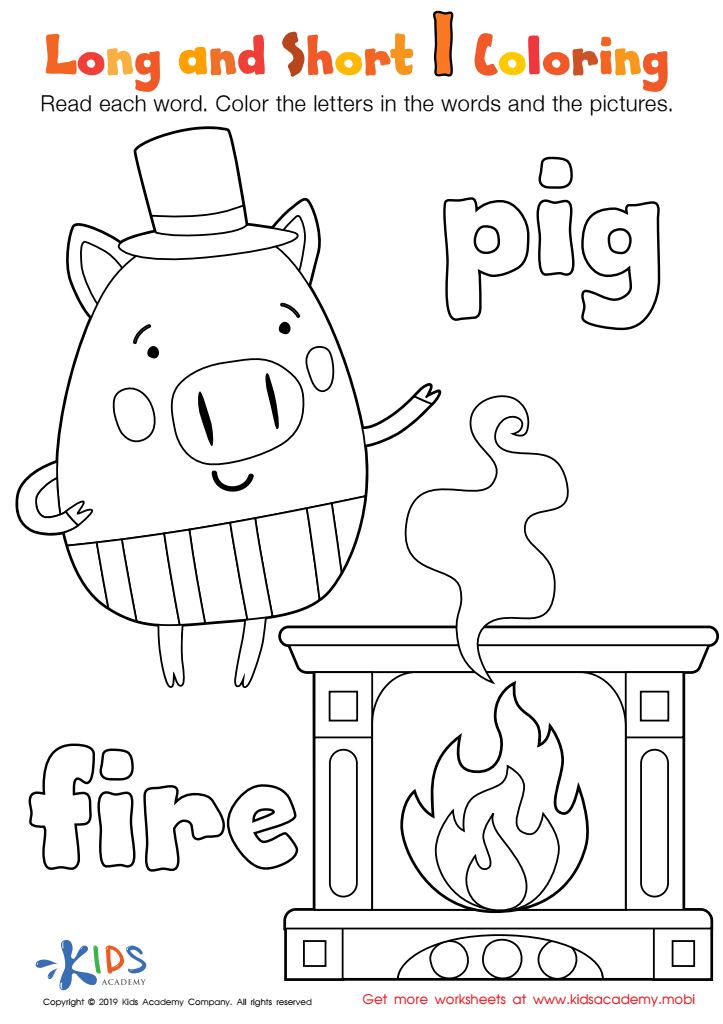
Long and Short I Worksheet

Long and Short I Worksheet

Print the worksheet and have the students read "pig" and "fire". Check for understanding the difference between long and short vowels. Color in words and pictures to make learning phonics fun! This exercise is perfect for introducing the topic to your students.
Download (PDF)
Assign to My Students
Long and Short I Worksheet
Worksheet
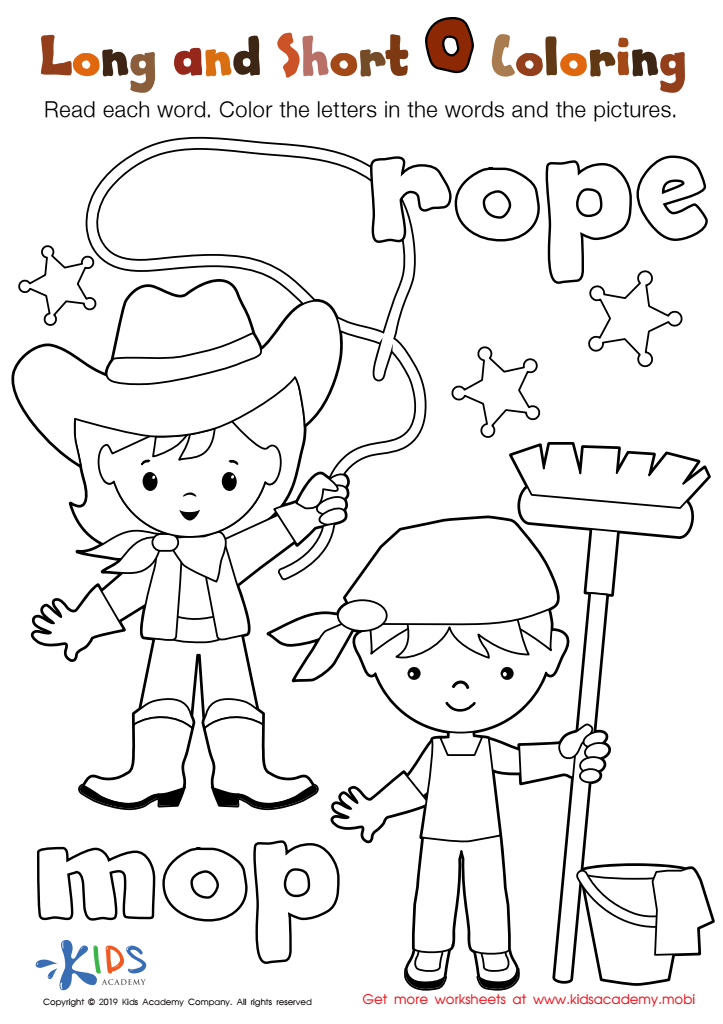
Long and Short O Worksheet

Long and Short O Worksheet

Help your students recognize the difference between long and short «Os» with this fun printout. Let them read and color-in "rope" and "mop" simultaneously. Listen to the different sounds, then color the words and pictures. Great for classes, it'll make your phonics lesson memorable and enjoyable.
Download (PDF)
Assign to My Students
Long and Short O Worksheet
Worksheet


Phonics is essential for children aged 6-8 as it lays the groundwork for reading and writing proficiency. During this critical developmental stage, children transition from learning to read to reading to learn. Strong phonics skills enable them to decode new words, improving their fluency and comprehension. Understanding the relationship between sounds and letters helps children develop efficient reading strategies, which fosters a love for books and ultimately enhances their learning experiences across subjects.

Parents and teachers play a pivotal role in this process. By supporting phonics development through engaging activities, they can motivate children, build confidence, and instill a positive attitude toward reading. Exposure to phonics can also prevent future difficulties with literacy, as early interventions can help identify and address challenges. Moreover, proficient readers tend to perform better academically and develop critical thinking skills earlier, positioning them for success in higher grades.

Encouraging phonics proficiency not only equips children with practical skills but also enriches their opportunities for expression and communication. In today's information-driven society, a strong foundation in reading is vital for personal and professional success. Thus, phonics skills development should be a priority for both educators and parents.