Alphabet sequencing Tracing Letters Worksheets for Ages 6-8
3 filtered results
-
From - To
Enhance your child's writing and cognitive skills with our engaging Alphabet Sequencing Tracing Letters Worksheets designed for ages 6-8. These worksheets provide an interactive way for young learners to practice writing both uppercase and lowercase letters while understanding their order in the alphabet. Each worksheet combines fun activities that promote letter recognition and sequencing, helping children to grasp essential foundational skills. Perfect for boosting fine motor skills, these resources are ideal for classroom use or home learning. Download and watch your child's confidence soar as they master the alphabet through playful and structured practice!
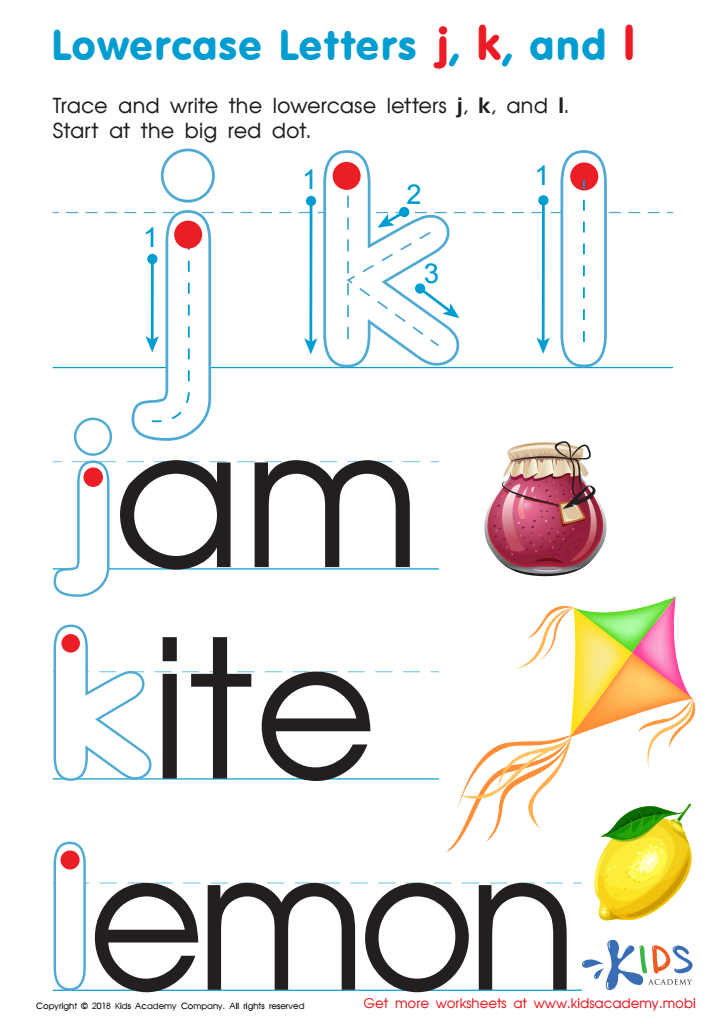
Lowercase Letters j k l Worksheet
 Assign to My Students
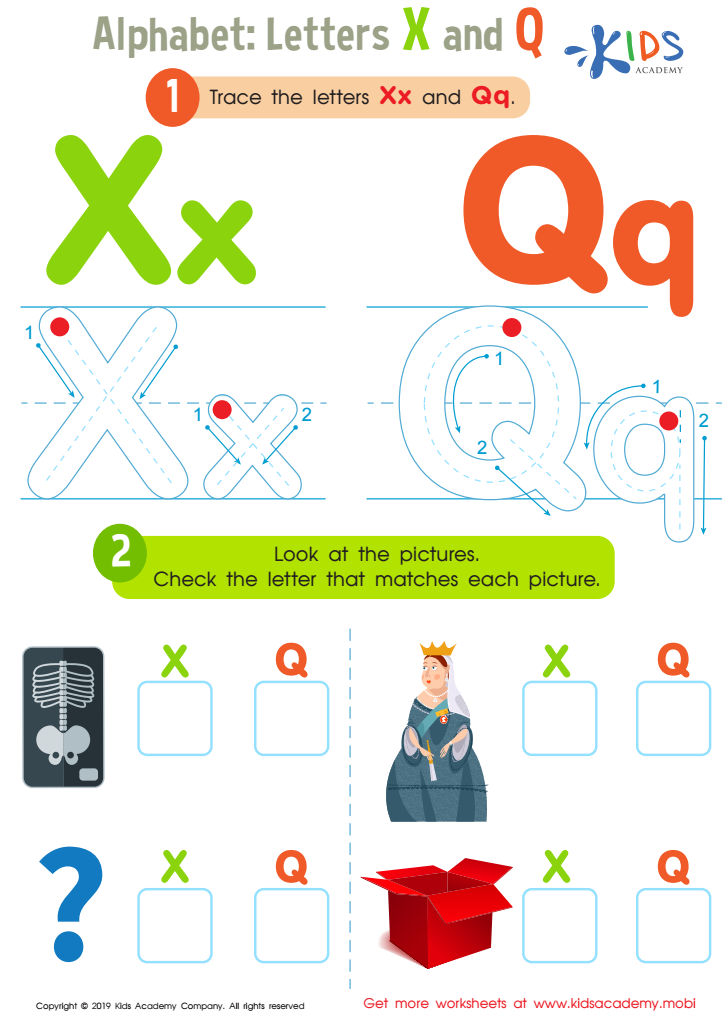
Letters X and Q Tracing Worksheet
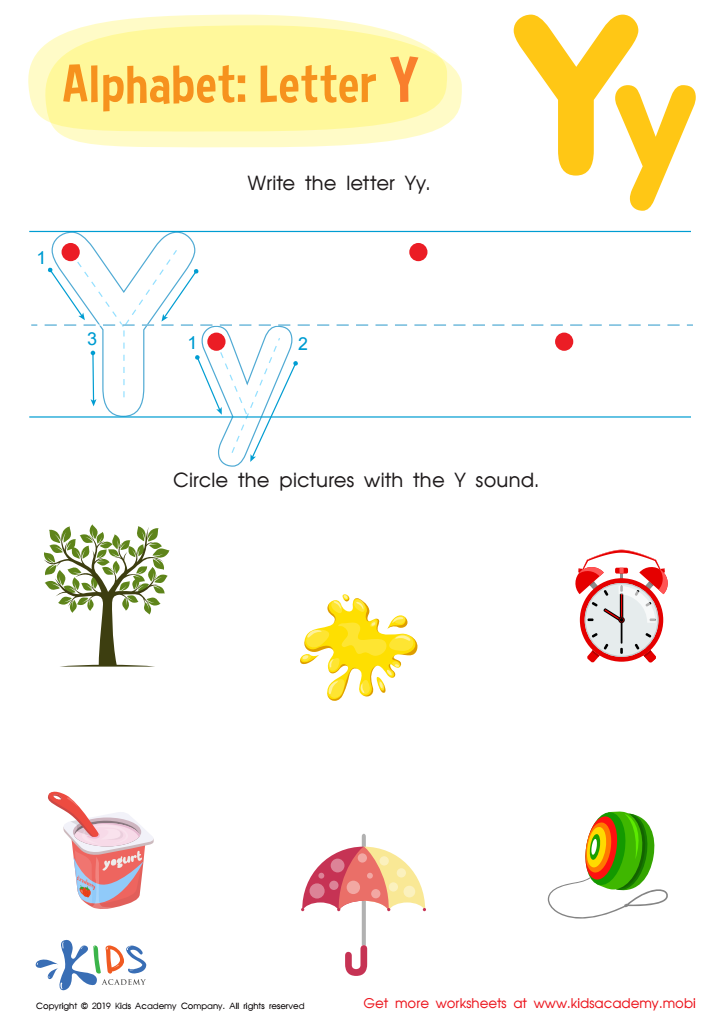
Letter Y Tracing Worksheet








Alphabet sequencing and tracing letters are crucial activities for children aged 6-8 as they form the foundation of literacy skills. During these formative years, children begin to transition into more advanced reading and writing tasks. Mastering the sequence of letters enhances their understanding of the alphabet, which is essential for decoding words and spelling.
Tracing letters helps develop fine motor skills, hand-eye coordination, and muscle memory. These skills are critical as they prepare young learners for more complex writing tasks in the future. The act of tracing also reinforces letter recognition, allowing children to learn the correct shapes and forms of each letter.
Moreover, when parents and teachers emphasize the importance of alphabet sequencing and tracing, they foster a supportive learning environment that encourages children to engage with literacy in an enjoyable way. This approach not only boosts confidence but also ignites a lifelong love for reading and writing.
Ultimately, when children are proficient in these fundamental skills, they are better equipped to excel academically, communicate effectively, and express their thoughts creatively. Therefore, prioritizing alphabet sequencing and tracing in early education is essential for nurturing successful, literate individuals.








