Problem-Solving Skills Upper & Lowercase Letters Worksheets for Ages 6-8
3 filtered results
-
From - To
Enhance your child's problem-solving skills with our engaging Upper & Lowercase Letters Worksheets designed specifically for ages 6-8! These worksheets provide fun, interactive activities that challenge young learners to identify, match, and differentiate between uppercase and lowercase letters while honing their critical thinking abilities. As children navigate through colorful exercises, they will develop essential literacy skills alongside their problem-solving competencies. Perfect for home or classroom use, these worksheets offer an effective way to make learning enjoyable and impactful. Foster a love for letters and boost cognitive development with our thoughtfully crafted resources. Explore, learn, and grow today!
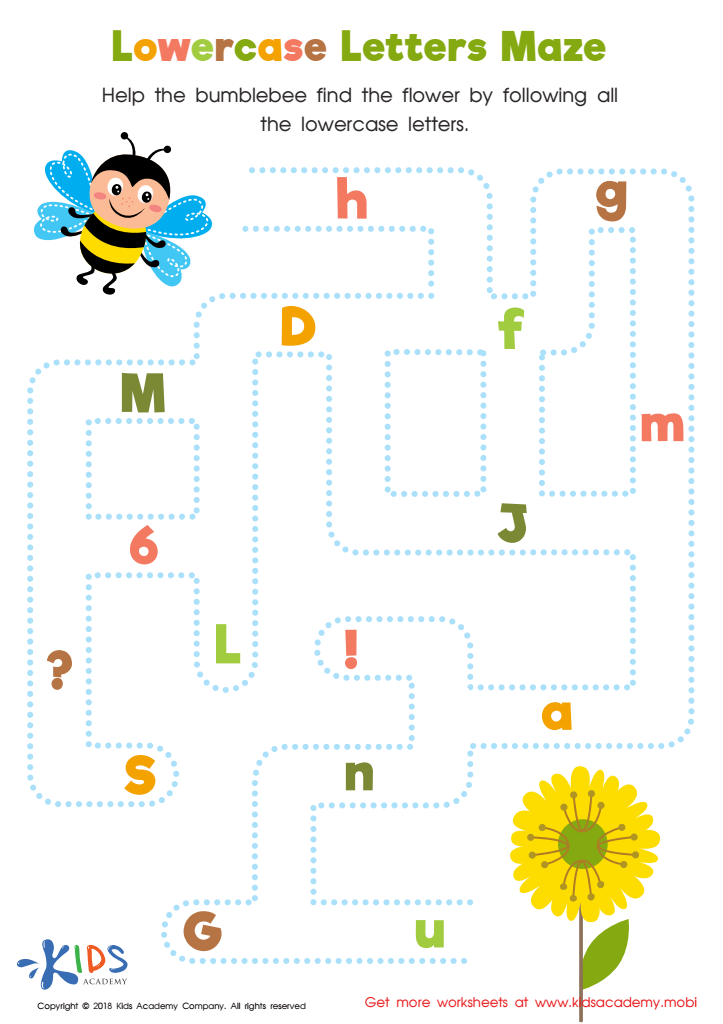
Lowercase Letters Maze Worksheet
 Assign to My Students
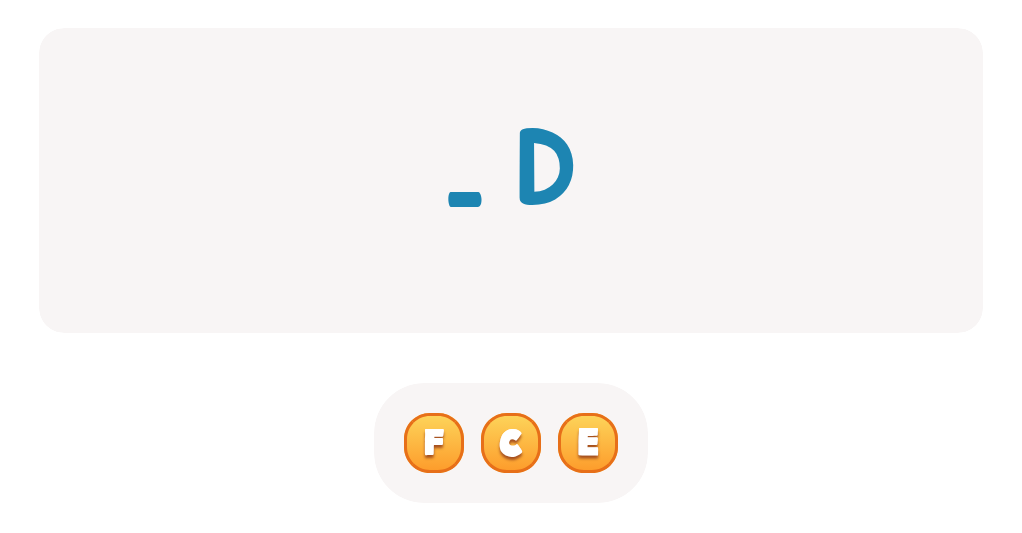

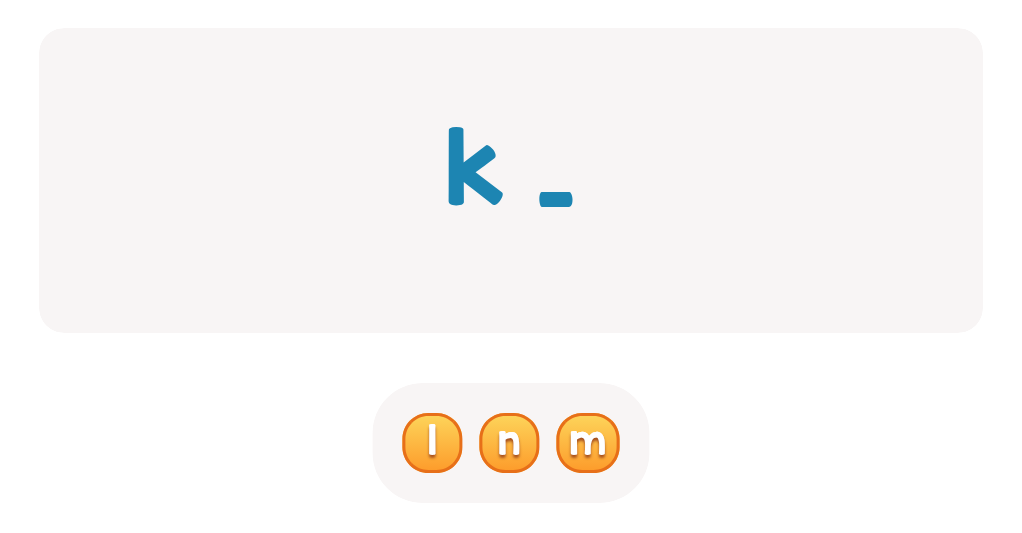
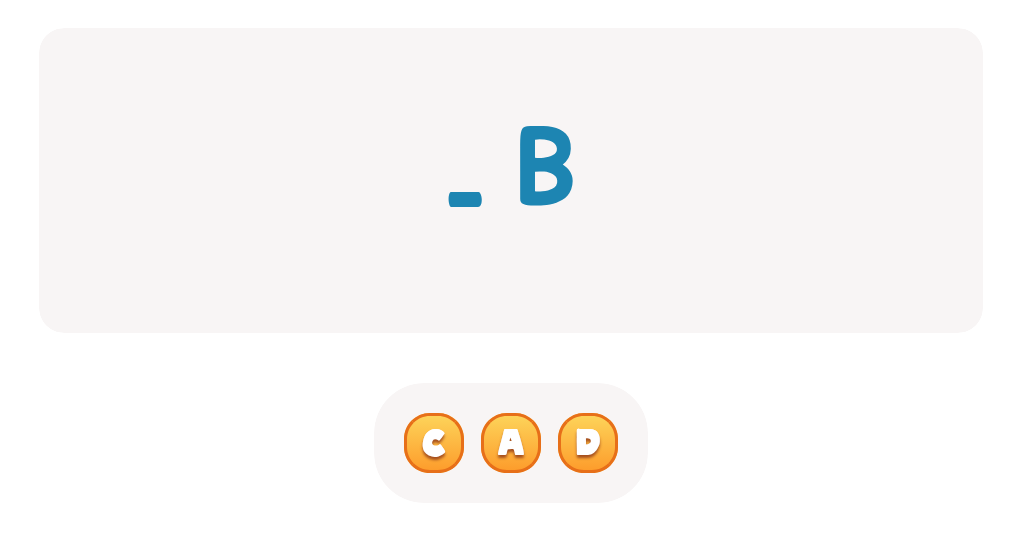
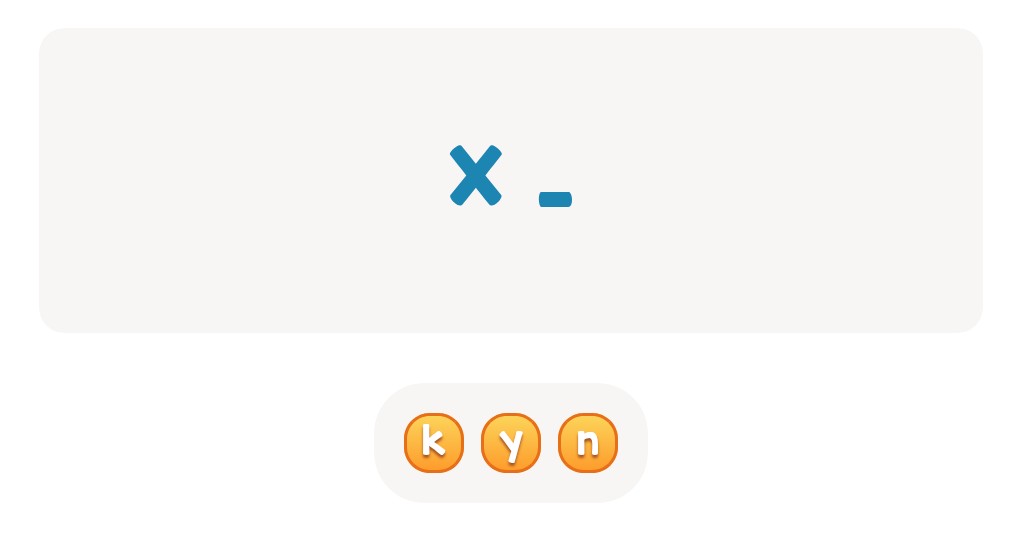
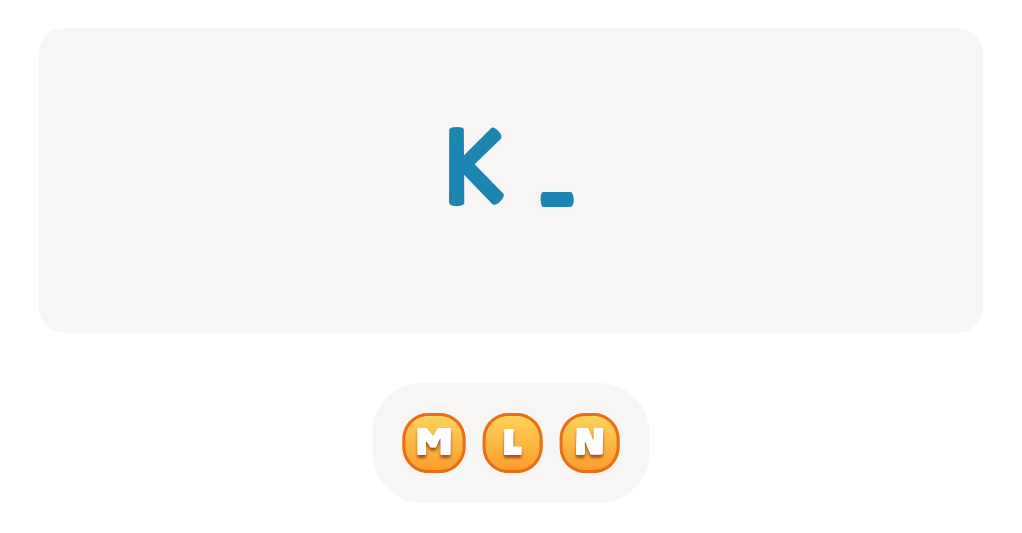
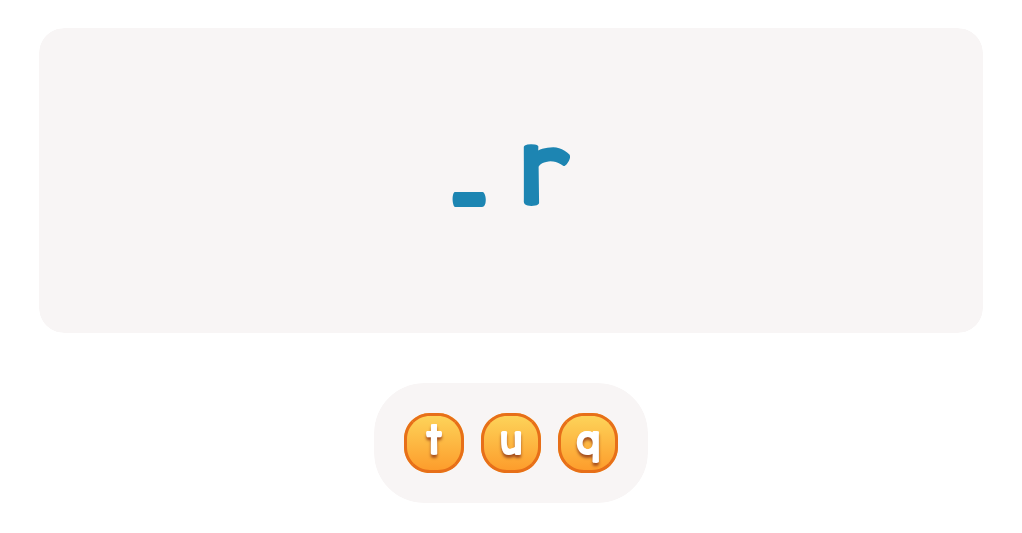
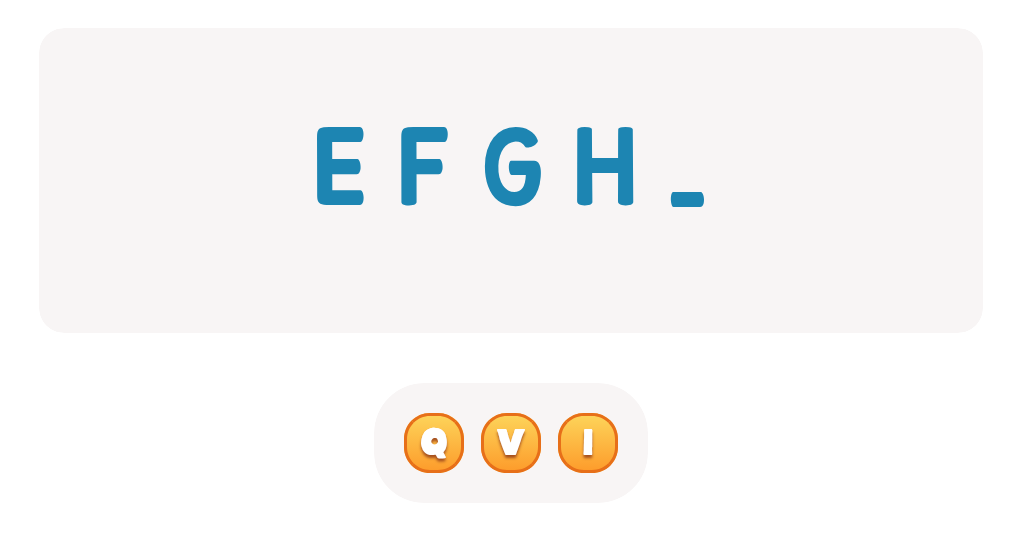
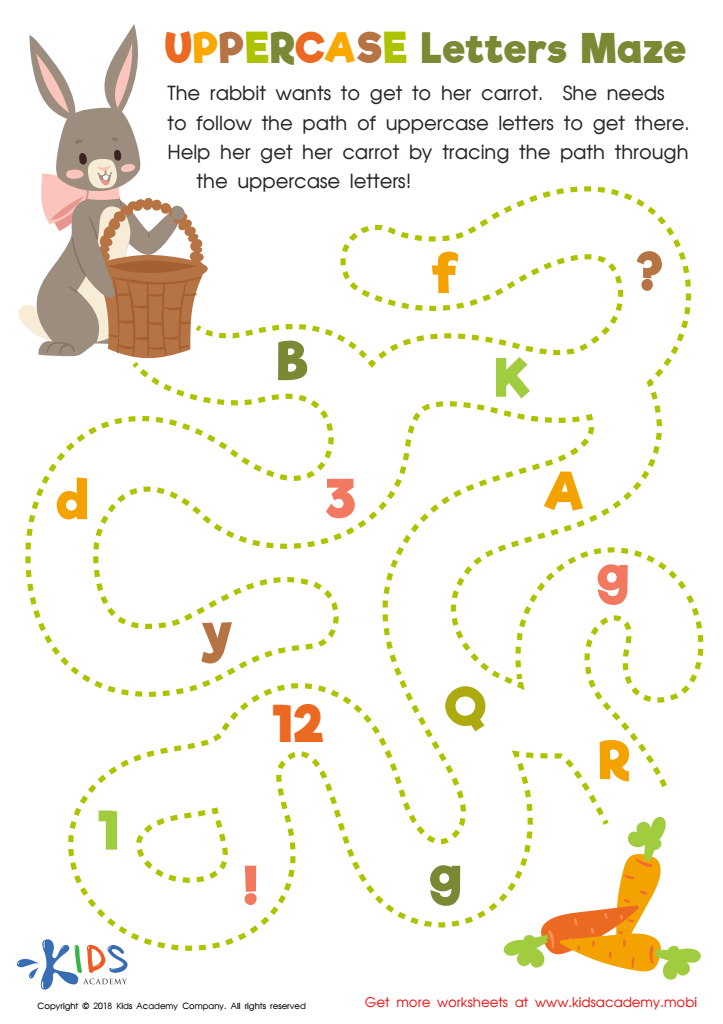
Uppercase Letters Maze Worksheet
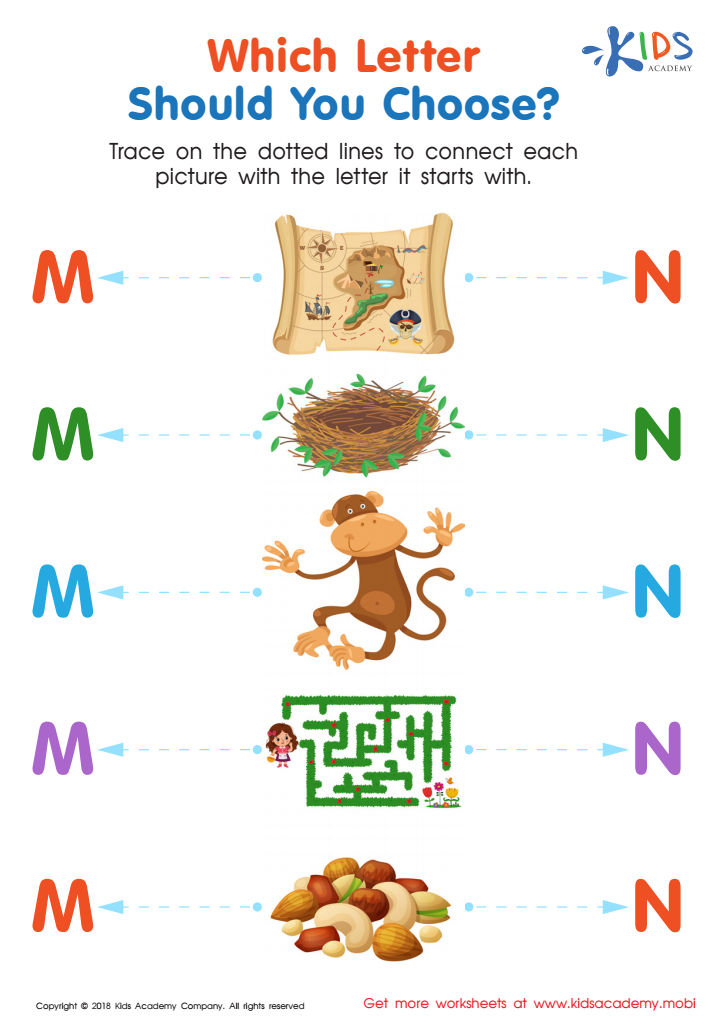
Which Letter Should you Choose? Worksheet






Problem-solving skills are crucial for children aged 6-8 as they form the foundation for critical thinking and effective communication. Teaching upper and lowercase letters as part of problem-solving activities helps children connect literacy with real-world scenarios. When students learn to differentiate between uppercase and lowercase letters, they develop attention to detail and enhance their memory skills. This combination is essential in helping them tackle bigger challenges in reading and writing.
Furthermore, engaging in problem-solving while focusing on letters encourages creativity and innovation. Children learn to navigate obstacles—like spelling or punctuation errors—while fostering resilience, a vital skill for lifelong learning.
For parents and teachers, nurturing these skills can enhance a child's academic performance and self-esteem. By integrating letter recognition into problem-solving, children become more confident in their writing abilities, improving their overall literacy. This approach establishes a cross-disciplinary understanding, helping young learners relate their literacy knowledge to broader learning experiences. Ultimately, investing in developing problem-solving skills through upper and lowercase letters equips children with essential tools for academic success and prepares them to face various challenges, both in and out of the classroom.







