Visual discrimination skills Upper & Lowercase Letters Worksheets for Ages 6-8
4 filtered results
-
From - To
Enhance your child's visual discrimination skills with our engaging Upper & Lowercase Letters Worksheets, specially designed for ages 6-8. These worksheets help young learners differentiate between similar letters and recognize their forms, an essential foundation for reading and writing. Featuring a variety of fun activities, your child will engage in tasks that promote letter identification, matching, and fine motor skills. Ideal for classroom settings or at-home learning, our printable worksheets offer flexible options to reinforce essential literacy skills. Help your child build confidence in recognizing the alphabet while having fun with these creative and interactive learning tools!

Find Uppercase Letters A, B, and C Worksheet
 Assign to My Students


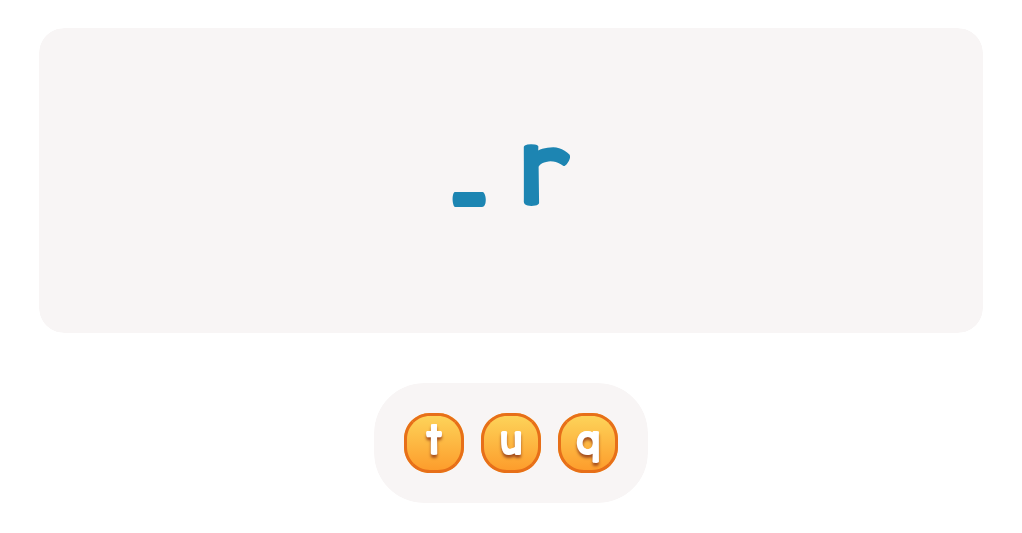
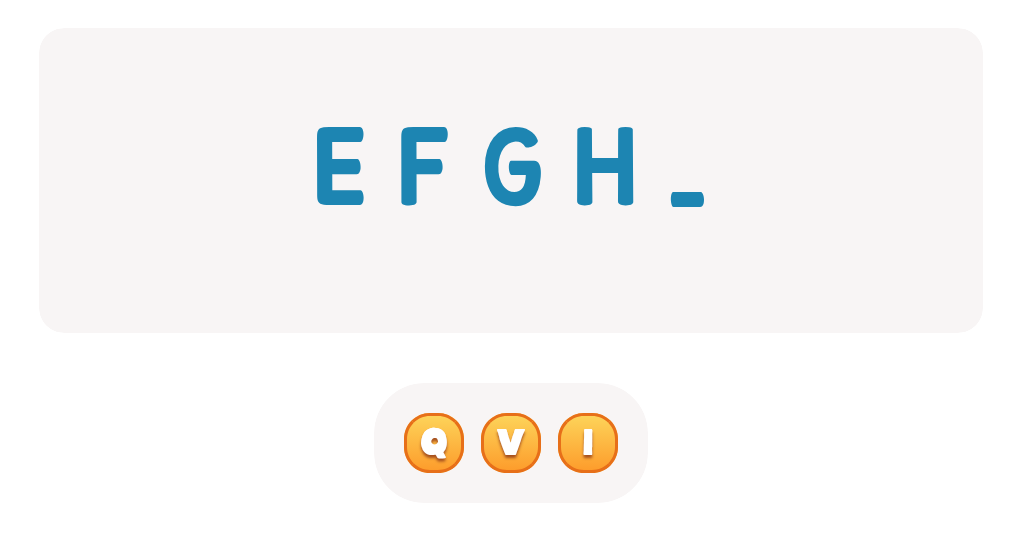
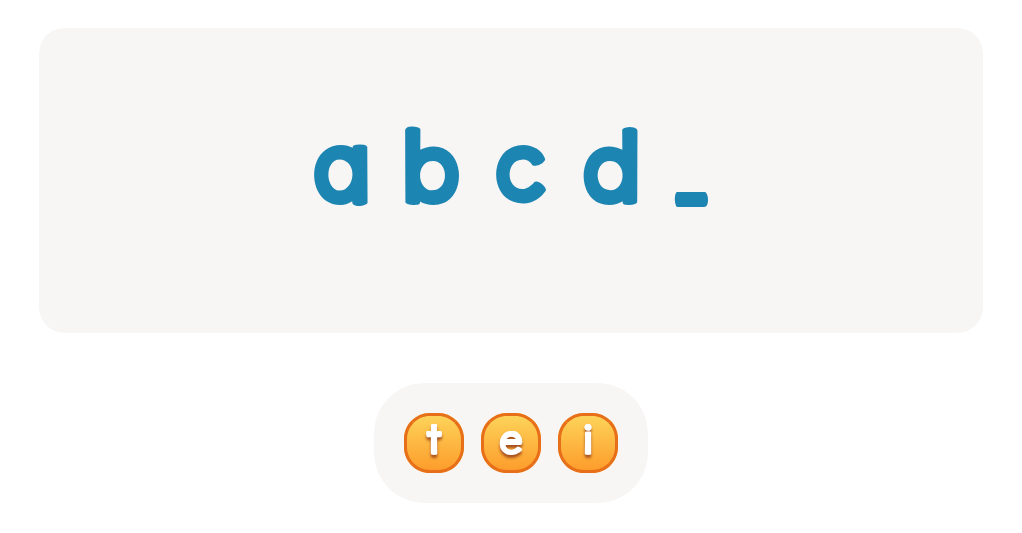

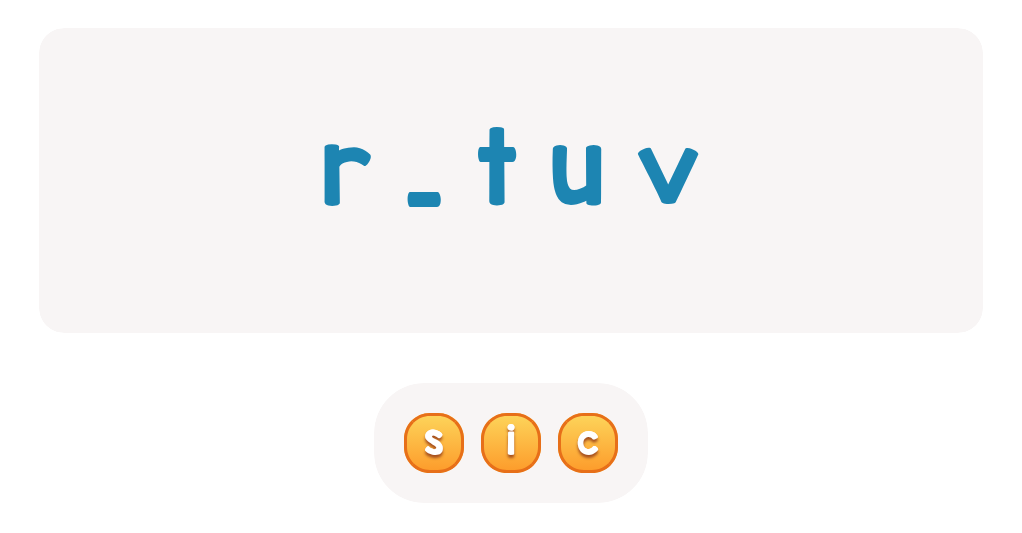
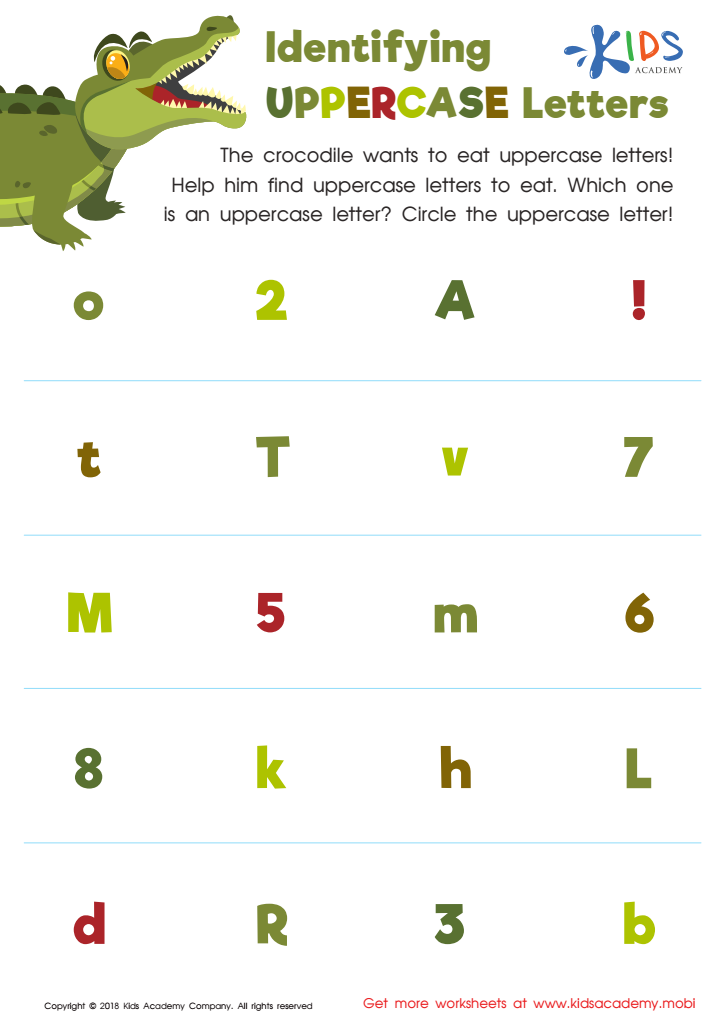
Identifying Uppercase Letters Worksheet
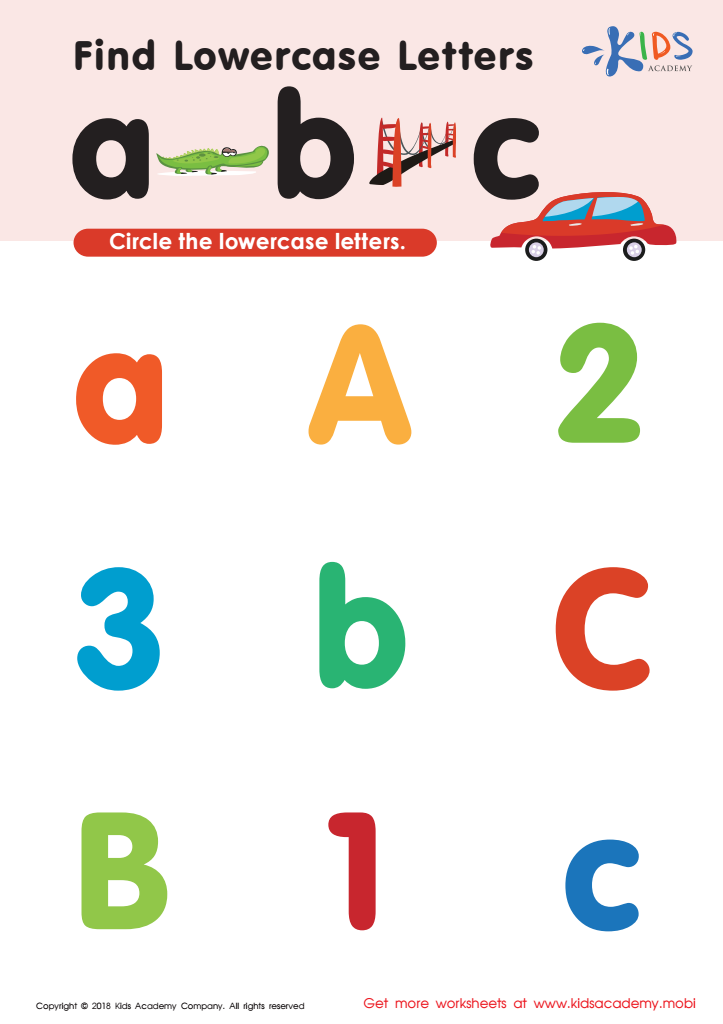
Find lowercase letters a b c Worksheet
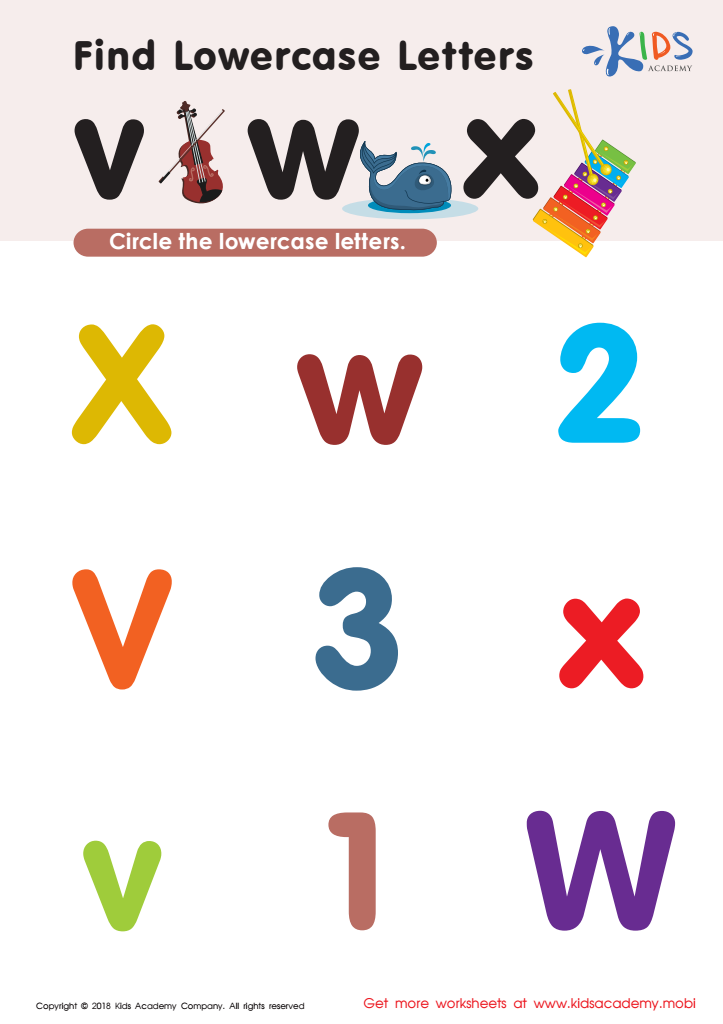
Find Lowercase Letters v w x Worksheet






Visual discrimination skills are crucial for children ages 6-8 because they serve as the foundation for reading and writing development. These skills enable children to distinguish between similarly shaped letters, such as 'b' and 'd' or 'p' and 'q,' which is essential when learning to read text accurately. Demonstrating proficiency in recognizing uppercase and lowercase letters is vital for kids at this stage as it aids in developing their literacy skills further.
When parents and teachers emphasize visual discrimination, they contribute positively to a child's self-confidence and academic success. Misidentifying letters can lead to reading difficulties such as dyslexia and other learning challenges. By fostering these skills, educators and parents can create enthusiasm for reading, encouraging children to engage with books and written material.
Moreover, strong visual discrimination skills enhance spelling abilities, word recognition, and overall literacy interactions. The ability to differentiate between letters helps solidify a child's understanding of the alphabet and promotes better writing skills. Prioritizing these skills in early education not only lays the groundwork for academic achievement but also positively impacts a child's lifelong learning journey. Geared toward fostering a love for reading and writing, visual discrimination is a crucial component of early literacy instruction.







