Cognitive Development Vowels Worksheets for Ages 6-8
3 filtered results
-
From - To
Elevate your child’s cognitive development with our engaging Vowels Worksheets designed specifically for ages 6-8. These printable activities help young learners grasp the nuances of vowel sounds while enhancing critical thinking and problem-solving skills. Each worksheet includes fun yet educational exercises that promote letter recognition, phonics, and language comprehension. Perfect for teachers and parents, these resources encourage independent learning and foster a love for literacy. Explore our versatile collection that’s tailored to support your child’s growth, empowering them with the foundational skills they need for effective communication. Start their journey to literacy success today with our captivating cognitive development worksheets!
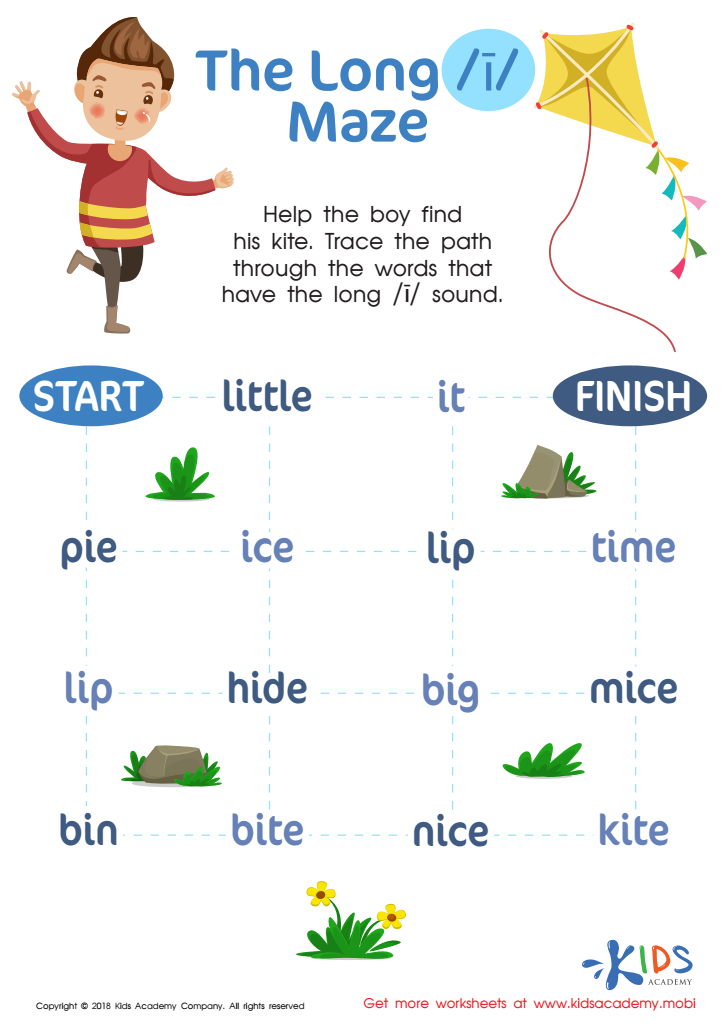
The Long I Maze Reading Worksheet
 Assign to My Students
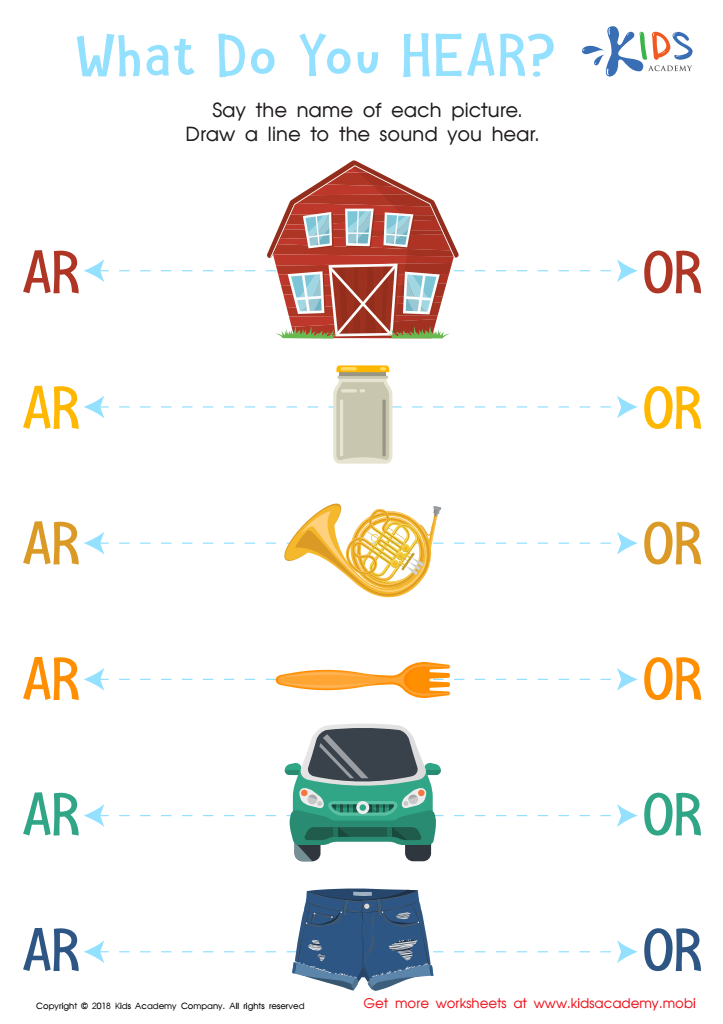
What do you hear Worksheet
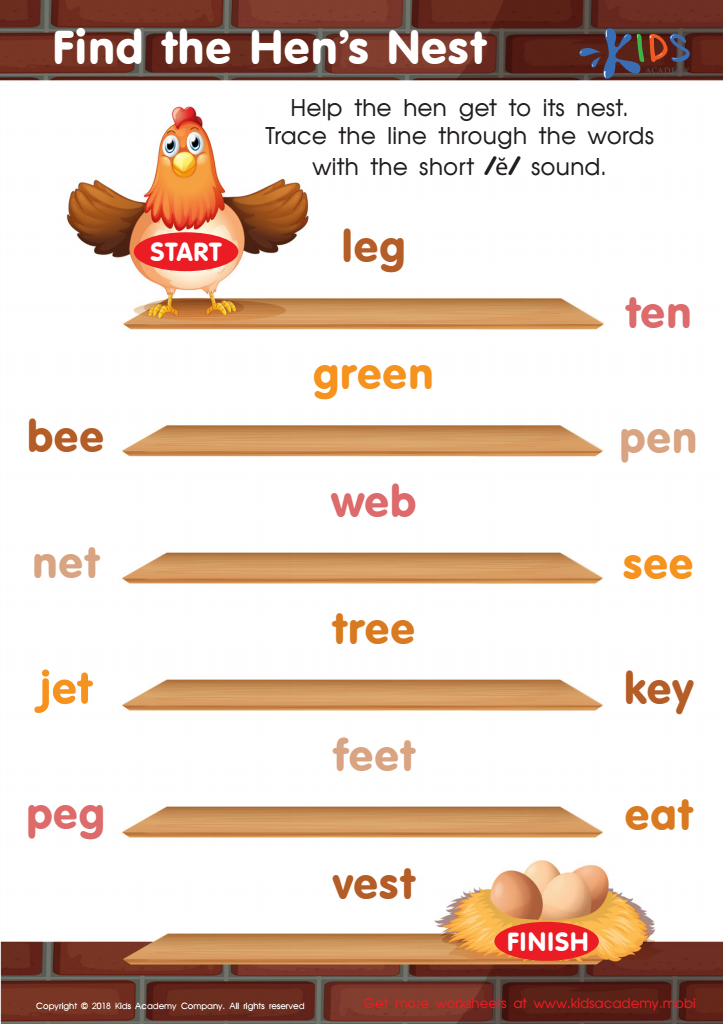
Find Hens Nest Reading Worksheet





Cognitive development at ages 6-8 is a critical phase in a child’s learning journey, particularly concerning language skills and understanding vowels. During this stage, children begin to refine their reading and writing abilities, and vowels play a fundamental role in phonics, which is essential for spelling and comprehension.
Parents and teachers should prioritize cognitive development vowels at this age because they are foundational to effective communication and literacy. Children learn to identify and manipulate vowel sounds, which broaden their vocabulary and enhance their reading fluency. Engaging in activities focused on vowels fosters critical thinking skills as children learn to categorize, compare, and apply their understanding in practical contexts.
Moreover, strong cognitive development in language can facilitate better academic performance across subjects, as literacy skills are linked to comprehension in math and science. Early attention to vowel recognition also boosts a child's confidence in their learning abilities, setting a positive tone for future educational experiences.
Ultimately, nurturing cognitive development related to vowels equips children with the essential tools they need to become successful readers and communicators, laying the groundwork for lifelong learning and academic achievement. This focus not only benefits the individual child but also contributes to a literate and engaged society.







