Color Identification Coloring Pages Worksheets for Ages 6-8
14 filtered results
-
From - To
Explore our engaging Color Identification Coloring Pages Worksheets, specially designed for children ages 6-8! Perfect for enhancing color recognition skills, these fun and interactive worksheets encourage kids to identify and explore different colors while indulging in creative expression. Each page features unique illustrations that captivate young minds and foster a love for learning through art. As children color, they gain valuable lessons in color names and matching, making it an ideal activity for cognitive development at home or in the classroom. Download these delightful worksheets today and watch your child's confidence in color identification flourish!
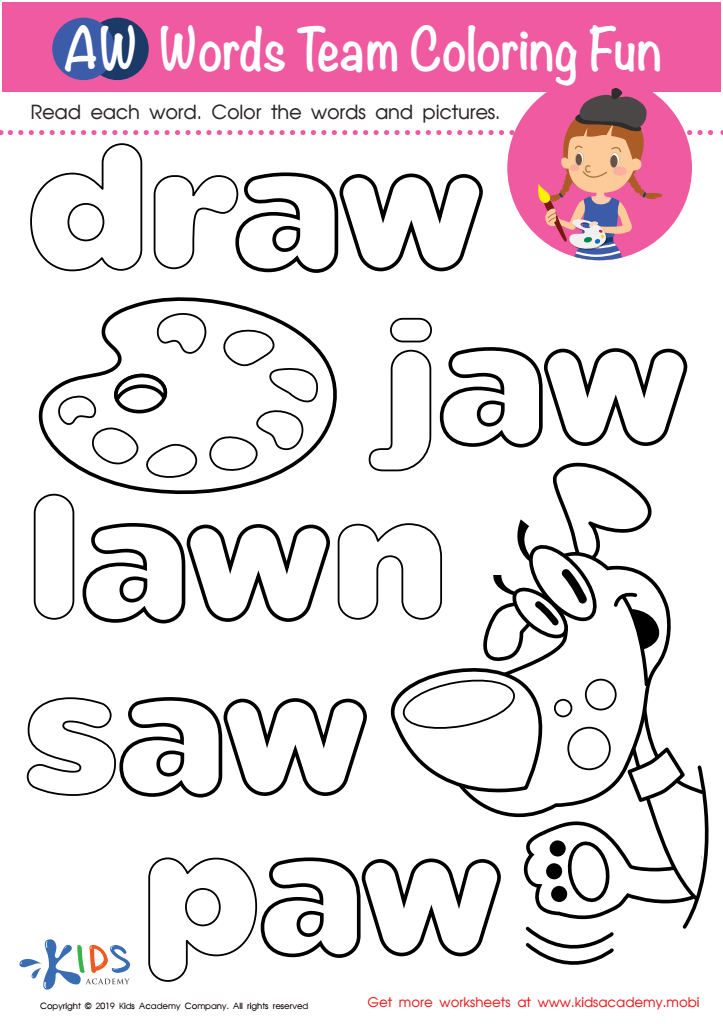
AW Words Team Coloring Fun Worksheet
 Assign to My Students
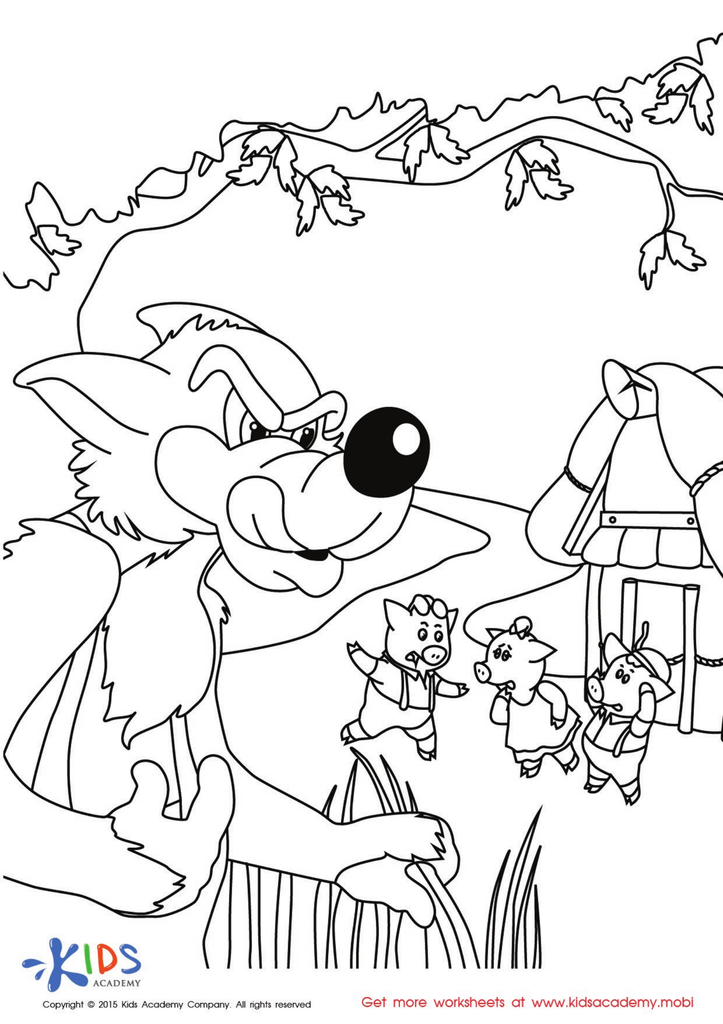
The Story of the Three Little Pigs Coloring Worksheet
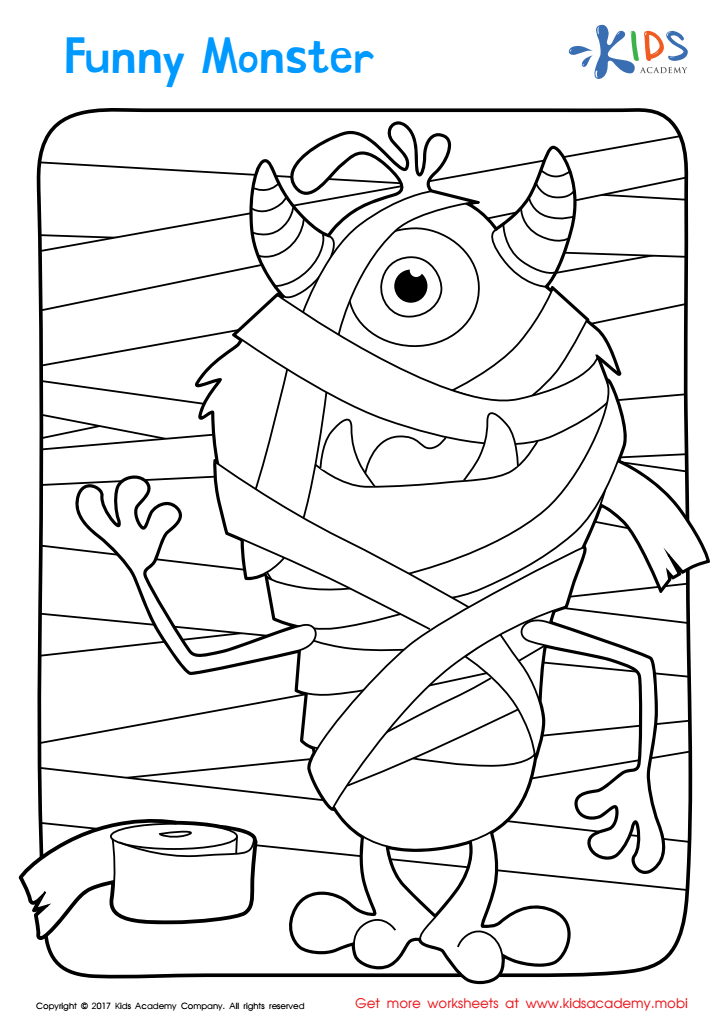
Halloween: A Funny Monster Worksheet
Assign to My Students
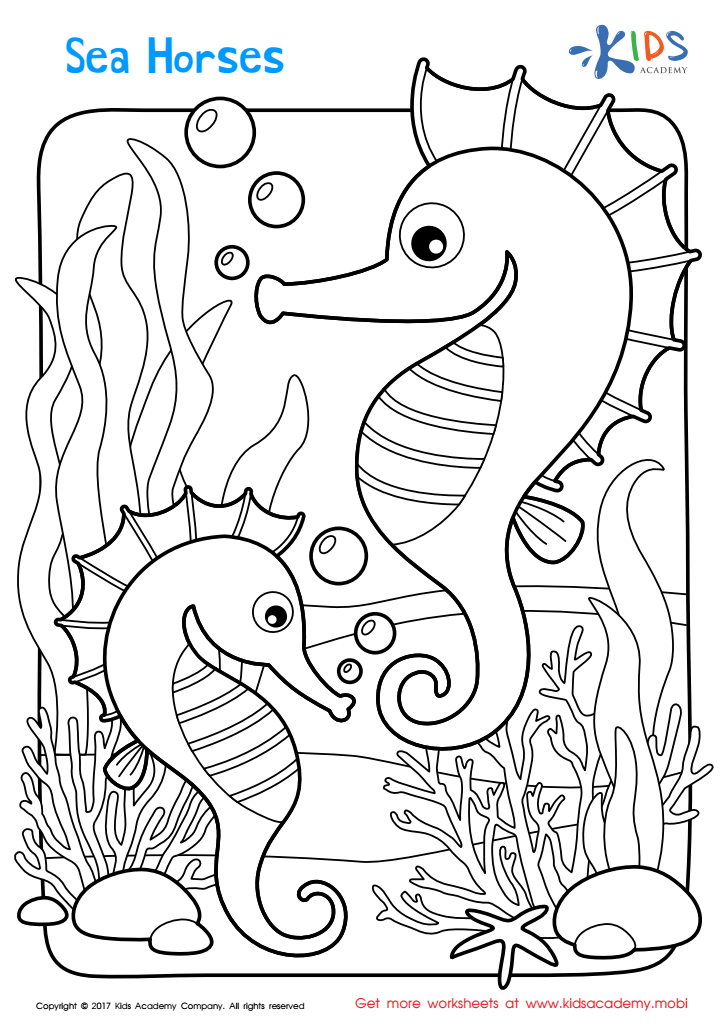
Sea Horses Printable
Assign to My Students
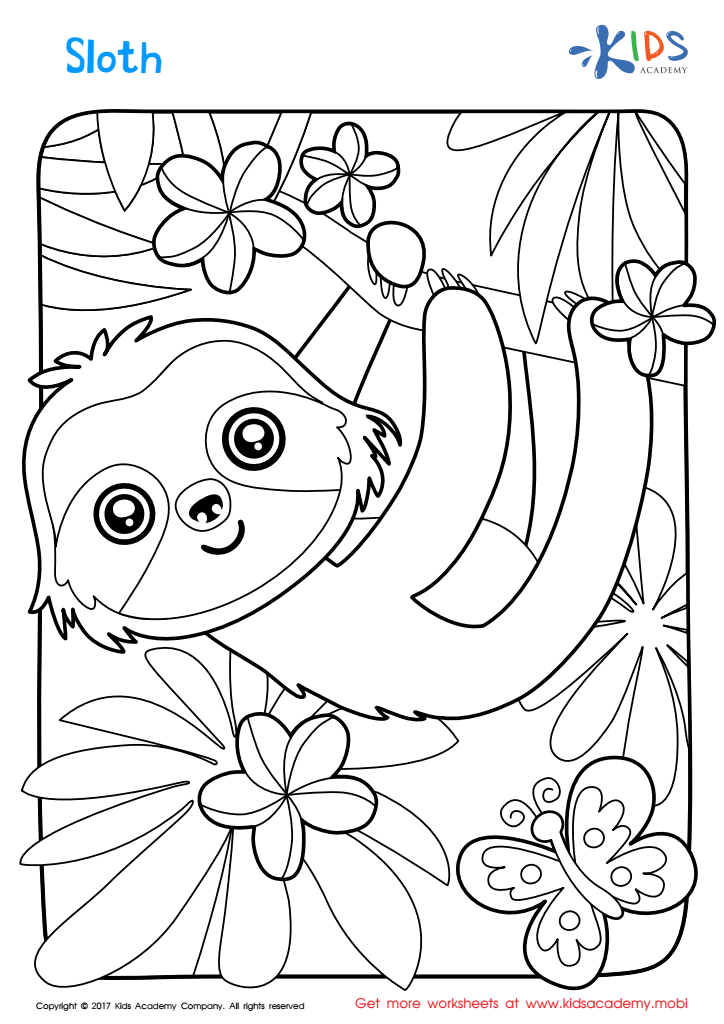
Sloth Worksheet
Assign to My Students
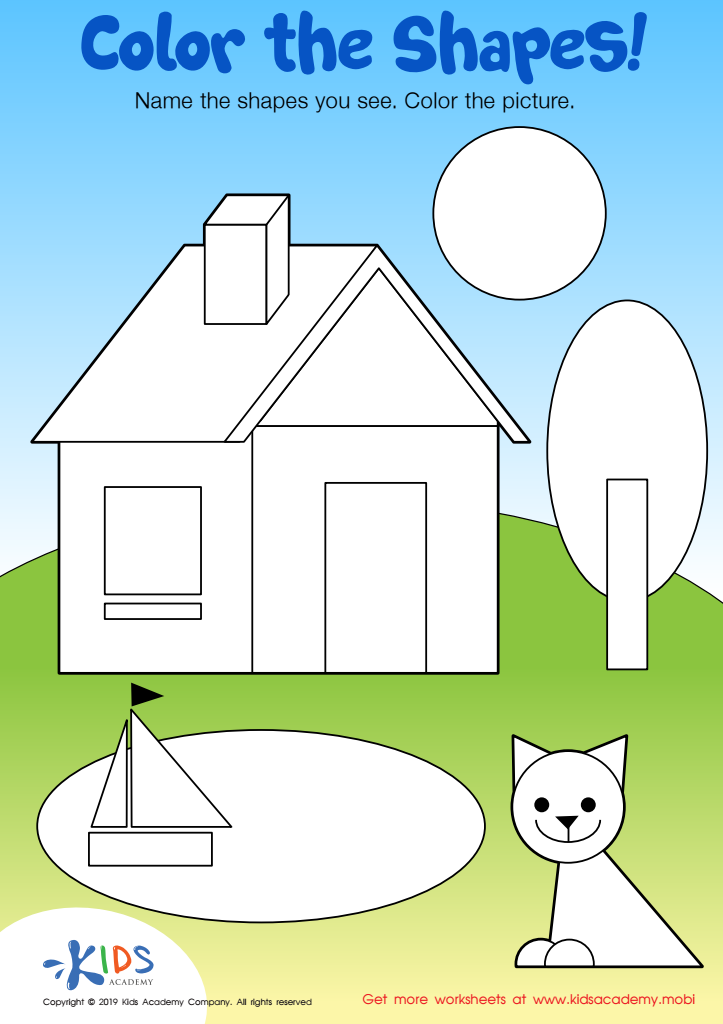
Color the Shapes Worksheet
Assign to My Students
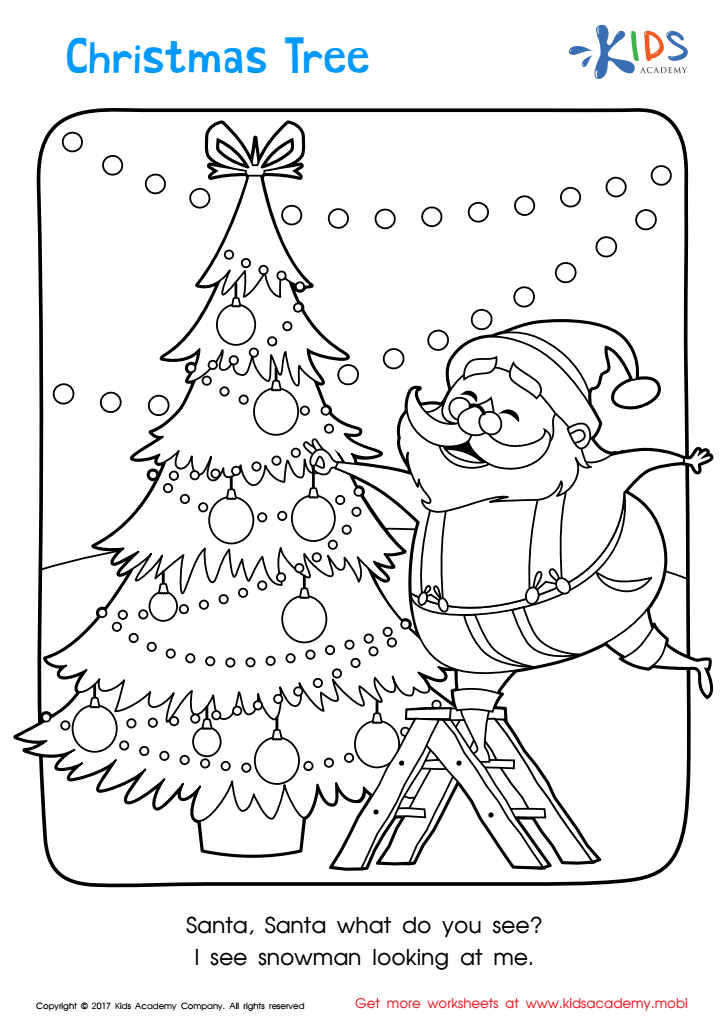
Christmas: Christmas Tree Printable
Assign to My Students
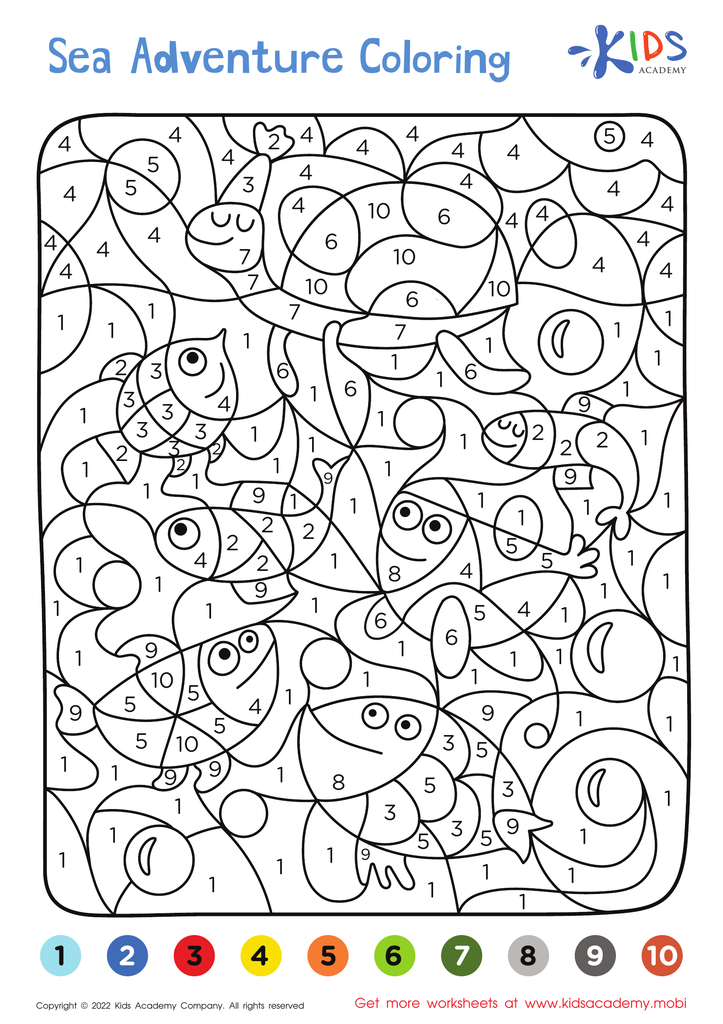
Sea Adventure – Coloring by Numbers
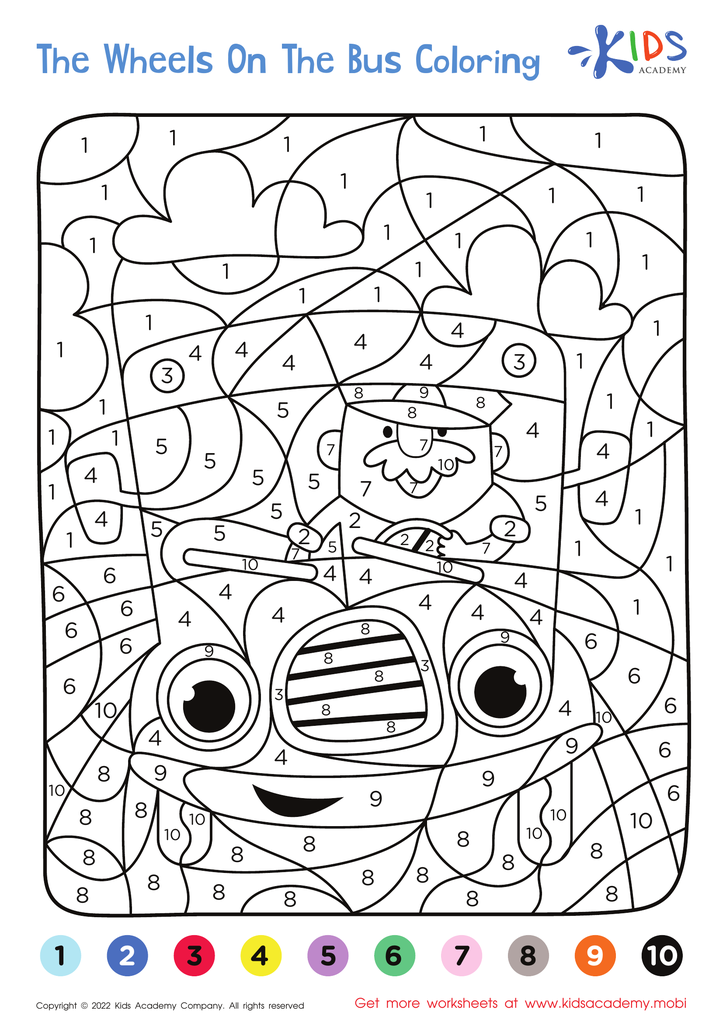
Wheels on the Bus – Coloring by Numbers
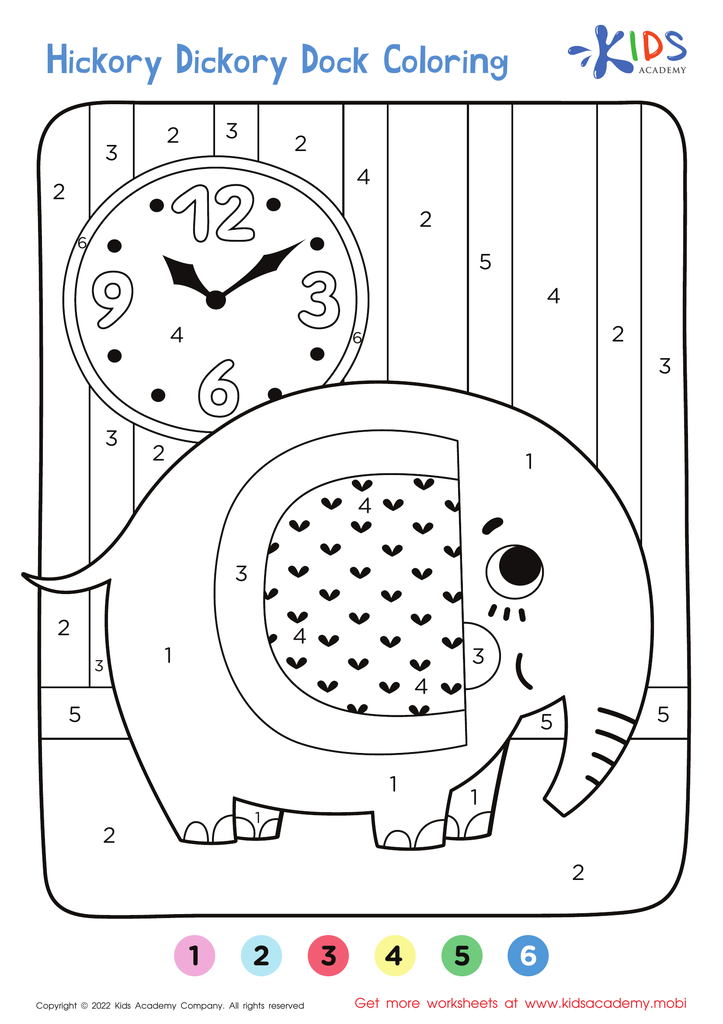
Hickory Dickory Dock – Coloring by Numbers
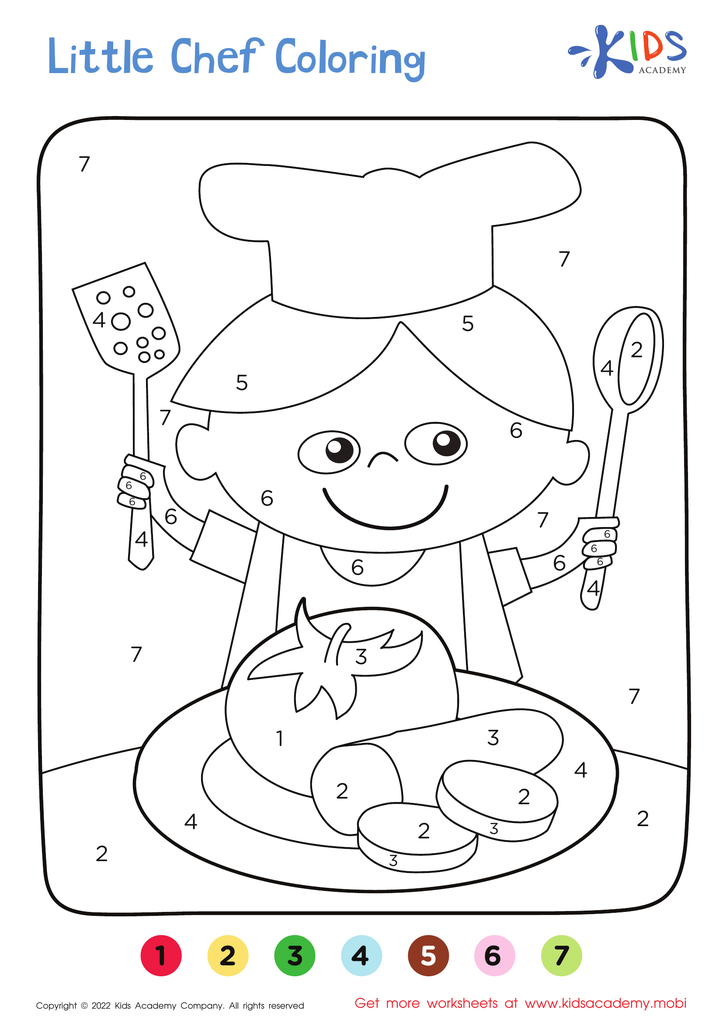
Little Chef – Coloring by Numbers
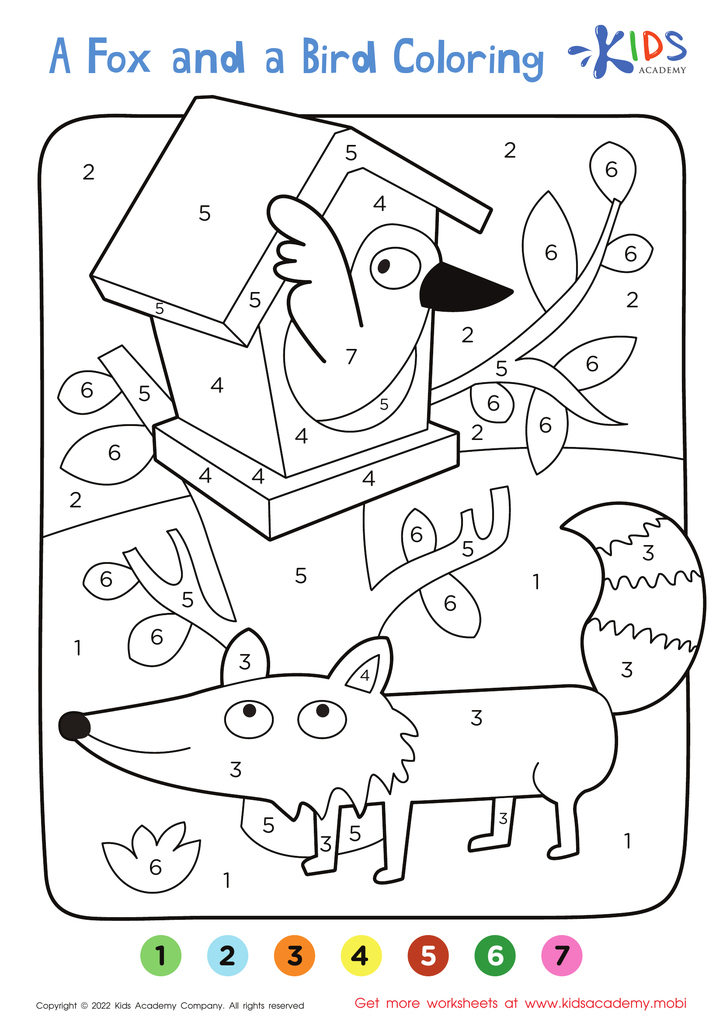
A Fox and a Bird – Coloring by Numbers
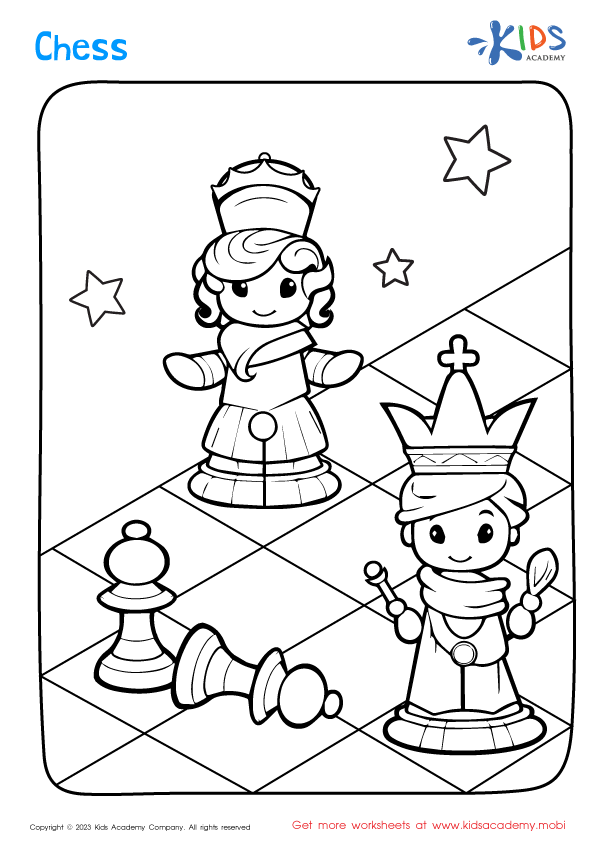


.jpg)





Parents and teachers should care about color identification coloring pages for children ages 6-8 for several compelling reasons. Firstly, these activities foster essential developmental skills. Color identification helps children recognize and name different colors, which is fundamental for early literacy and cognitive development. By involving colors in learning, children engage more actively, reinforcing their understanding and retention.
These coloring pages also support fine motor skills development. As children color within the lines, they improve their hand-eye coordination, dexterity, and control, crucial for tasks like writing and drawing later on. Additionally, coloring encourages creativity and self-expression, allowing children to personalize their work and explore their artistic abilities.
Moreover, color identification activities can promote emotional well-being. They serve as a relaxing, creative outlet, allowing children to focus and reduce stress. Furthermore, these pages can aim to teach about various themes, such as nature and diversity, aligning with educational goals.
Ultimately, integrating color identification coloring pages into learning helps create a holistic educational environment that nurtures cognitive, motor, emotional, and social skills, laying a strong foundation for lifelong learning. Hence, parents and teachers should prioritize these engaging resources in early childhood education.