Alphabet Recognition English for Beginners Worksheets for Ages 6-8 - Page 2
32 filtered results
-
From - To
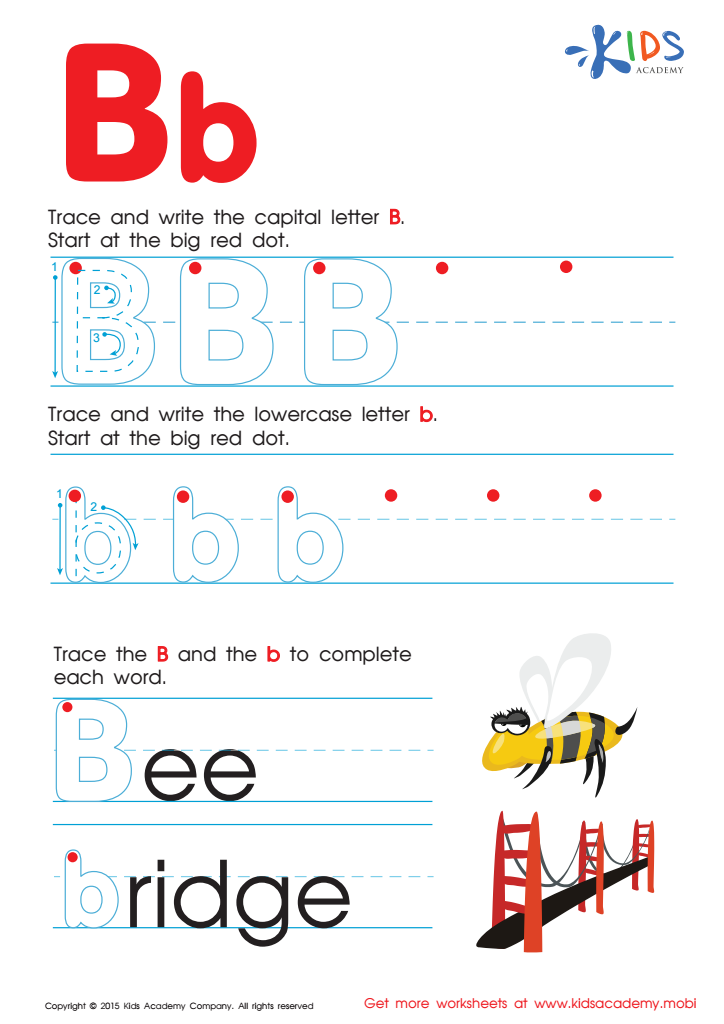
Letter B Tracing Page
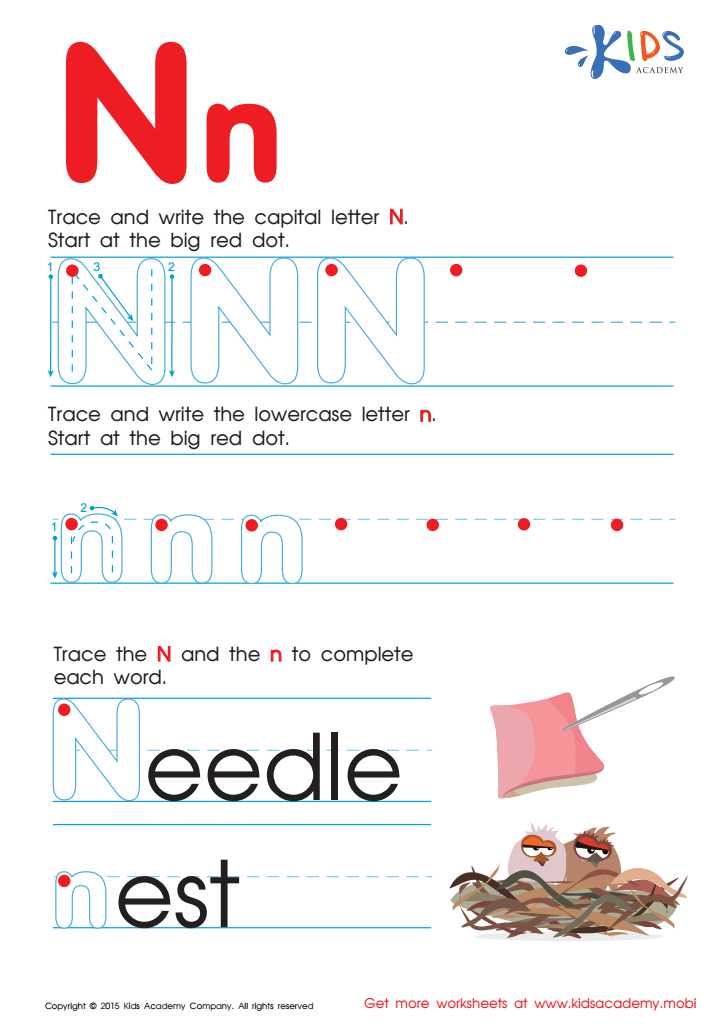
Letter N Tracing Page
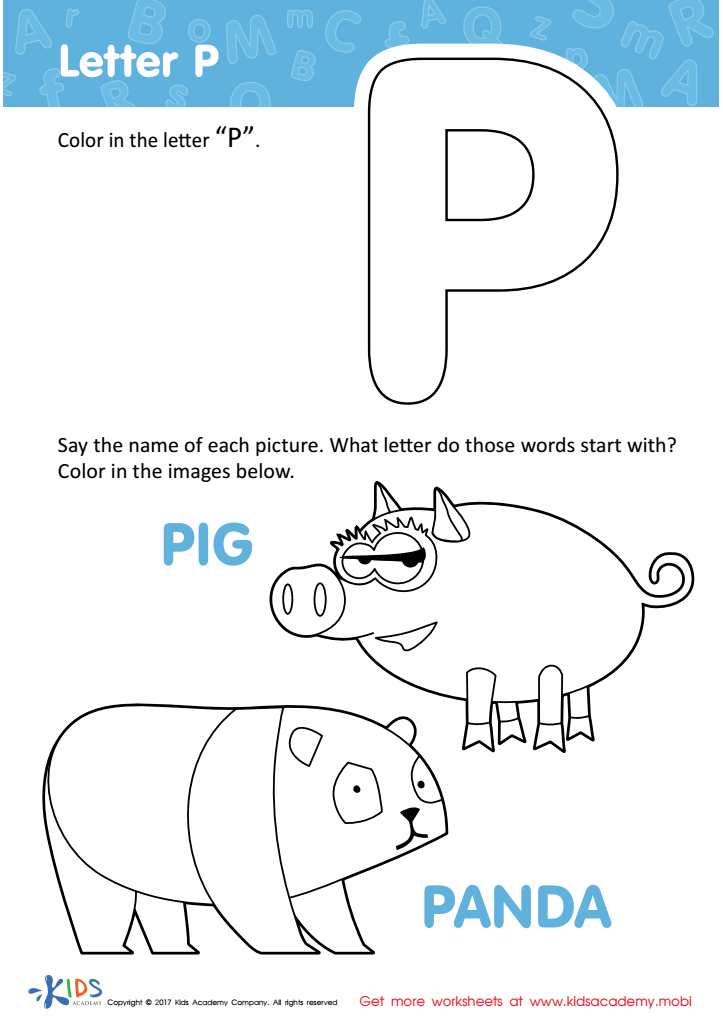
Letter P Coloring Sheet
 Assign to My Students
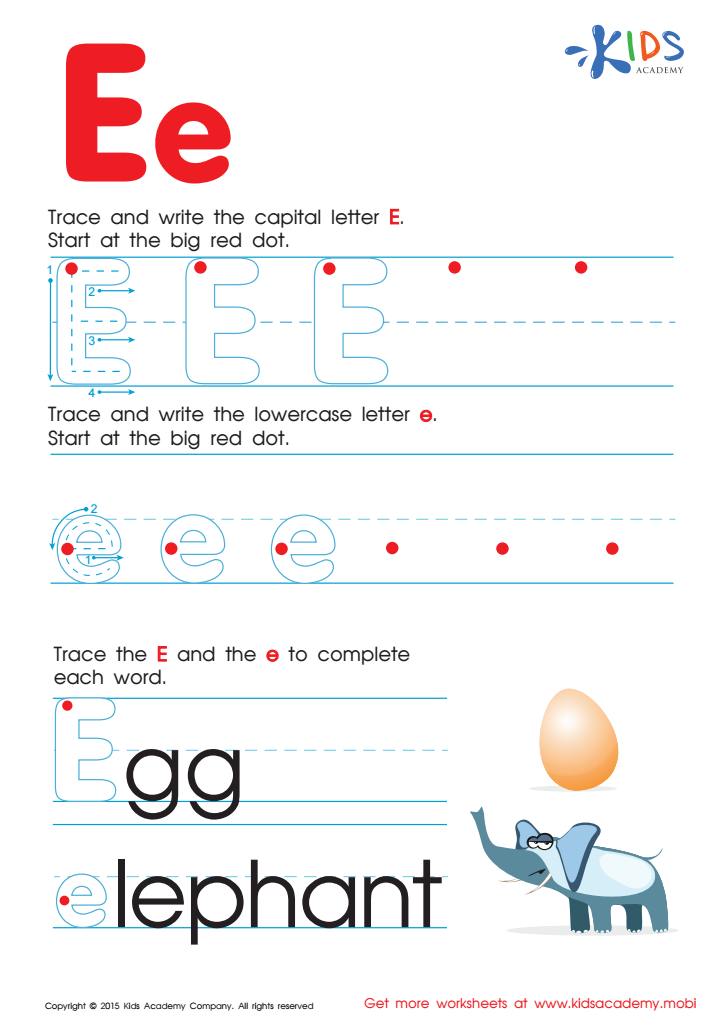
Letter E Tracing Page
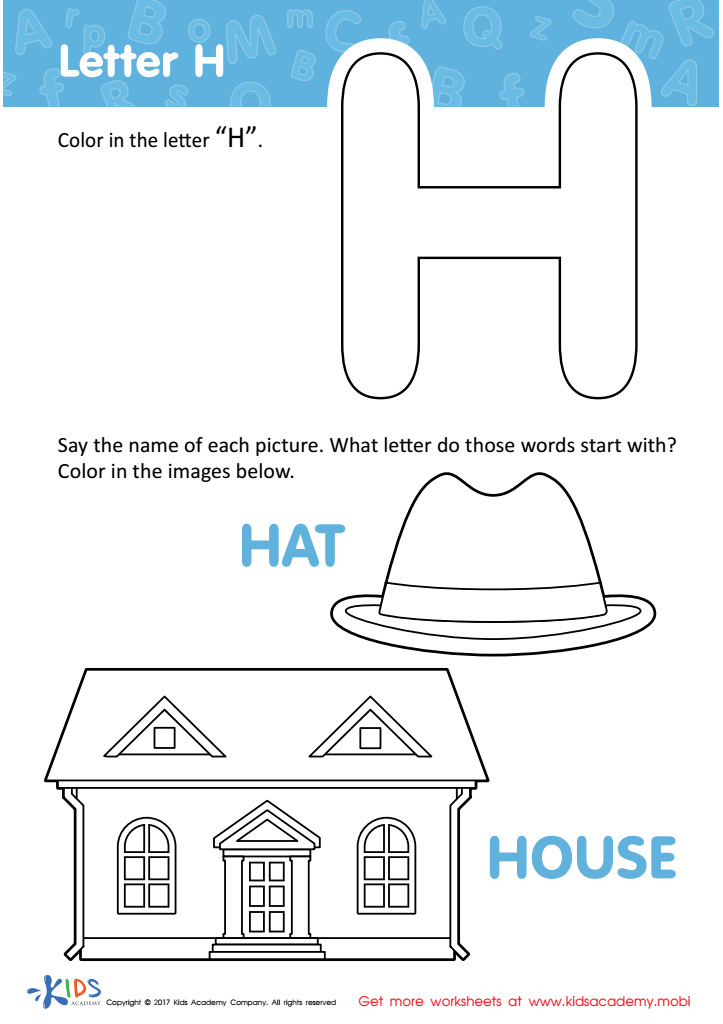
Letter H Coloring Sheet
Assign to My Students
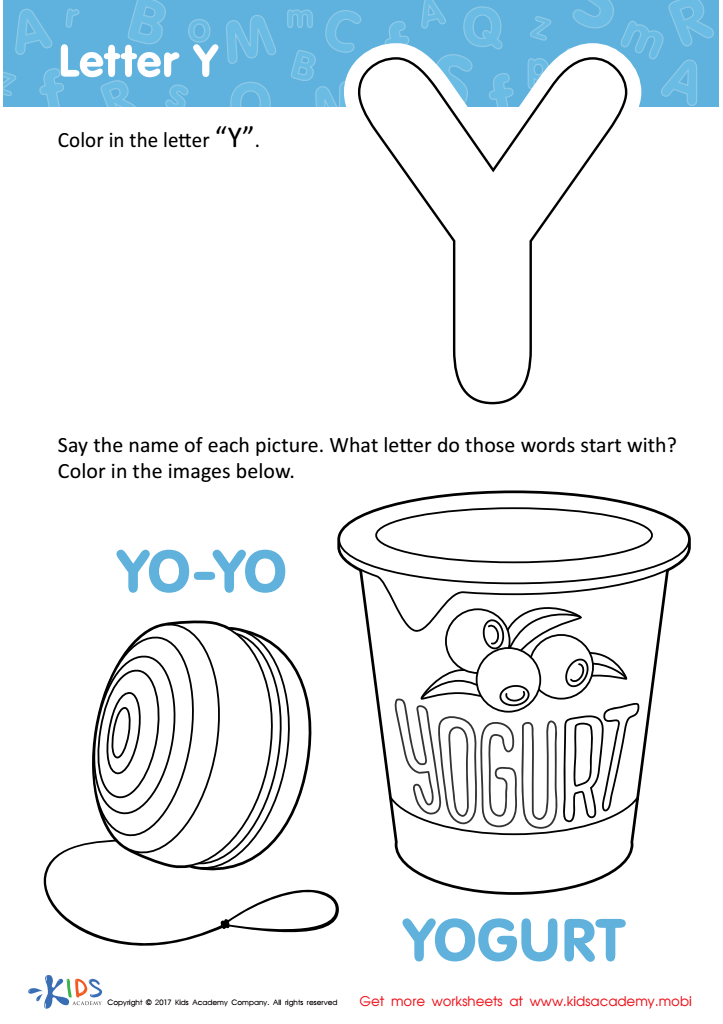
Letter Y Coloring Sheet
Assign to My Students
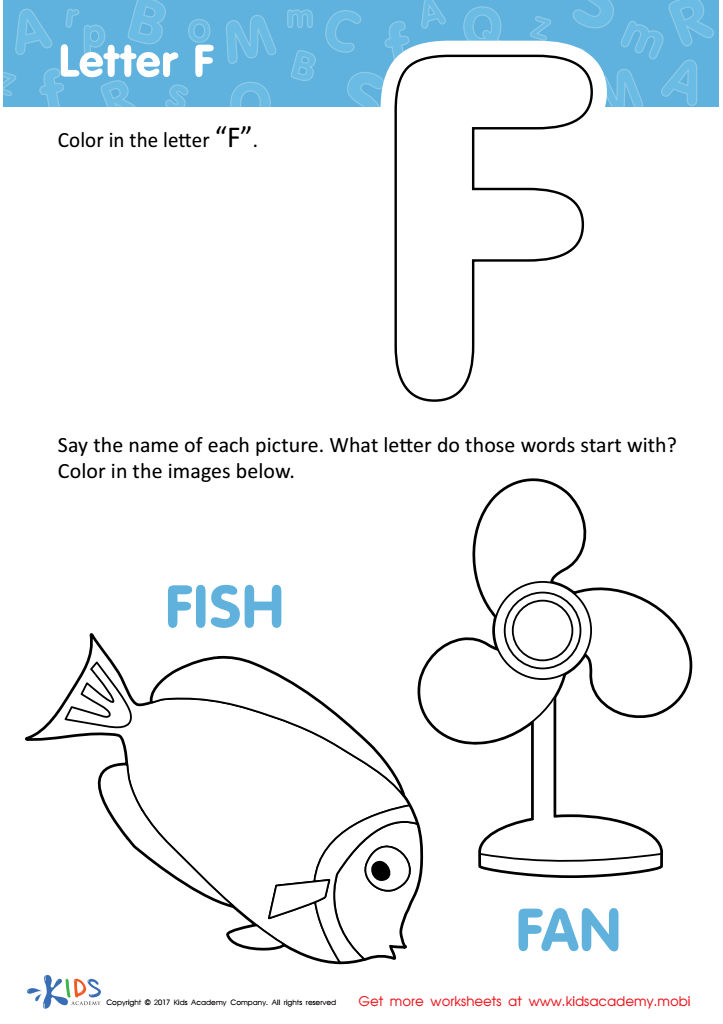
Letter F Coloring Sheet
Assign to My Students
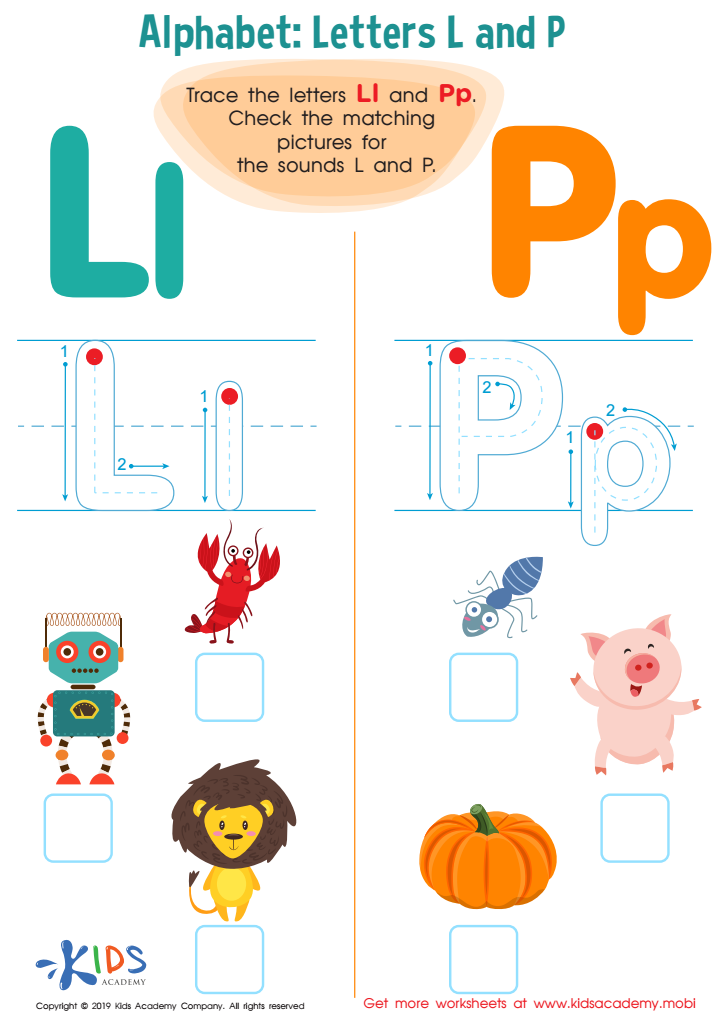
Letter L and P Tracing Worksheet





Alphabet recognition is a foundational skill for young learners, particularly for children aged 6-8. This stage is crucial, as children transition from pre-reading to actual reading and writing. Parents and teachers should be concerned with developing this skill because it serves as the building block for literacy.
When children can recognize letters, they can understand phonics—the relationship between letters and their sounds. This understanding enables them to decode words, which is essential for reading fluency and comprehension. Mastery of alphabet recognition helps build confidence, motivating children to engage with books and literacy activities.
Additionally, alphabet skills can enhance children’s writing and communication abilities. As they become familiar with letters, they improve their spelling and compositional skills, critical for expressing their thoughts effectively. Furthermore, strong literacy skills are essential for academic success across all subjects, not just English.
Supporting alphabet recognition allows parents and teachers to encourage a love for reading and learning. By fostering these skills early, we equip children with the necessary tools to thrive both in school and everyday life. Ultimately, alphabet recognition paves the way for lifelong literacy and learning, benefiting children beyond their elementary education.