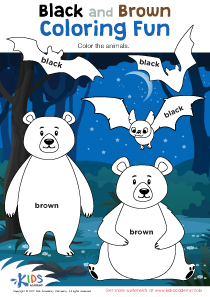
Alphabetical order understanding English for Beginners Worksheets for Ages 6-8
4 filtered results
-
From - To
Welcome to our "Alphabetical Order Understanding English for Beginners Worksheets" specifically designed for kids ages 6-8! These engaging worksheets help young learners grasp the concept of alphabetical order in a fun and interactive way. Each activity encourages critical thinking and enhances vocabulary development through organized letter sequences. With colorful illustrations and varied exercises, children can practice sorting words and familiarizing themselves with the English alphabet. Ideal for classroom settings or at-home learning, these worksheets provide an essential foundation for effective written communication. Start your child's journey to mastering English alphabetization skills today, making learning both enjoyable and educational!
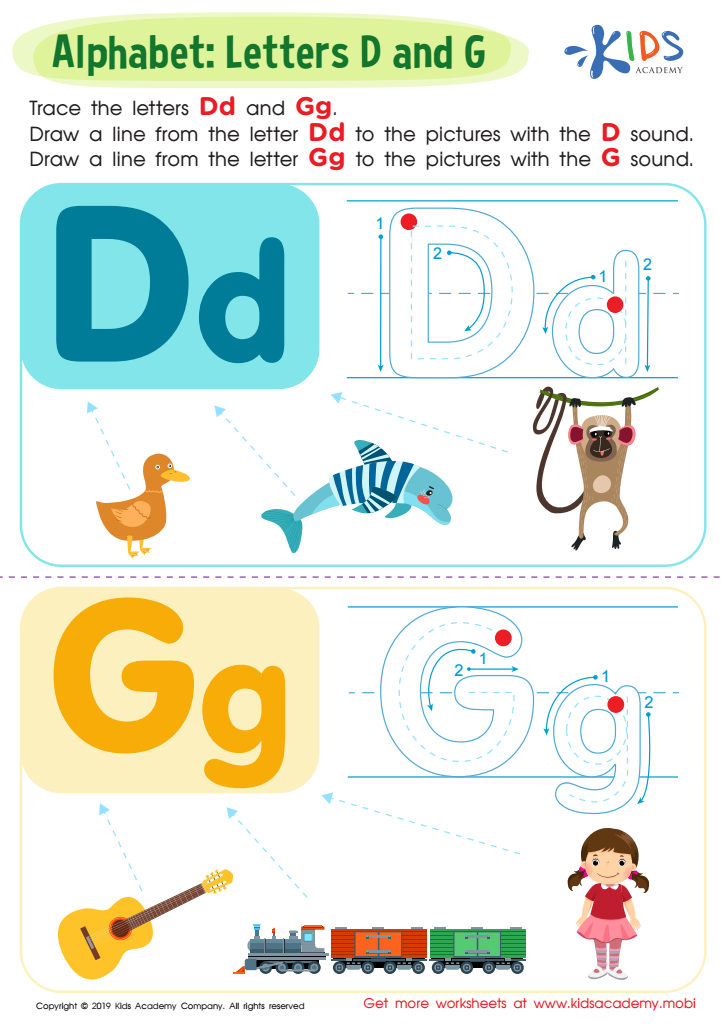
Letter D and G Tracing Worksheet

Letter G Tracing Page
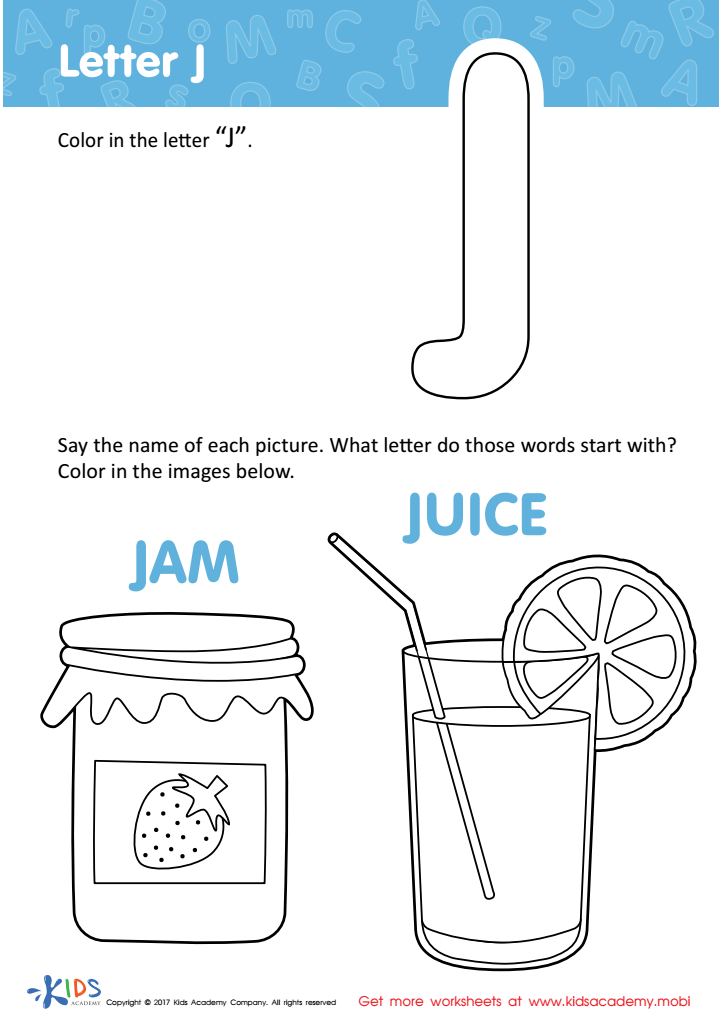
Letter J Coloring Sheet
 Assign to My Students
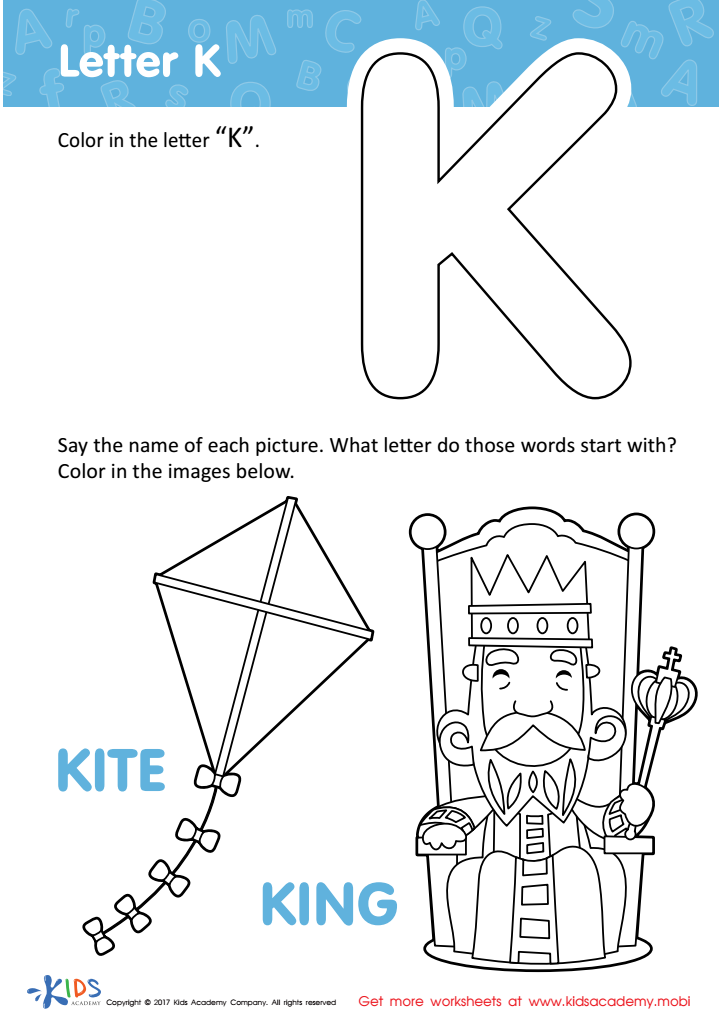
Letter K Coloring Sheet
Assign to My Students





Understanding alphabetical order is fundamental for young learners, especially those aged 6-8, as it plays a crucial role in literacy development. Familiarity with the alphabet helps children recognize letters and their corresponding sounds, which is essential for reading and writing. When children learn to arrange words in alphabetical order, they enhance their vocabulary and build phonemic awareness.
For parents and teachers, fostering this understanding can immensely benefit a child’s educational journey. Alphabetical order is not only vital for spelling and organizing information but also forms the basis for effective research skills—children learn to locate books and resources in libraries or digital platforms.
Additionally, mastering alphabetical order instills a sense of competence and confidence in young learners, encouraging them to explore language creatively—be it through storytelling or writing poems. Incorporating fun activities that engage children in alphabetical sorting or games can make the learning process enjoyable, thereby enhancing retention.
In essence, when parents and teachers prioritize mastery of alphabetical order, they support children in becoming more skilled readers and writers, laying a strong foundation for their ongoing educational success. This foundational skill is critical for promoting overall literacy and a love for learning in the early years.