Letter Tracing Practice English for Beginners Worksheets for Ages 6-8
3 filtered results
-
From - To
Welcome to our Letter Tracing Practice Worksheets for Beginners, designed specifically for children aged 6-8. These engaging worksheets provide a fun and interactive way for young learners to improve their handwriting skills, build letter recognition, and gain confidence in writing. Each worksheet features clear, guided letter tracing exercises that help children practice uppercase and lowercase letters, enriching their vocabulary in English. Ideal for classroom use or at-home learning, our comprehensive resources cater to varying skill levels. Cultivate a love for writing while ensuring your child develops essential foundational skills in a nurturing and supportive environment. Get started on your learning journey today!
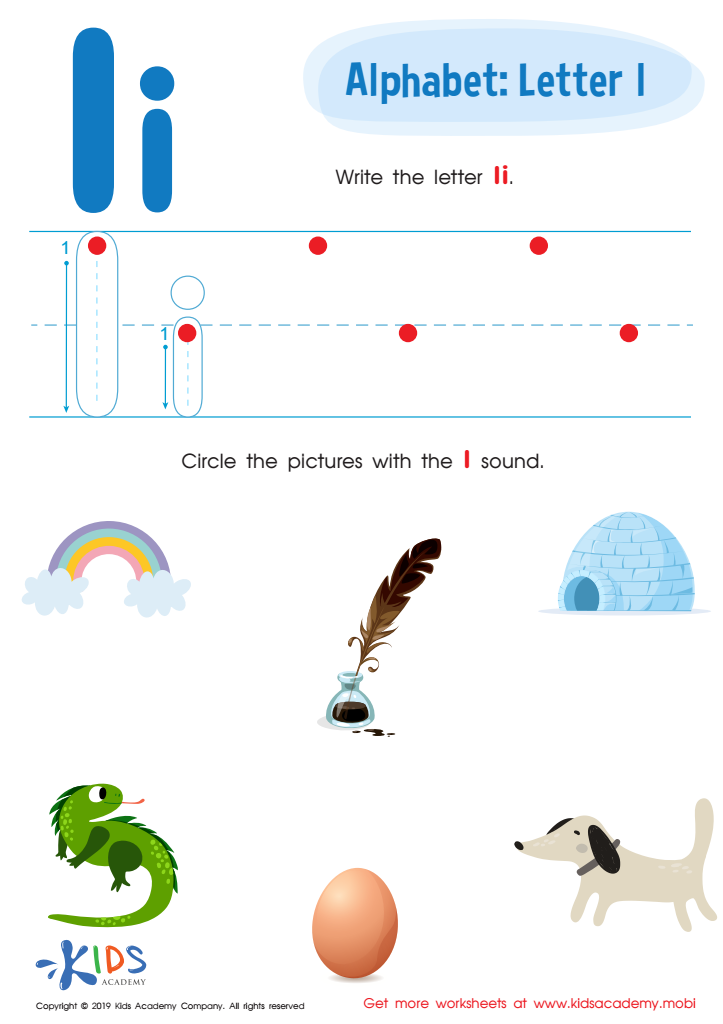
Letter I Tracing Worksheet
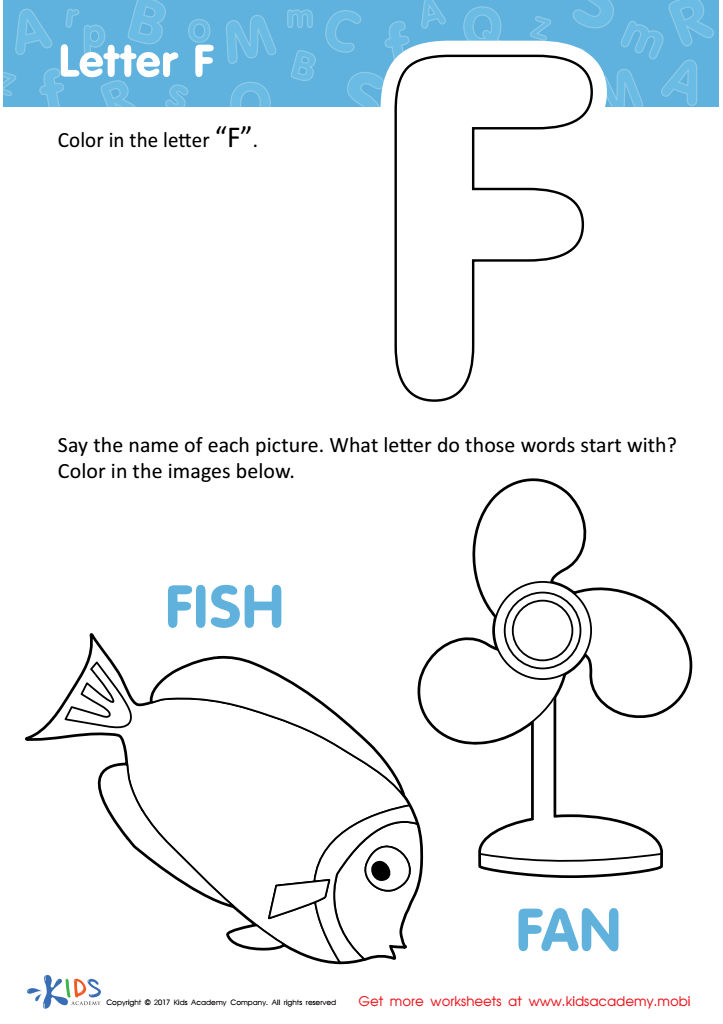
Letter F Coloring Sheet
 Assign to My Students
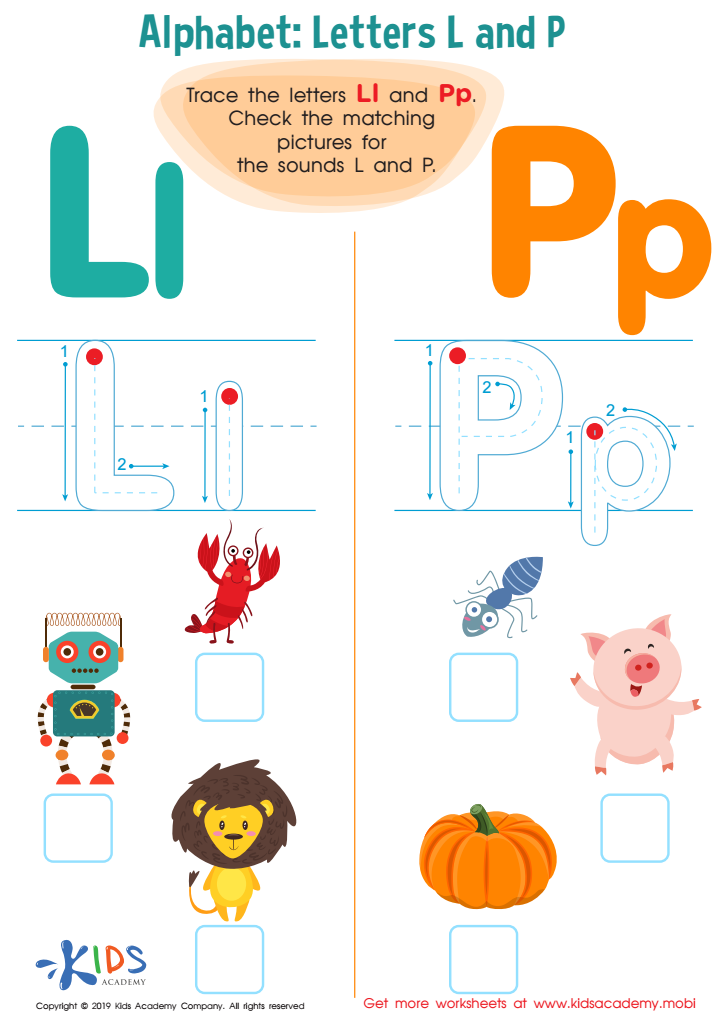
Letter L and P Tracing Worksheet





Letter tracing practice is crucial for children aged 6-8 as they develop foundational literacy skills. At this stage, children are often transitioning from pre-writing skills to more advanced writing abilities. For parents and teachers, supporting this practice is vital for several reasons.
First, tracing helps improve fine motor skills, essential for handwriting proficiency. By guiding younger learners on how to form letters correctly, they gain confidence and control in their writing. This developmental stage is also when children begin to recognize letters and understand their sounds, making tracing an interactive way to enhance phonemic awareness.
Furthermore, letter tracing aids in reinforcing letter recognition, which is crucial for reading and spelling. When children trace, they make connections between the visual representation of letters and their auditory counterparts, paving the way for better literacy outcomes.
Additionally, incorporating tracing into learning routines can be a fun, engaging activity that fosters creativity and concentration. It allows for varied educational experiences through the use of colorful worksheets or digital applications, keeping children motivated.
Ultimately, parents and teachers should care about letter tracing practice because it lays the groundwork for successful reading and writing skills, shapes a love for learning, and nurtures essential cognitive development in young learners.