Boost critical thinking Worksheets for Ages 6-8
5 filtered results
-
From - To
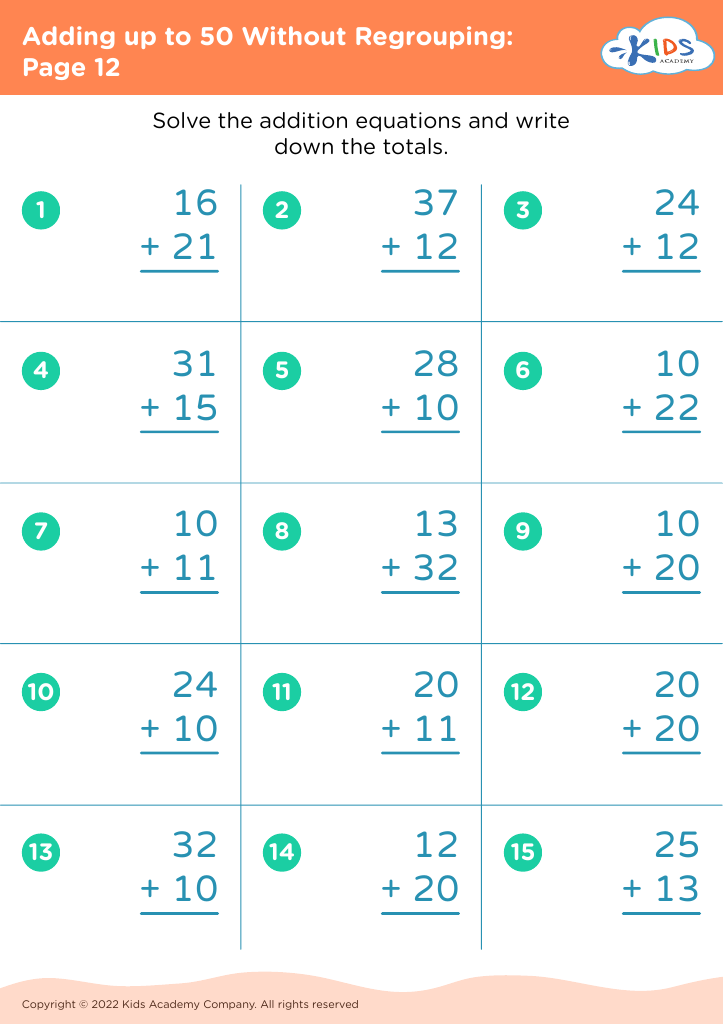
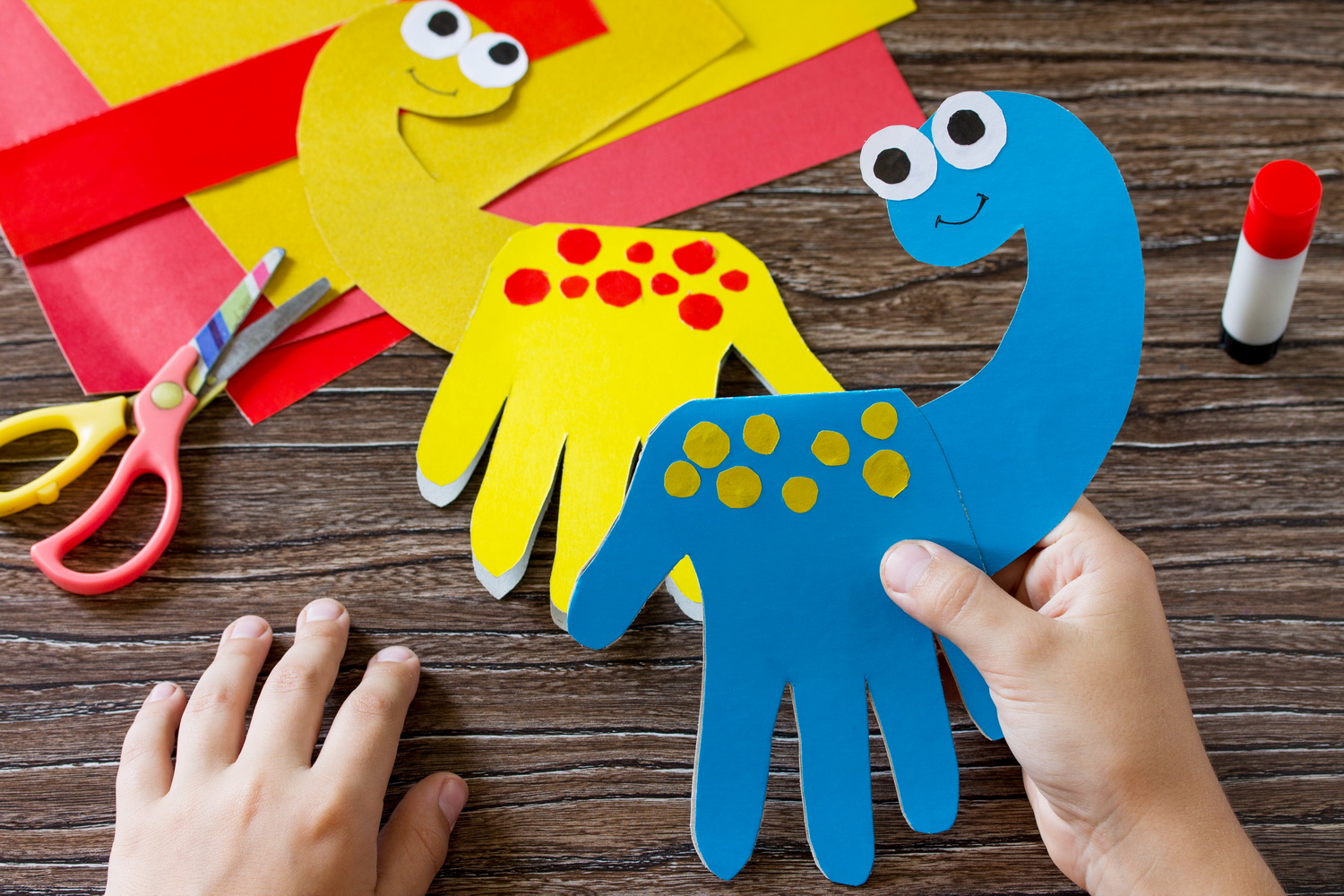
Enhance your child's critical thinking skills with our engaging worksheets designed for ages 6-8! These thoughtfully crafted resources promote creativity, problem-solving, and logical reasoning, laying a strong foundation for academic success. Each worksheet features fun and interactive activities that challenge young minds, encouraging them to analyze, evaluate, and synthesize information. Our easy-to-use printables are perfect for at-home learning or classroom use. By incorporating these worksheets into your child’s routine, you empower them to think independently and critically, cultivating important skills for future learning and life. Explore our enriching collection today and watch your child’s mind flourish!
 Assign to My Students
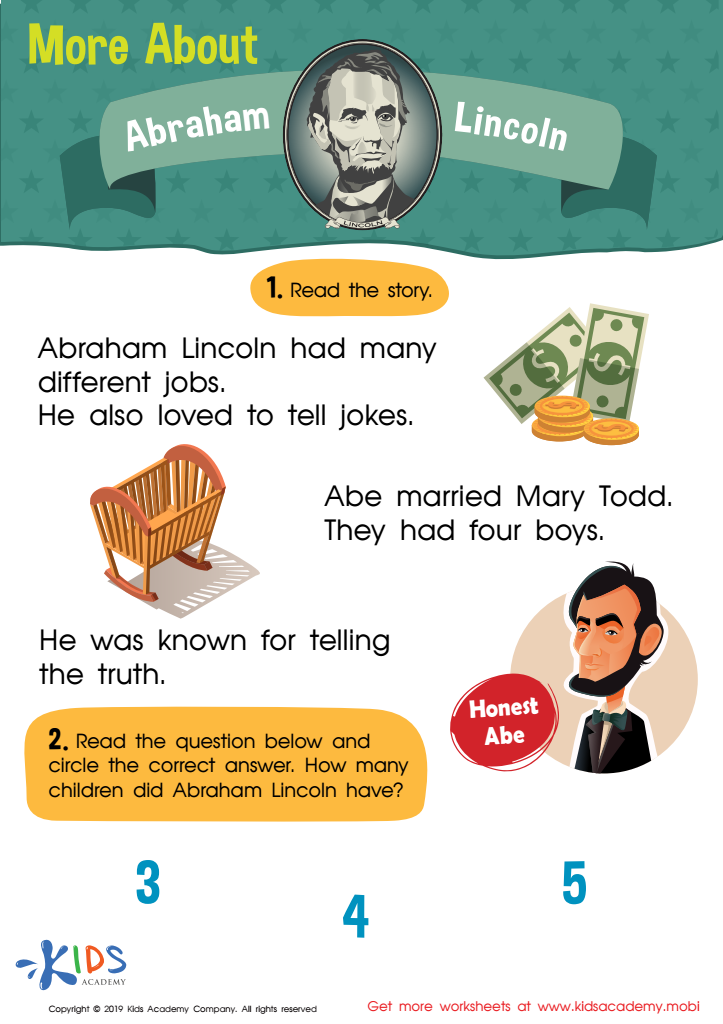
More About Abraham Lincoln Worksheet




.jpg)

Boosting critical thinking for children aged 6-8 is vital for several reasons. At this developmental stage, children are becoming more independent thinkers, and fostering critical thinking skills empowers them to analyze information, ask questions, and solve problems effectively. By promoting these skills, parents and teachers help children learn to evaluate situations, make informed decisions, and approach challenges with confidence.
Engaging in critical thinking activities encourages curiosity and creativity. Children are more likely to explore different perspectives and think outside the box, enriching their learning experience across subjects. This not only supports academic success but also lays the groundwork for lifelong learning habits. Moreover, critical thinking plays a crucial role in emotional intelligence, allowing children to understand and empathize with others, enhancing their social skills and interactions.
In today's rapidly changing world, the ability to critically assess information is more essential than ever, especially in an era filled with abundant and diverse media. By nurturing critical thinking from an early age, parents and teachers are equipping children with the tools they need to navigate their future—both inside and outside the classroom. Ultimately, fostering these skills prepares them for a successful and fulfilling life in an increasingly complex society.








