Building vocabulary Worksheets for Ages 6-8
6 filtered results
-
From - To
Enhance your child's language development with our Building Vocabulary Worksheets designed for ages 6-8. These engaging activities help young learners expand their word knowledge, improve reading comprehension, and boost writing skills. Covering a range of topics, from everyday items to more complex terms, the worksheets feature fun exercises like word matching, fill-in-the-blanks, and sentence construction. Each task aims to make learning new words enjoyable and interactive, encouraging children to explore language with curiosity and confidence. Ideal for homeschoolers and classroom use, our worksheets are a valuable resource for fostering a strong linguistic foundation in early education.
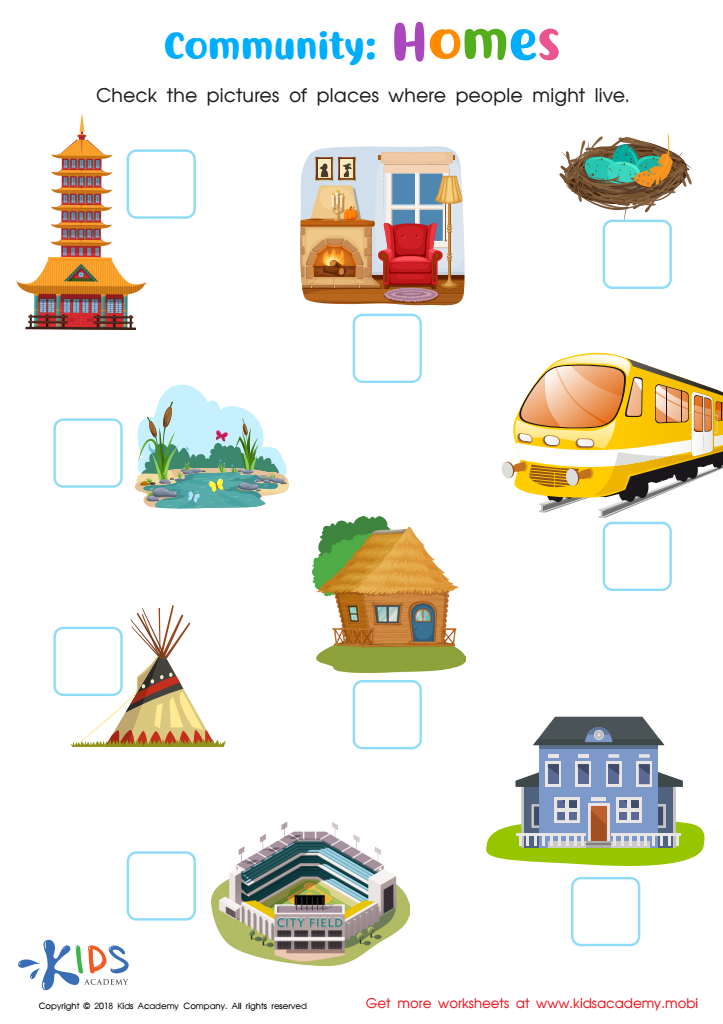
Community: Homes Worksheet
 Assign to My Students
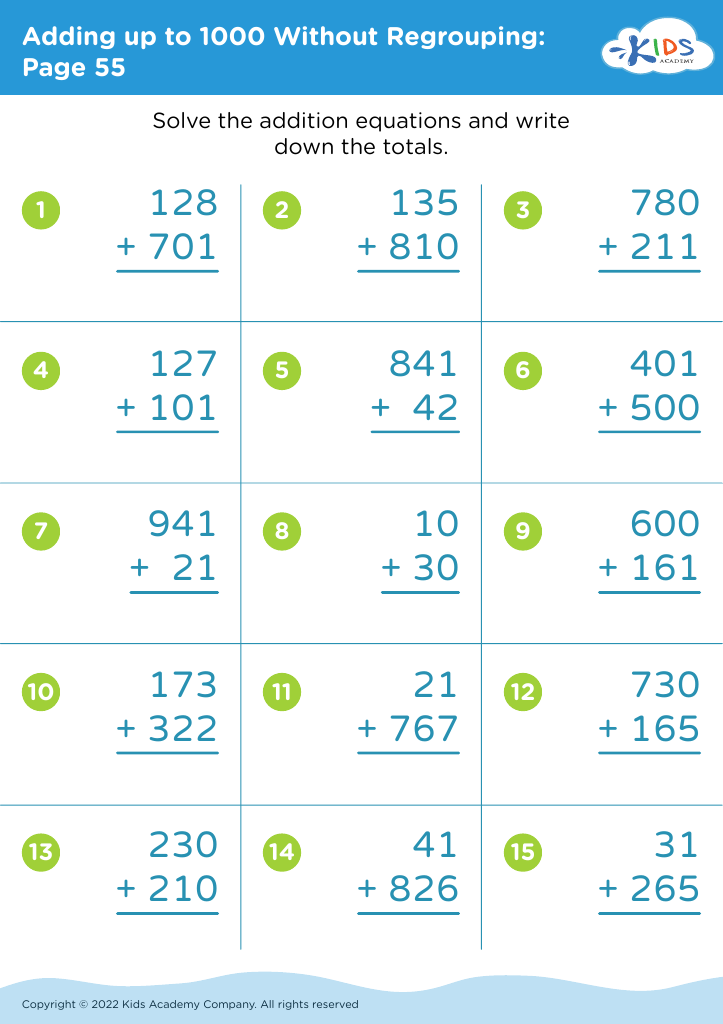
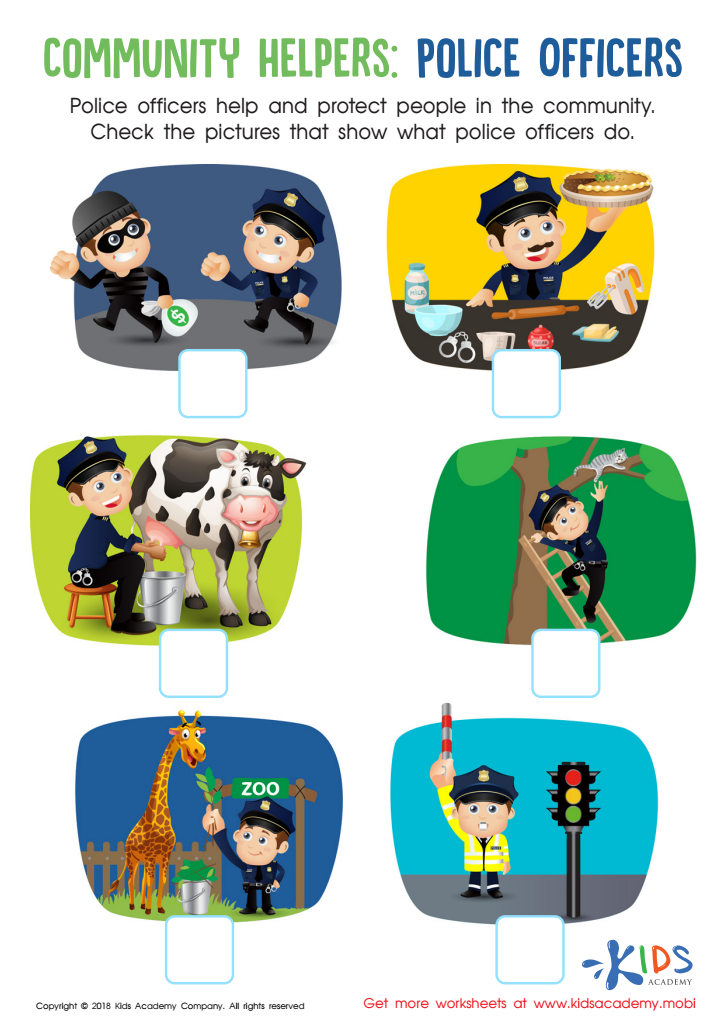
Police Officers Community Helpers Worksheet
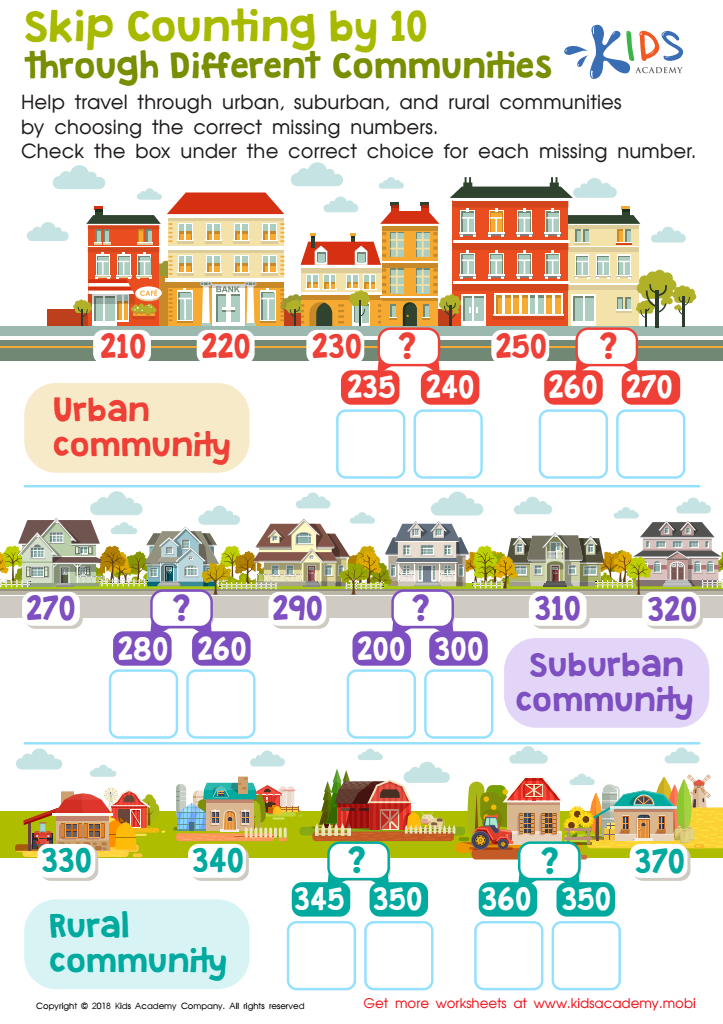
Skip Counting by 10 through Different Communities Worksheet
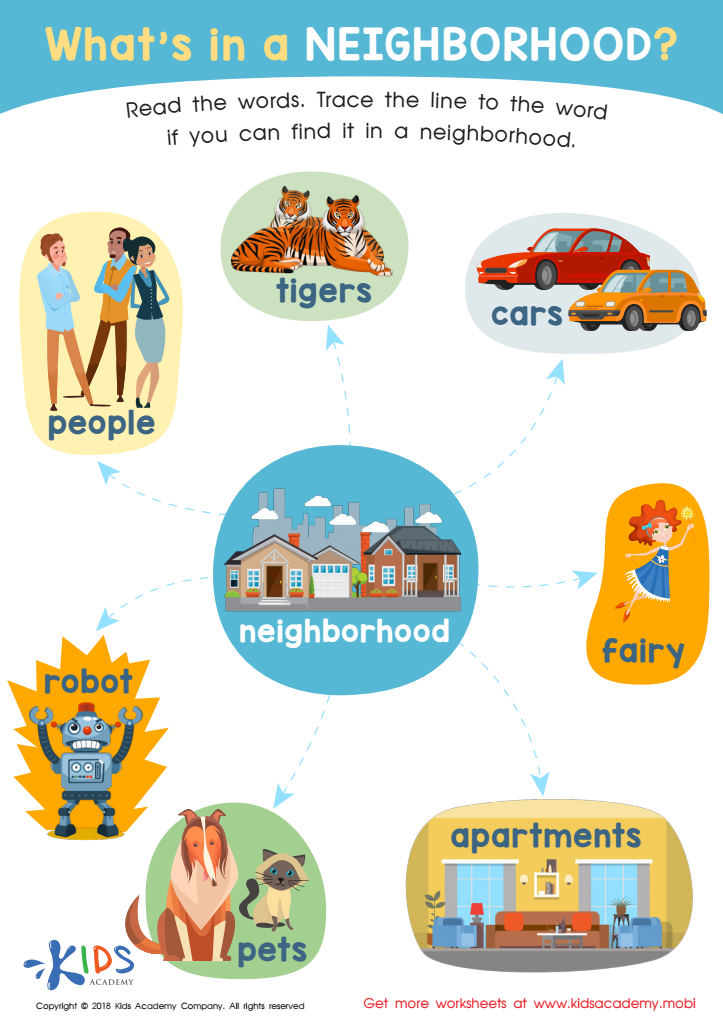
What's in a Neighborhood? Worksheet
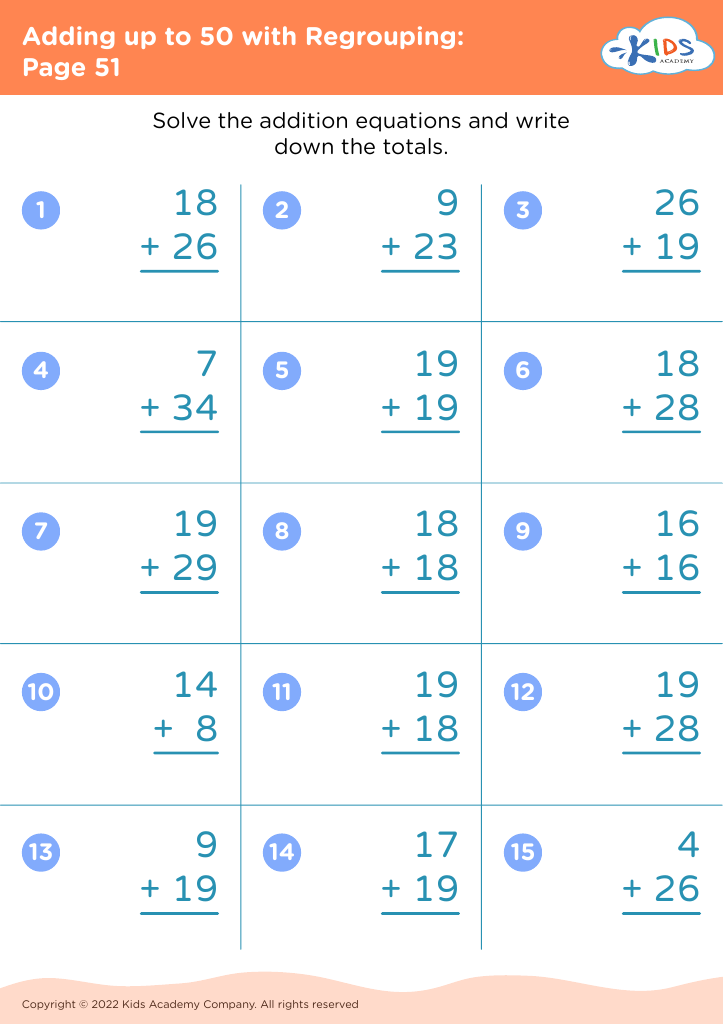







.jpg)
Building vocabulary for children aged 6-8 is crucial for several reasons. During this developmental stage, kids are rapidly expanding their cognitive abilities and language skills. A rich vocabulary enhances their ability to express thoughts, ask questions, and comprehend complex concepts. This foundation sets the stage for academic success as vocabulary knowledge is closely linked to reading comprehension and overall literacy.
When parents and teachers prioritize vocabulary building, they also foster a love for reading. Children with a broad vocabulary can better appreciate stories and informational texts, which can ignite a lifelong passion for learning. Additionally, having a strong vocabulary helps children perform better in school. They can follow instructions more easily, engage in classroom discussions, and excel in writing activities.
Socially, a robust vocabulary enhances communication skills, enabling children to interact more effectively with peers and adults. This ability to articulate feelings and ideas contributes to greater self-confidence and emotional intelligence.
Lastly, developing a strong vocabulary at an early age promotes critical thinking. Children learn to categorize, describe, and analyze the world around them more effectively. In short, investing in vocabulary building for ages 6-8 lays a vital groundwork for both academic achievement and lifelong personal growth.








