Check out this FREE "Comparing Fractions" Trial Lesson for age 6-8!

My Family

Favorites
With answer key
Interactive
  • 6-8
  • Comparing Fractions
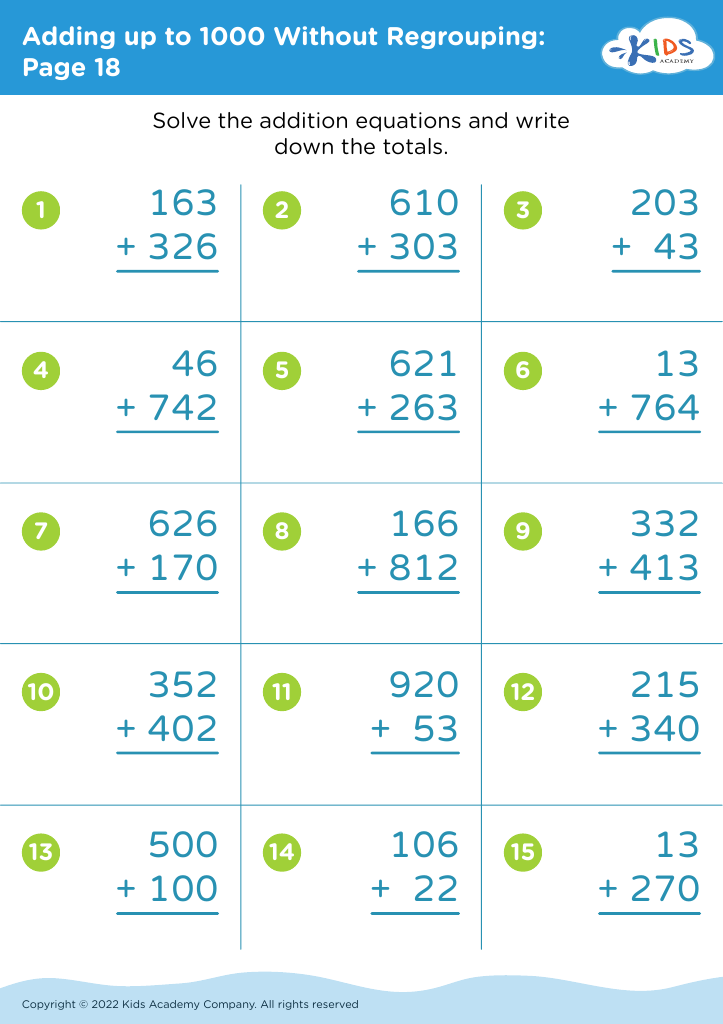
Adding up to 1000 Without Regrouping: Page 18
Worksheet
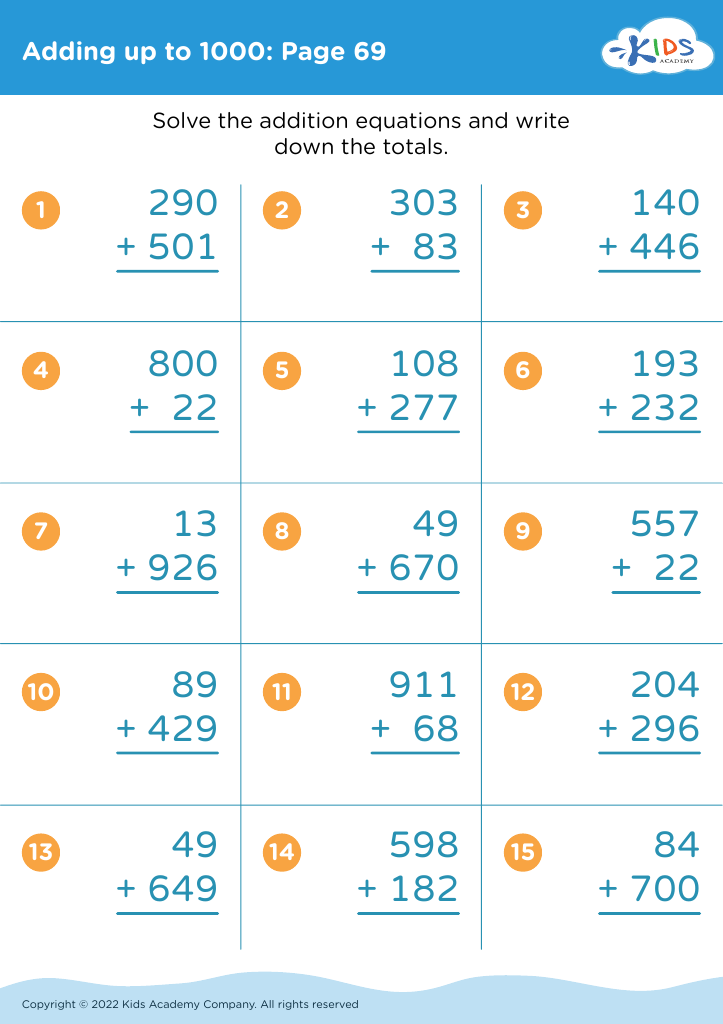
Adding up to 1000: Page 69

Adding up to 1000: Page 69

Adding up to 1000: Page 69
Worksheet
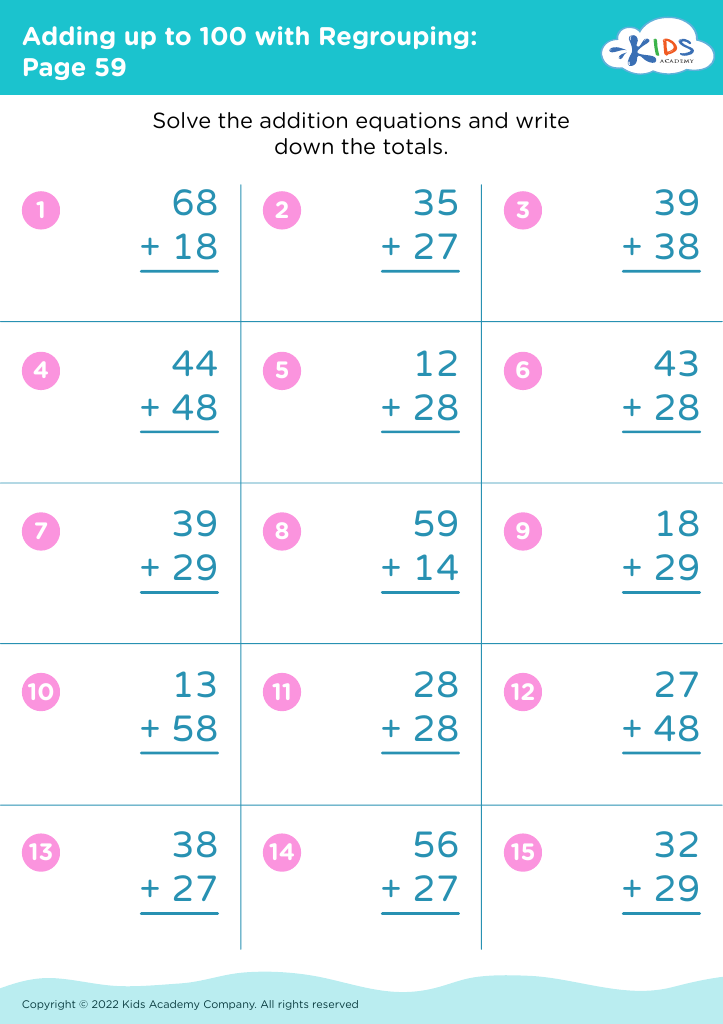
Adding up to 100 with Regrouping: Page 59
Worksheet
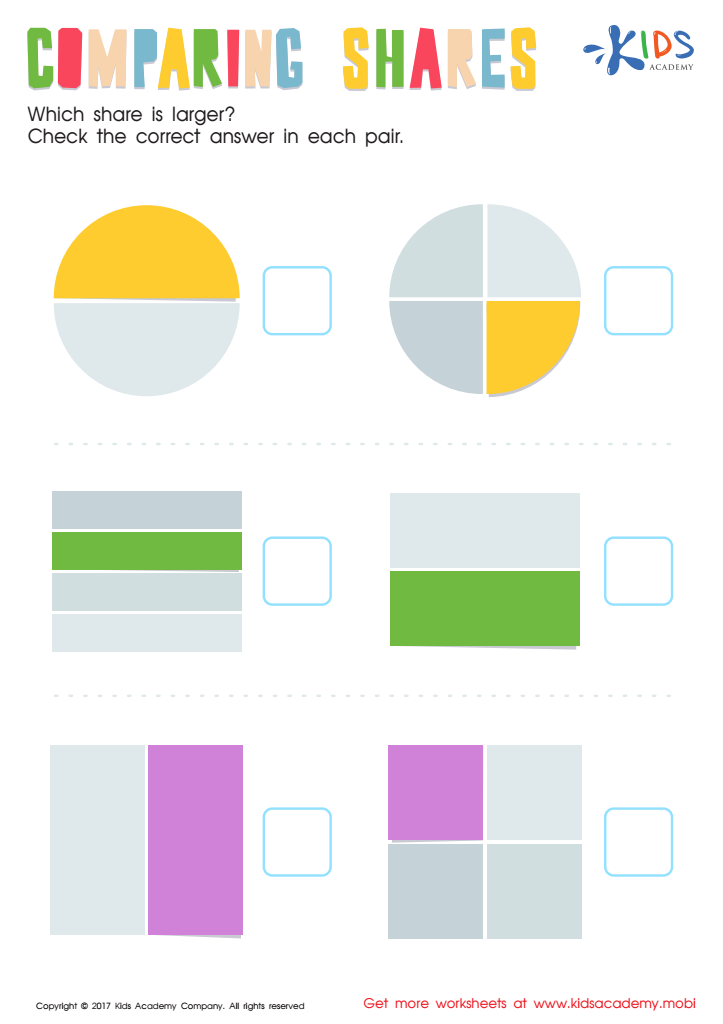
Comparing Shares Worksheet

Comparing Shares Worksheet

Can your students identify and draw shapes correctly? If so, this exercise may be too easy. For those who are still learning, extra help may be needed. The worksheet requires students to select which shape is larger in each pair; circles and squares are included.
Comparing Shares Worksheet
Worksheet
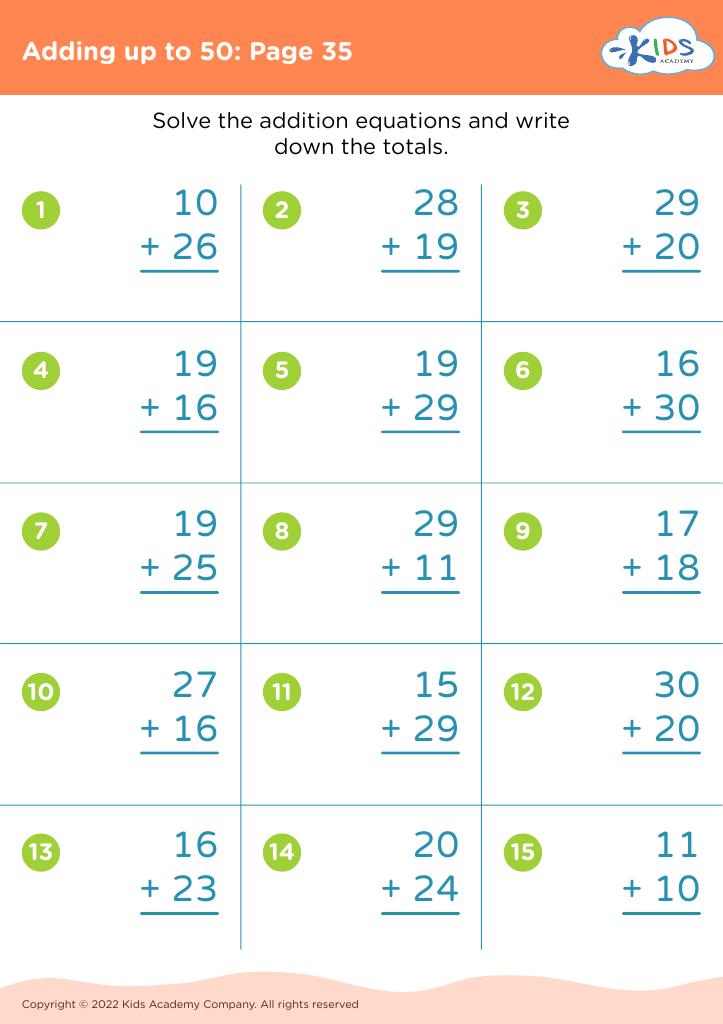
Adding up to 50: Page 35

Adding up to 50: Page 35

Adding up to 50: Page 35
Worksheet
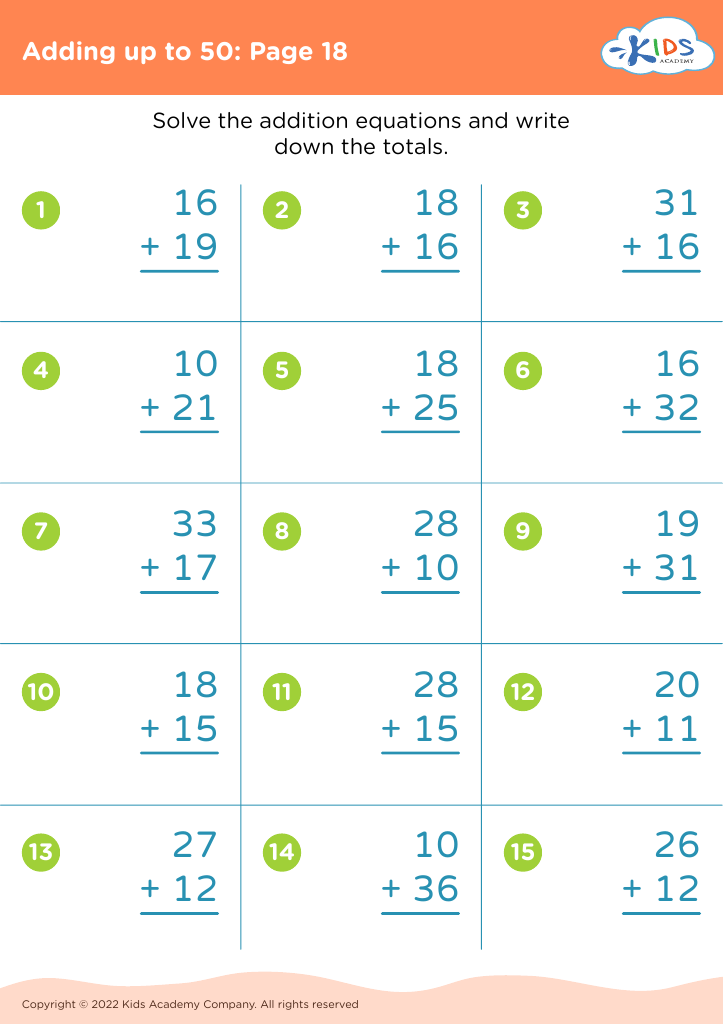
Adding up to 50: Page 18

Adding up to 50: Page 18

Adding up to 50: Page 18
Worksheet
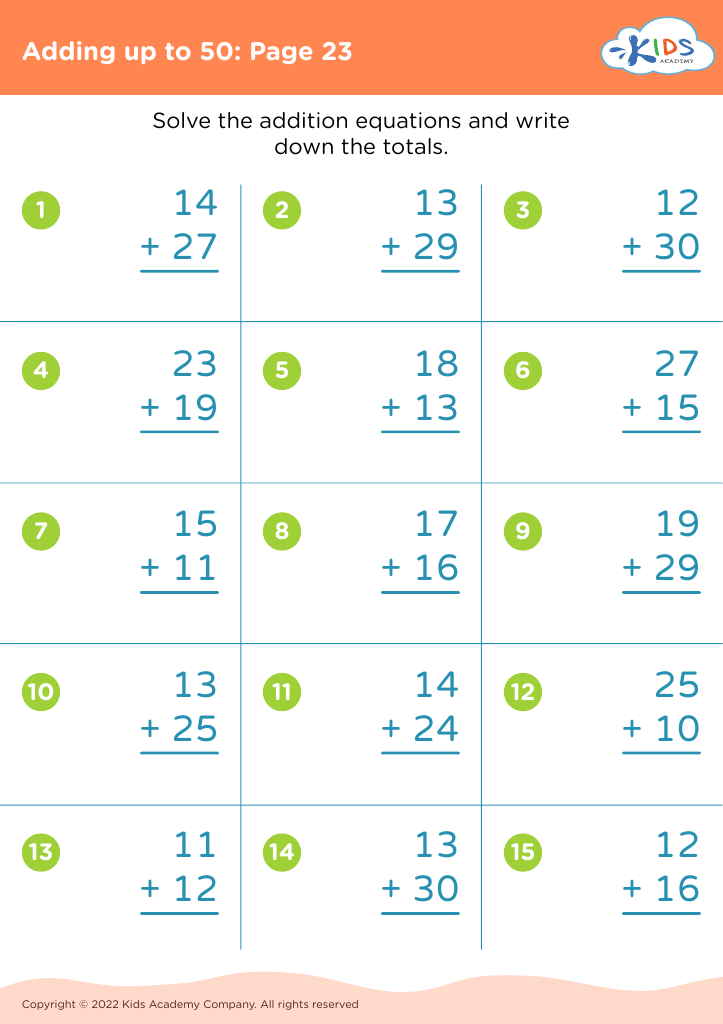
Adding up to 50: Page 23

Adding up to 50: Page 23

Adding up to 50: Page 23
Worksheet
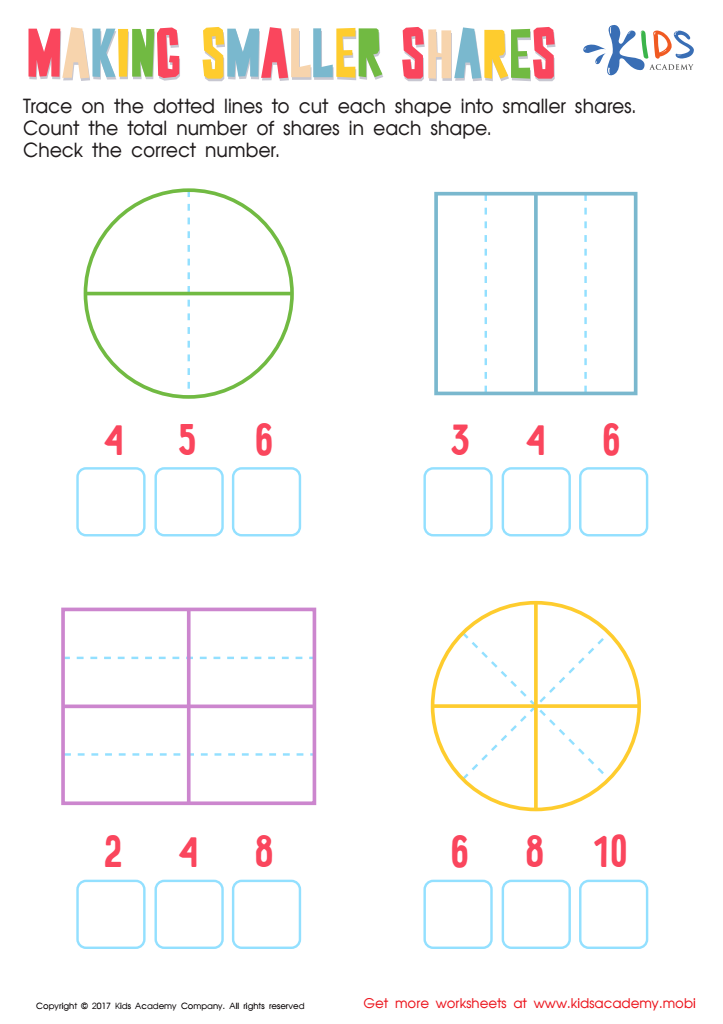
Making Smaller Shares Worksheet
Making Smaller Shares Worksheet
Help your kids learn shapes by having them cut out shapes on this tracing sheet. Point out the dotted lines, then guide their hand as they trace them, breaking shapes into smaller parts. Ask your children to count the number of parts and check the answers given.
Making Smaller Shares Worksheet
Worksheet
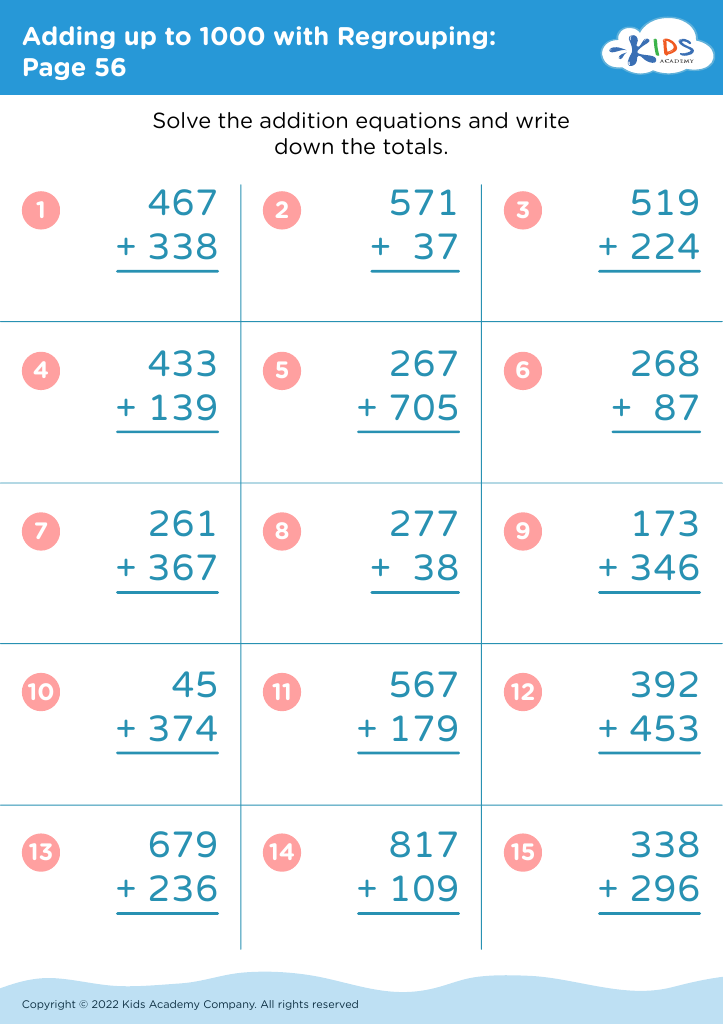
Adding up to 1000 with Regrouping: Page 56
Worksheet
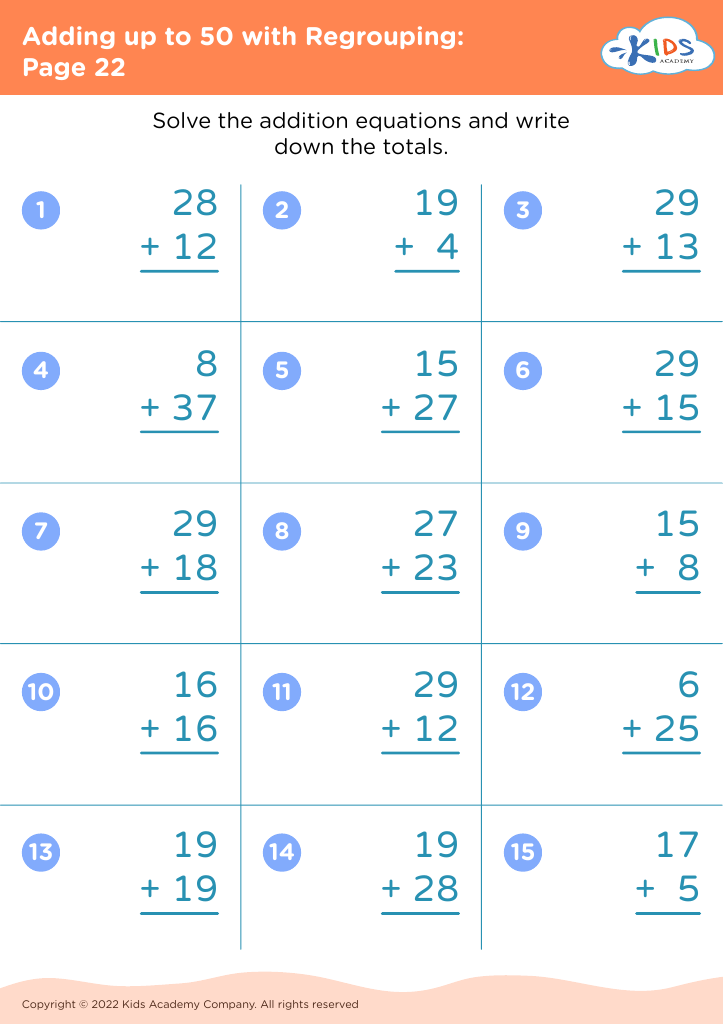
Adding up to 50 with Regrouping: Page 22
Worksheet
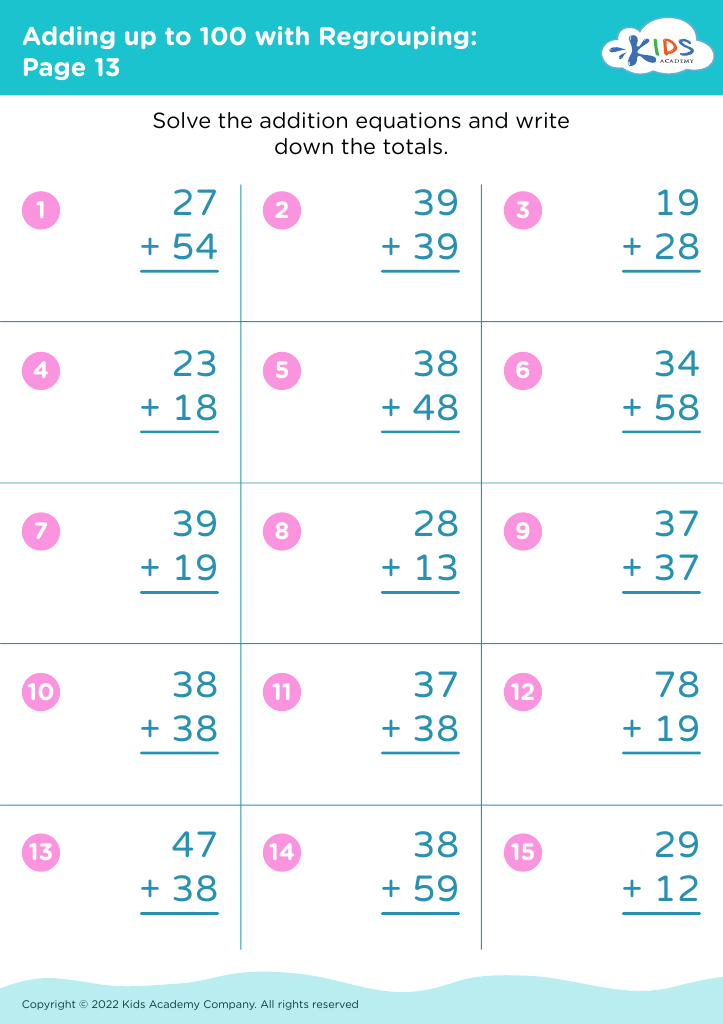
Adding up to 100 with Regrouping: Page 13
Worksheet
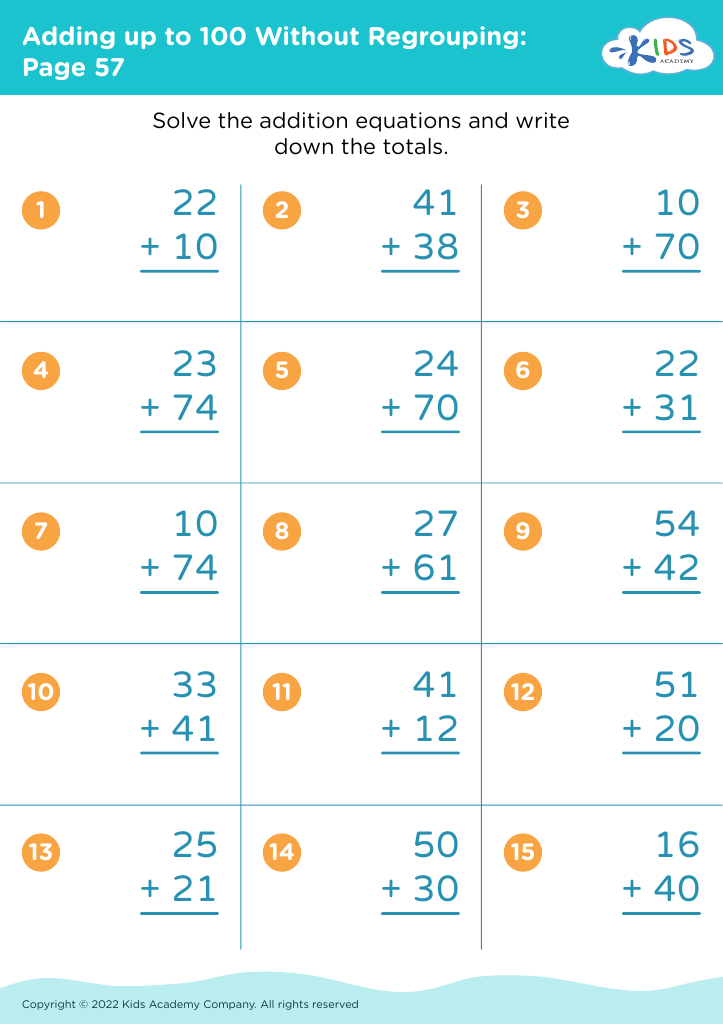
Adding up to 100 Without Regrouping: Page 57
Worksheet
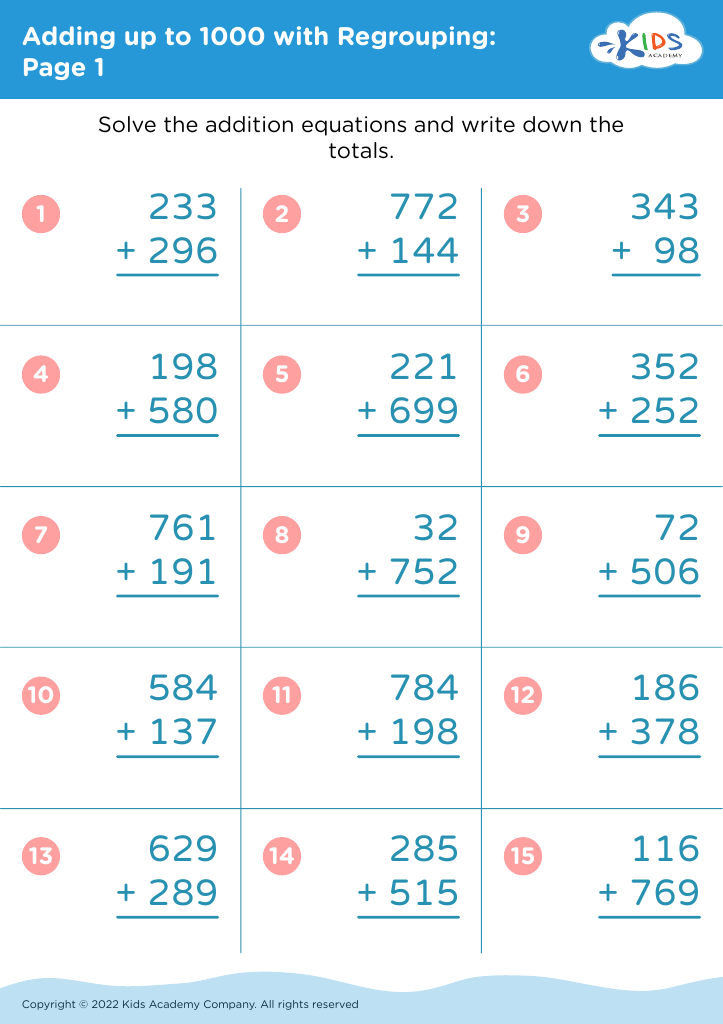
Adding up to 1000 with Regrouping: Page 1
Worksheet
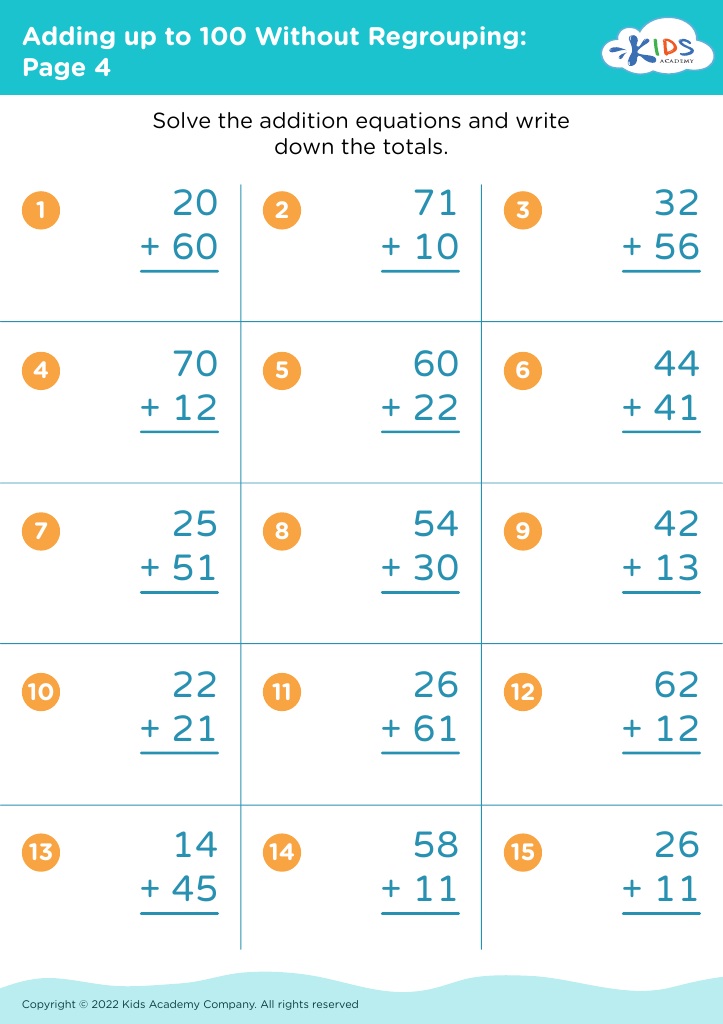
Adding up to 100 Without Regrouping: Page 4
Worksheet
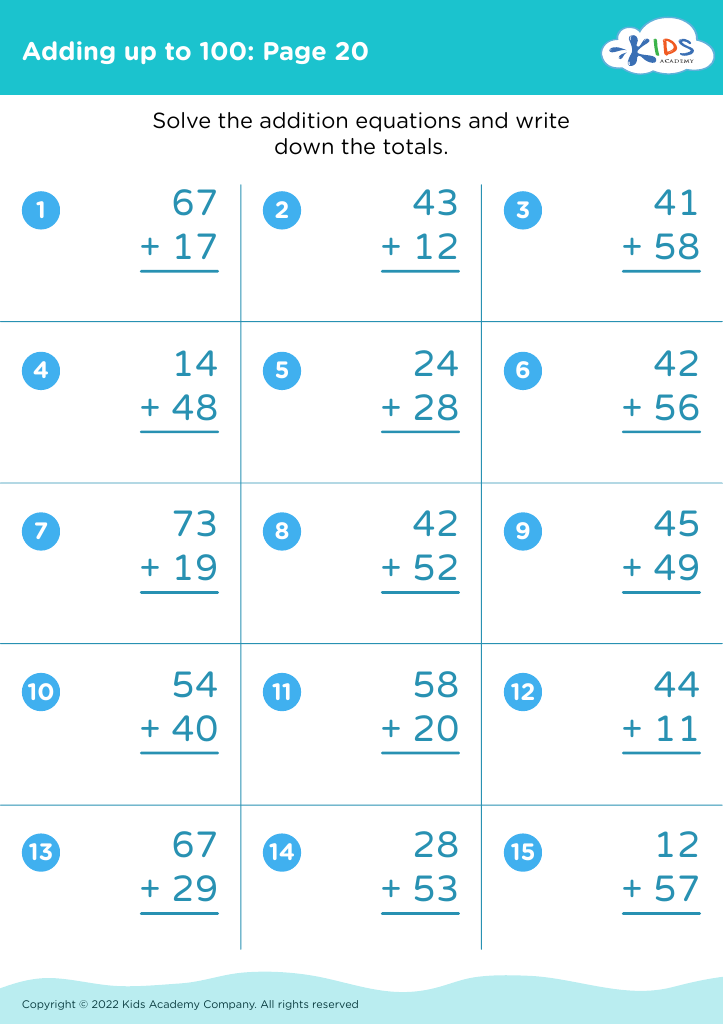
Adding up to 100: Page 20

Adding up to 100: Page 20

Adding up to 100: Page 20
Worksheet
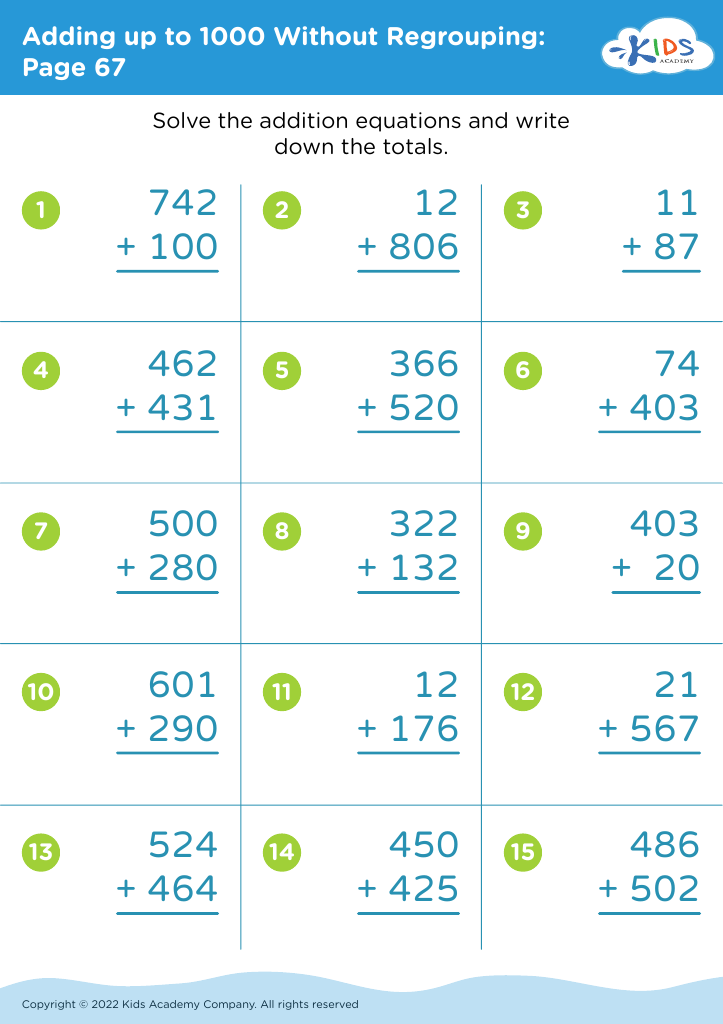
Adding up to 1000 Without Regrouping: Page 67
Worksheet
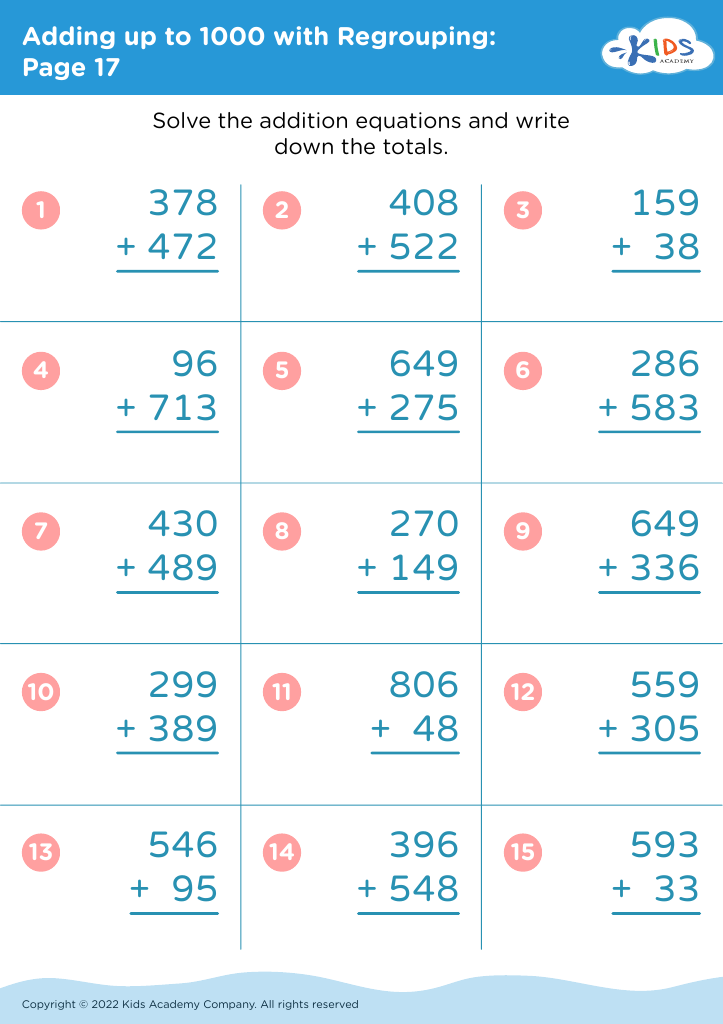
Adding up to 1000 with Regrouping: Page 17
Worksheet
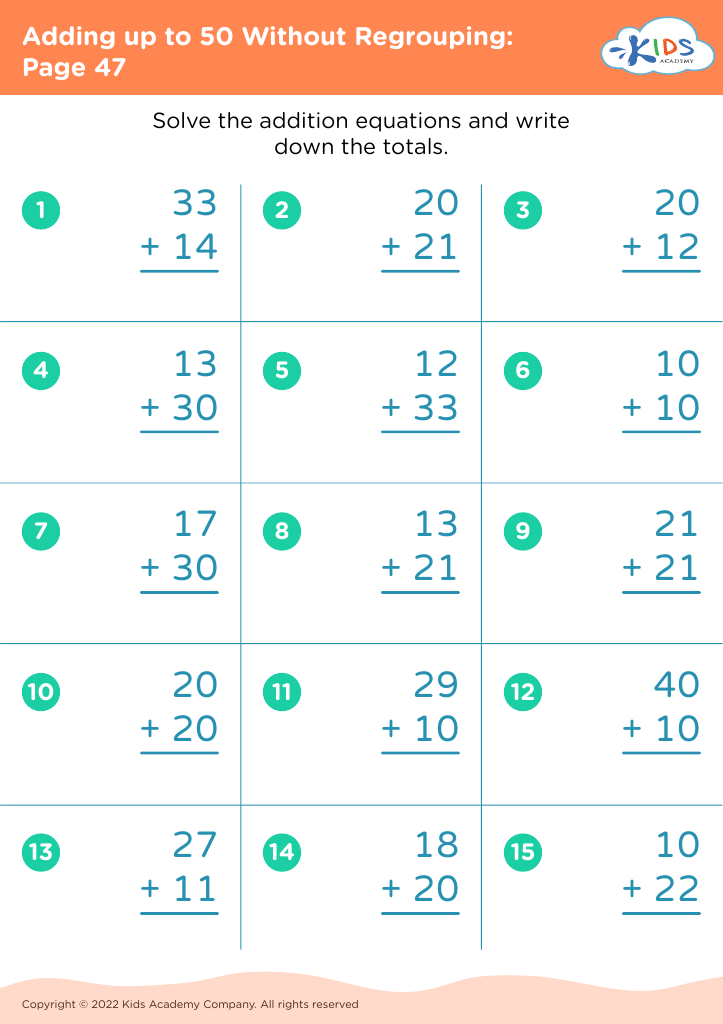
Adding up to 50 Without Regrouping: Page 47
Worksheet
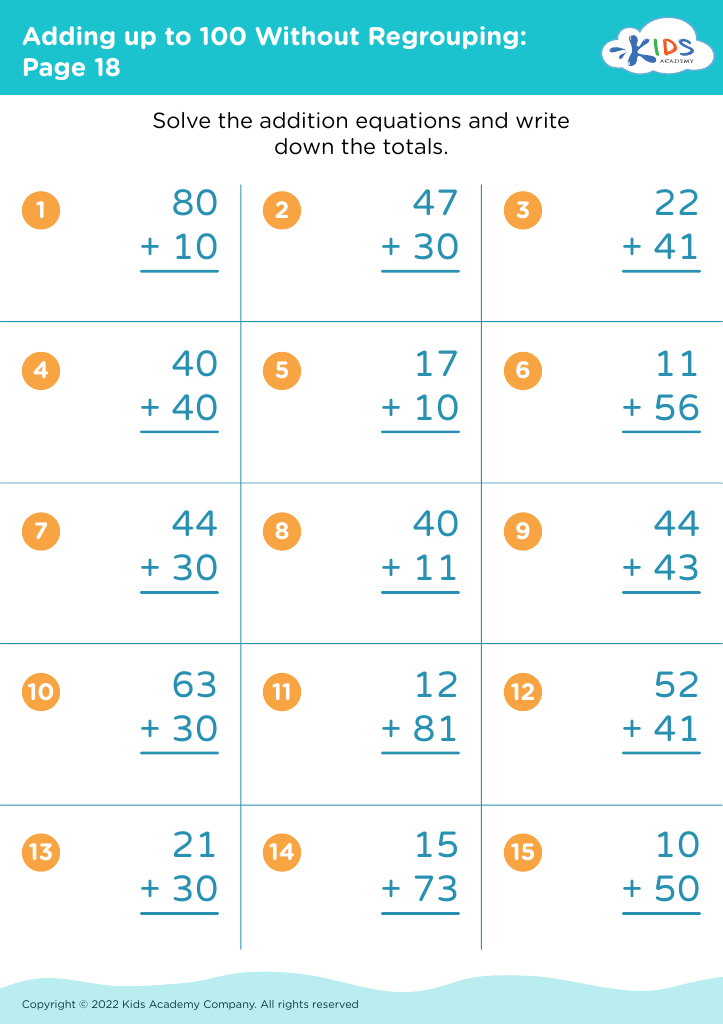
Adding up to 100 Without Regrouping: Page 18
Worksheet
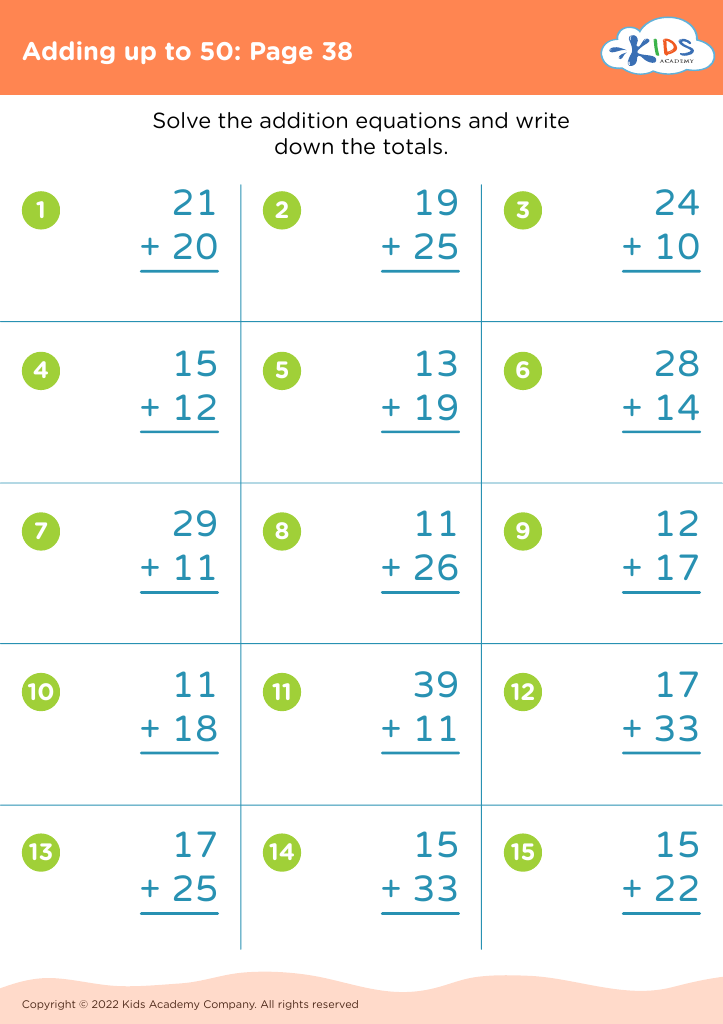
Adding up to 50: Page 38

Adding up to 50: Page 38

Adding up to 50: Page 38
Worksheet
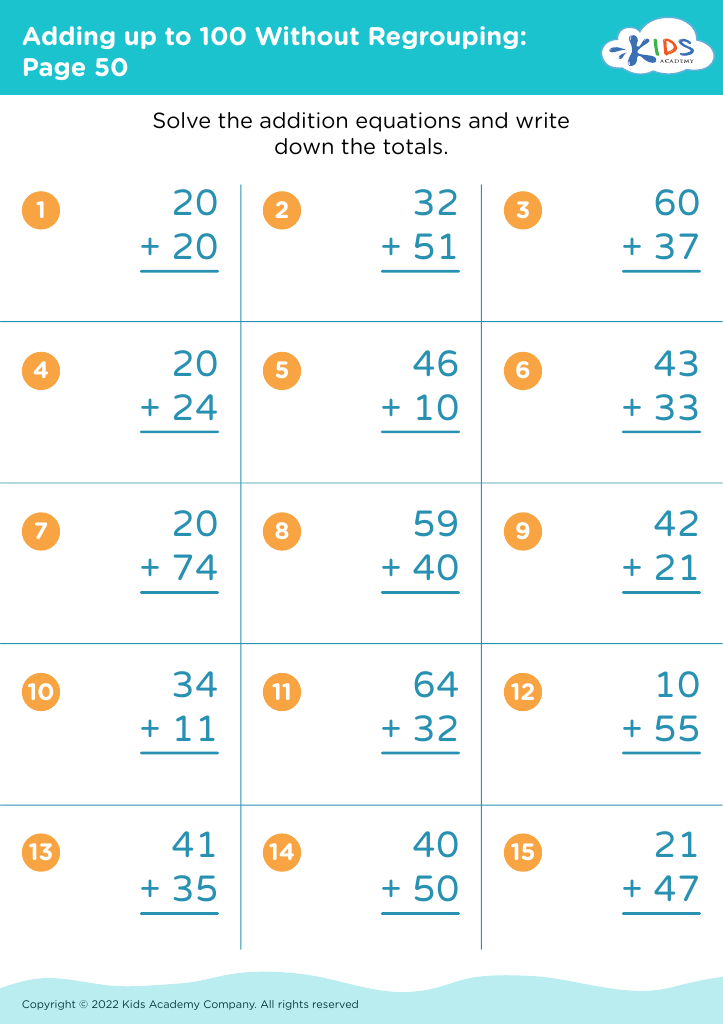
Adding up to 100 Without Regrouping: Page 50
Worksheet
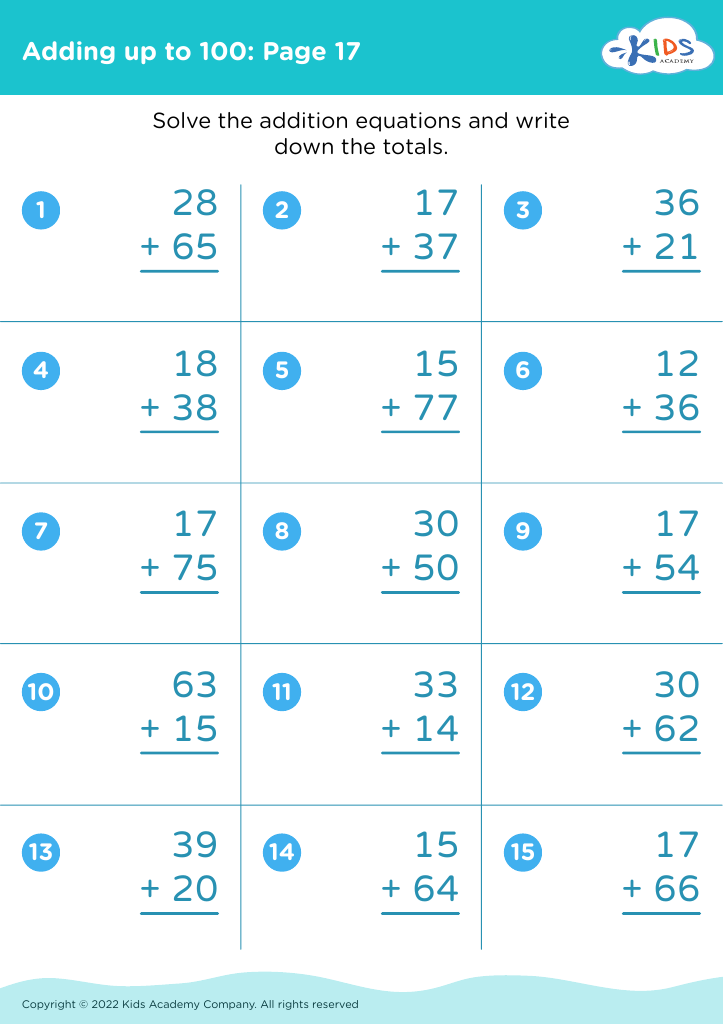
Adding up to 100: Page 17

Adding up to 100: Page 17

Adding up to 100: Page 17
Worksheet
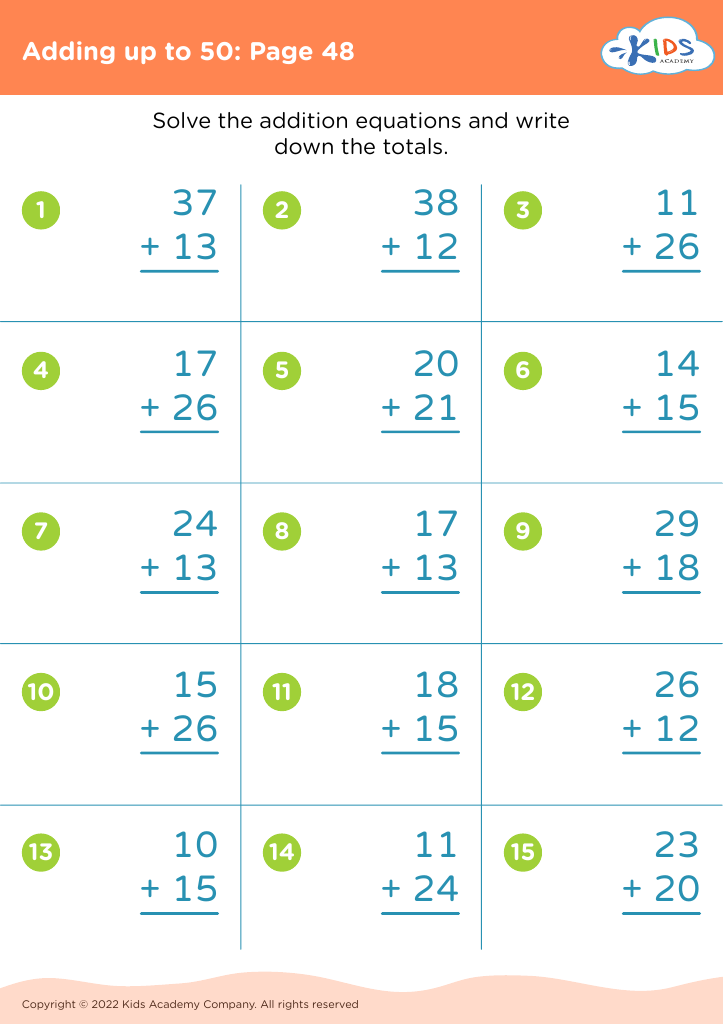
Adding up to 50: Page 48

Adding up to 50: Page 48

Adding up to 50: Page 48
Worksheet
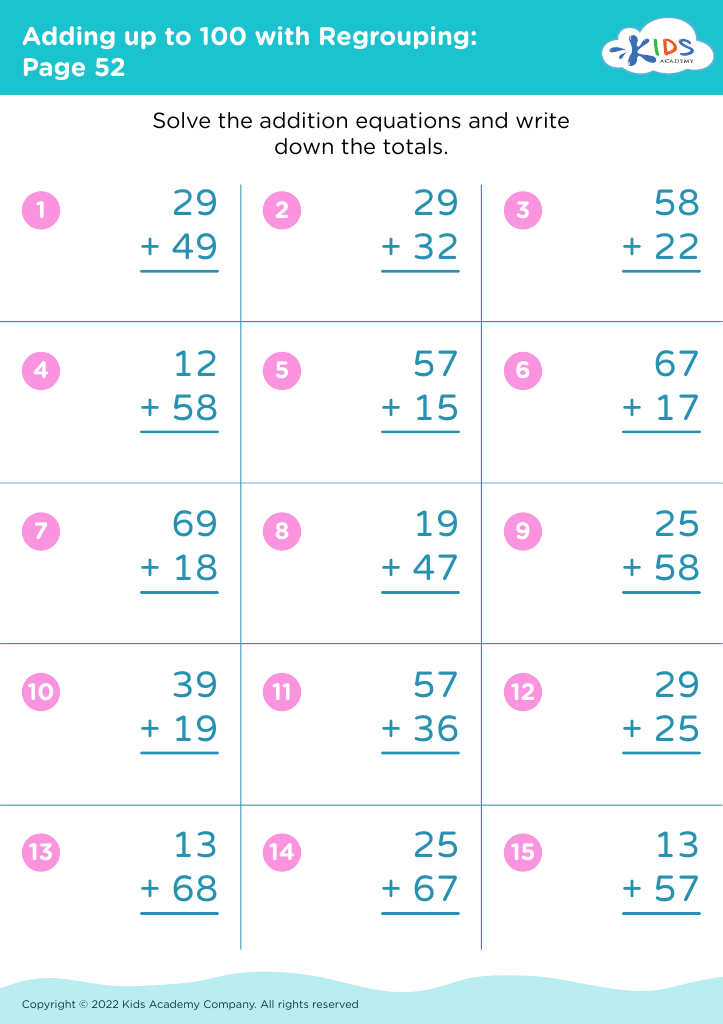
Adding up to 100 with Regrouping: Page 52
Worksheet


Comparing fractions is a crucial skill for children aged 6-8, and it holds significant importance for both parents and teachers. Understanding fractions lays the foundation for more complex math concepts in the future, making it essential for solid mathematical development. Learning to compare fractions helps children grasp notions of size and value, which are vital for problem-solving and critical thinking.

For parents, engaging children in comparing fractions can enhance their everyday math skills, from cooking (measuring ingredients) to budgeting (comparing prices). It encourages discussions about real-life applications of math, fostering a deeper appreciation for the subject. This involvement can also strengthen the parent-child bond through joint learning experiences.

Teachers benefit from incorporating fraction comparison in their curricula as it promotes a hands-on, interactive approach to learning. It enhances students' ability to visualize parts of a whole and develop number sense. Addressing misconceptions early on can build confidence, reduce math anxiety, and ensure that students have the necessary skills moving forward in their academic journey.

Overall, understanding how to compare fractions empowers young learners, setting them up for success in mathematics and encouraging lifelong learning skills.