Counting skills Worksheets for Ages 6-8
389 filtered results
-
From - To
Enhance your child's mathematical foundation with our engaging Counting Skills Worksheets designed for ages 6-8. These printable resources offer a variety of fun activities that make learning to count enjoyable. Children can practice recognition of numbers, learn counting techniques, and develop one-to-one correspondence through colorful visuals and interactive exercises. Our worksheets encourage critical thinking and problem-solving skills while adapting to individual learning paces. Perfect for classroom or home learning, these activities will help young learners build confidence and a love for numbers. Explore our collection today and watch your child thrive in math while having fun!
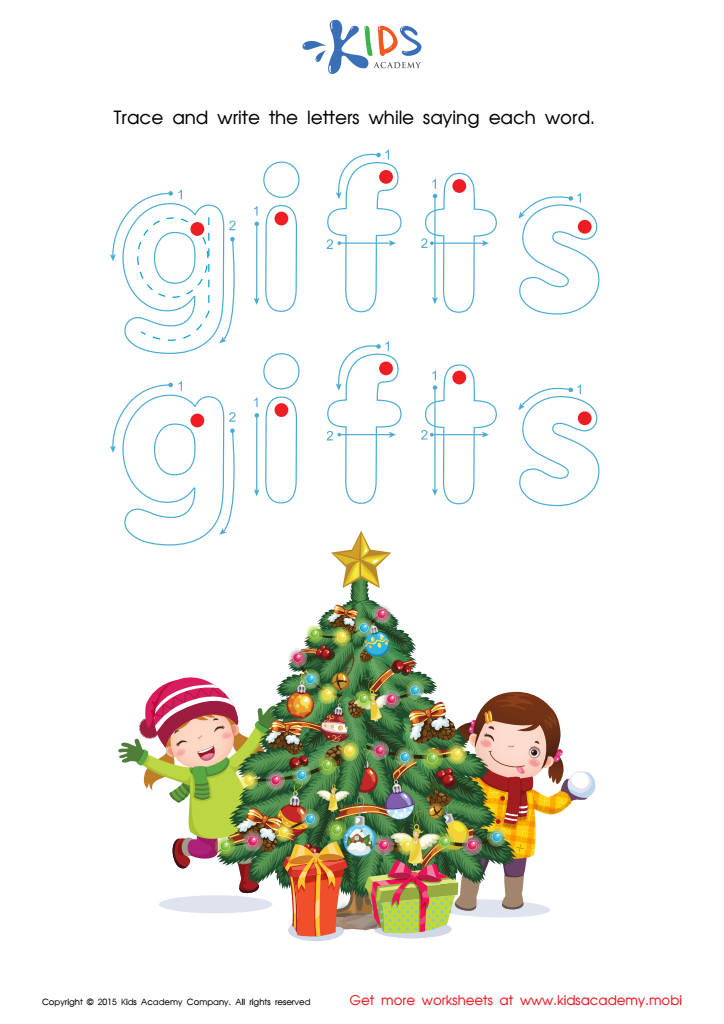
Christmas Tree Tracing Winter Words Worksheet
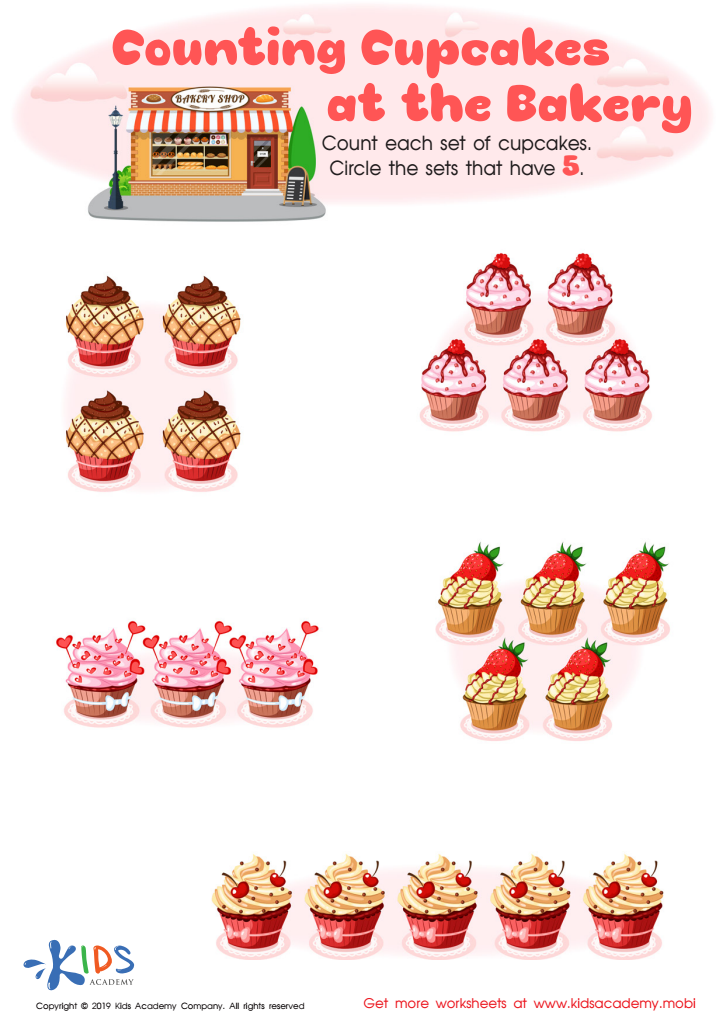
Counting Cupcakes Worksheet
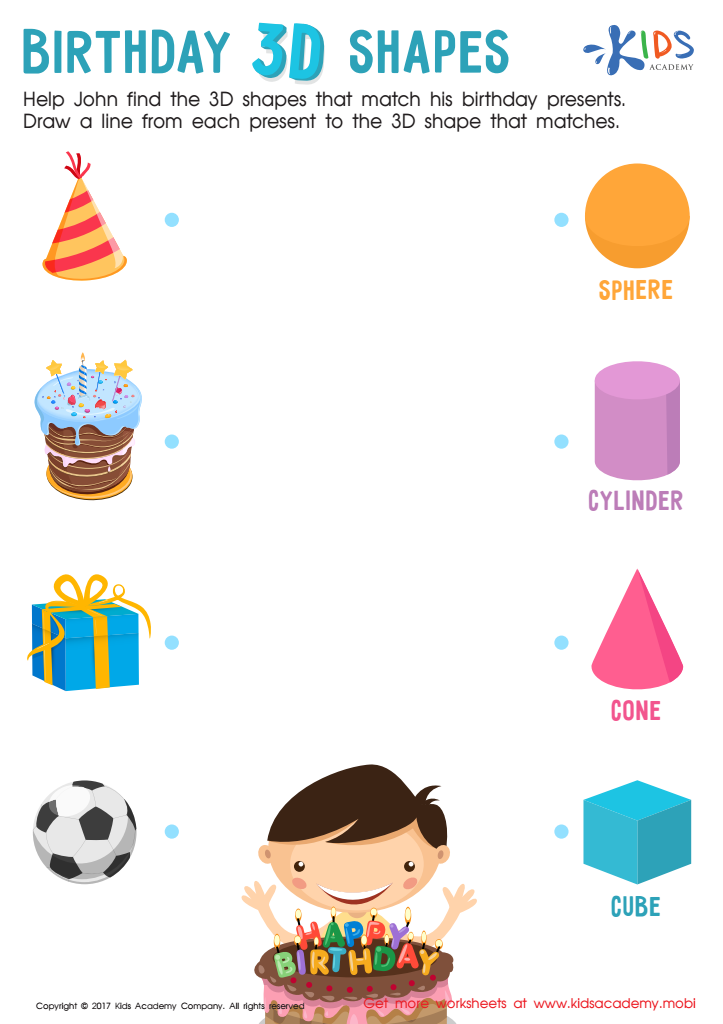
Birthday 3D Shapes Worksheet
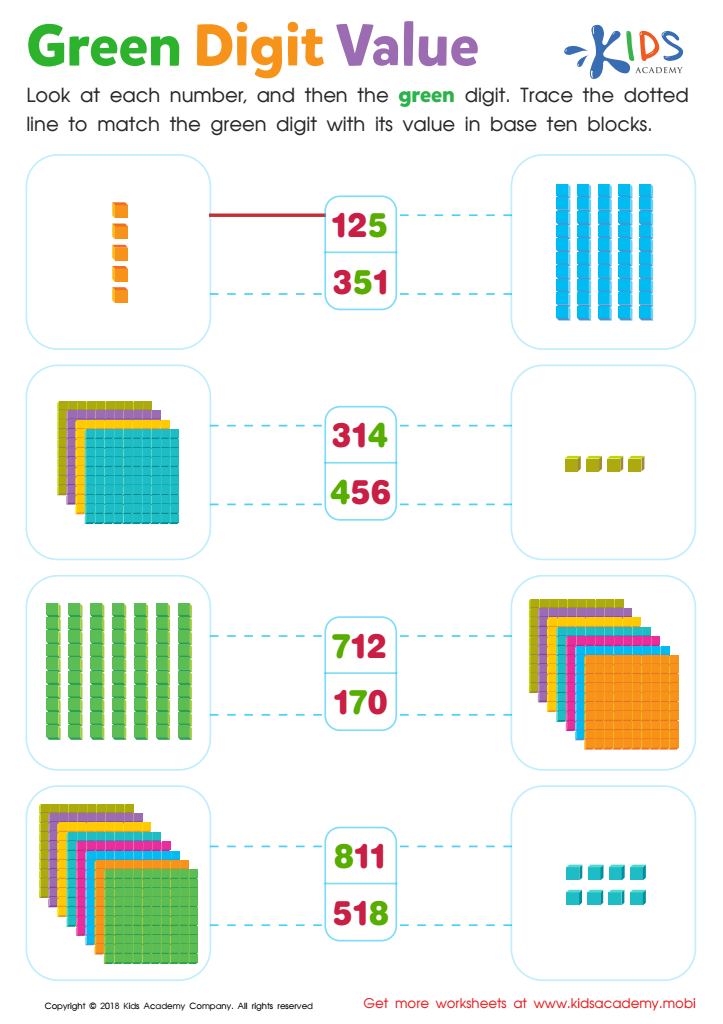
Green Digit Value Worksheet
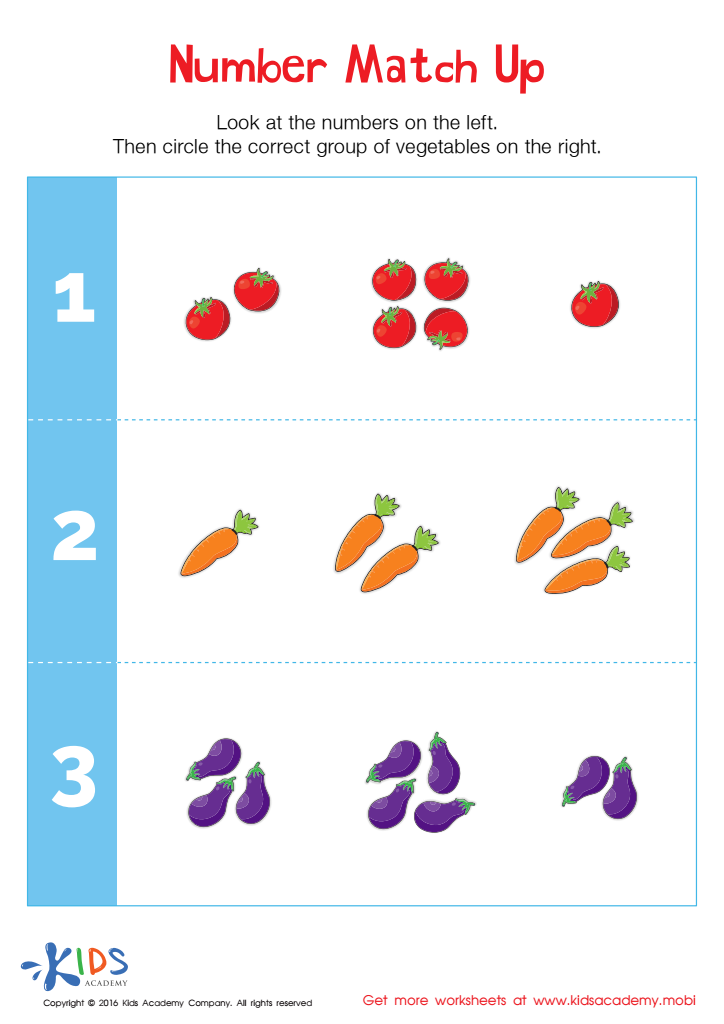
Number Match Up Worksheet
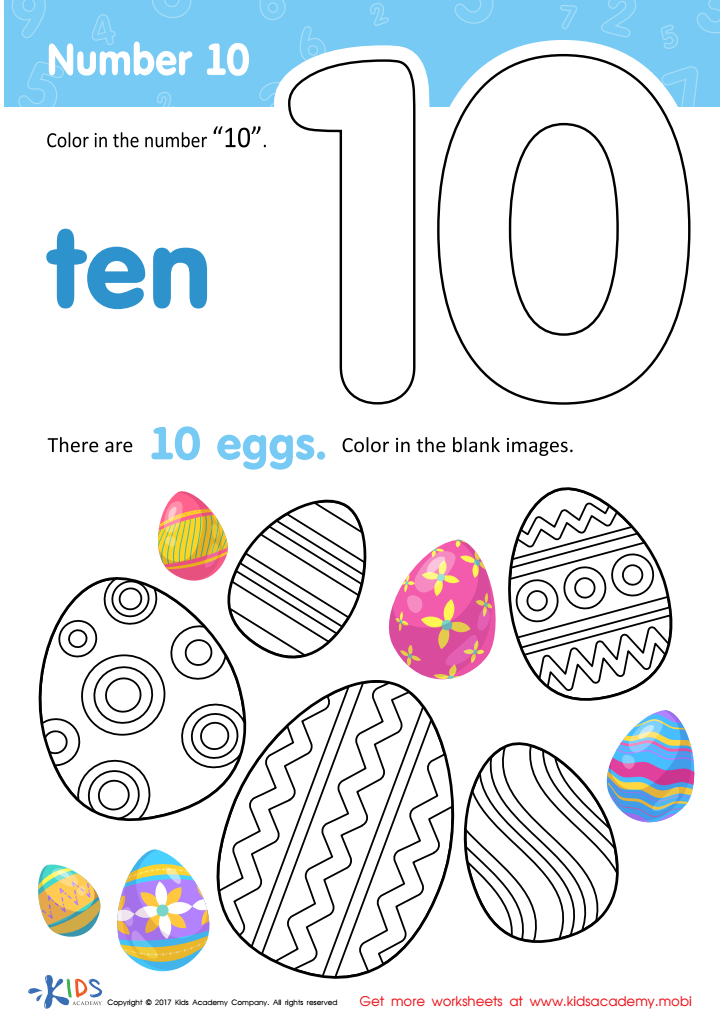
Number 10 Printable
 Assign to My Students
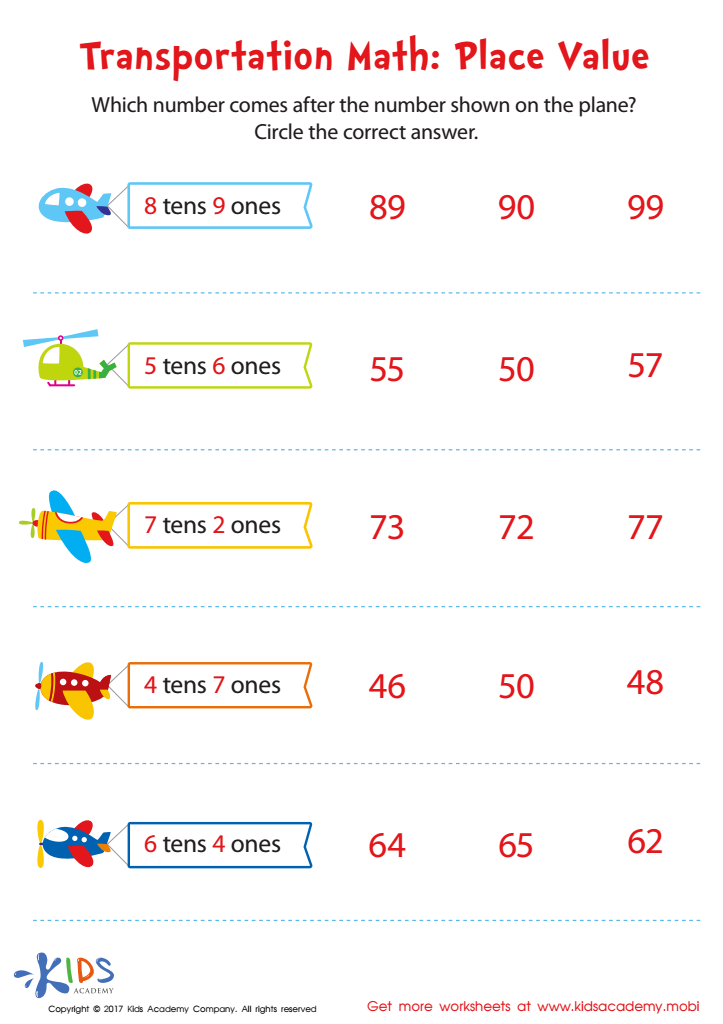
Transportation Math Printable
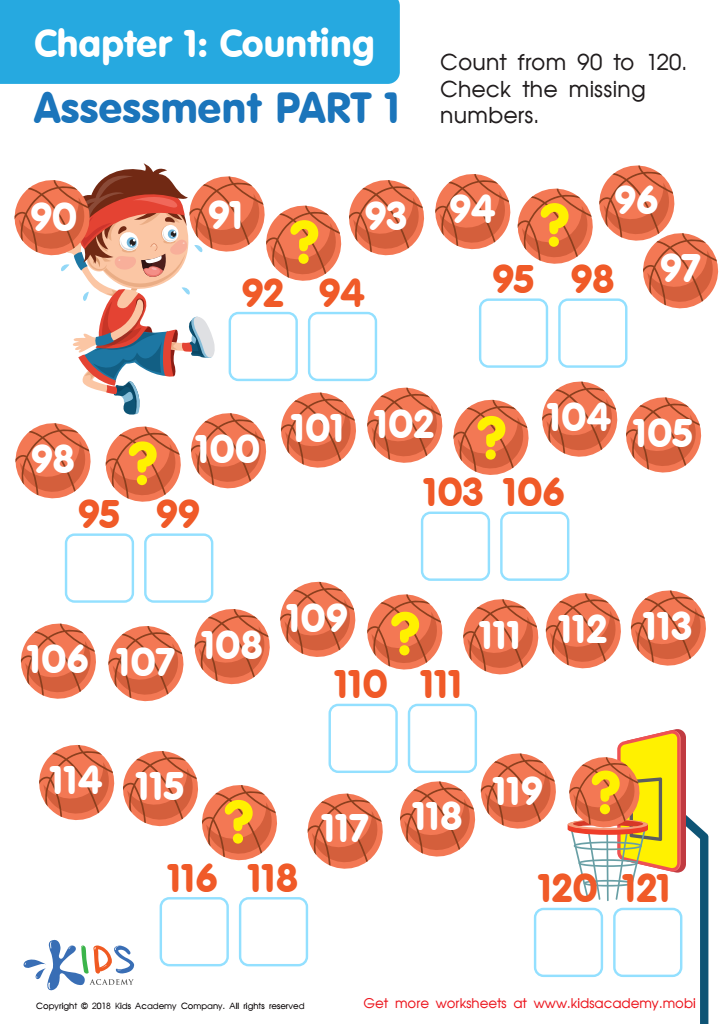
Counting Past 1: Assessment 1 Worksheet
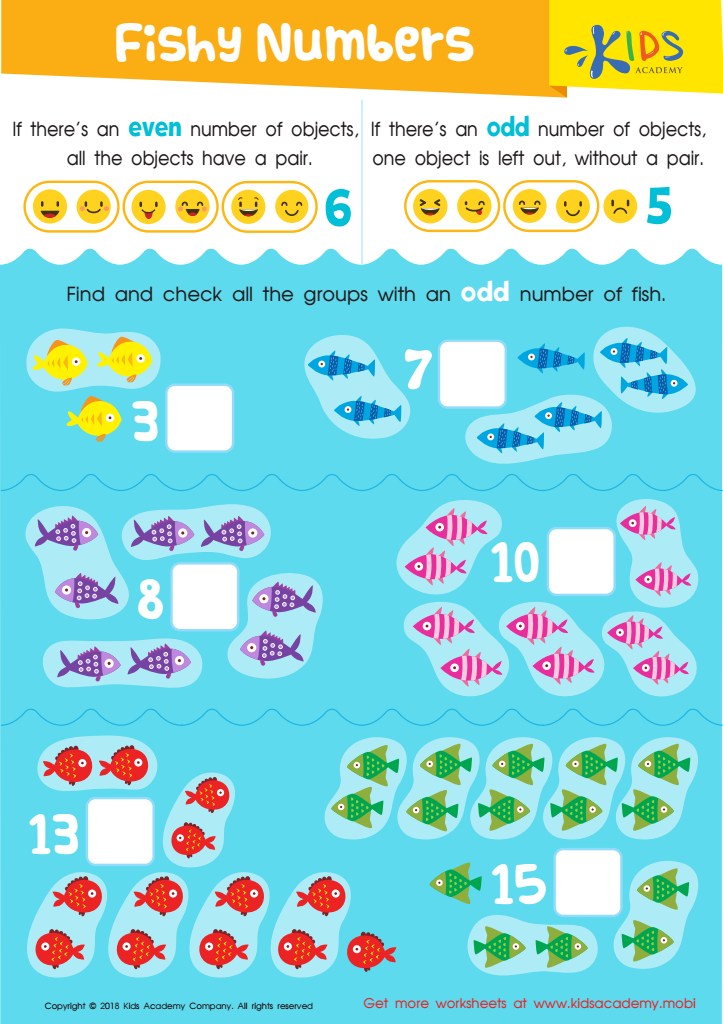
Fishy Numbers Worksheet
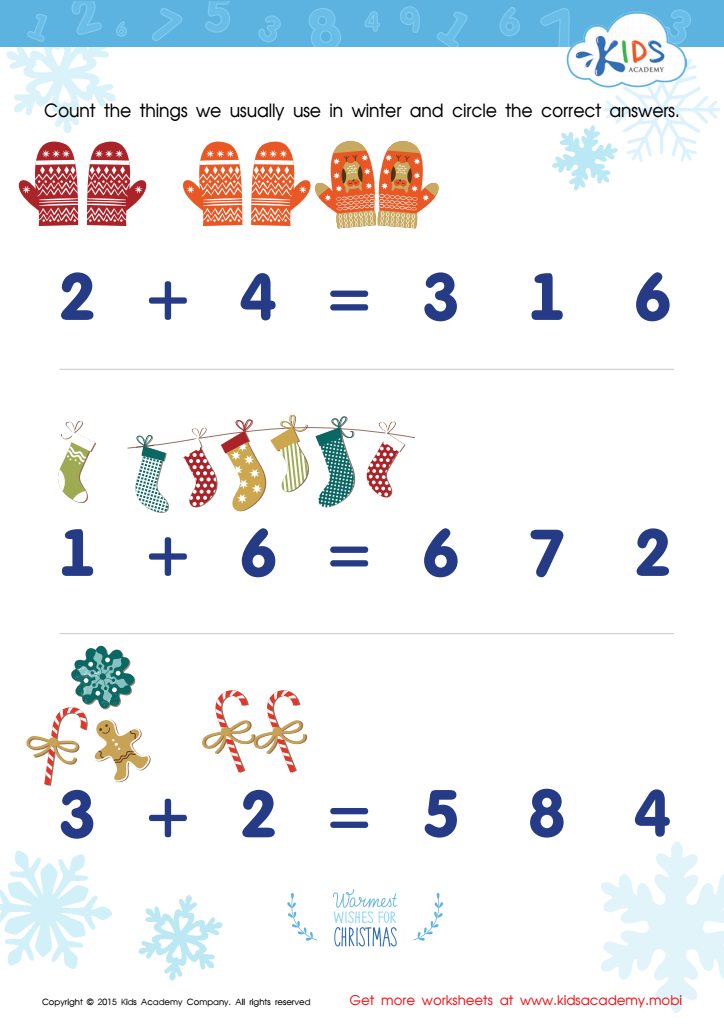
Count Winter Things Worksheet
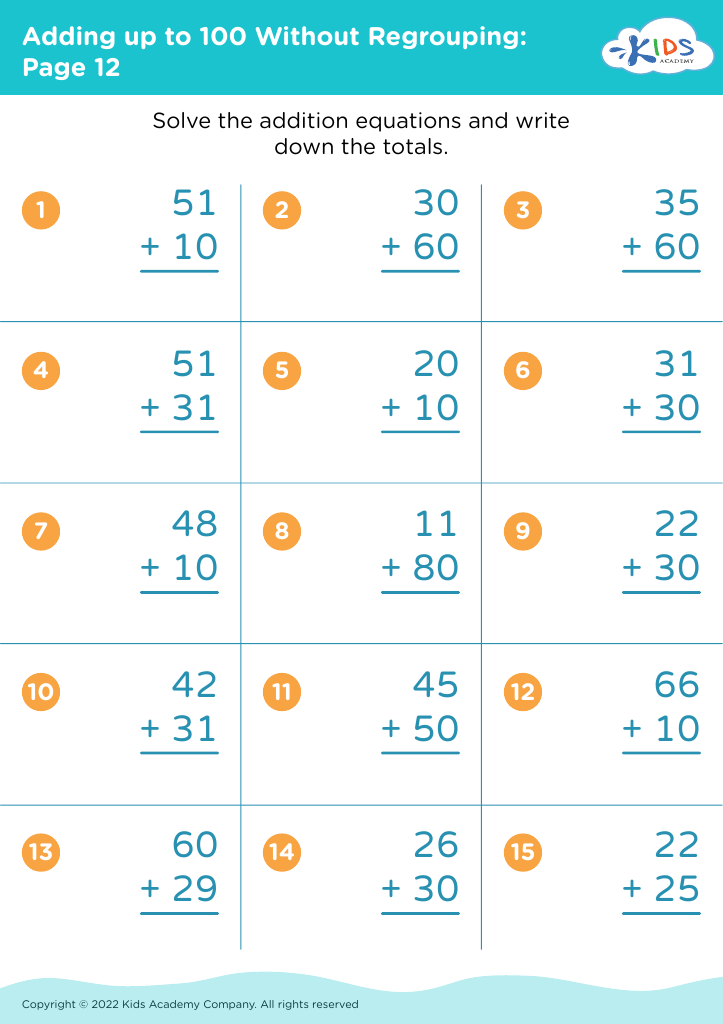
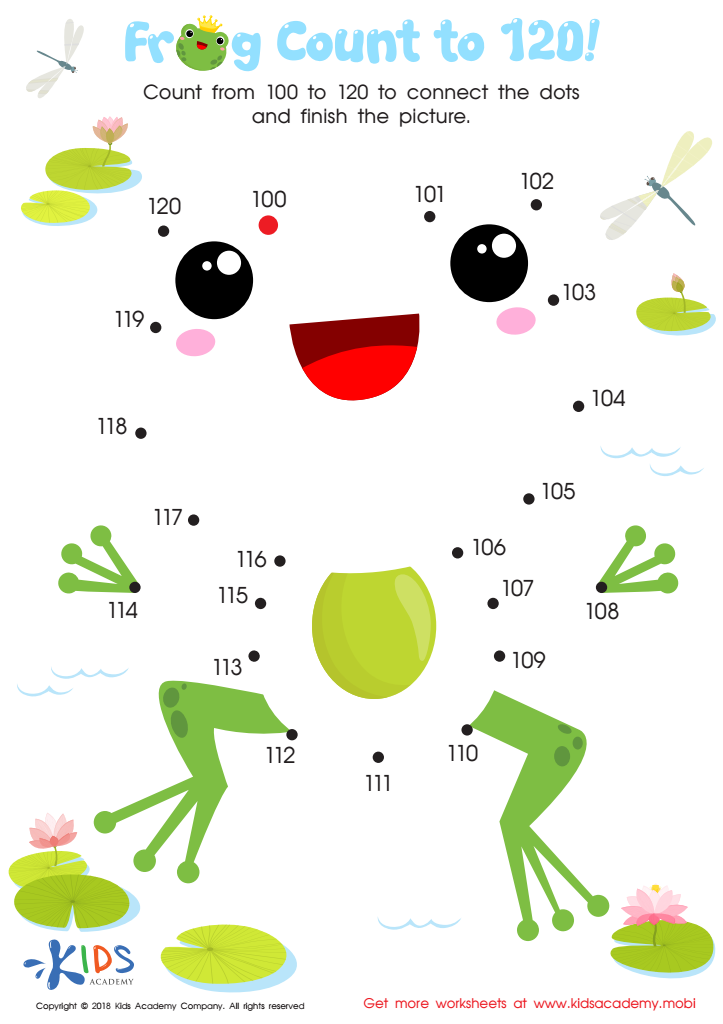
Frog Count to 120 Worksheet
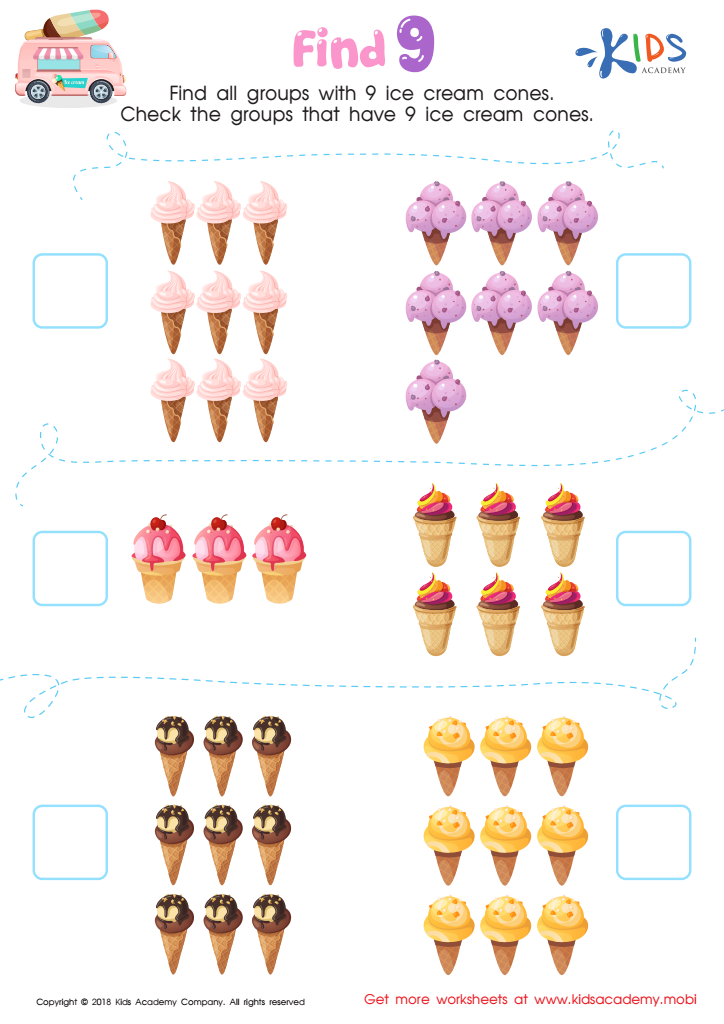
Find 9 Worksheet
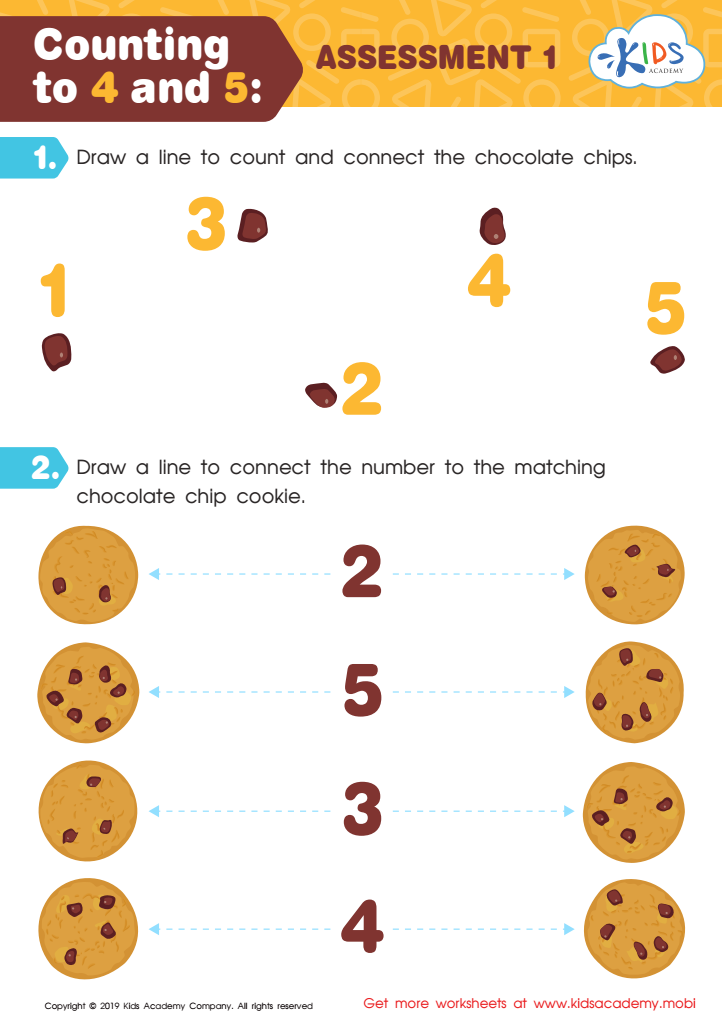
Counting to 4 and 5: Assessment 1 Worksheet
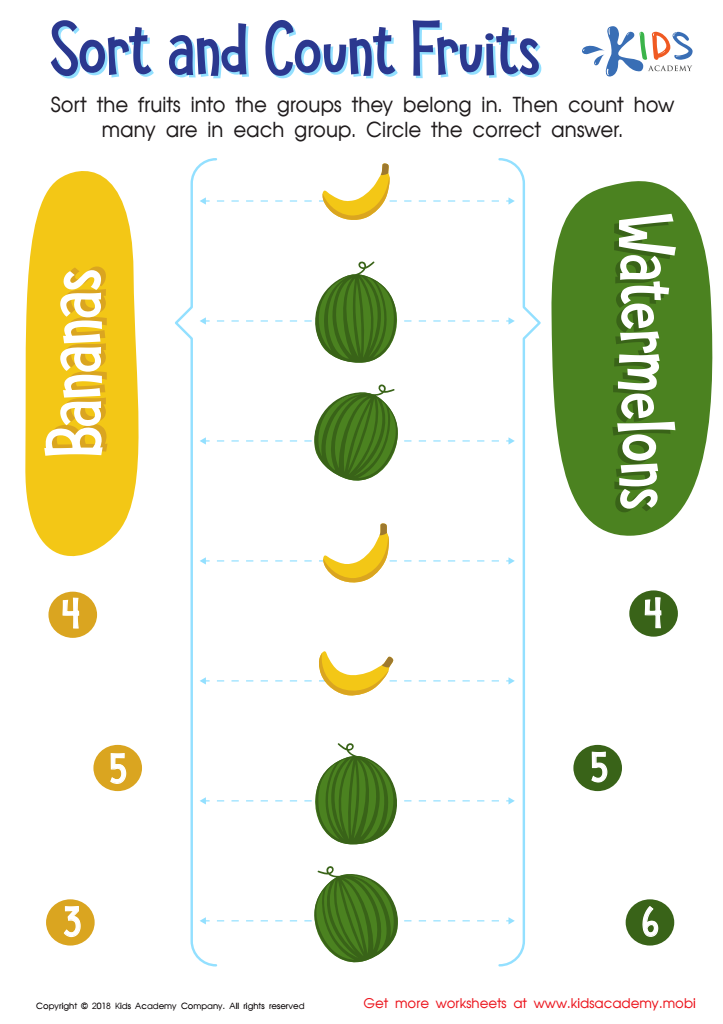
Sort and Count Fruits Worksheet
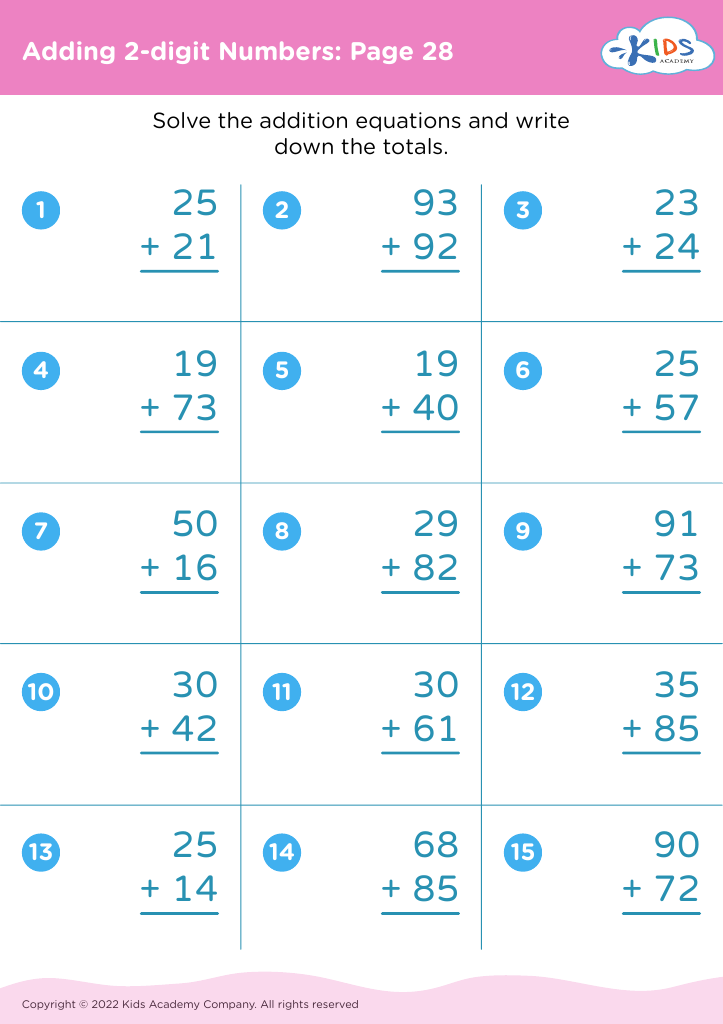
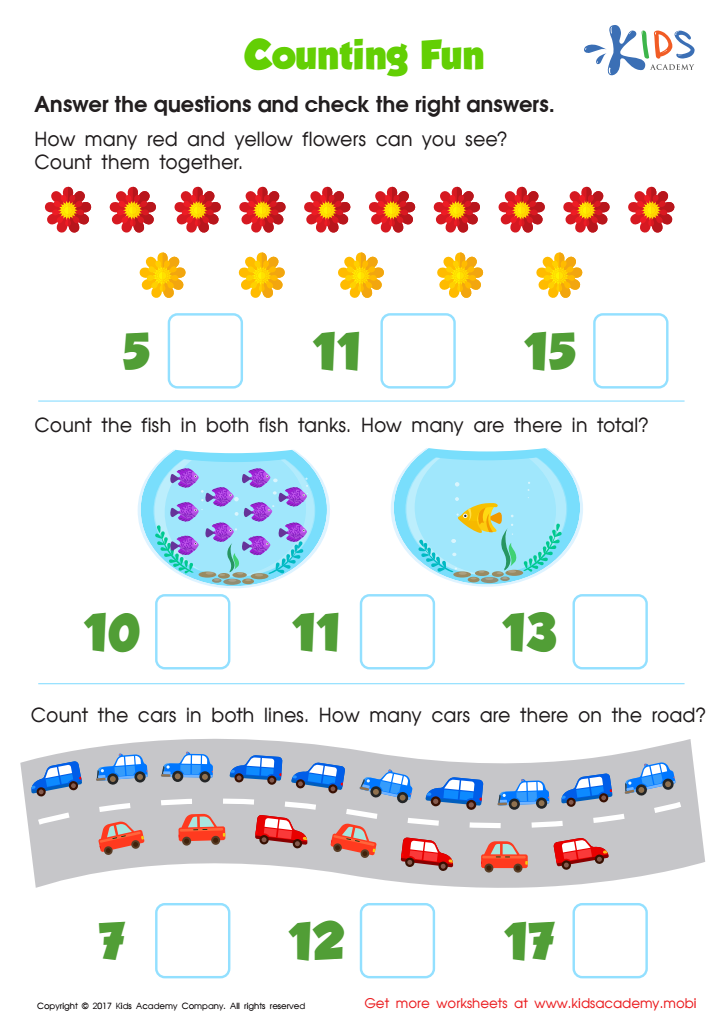
Counting Fun Worksheet
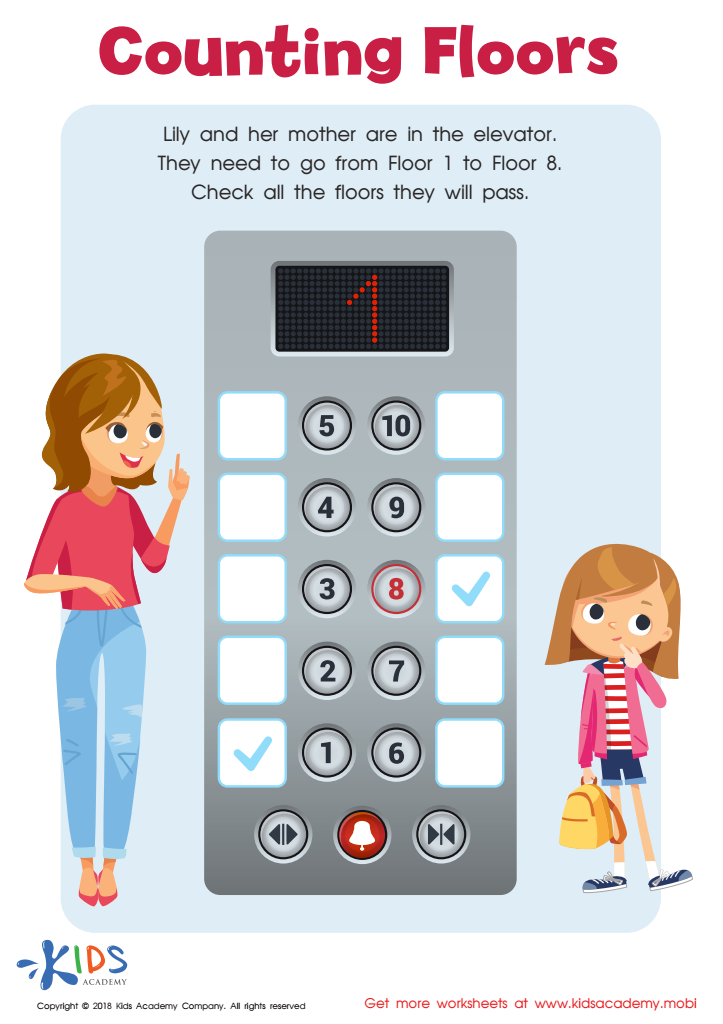
Counting Floors Worksheet
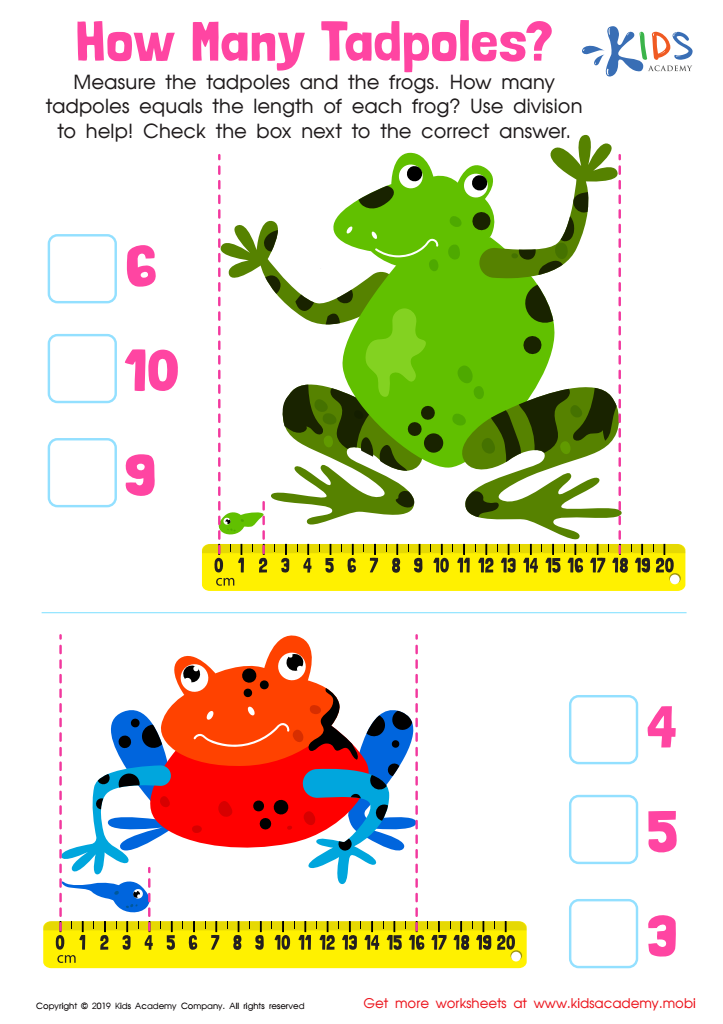
How Many Tadpoles Worksheet
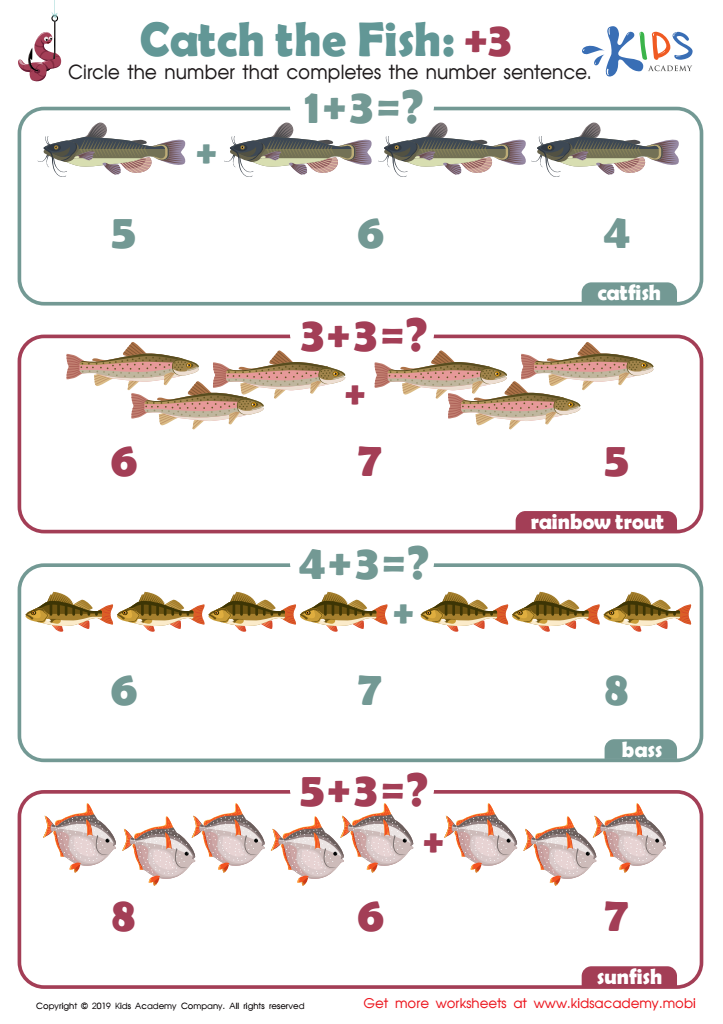
Catch the Fish: +3 Worksheet






Counting skills are fundamental for children aged 6-8, as they lay the groundwork for later mathematical understanding and overall cognitive development. At this age, children transition from simple counting to understanding numerical concepts such as addition, subtraction, and even basic problem-solving. Strong counting skills enhance children’s ability to manipulate numbers, recognize patterns, and develop number sense, which are crucial for more advanced mathematical operations.
Parents and teachers should prioritize counting because it fosters critical thinking and analytical skills. Proficiency in counting enables children to handle real-world situations, such as telling time, making change, or measuring ingredients in cooking. Additionally, counting supports language development by introducing concepts of sequence and quantity, often used in daily conversations.
Moreover, mastering counting can boost a child’s confidence in math. A positive experience in these early stages can create a lifelong appreciation for mathematics, reducing fear or anxiety associated with the subject. Ultimately, by nurturing counting skills, parents and teachers not only help students succeed academically but also prepare them for practical life skills, promoting overall well-rounded development. Investing time and resources in building these foundational skills can greatly influence a child’s future learning trajectory and confidence.








