Data analysis skills Worksheets for Ages 6-8
3 filtered results
-
From - To
Unlock the world of data analysis for your 6-8-year-olds with our engaging worksheets! Designed to help young learners develop essential analytical skills, these activities introduce concepts such as sorting, categorizing, and interpreting data in a fun and interactive way. Each worksheet features colorful visuals and relatable examples, keeping children motivated and eager to learn. Empower your kids to make sense of information through real-life applications and games, fostering critical thinking from an early age. Perfect for parents and teachers alike, our data analysis worksheets provide a fantastic resource to enhance logical reasoning and a love for learning. Get started today!
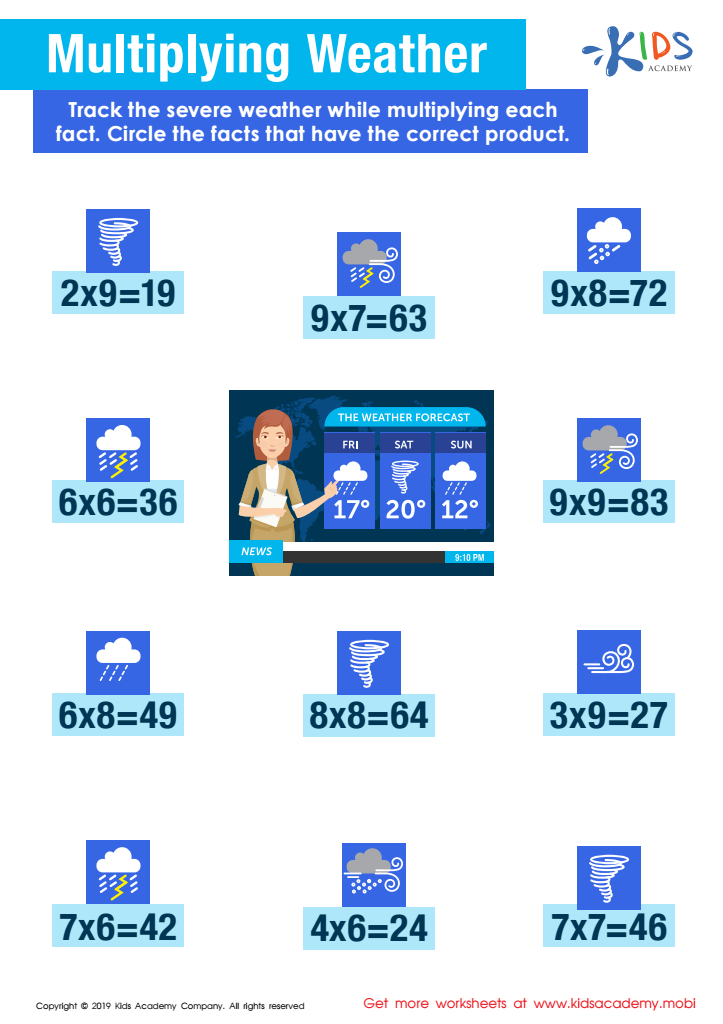
Multiplying Weather Worksheet
 Assign to My Students

Birdy Graph Matching Worksheet
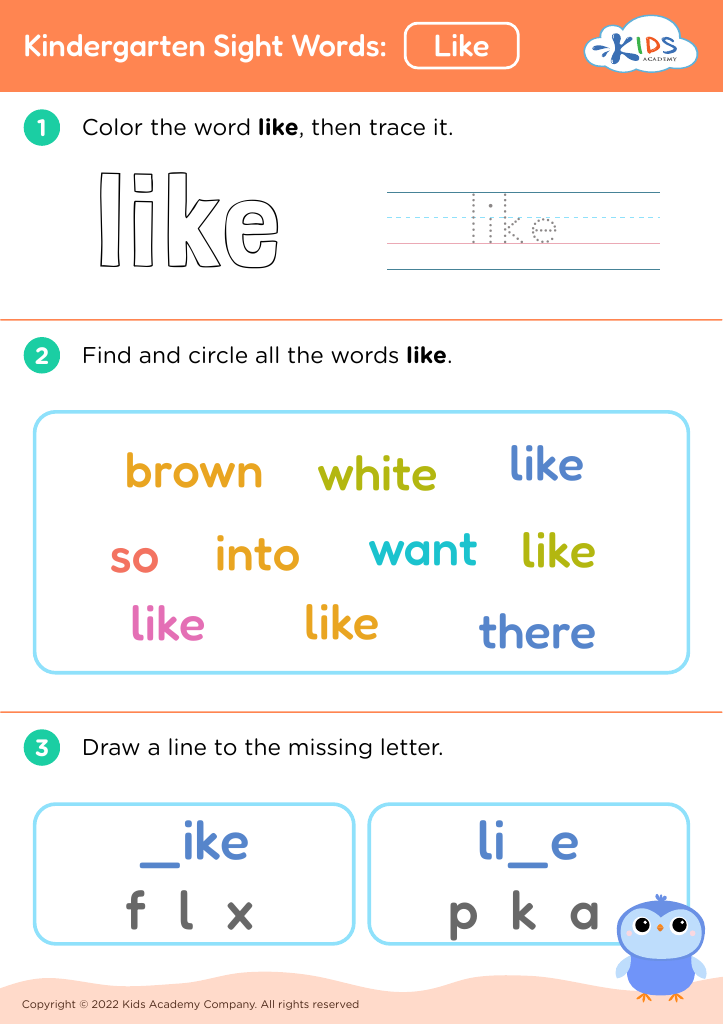








Data analysis skills for children ages 6-8 are foundational for their overall development and future learning. At this age, children begin to explore the world through exploration and questioning. By integrating data analysis into their learning, parents and teachers can help cultivate critical thinking skills and encourage children to make sense of the information around them. These skills not only support academic subjects like math and science but also enhance problem-solving capabilities and decision-making.
Furthermore, early exposure to data analysis promotes curiosity and inquiry-based learning. Children learn to collect data, make observations, and draw conclusions, which fosters a sense of agency and confidence in their abilities. This skill set will prepare them for a data-driven world, where understanding and interpreting information is essential in various fields and everyday situations.
Additionally, teaching data analysis encourages collaborative activities, as children often engage in discussions and work together to interpret data findings. This enhances their social skills and teamwork abilities. Ultimately, fostering data analysis skills in young learners equips them with tools to navigate challenges, make informed decisions, and lay the groundwork for lifelong learning and adaptability in an increasingly complex world.








