Develop problem-solving skills Worksheets for Ages 6-8
9 filtered results
-
From - To
Discover our "Develop Problem-Solving Skills Worksheets for Ages 6-8" designed to make learning interactive and engaging. Our expertly crafted worksheets help children enhance critical thinking and analytical skills through fun activities and puzzles. Perfect for both home and classroom use, these resources cover a wide range of subjects including math and reading comprehension. Watch young minds flourish as they navigate real-world scenarios, fostering creativity and confidence. Ideal for parents and educators looking to support early development, our worksheets provide a solid foundation for lifelong learning. Empower your child to think independently and solve problems with ease!
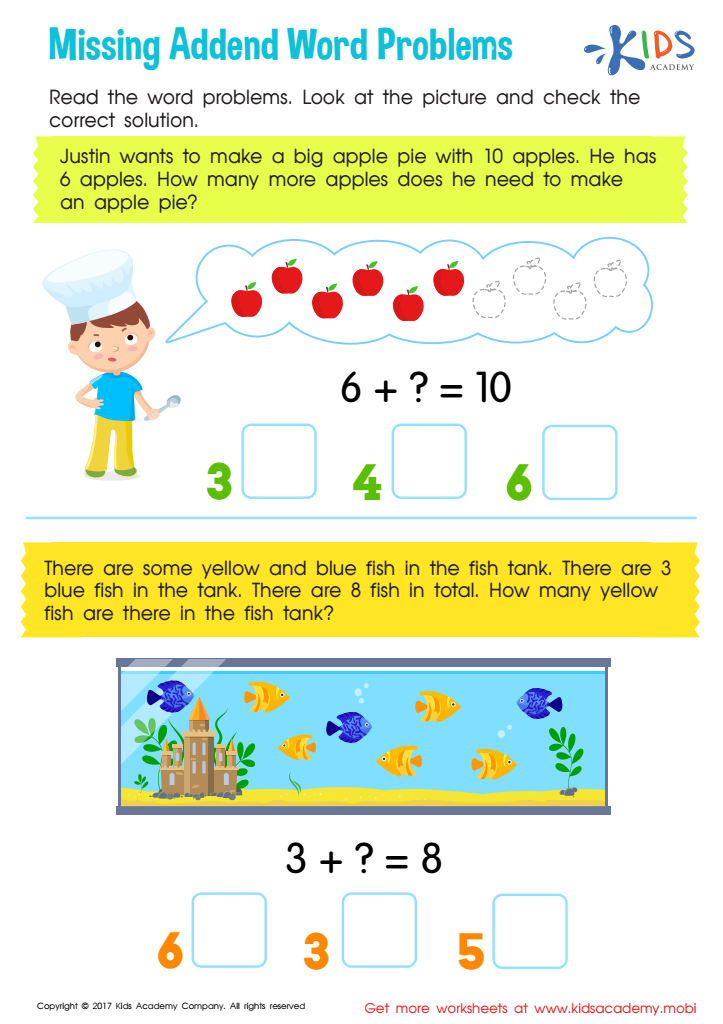
Missing Addend Word Problems Worksheet
 Assign to My Students

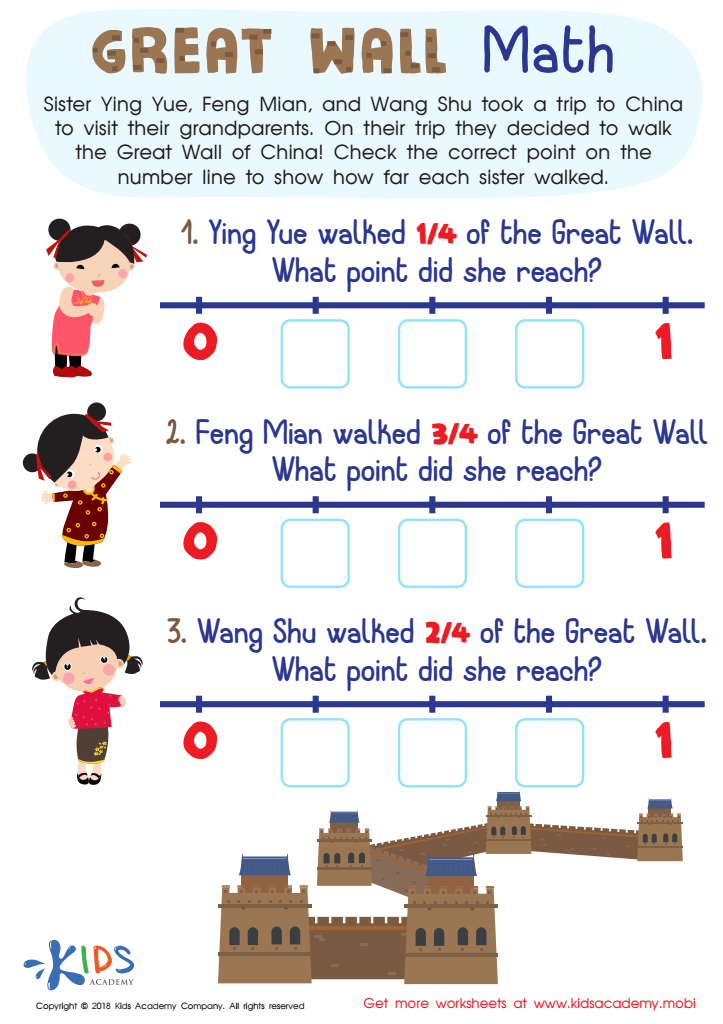
Great Wall Math Worksheet
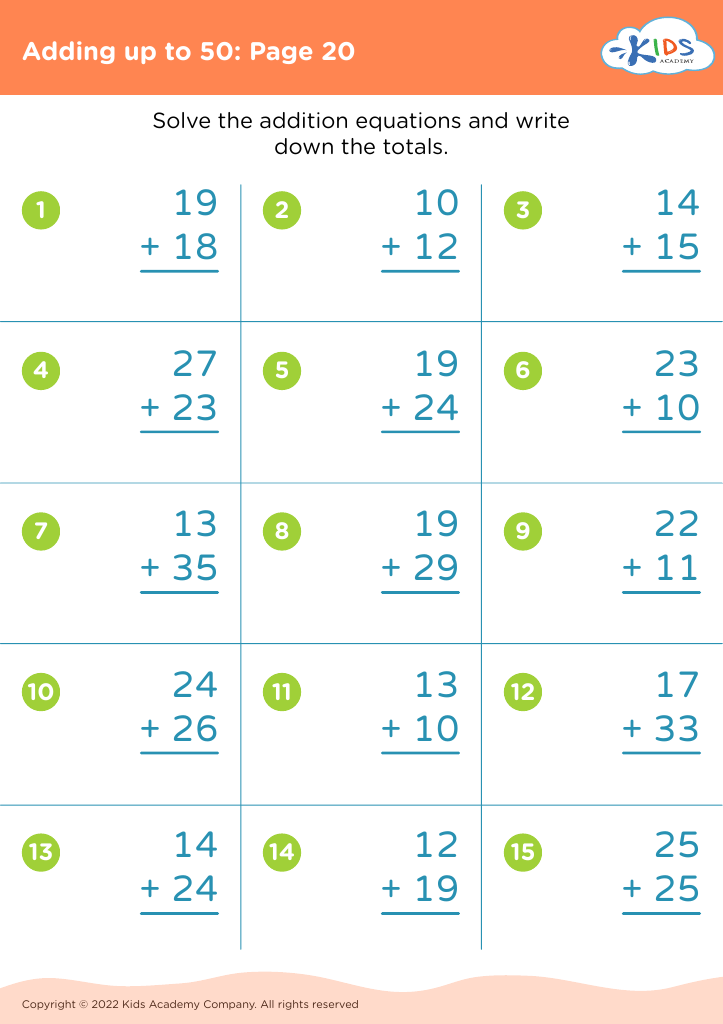
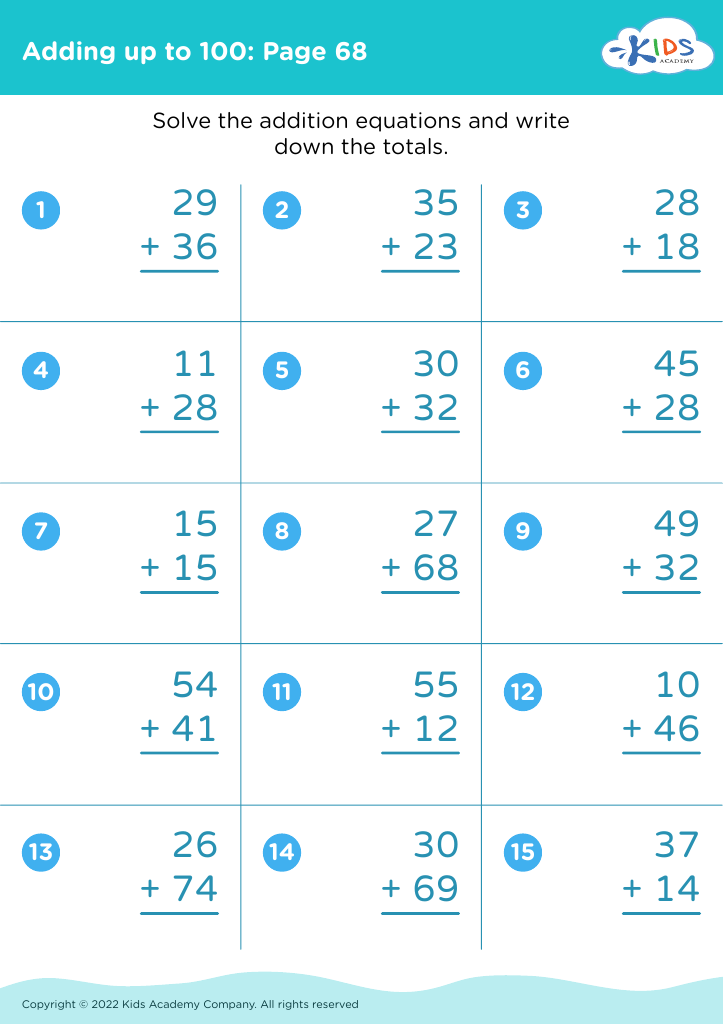
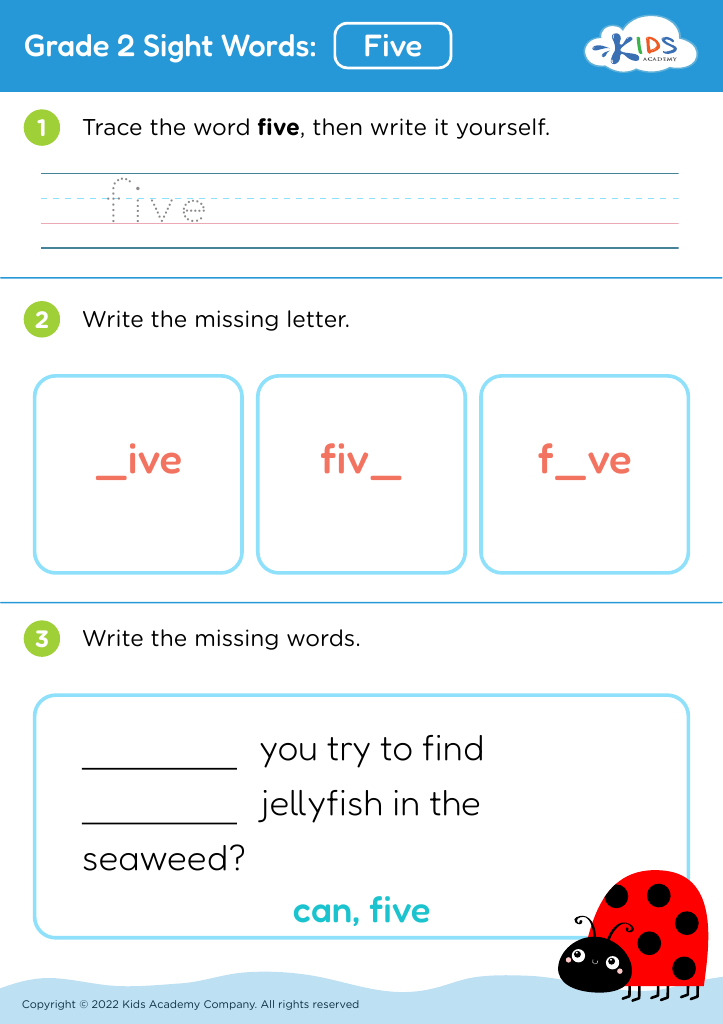






Developing problem-solving skills in children ages 6-8 is crucial for several reasons, helping to lay the foundation for a successful future. At this developmental stage, children begin to encounter more complex social interactions, academic tasks, and everyday challenges. By nurturing problem-solving abilities, parents and teachers equip children with the capacity to think critically, make informed decisions, and resolve conflicts effectively.
First, enhancing problem-solving skills promotes cognitive growth. Children learn to analyze situations, identify issues, generate possible solutions, and evaluate outcomes. These processes not only reinforce their logical thinking but also boost their creativity as they explore multiple ways to approach a problem.
Second, problem-solving is essential for emotional development. When children successfully solve problems, they gain confidence in their abilities and build resilience. They learn that challenges are not insurmountable but opportunities for growth. This mindset helps reduce anxiety and fear of failure, fostering a positive attitude towards adversity.
Lastly, strong problem-solving skills enhance social competence. Children learn to empathize, negotiate, and collaborate with peers, leading to healthier relationships and better teamwork abilities. These skills are invaluable not just in school, but in every aspect of life.
In sum, nurturing problem-solving abilities in young children prepares them to navigate life's complexities with confidence, adaptability, and empathy.








