Developing comprehension Worksheets for Ages 6-8
3 filtered results
-
From - To
Welcome to our Developing Comprehension Worksheets for Ages 6-8! These engaging resources are designed to enhance your child's reading and comprehension skills through fun, interactive activities. Suitable for early learners, our worksheets promote critical thinking, vocabulary development, and understanding of text. With a variety of themes and formats, children will enjoy exploring stories while honing their ability to recall facts, make inferences, and answer questions. The platforms offer unique exercises that cater to different learning styles, ensuring that every child can thrive. Inspire a love for reading and boost confidence in comprehension! Explore, print, and watch your child excel.
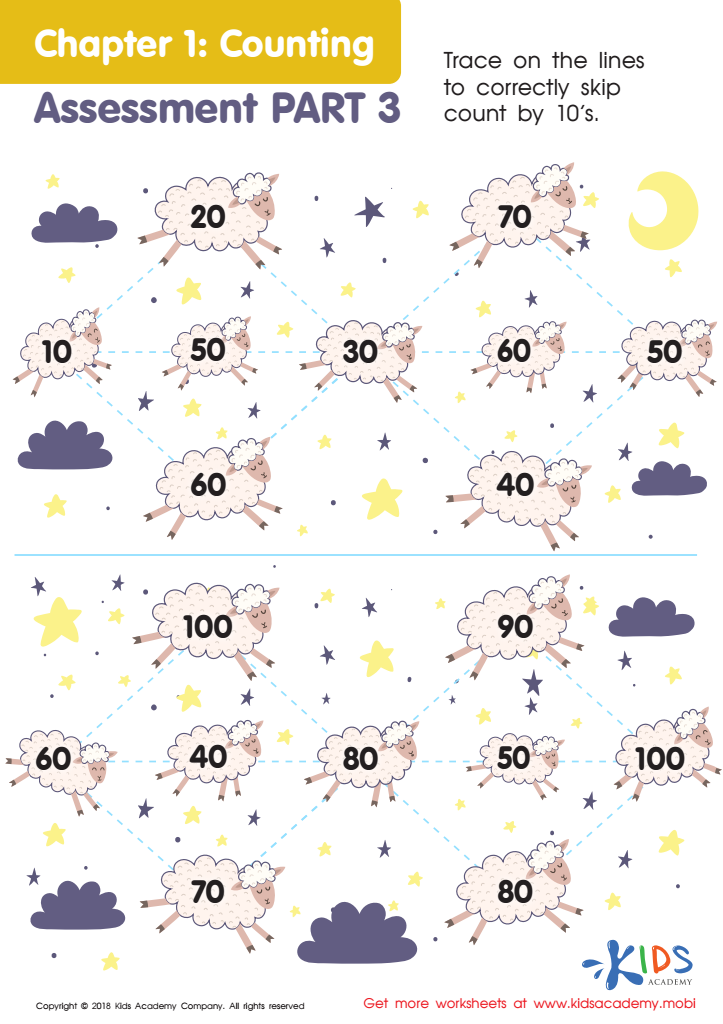
Counting: Assessment 3 Worksheet
 Assign to My Students
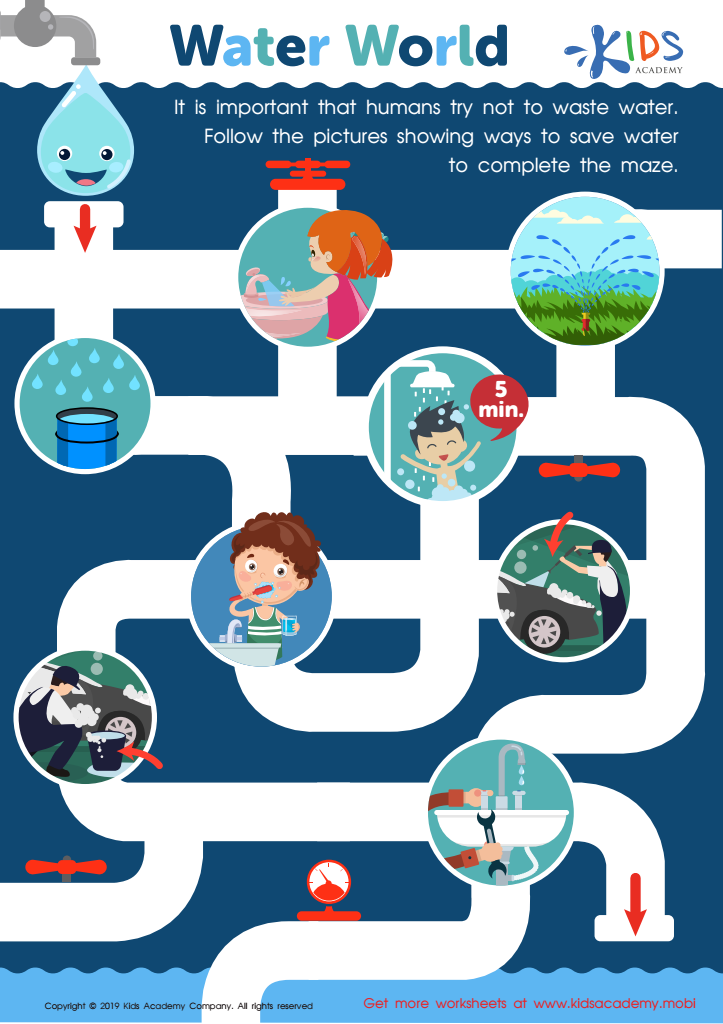
Water World Worksheet
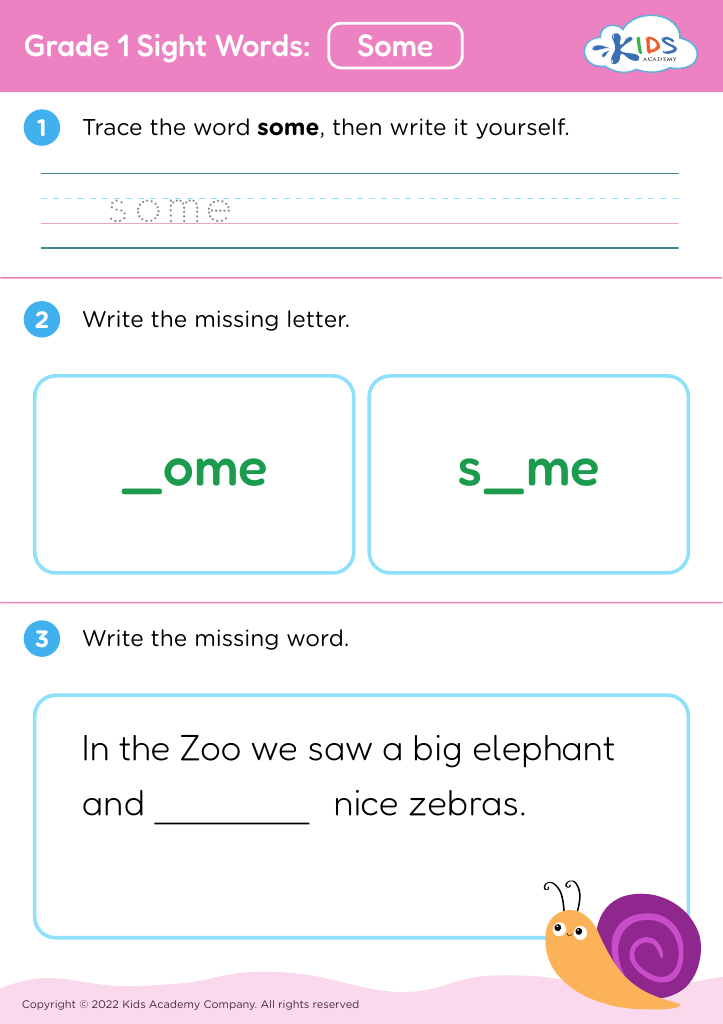








Developing comprehension skills in children aged 6-8 is crucial for their academic success and overall development. At this age, children transition from learning to read to reading to learn. Strong comprehension abilities allow them to engage more deeply with texts, fostering a love for reading and enhancing critical thinking skills.
Teachers and parents play a pivotal role in this developmental stage. When children understand what they read, they can make connections to their own experiences, relate concepts across subjects, and articulate their thoughts clearly. This skillset lays a solid foundation for future learning, encouraging curiosity and a desire to explore new ideas.
Moreover, comprehension influences a child’s confidence. Struggling to understand texts can lead to frustration and a negative attitude toward reading. By nurturing these skills through discussions, questioning, and interactive reading practices, adults can instill a sense of achievement and motivation in children.
Ultimately, strong comprehension skills are linked not only to better academic performance but also to improved communication skills and social interactions. In essence, prioritizing comprehension development benefits children in the classroom and equips them for lifelong learning and success.








