Developing critical thinking Worksheets for Ages 6-8
11 filtered results
-
From - To
Unlock your child's potential with our "Developing Critical Thinking Worksheets for Ages 6-8." Designed to support young minds, these engaging worksheets promote analytical skills through fun activities that challenge students to think creatively and solve problems. By incorporating exercises that foster logic, reasoning, and decision-making, your child will enhance their mental agility and confidence. Perfect for home learning or the classroom, our resources empower educators and parents alike to nurture their child's cognitive development. Help your child explore the world of critical thinking while enjoying lively and interactive lessons. Boost their thinking skills today with our printable worksheets!

Seeds on the Move Worksheet
 Assign to My Students
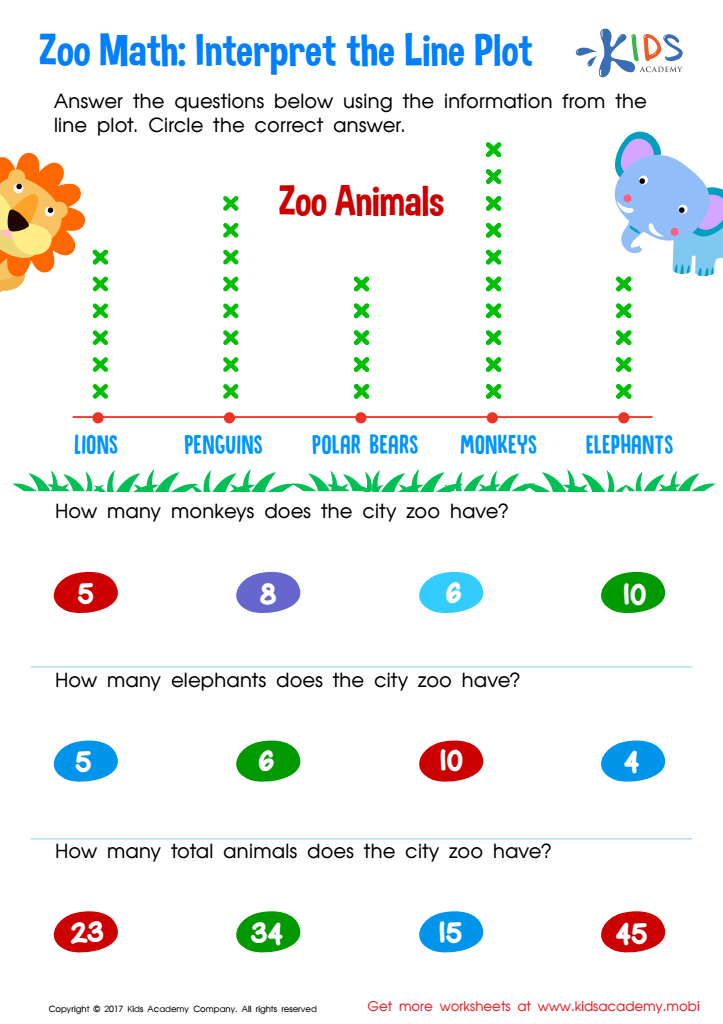
Interpret Line Plot Worksheet
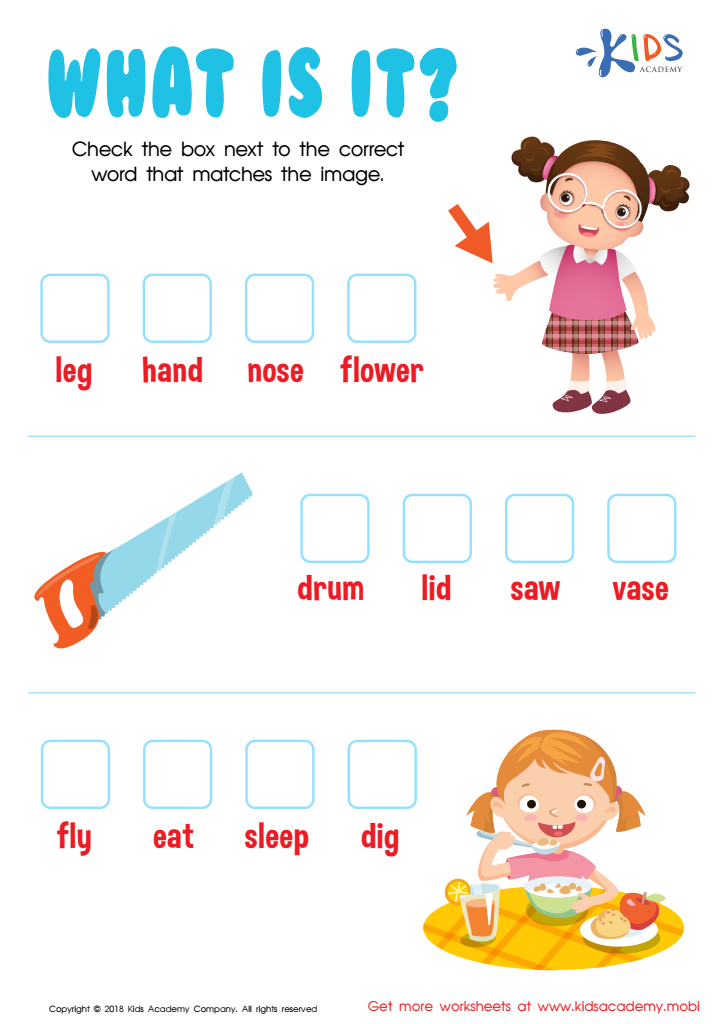
What Is It? Worksheet
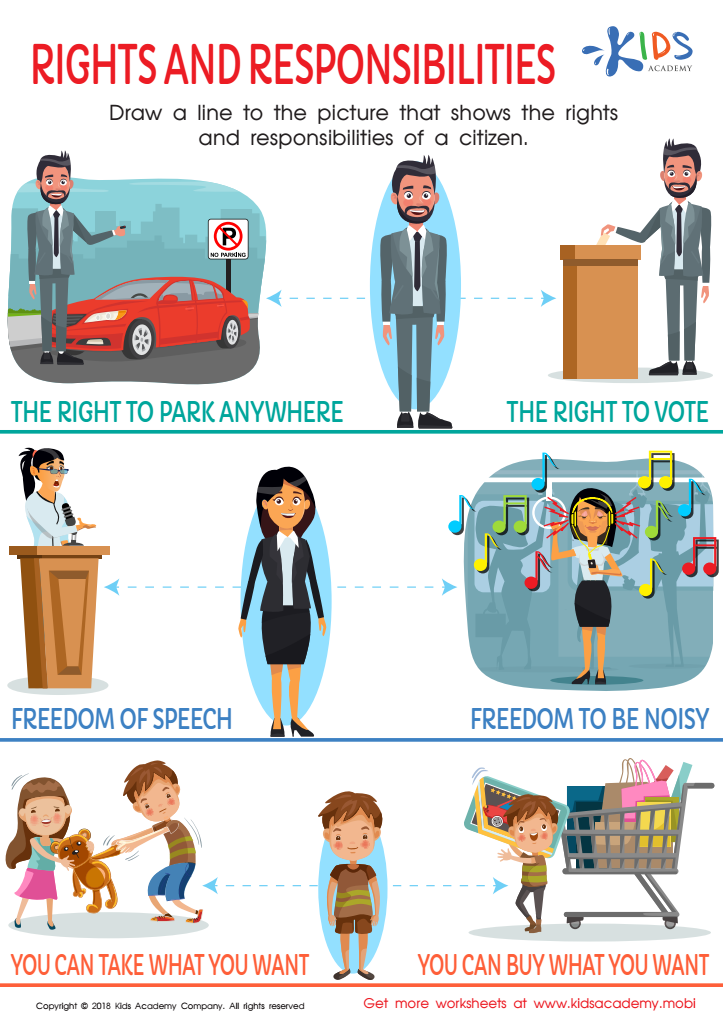
Rights and Responsibilities Worksheet
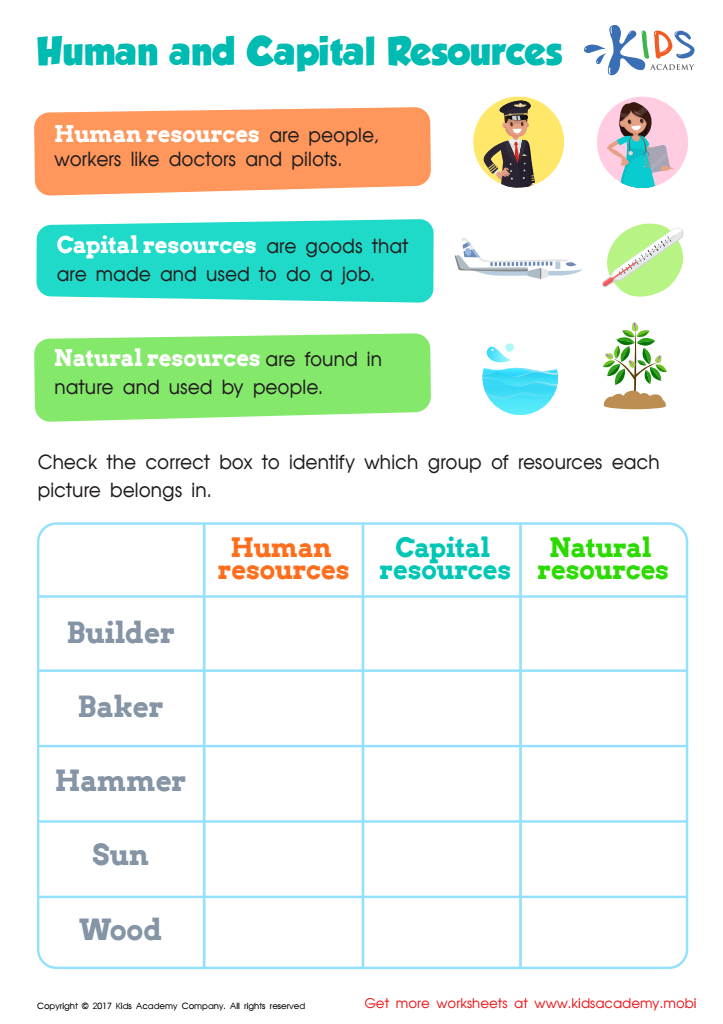
Human and Capital Resources Worksheet
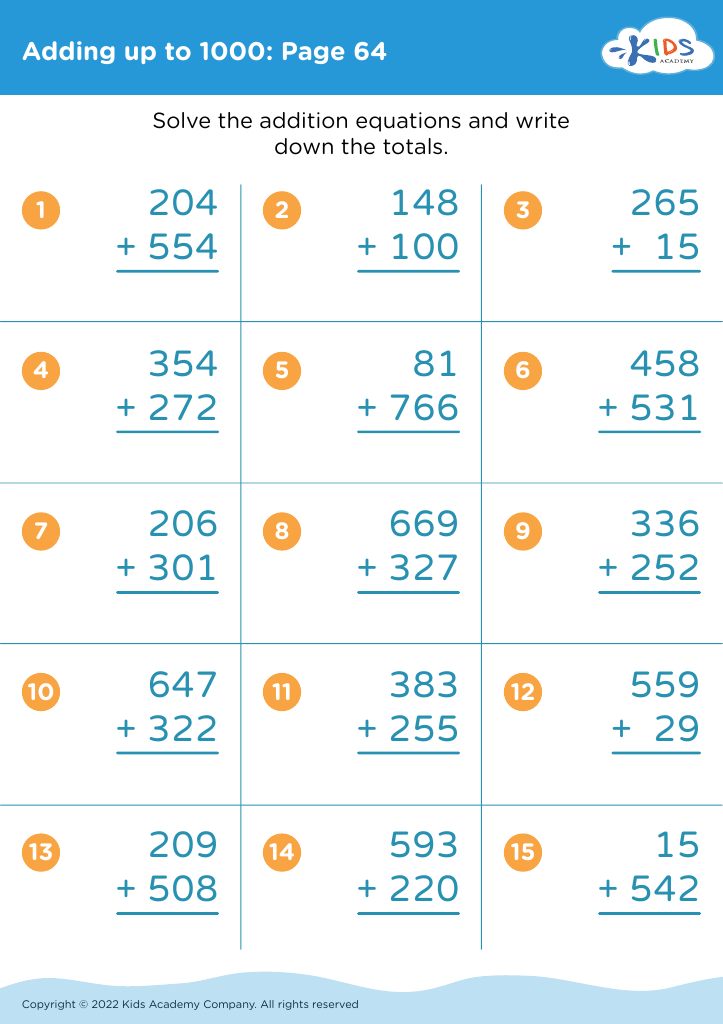
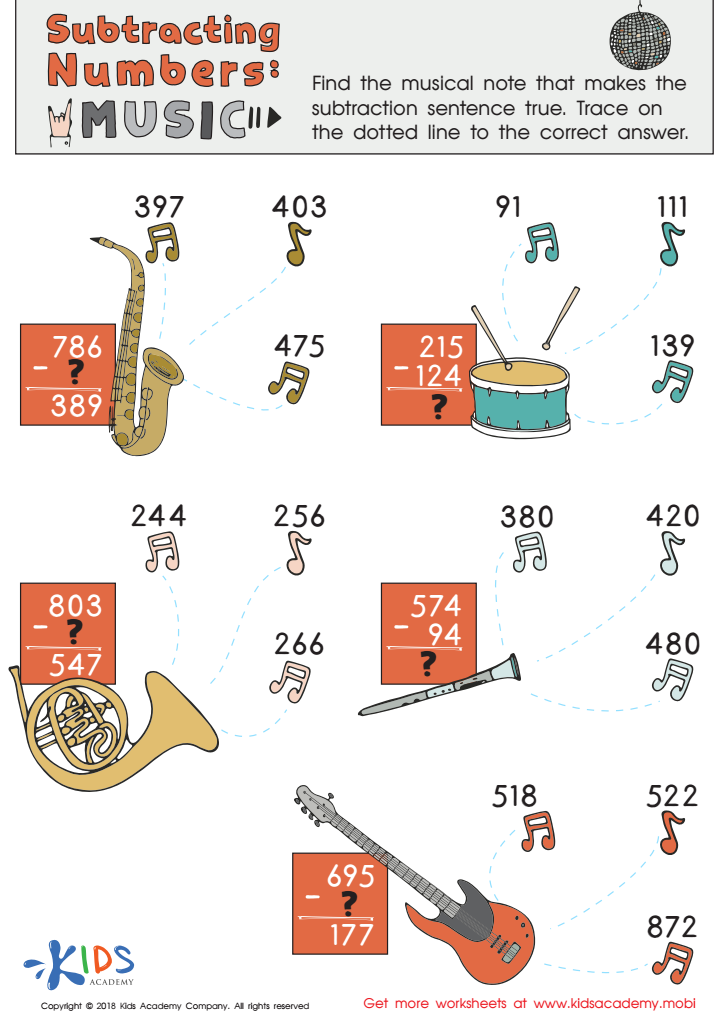
Subtracting Numbers: Music Worksheet
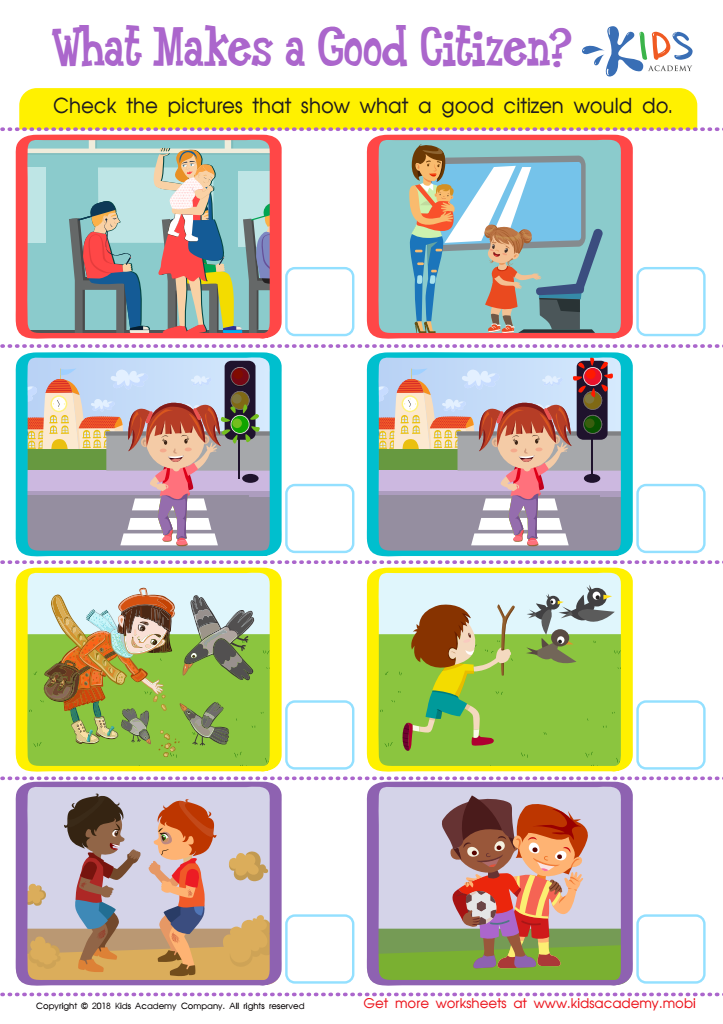
What Makes a Good Citizen? Worksheet
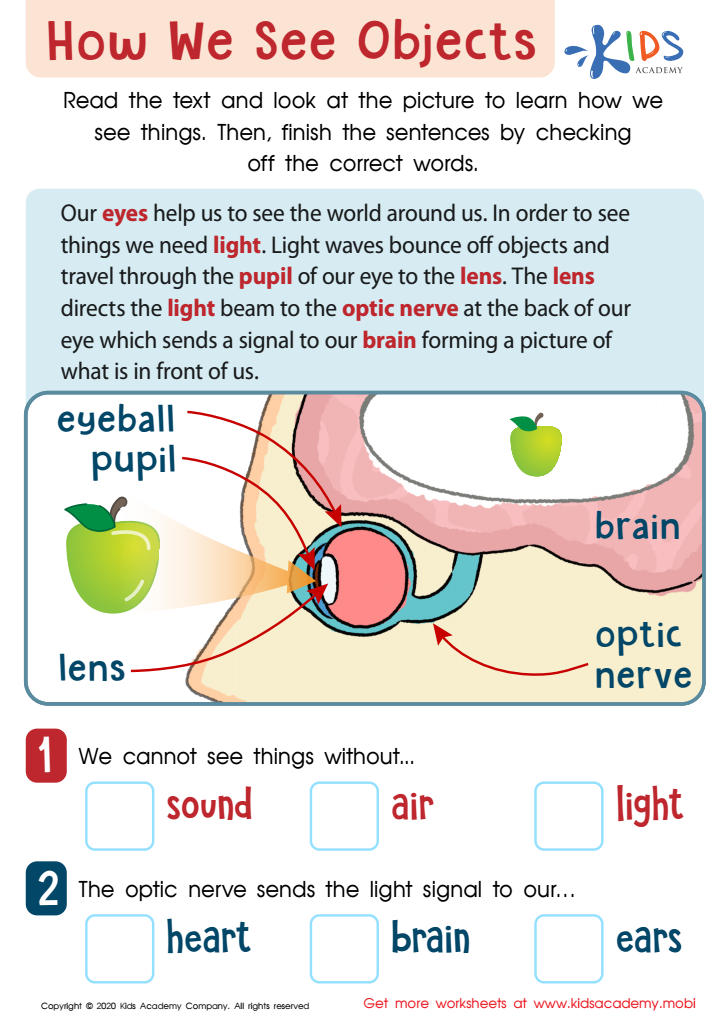
How We See Objects Worksheet

Man-Made or Natural? Worksheet





Developing critical thinking skills in children ages 6-8 is essential for their overall cognitive growth and future success. During these formative years, children are naturally curious and eager to explore the world around them. Encouraging critical thinking fosters their ability to analyze information, solve problems, and make informed decisions.
Parents and teachers should care about honing these skills because they lay the foundation for lifelong learning. Critical thinkers are better equipped to navigate complexities, approach challenges with confidence, and develop creativity. In an era of abundant information, teaching children how to evaluate sources, differentiate between facts and opinions, and assess arguments is crucial.
Moreover, critical thinking enhances social skills, enabling children to engage in meaningful dialogue, resolve conflicts, and understand diverse perspectives. This is critical in building empathy and cooperation in today's interconnected world.
Implementing age-appropriate activities like puzzles, discussions, and open-ended questions can enhance these skills in fun, engaging ways. By prioritizing critical thinking, parents and teachers actively contribute to shaping thoughtful, responsible, and resilient individuals prepared to thrive in real-world situations. Ultimately, nurturing these skills helps children become independent, lifelong learners capable of contributing positively to society.








