Developing problem-solving skills Worksheets for Ages 6-8
9 filtered results
-
From - To
Enhance your child's critical thinking with our engaging problem-solving skills worksheets designed for ages 6-8. These thoughtfully crafted activities encourage young learners to explore various challenges, promoting logical reasoning and creativity. With a variety of fun exercises, including puzzles, riddles, and real-world scenarios, your child will develop essential problem-solving skills while enjoying the process. Our worksheets align with educational standards, making them perfect for classroom use or at-home learning. Start fostering your child's confidence and resourcefulness today with our interactive materials that transform learning into an exciting adventure! Access these free printable worksheets and watch your child thrive in their problem-solving abilities!
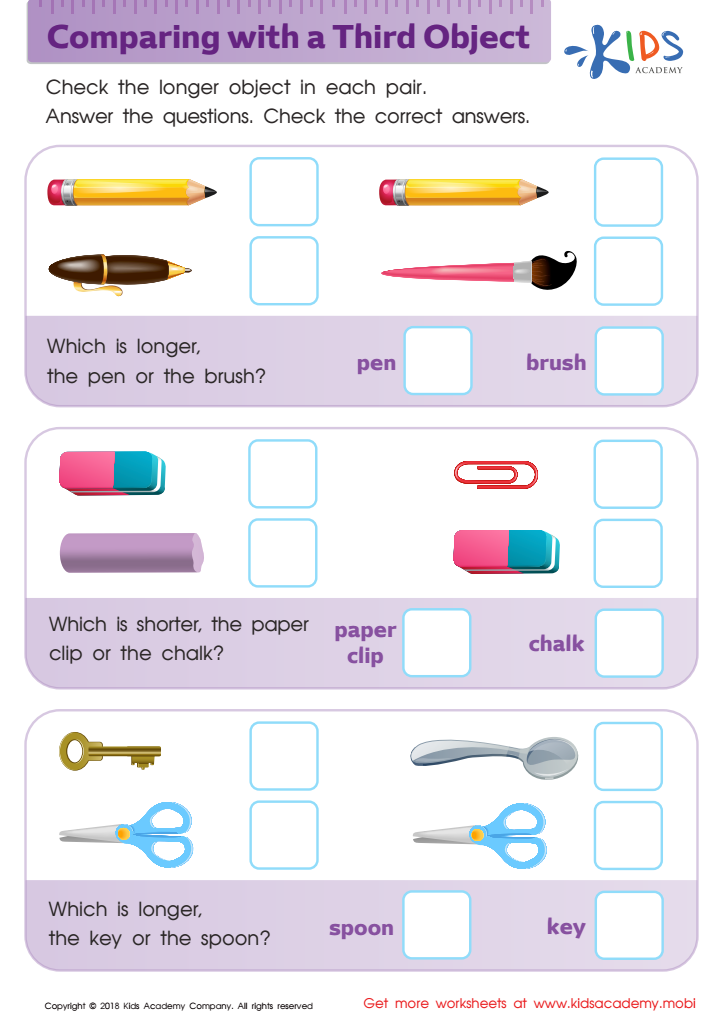
Comparing with a Third Object Worksheet
 Assign to My Students

Mass Word Problems Worksheet
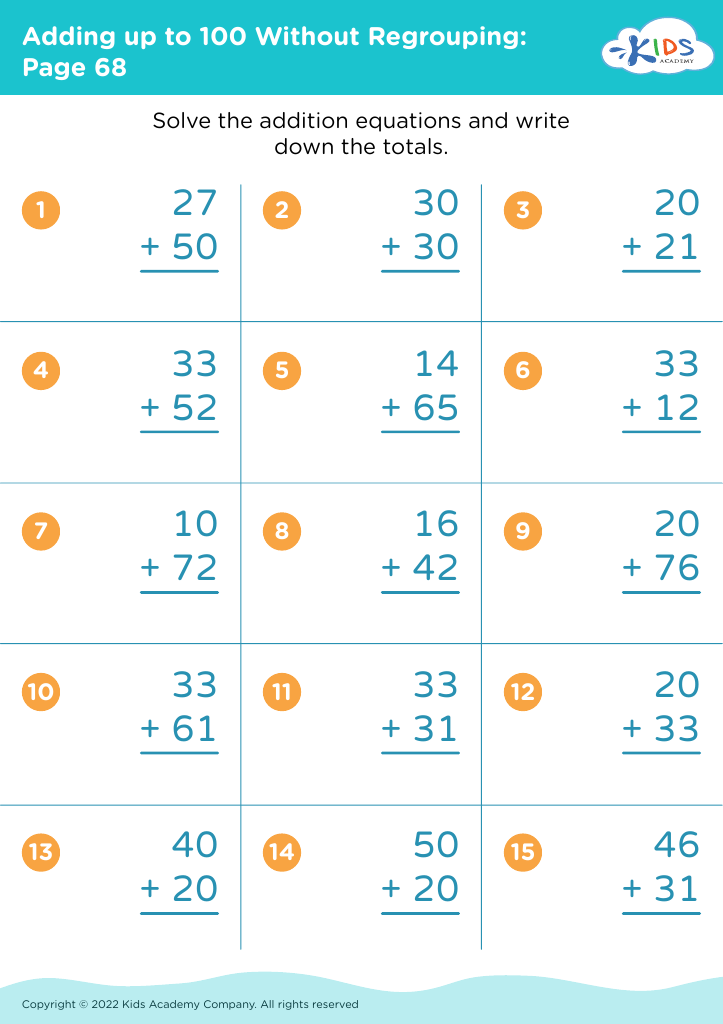
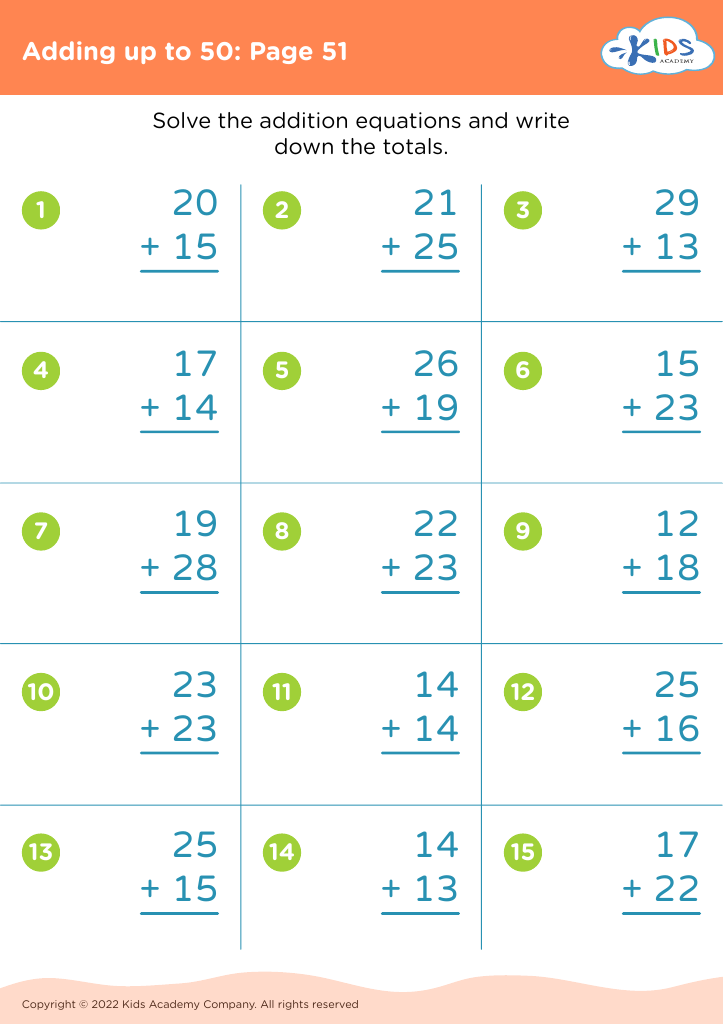
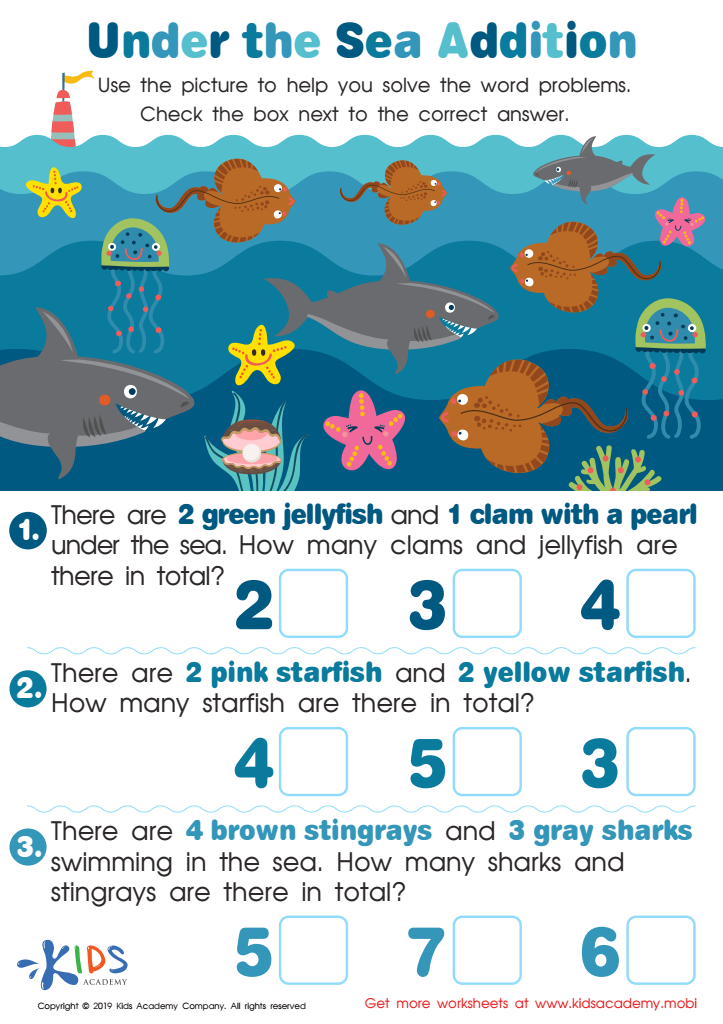
Under the Sea Addition Worksheet
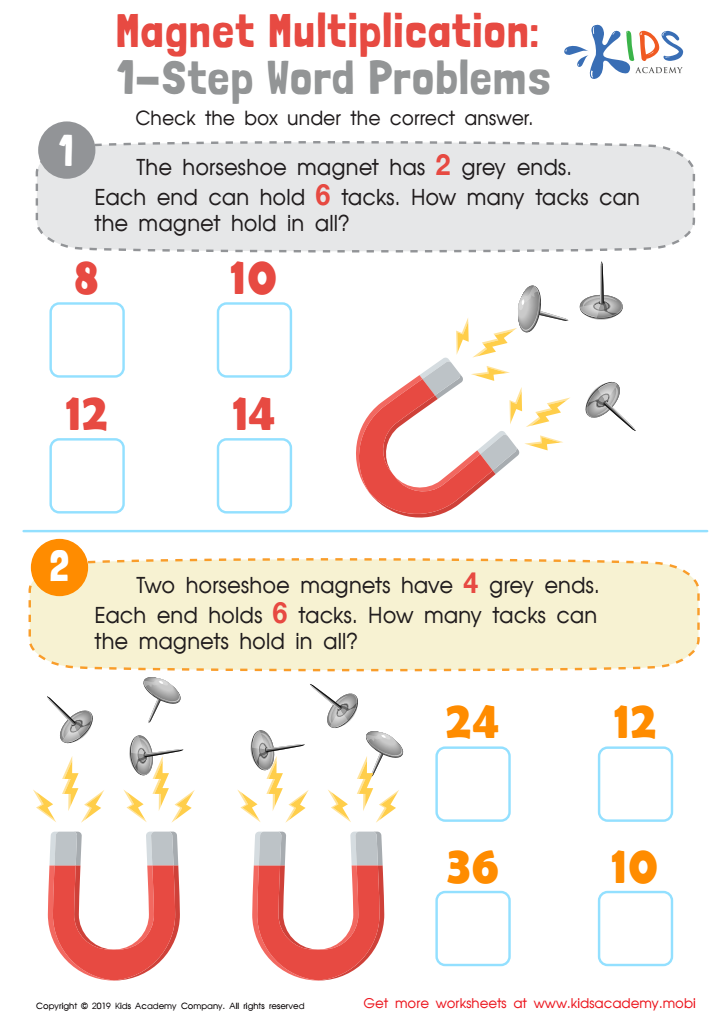
Magnet Multiplication: 1-Step Word Problems Worksheet
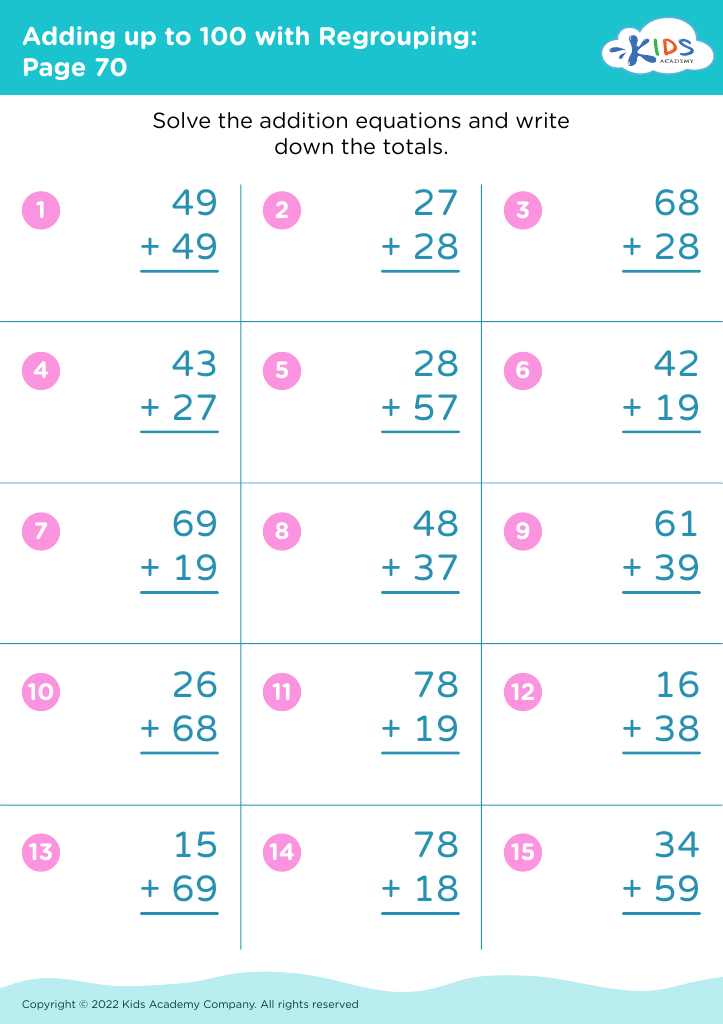
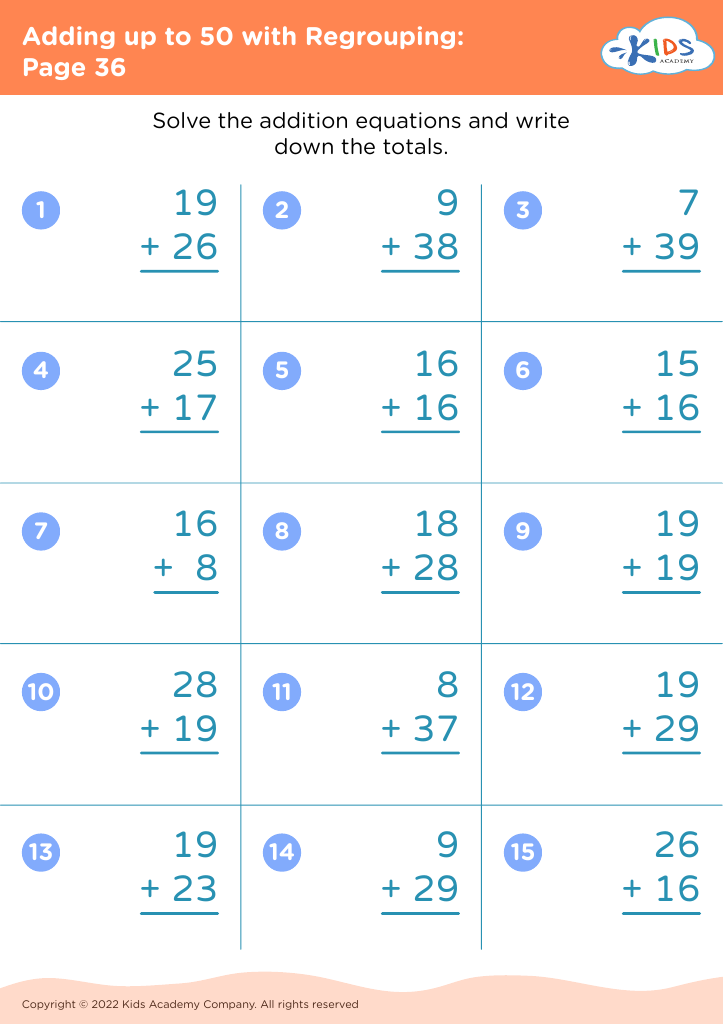
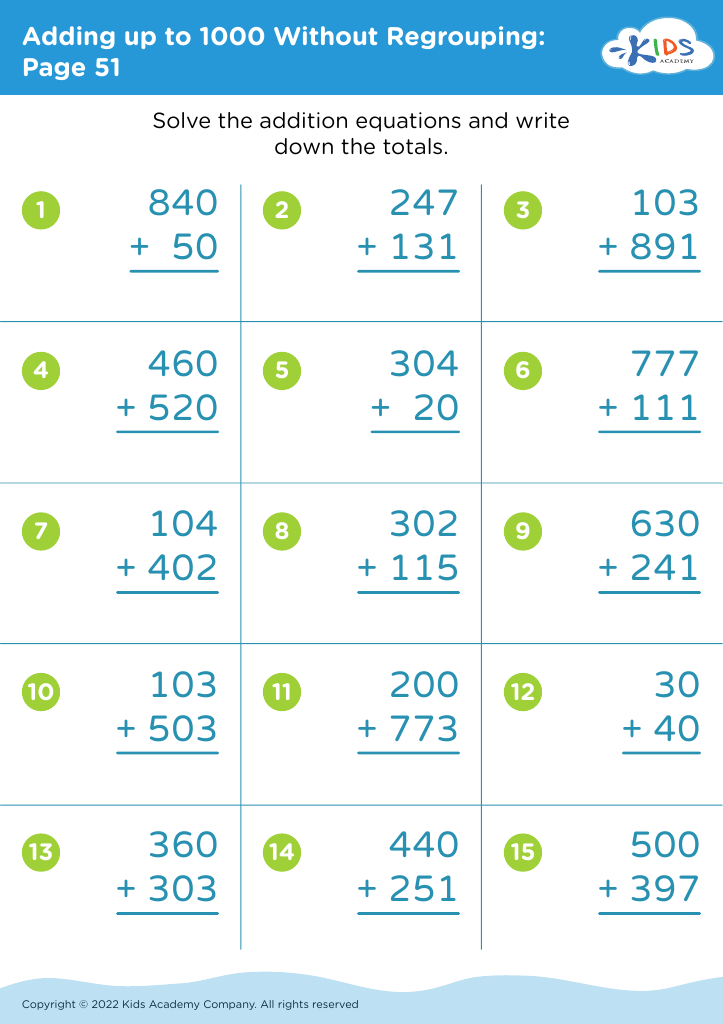


.jpg)





Developing problem-solving skills in children aged 6 to 8 is crucial for both their academic success and personal growth. At this age, children are increasingly exposed to complex situations, whether during play, in school, or at home. By nurturing these skills early on, parents and teachers empower children to think critically and independently, fostering resilience and creativity.
Problem-solving enhances cognitive development, enabling children to initiate and execute solutions when faced with challenges. This skill is fundamental for subjects like math and science, where analytical thinking is required. Additionally, by engaging in problem-solving activities, children learn to collaborate with peers, improving their communication and teamwork skills, which are vital for future social interactions and workplace environments.
Furthermore, developed problem-solving skills boost a child's confidence and perseverance. When children tackle challenges and find solutions, they learn that making mistakes is a natural part of the learning process, instilling a growth mindset.
Ultimately, investing in these skills prepares children not just academically, but also as individuals capable of navigating life's challenges effectively. Teachers and parents play a pivotal role in fostering these skills, ensuring children are well-equipped for future success.








