Directional understanding Worksheets for Ages 6-8
4 filtered results
-
From - To
Enhance your child's spatial awareness and reasoning skills with our Directional Understanding Worksheets for ages 6-8. Carefully crafted and engaging, these worksheets are designed to teach kids essential navigation skills, such as left, right, up, and down. Through fun activities and exercises, children will learn to follow directions, understand maps, and boost their geometry readiness. With colorful illustrations and diverse tasks, these worksheets make learning enjoyable and effective. Perfect for classroom use or at-home practice, they provide a strong foundation for academic success and everyday life. Browse our collection today and help your child master directional understanding!
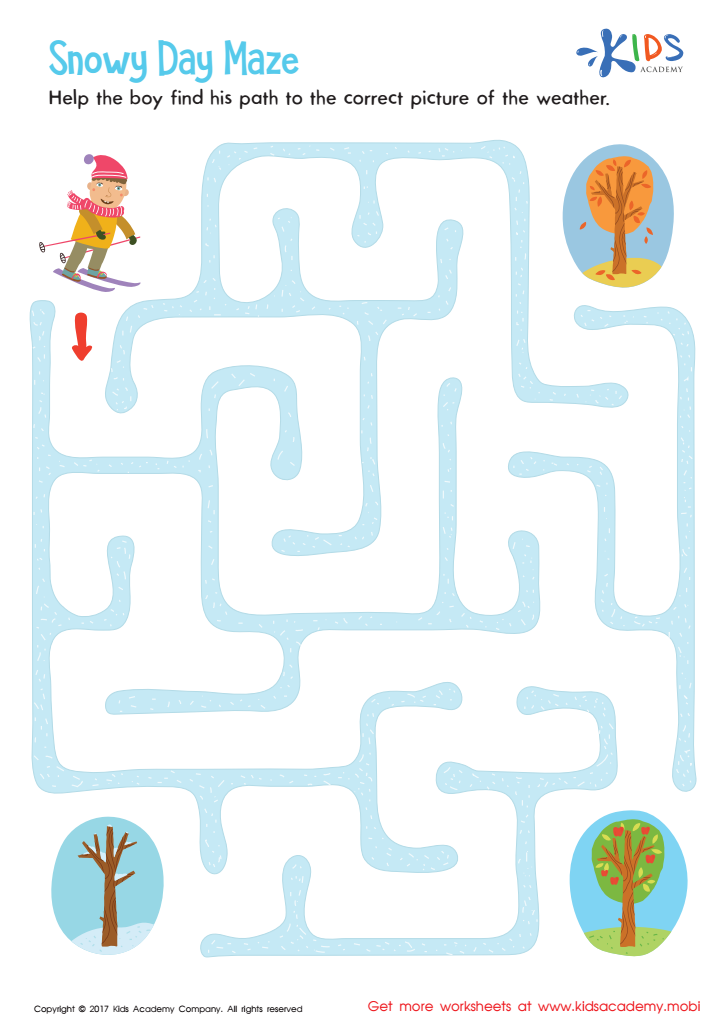
 Assign to My Students
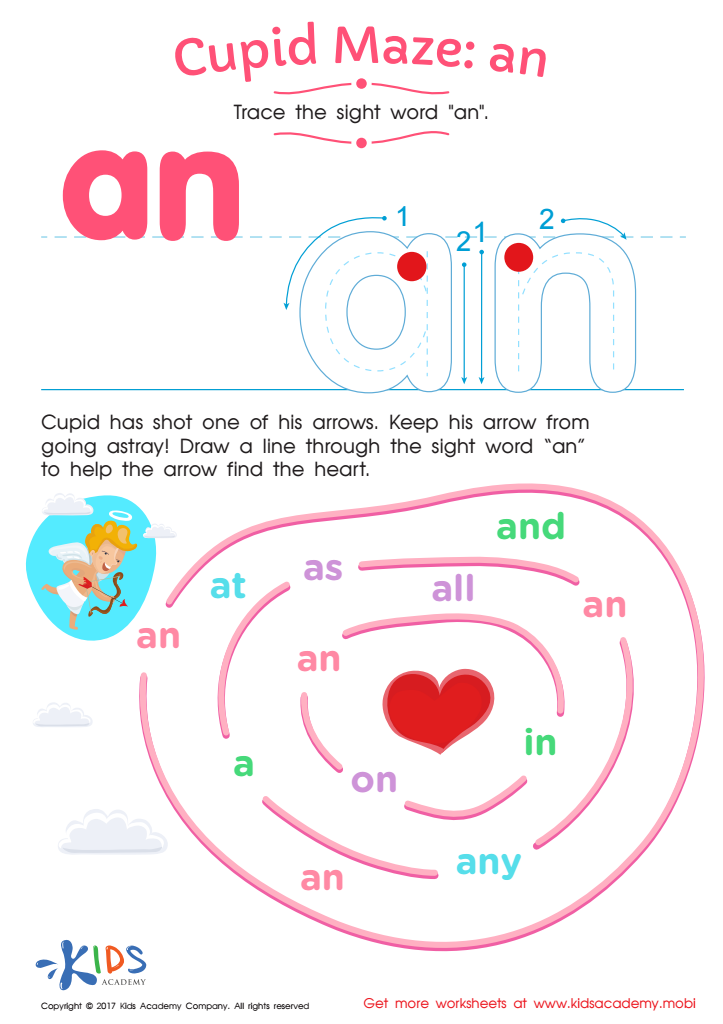
Cupid Maze: An Printable
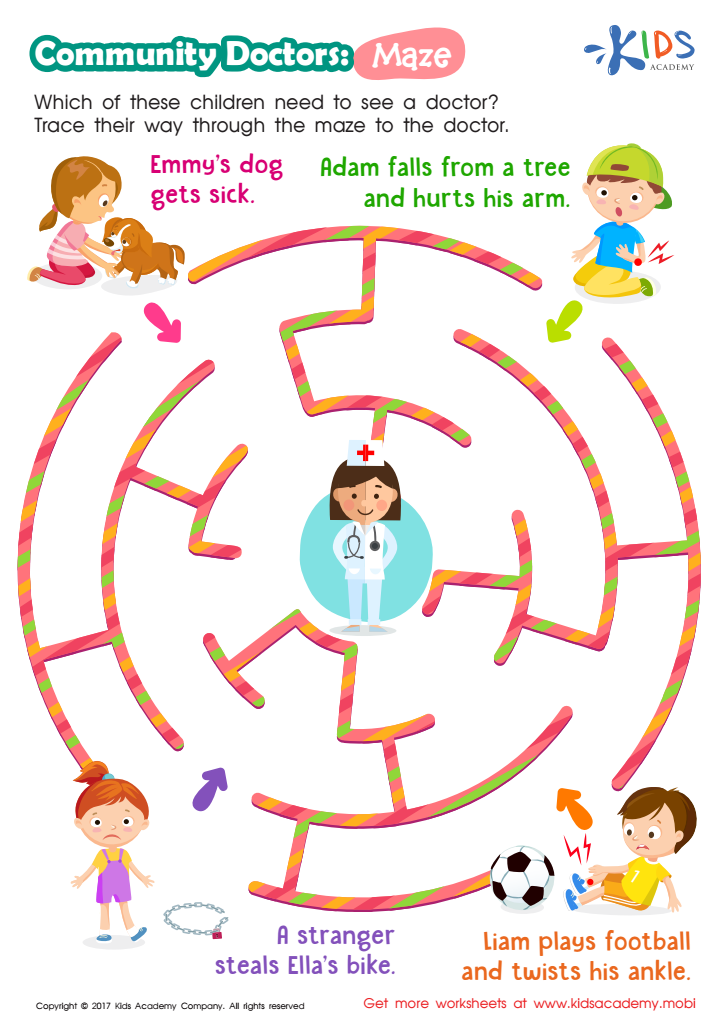
Community Doctors: Maze Printable
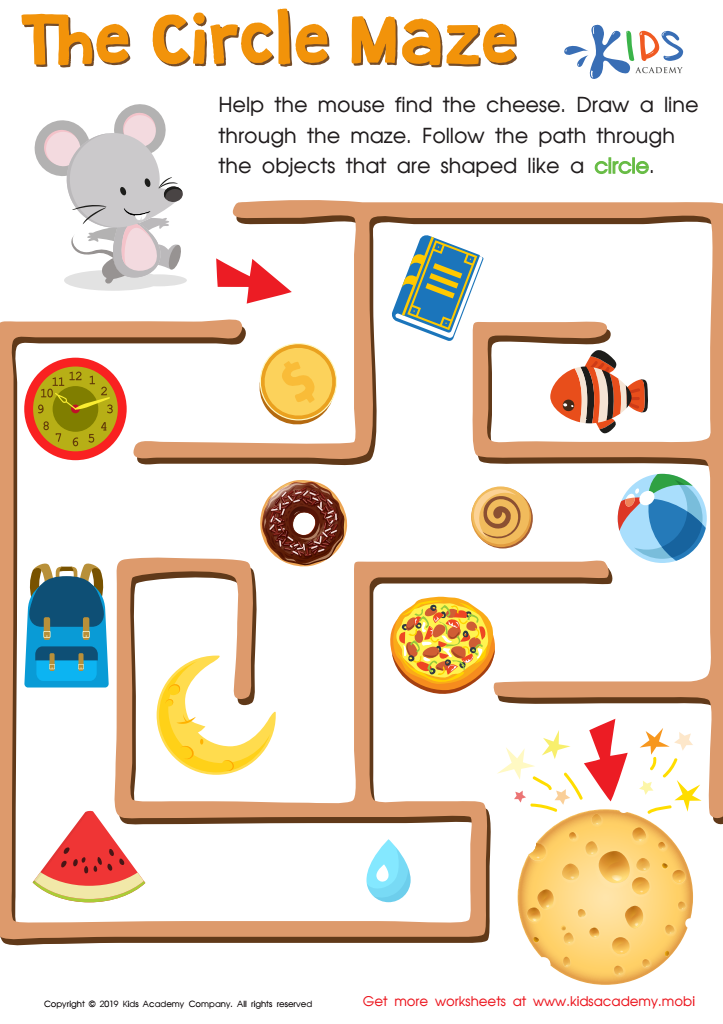
The Circle Maze Worksheet








Directional understanding is critical for children aged 6-8 because it lays the foundation for essential cognitive and physical skills. At this stage, children are typically in the first or second grade, where they start to encounter more complex spatial concepts in their learning environments.
Firstly, directional understanding is crucial for reading and writing. Recognizing left from right helps them correctly form and follow sequences of letters and numbers, aiding in literacy and numeracy development. For example, newspapers in some cultures are read from left to right; without understanding direction, a child's reading can be confused.
Secondly, a good grasp of directions enhances navigational skills, allowing children to follow instructions effectively, whether in a classroom setting or playgrounds. This spatial awareness aids their physical coordination, contributing to physical education and games that require movement and orientation.
Thirdly, it supports cognitive development by enabling children to visualize and mentally manipulate objects. This skill is essential for subjects like math and science, where concepts often require spatial reasoning, such as understanding geometric shapes and solving puzzles.
Moreover, integration of directional terms (left, right, above, below, etc.) strengthens their language skills and fosters effective communication. Overall, emphasizing directional understanding in early education cultivates well-rounded, capable children who are better prepared for future academic challenges and daily life experiences.








