Enhancing categorization skills Worksheets for Ages 6-8
5 filtered results
-
From - To
Unlock the power of categorization for ages 6-8 with our engaging worksheets designed to boost cognitive skills and build a strong educational foundation. These printable activities encourage children to group similar items, recognize patterns, and improve critical thinking. Each worksheet is crafted to be interactive and fun, allowing young learners to explore various categories, such as animals, shapes, and everyday objects. Perfect for classroom use or home learning, these resources foster independence and enhance problem-solving abilities. Watch as your child develops essential skills while having fun with our thoughtfully designed categorization worksheets. Get started today and inspire curiosity!
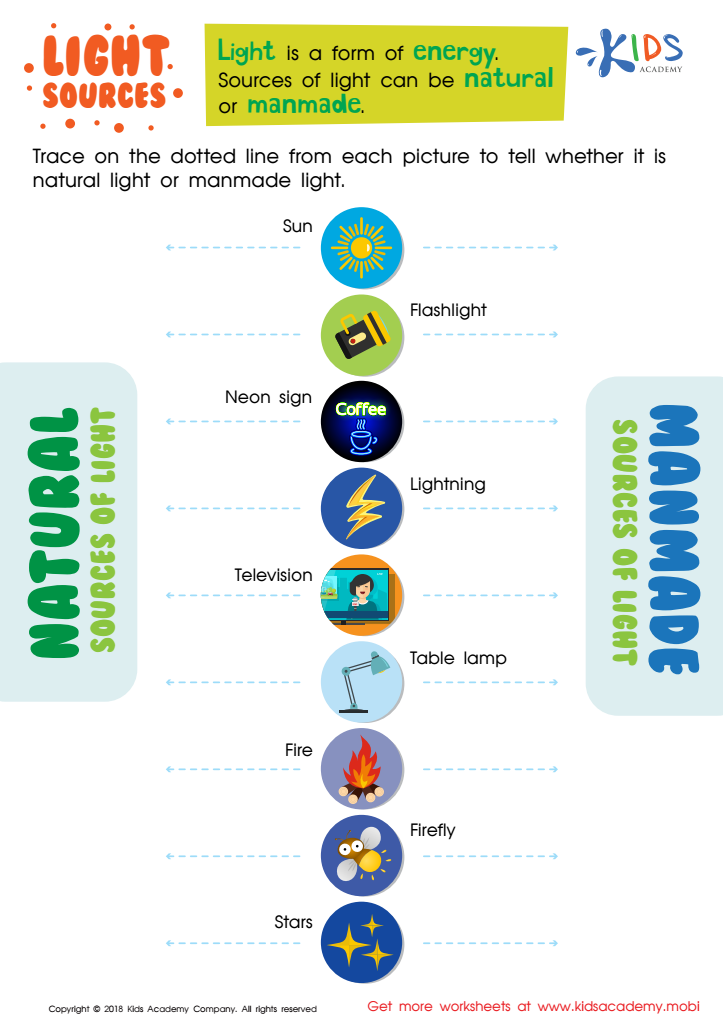
Natural and Manmade Light Sources Worksheet
 Assign to My Students
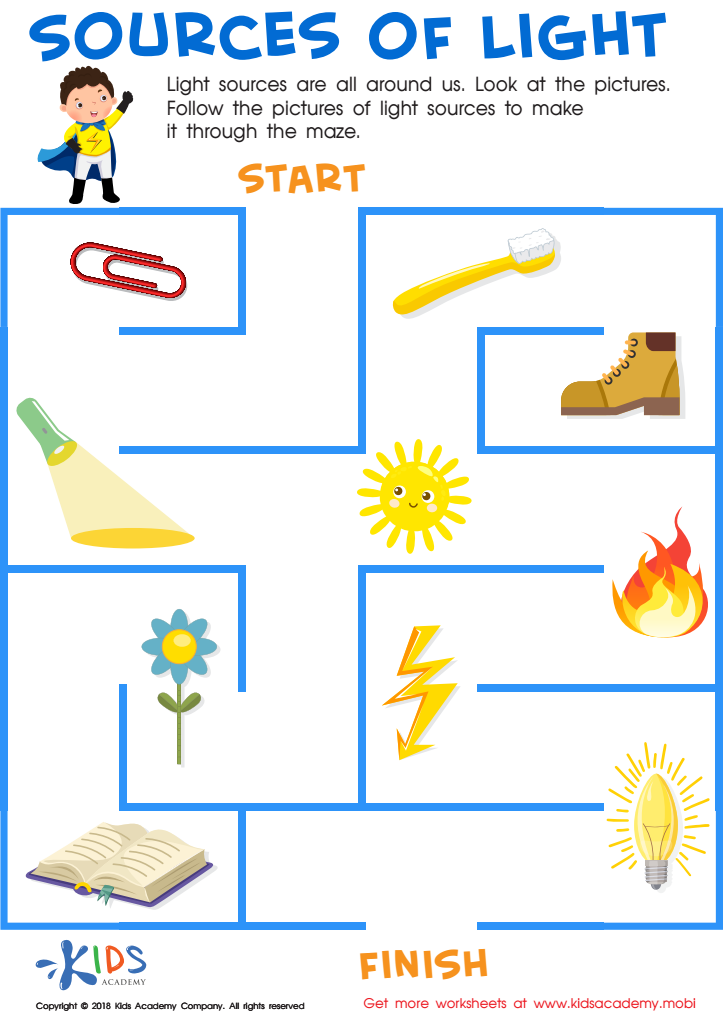
Sources of Light Worksheet
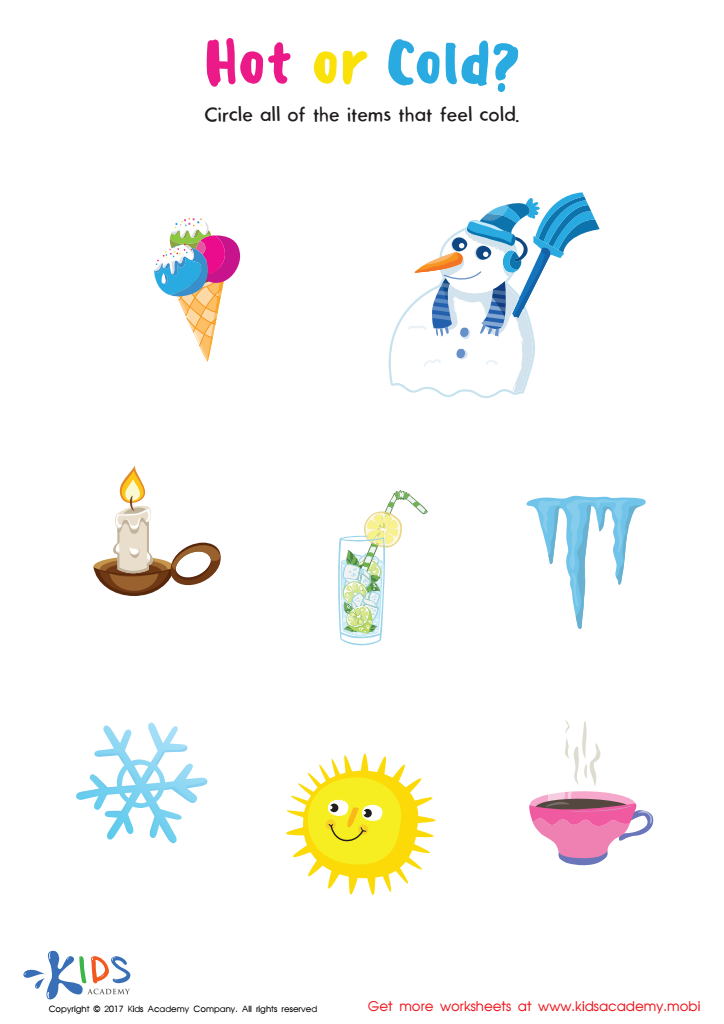
Hot or Cold Printable
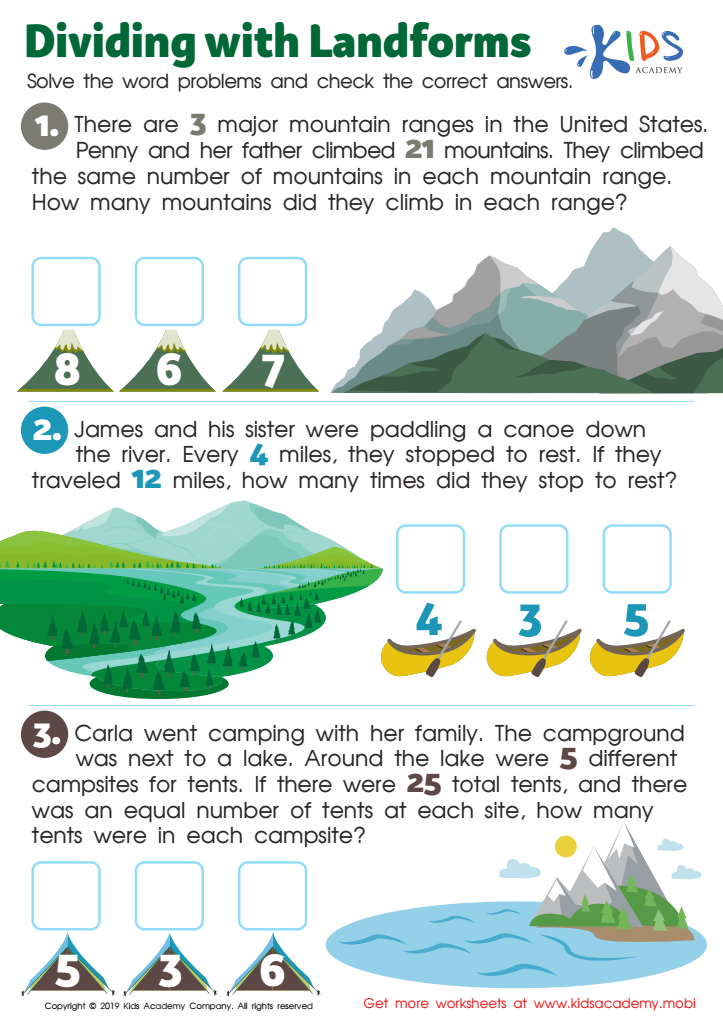
Dividing with Landforms



.jpg)


Enhancing categorization skills for children aged 6-8 is crucial for their cognitive development and overall learning. During these formative years, children are eager to explore and make sense of the world around them. By fostering categorization skills, parents and teachers help children understand relationships between objects, concepts, and ideas, which enhances their critical thinking abilities.
Categorization is the process of grouping items based on shared characteristics, enabling children to identify patterns and make connections. This skill underpins language development, as children learn to categorize words and understand their meanings. It is essential for subjects like math and science, where classifying data and recognizing relationships are vital tasks.
Moreover, strong categorization skills aid in problem-solving and decision-making. As children learn to classify and organize information, they become more efficient learners, which can decrease frustration and increase confidence. This foundation can lead to better academic performance and a lifelong love for learning.
Parents and teachers play a pivotal role in nurturing these skills through diverse activities. Fun sorting games, hands-on exploration, and creative projects can make learning engaging. By prioritizing categorization, caregivers can help children build essential tools for comprehensive understanding and effective learning throughout their educational journey.








