Enhancing mental arithmetic Worksheets for Ages 6-8
4 filtered results
-
From - To
Discover our engaging "Enhancing Mental Arithmetic Worksheets" designed specifically for children aged 6-8. These carefully crafted worksheets focus on boosting mental math skills through fun and interactive exercises. Young learners will practice addition, subtraction, and basic problem-solving, fostering confidence and proficiency in mathematics. Aligned with educational standards, our resources help strengthen cognitive abilities and encourage independent learning. Each worksheet incorporates colorful visuals to keep kids motivated while enhancing their arithmetic skills. Ideal for both classroom and at-home use, these printable worksheets create an enjoyable learning experience, making math enjoyable and accessible for early learners. Explore our library and support your child’s math journey today!
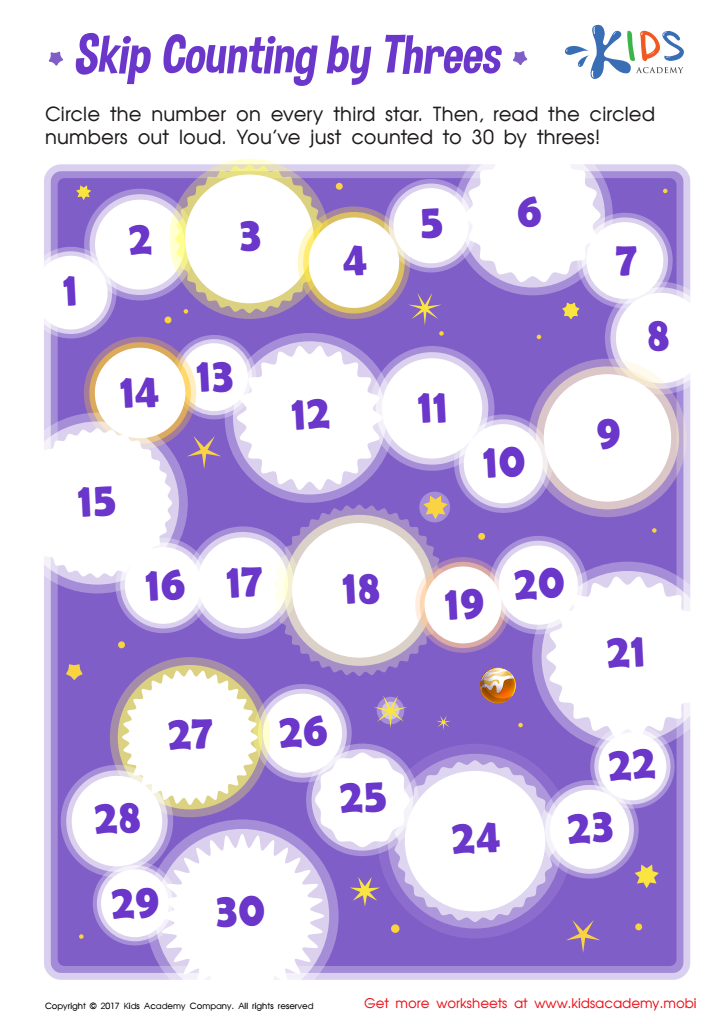
Skip Counting By Three Printable
 Assign to My Students
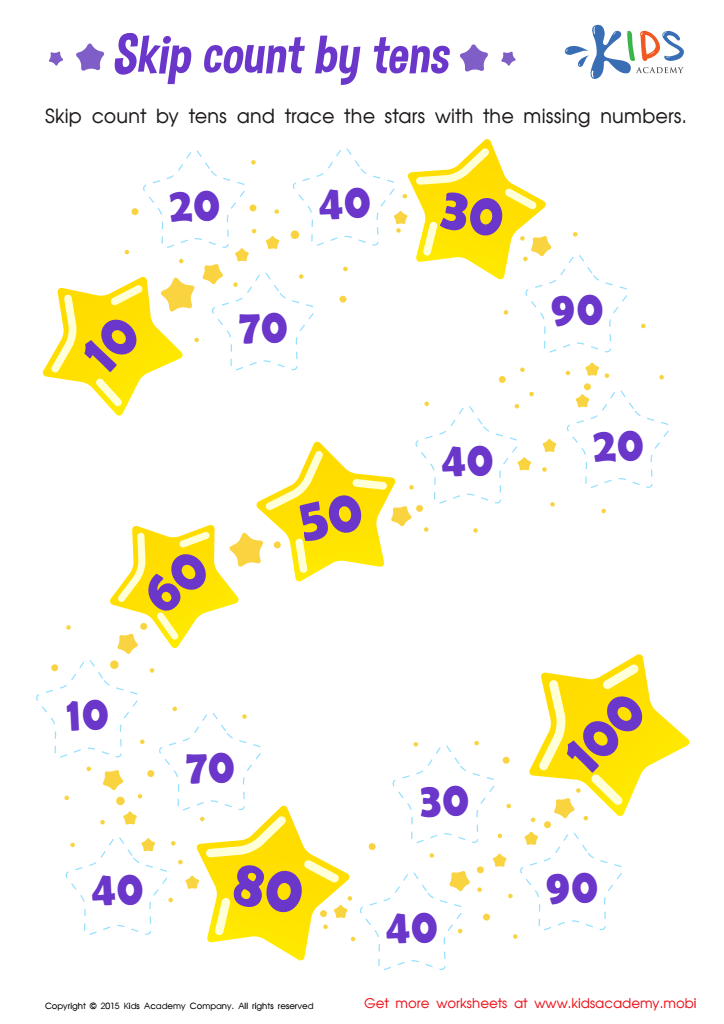
Learn dozens: Skip Count by Tens Printable

Penguin's Friendly Numbers Worksheet
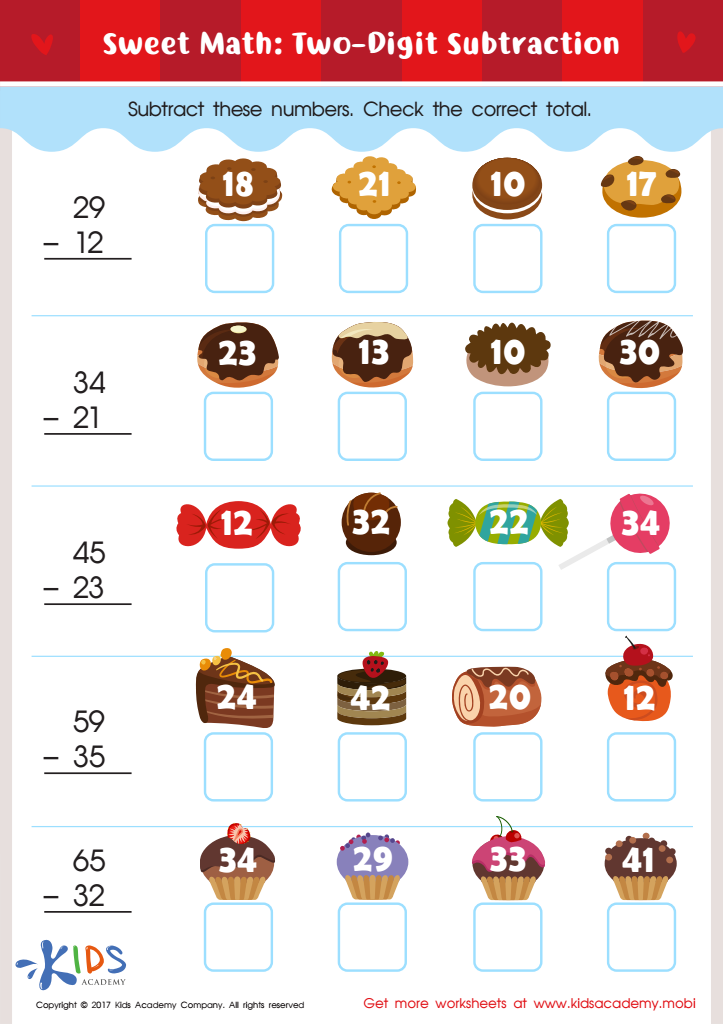
Two Digit Subtraction Worksheet








Enhancing mental arithmetic skills in children aged 6-8 is crucial for nurturing their foundational mathematics abilities. At this age, children are rapidly developing cognitive functions, and mental arithmetic fosters critical thinking, problem-solving, and logical reasoning skills. When parents and teachers prioritize mental math, they help children gain confidence in their abilities, cultivate a positive attitude toward mathematics, and reduce anxiety around numbers.
Moreover, strong mental arithmetic skills enable children to compute quickly and accurately, essential in their daily lives and future academic pursuits. It encourages mental agility, allowing them to visualize mathematical concepts, which is particularly beneficial as they encounter more complex subjects in later grades.
Supporting mental arithmetic also promotes resilience as children learn to tackle challenges without immediately relying on calculators or paper and pencil. This skill can enhance memory retention and improve focus, laying the groundwork for effective study habits. Overall, prioritizing mental arithmetic not only boosts math proficiency but also supports broader cognitive development, equipping children with valuable skills that transcend academics and prepare them for real-world situations. Thus, both parents and teachers play vital roles in reinforcing these skills during such formative learning years.








