Geography knowledge Worksheets for Ages 6-8 - Page 2
35 filtered results
-
From - To
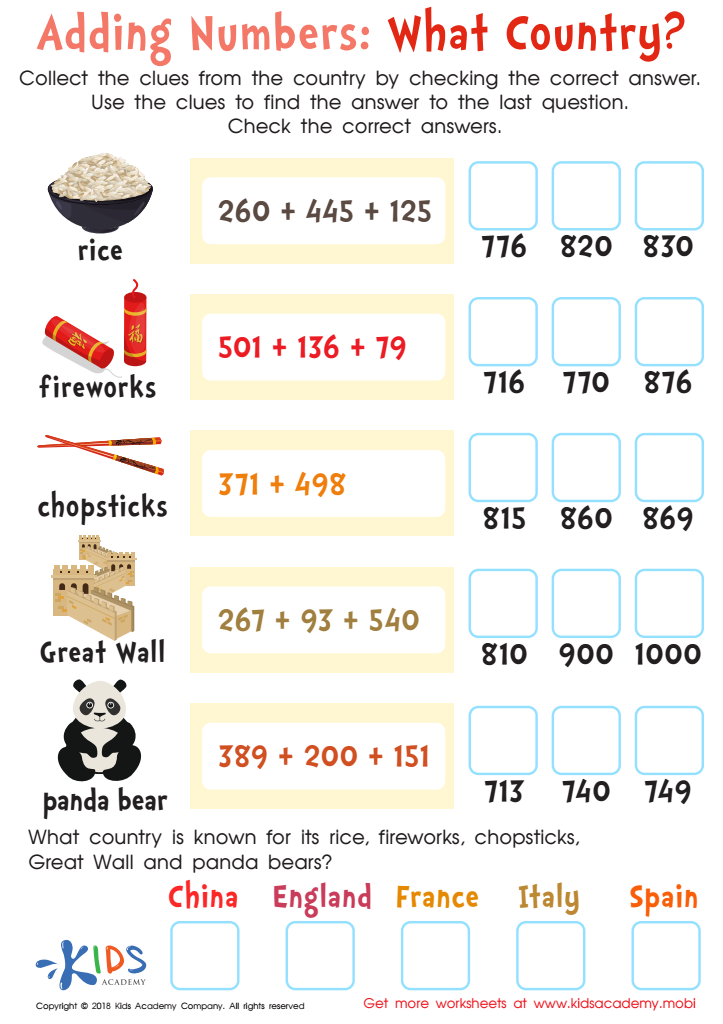
Adding Numbers: What Country Worksheet
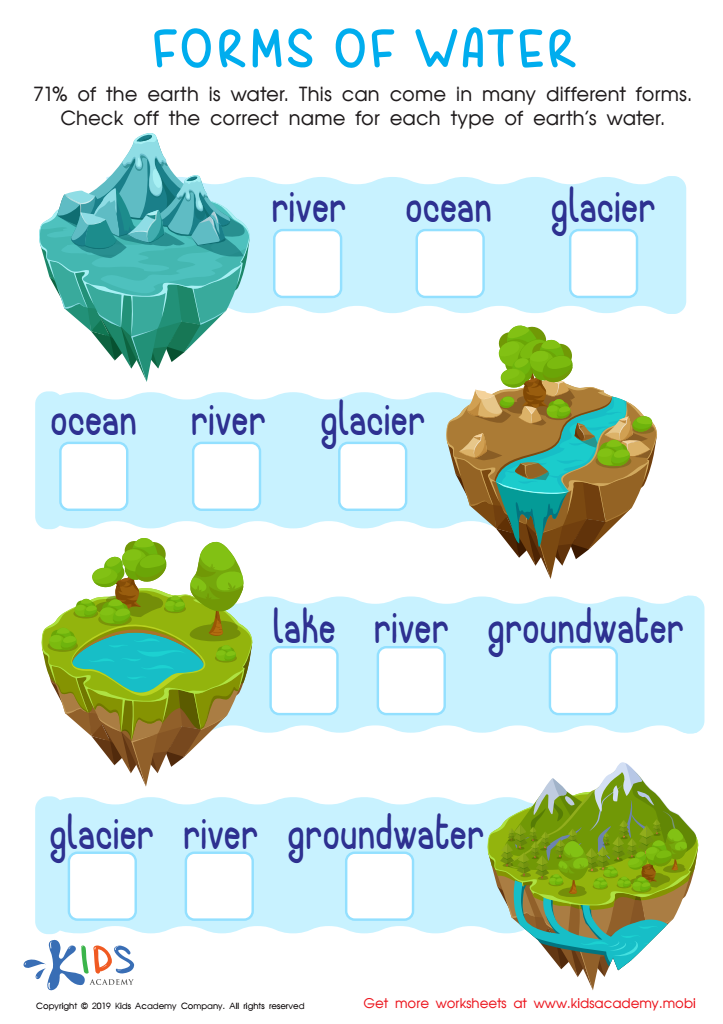
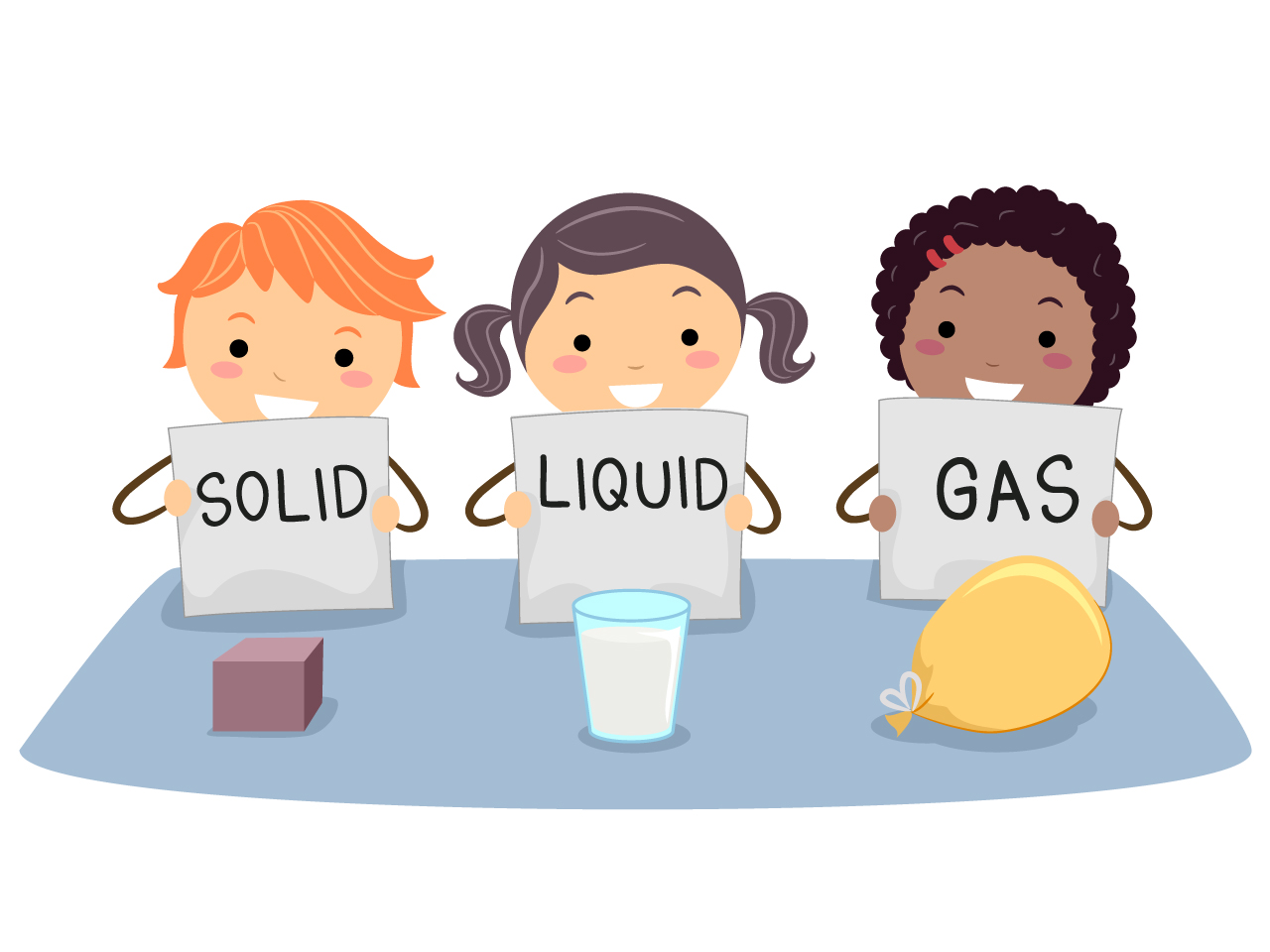
Forms of Water Worksheet
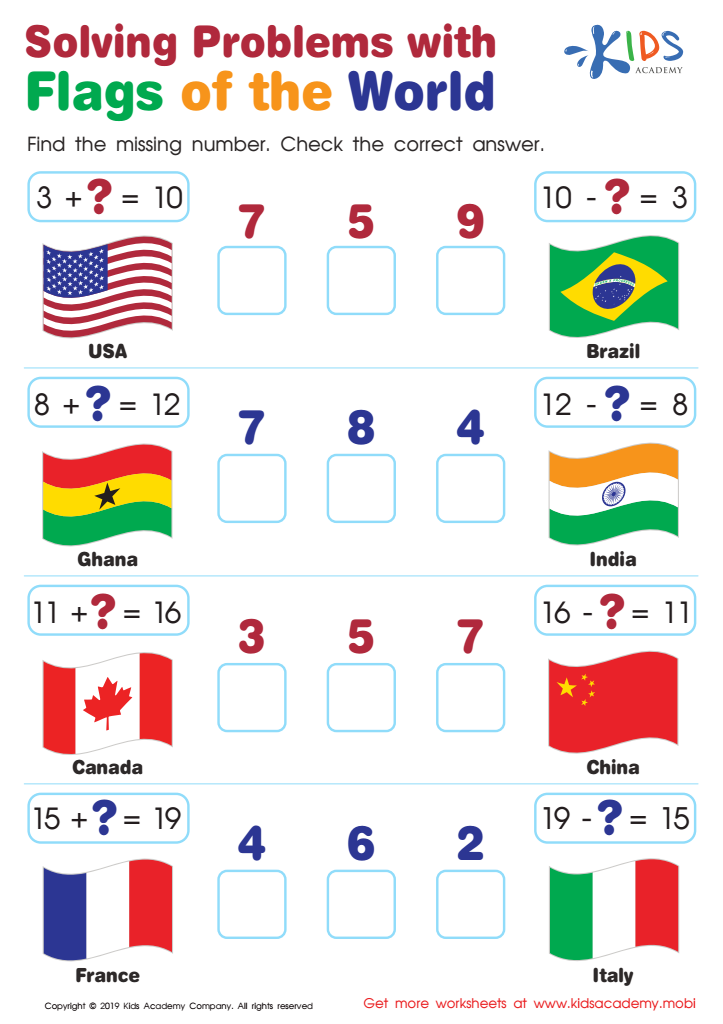
Solving Problems with Flags of the World Worksheet
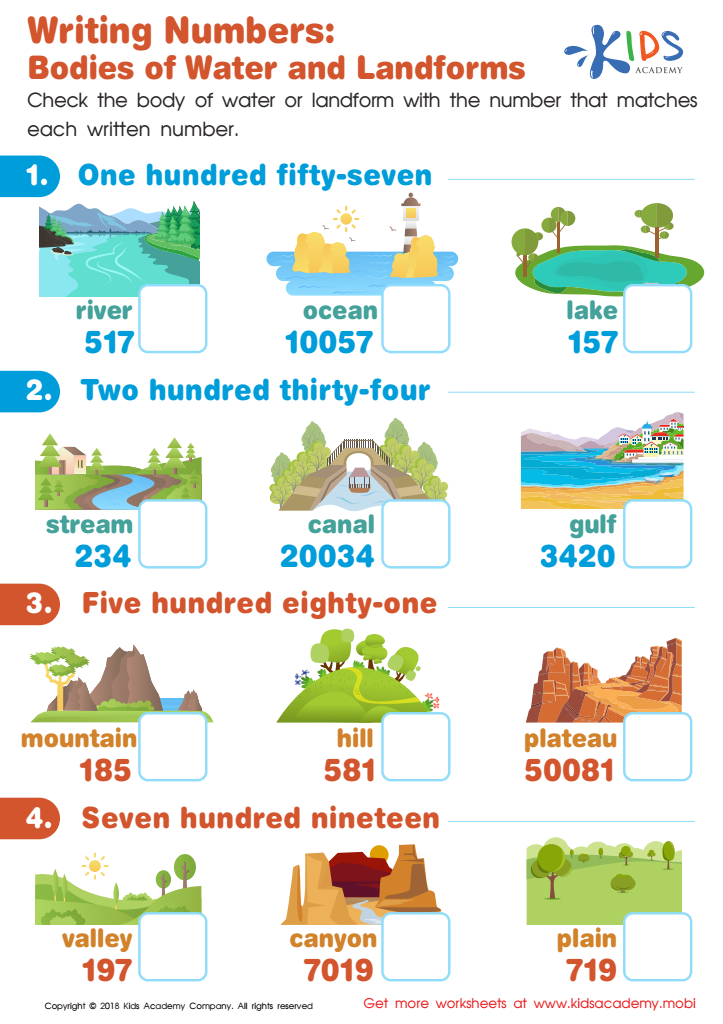
Bodies of Water and Landforms Writing Numbers Worksheet
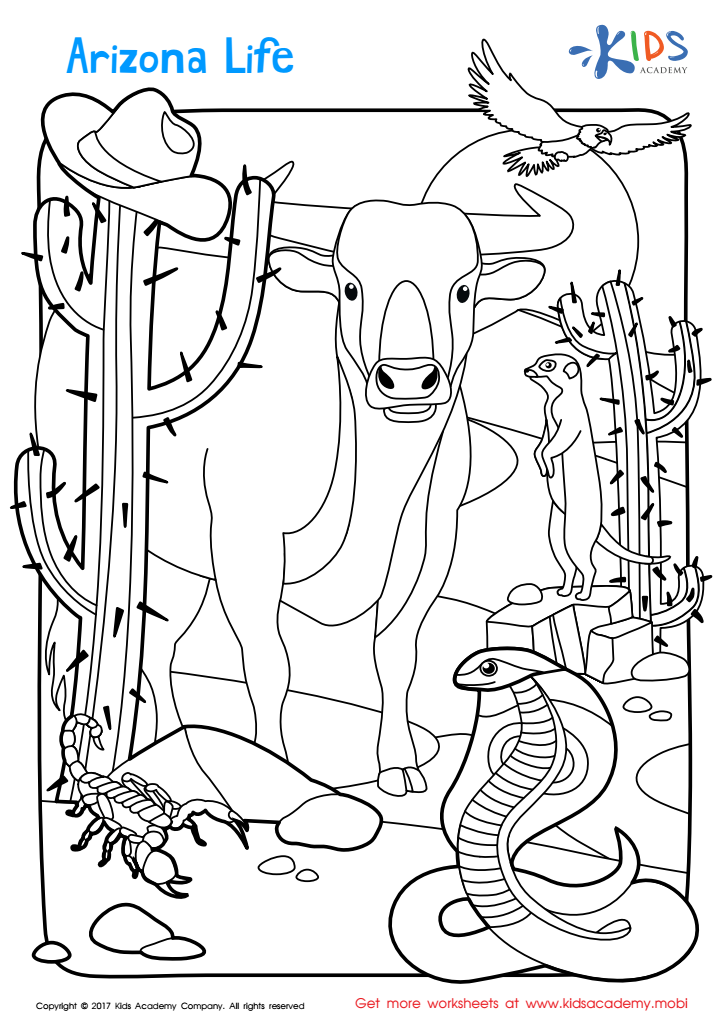
Arizona Coloring Page Worksheet
 Assign to My Students
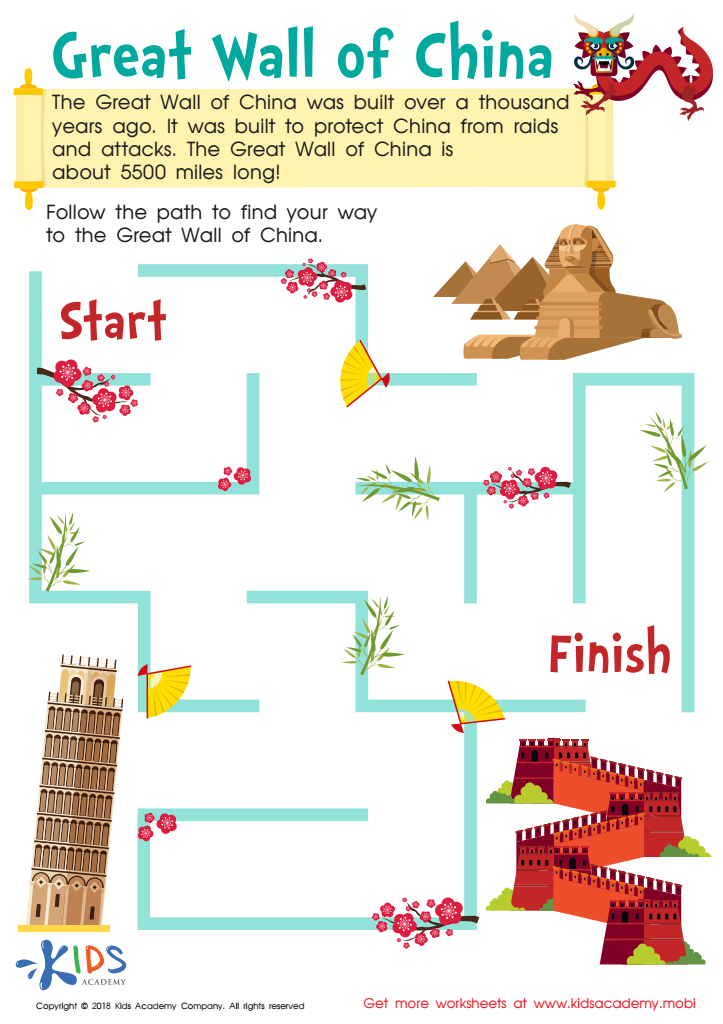
Great Wall of China Worksheet
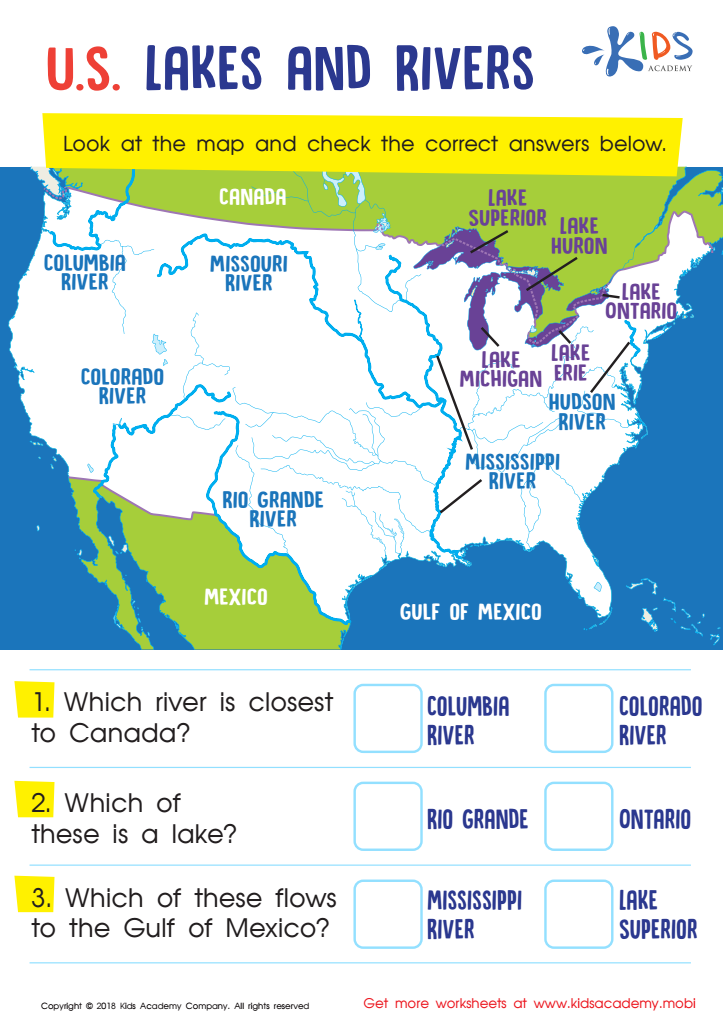
U.S. Lakes and Rivers Worksheet
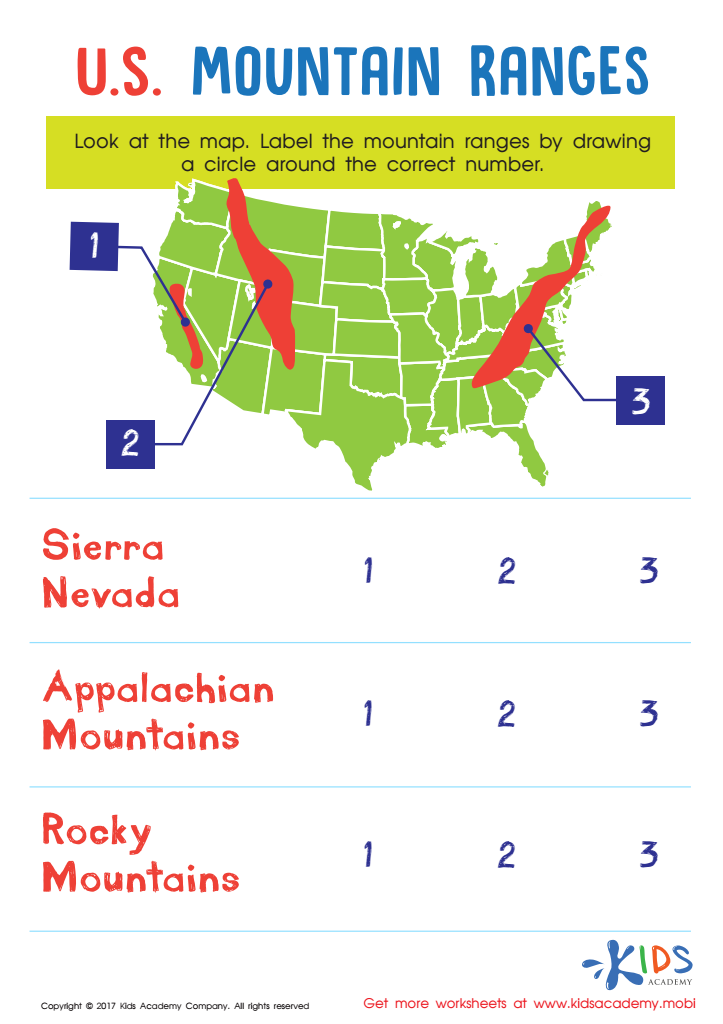
US Mountain Ranges Worksheet
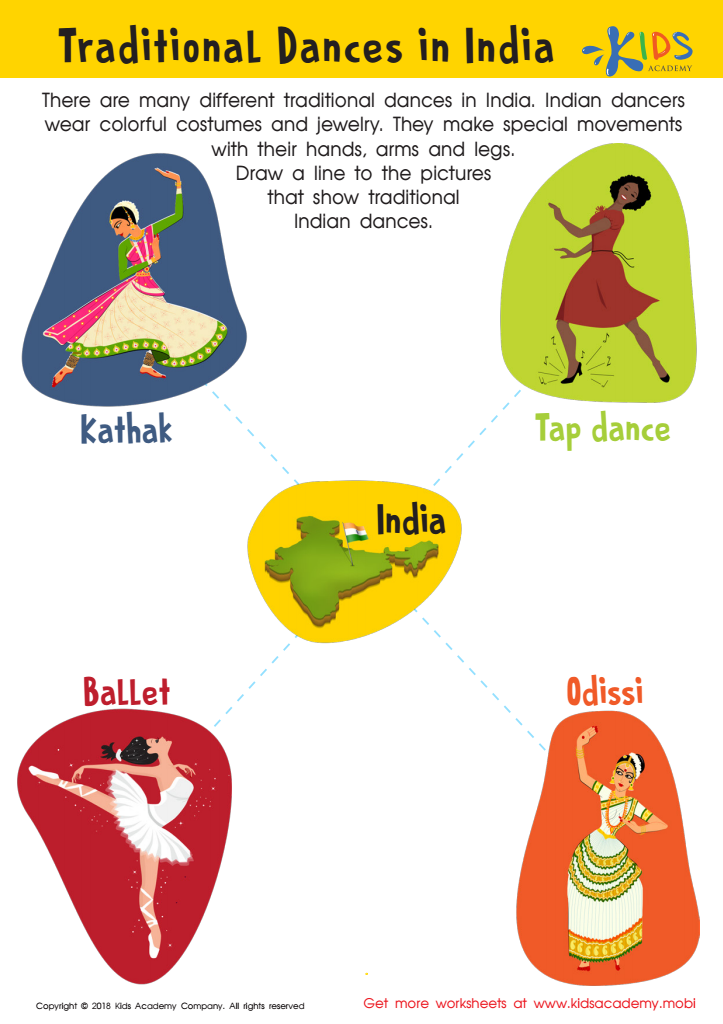
Traditional Dances in India Worksheet
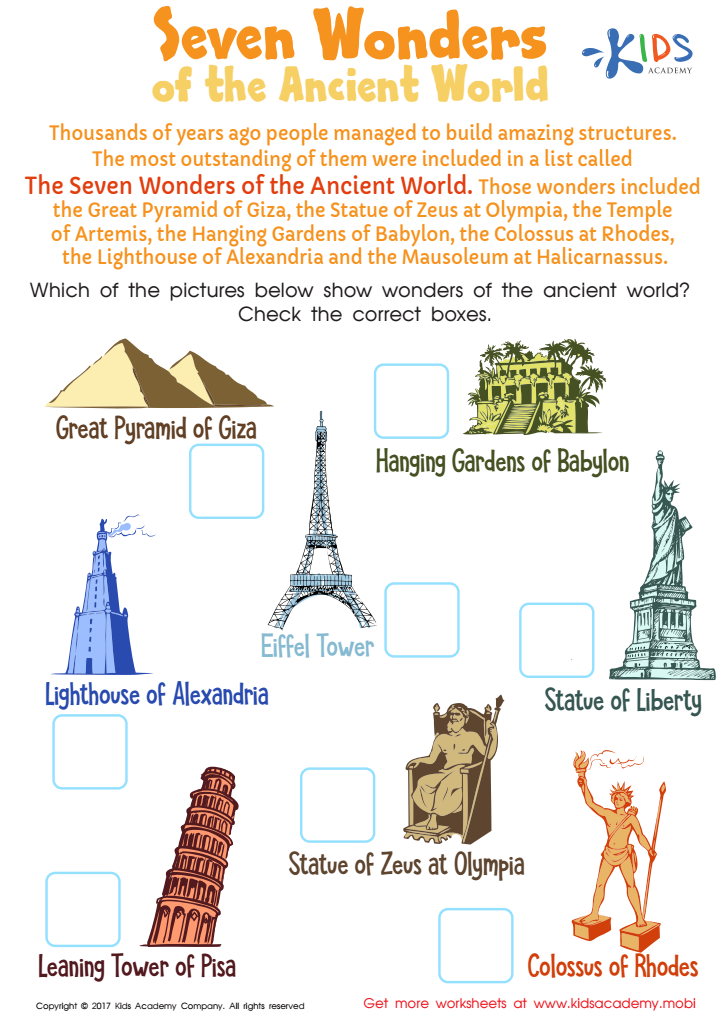
Seven Wonders of the Ancient World Worksheet
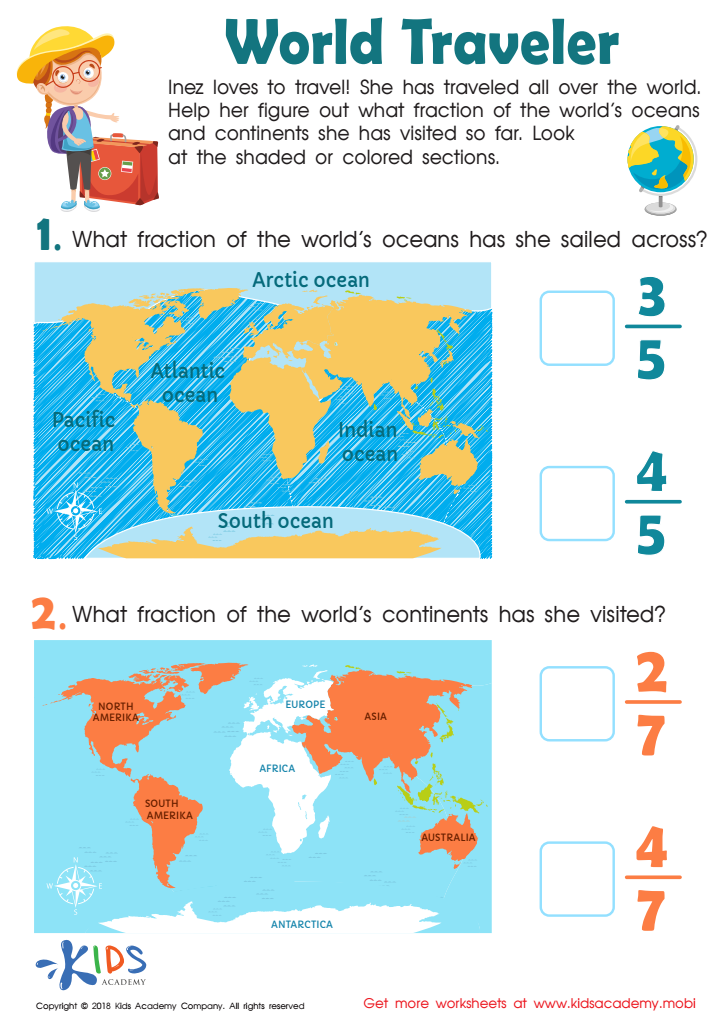
World Traveler Worksheet







Parents and teachers should prioritize geography knowledge for children ages 6-8 for several important reasons. First, understanding geography fosters a sense of awareness and appreciation for the world around them. It helps children learn about different places, cultures, and communities, which fosters empathy and respect for diversity. This early knowledge can pique curiosity and inspire explorative learning, laying the foundation for more in-depth studies in the future.
Secondly, geography plays a crucial role in developing critical thinking and problem-solving skills. By learning about maps, landscapes, and spatial relationships, children enhance their cognitive abilities, as they learn to visualize similar concepts in real life. It encourages them to ask questions, think analytically, and understand environmental issues facing their world.
Lastly, geography is connected to numerous subjects, including science, history, and social studies. By introducing it at a young age, children can see how all these disciplines interconnect, providing a holistic understanding of knowledge and its application.
In summary, instilling an early interest in geography equips children with vital skills, nurtures their curiosity, and prepares them to be informed and responsible global citizens. It is an investment in their education and their future perspective on the world.








