
Improving reading comprehension Worksheets for Ages 6-8
12 filtered results
Difficulty Level
Grade
Age
-
From - To
Subject
Activity
Standards
Our "Improving Reading Comprehension Worksheets for Ages 6-8" are designed to help young learners enhance their understanding of texts. These engaging activities focus on key skills such as identifying main ideas, making inferences, and summarizing stories. Perfect for early readers, our worksheets are crafted to build confidence and ignite a love for reading. Whether used in the classroom or at home, these tools support children's development in comprehension, enabling them to connect with stories on a deeper level. Encourage your child’s reading journey with our thoughtfully designed, educational worksheets that make learning fun and effective.
Favorites
With answer key
Interactive
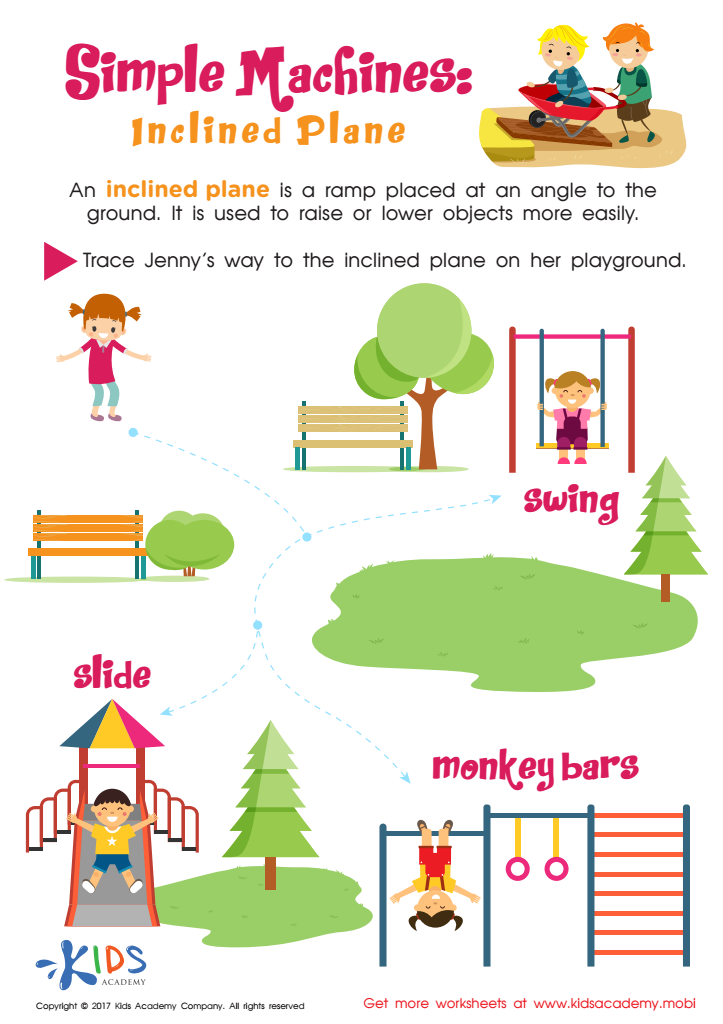
Simple Machines Inclined Plane Worksheet
This fun worksheet will help them increase their science skills while they have fun.
 Assign to My Students
Simple Machines Inclined Plane Worksheet
Worksheet
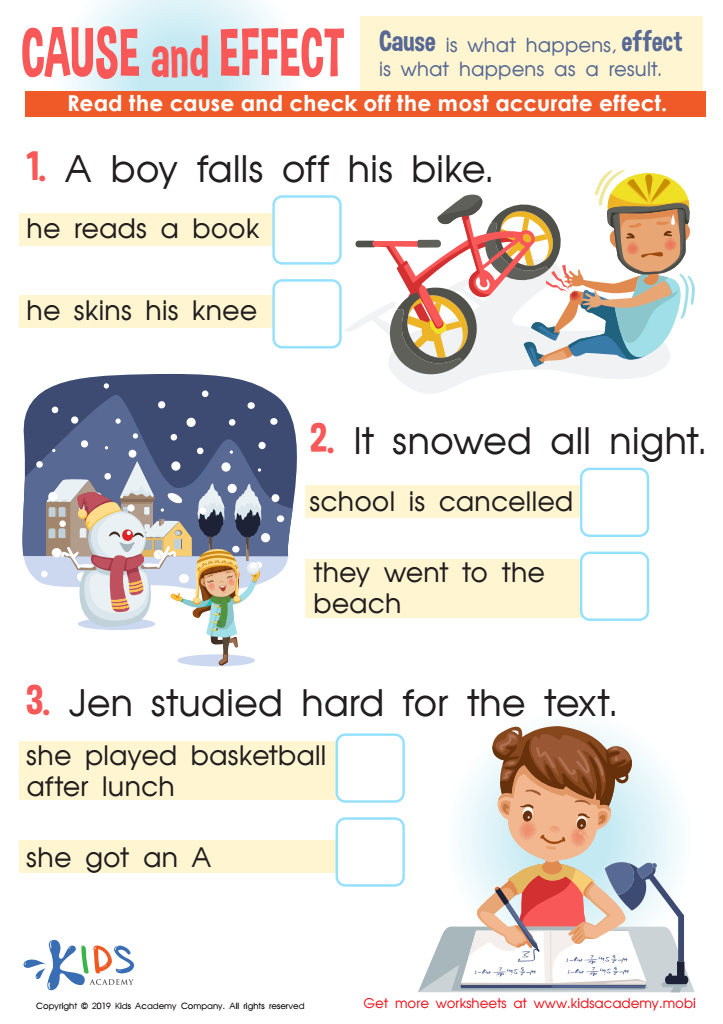
Cause And Effect Worksheet
Help your kids understand cause and effect with this worksheet. Explain that cause is what happens, and effect is the result of an action or event. Ask if they understand, then direct them to read the cause in the pictures and choose the most accurate effect from the options.
Cause And Effect Worksheet
Worksheet
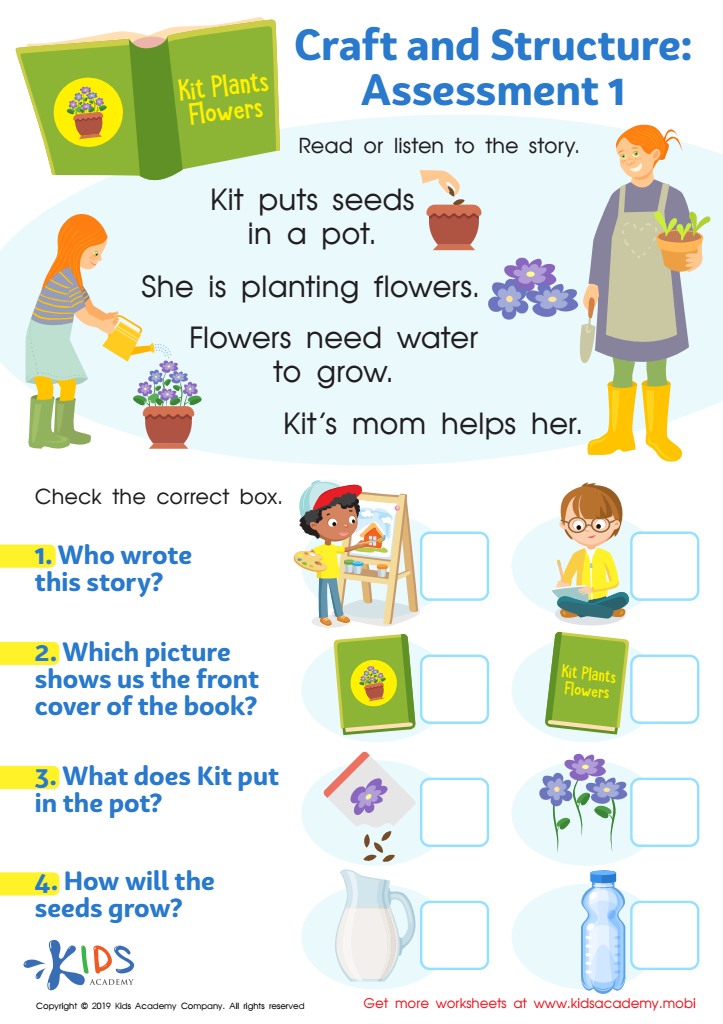
Craft and Structure: Assessment 1 Worksheet
A good reader needs more than word recognition: children must be able to identify story elements like author and main points. Test your child's craft and structure knowledge with this free PDF worksheet. They will read or listen to a story, then check off the correct answers according to what they heard or read.
Craft and Structure: Assessment 1 Worksheet
Worksheet
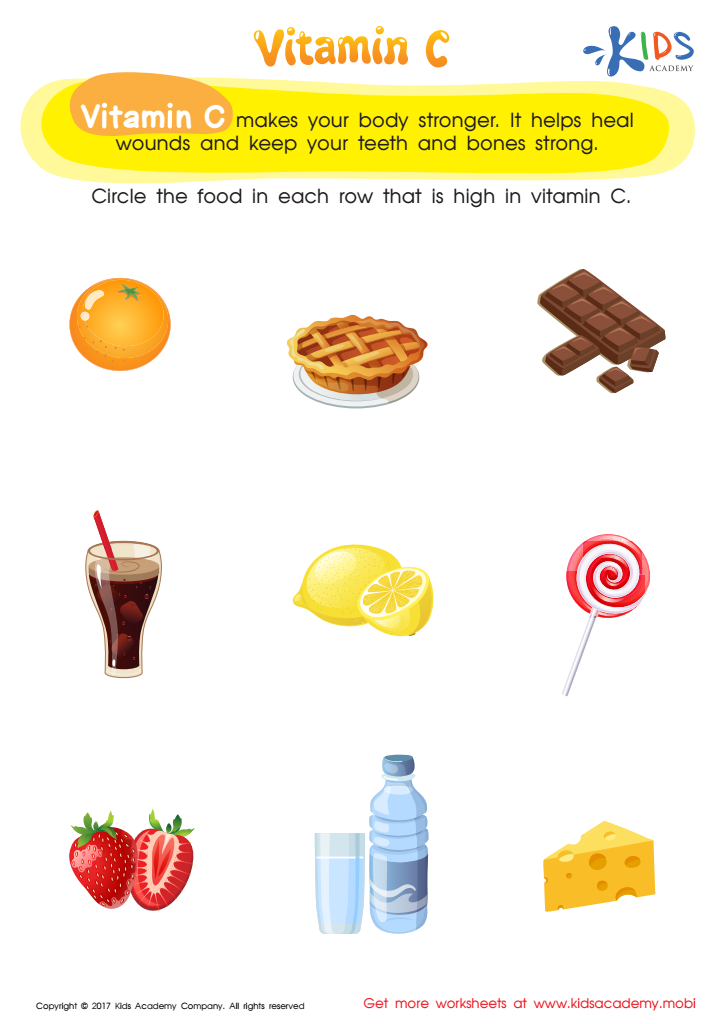
Vitamin C Worksheet
Kids need vitamins to stay strong and healthy. This worksheet will help them identify foods high in vitamin C and make them crave healthy options.
Vitamin C Worksheet
Worksheet
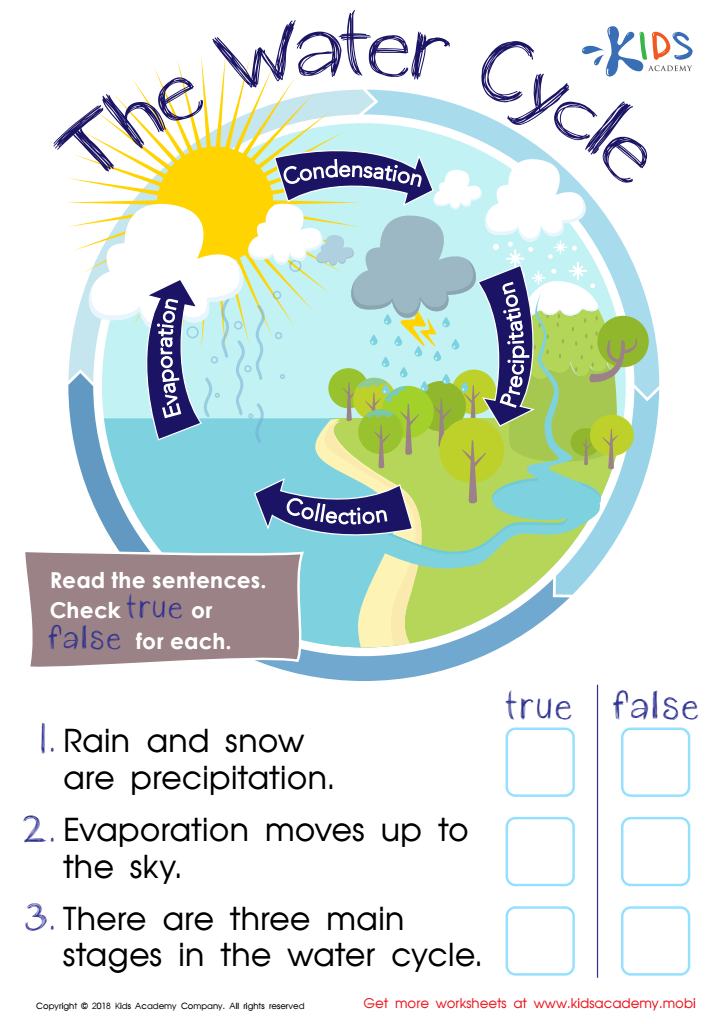
The Water Cycle Worksheet
Do your students know about the water cycle? Show them the picture in this worksheet. Explain the stages: collection, evaporation, condensation and precipitation. Read the sentences and have them check the true or false questions. After this, they will understand the cycle water goes through.
The Water Cycle Worksheet
Worksheet
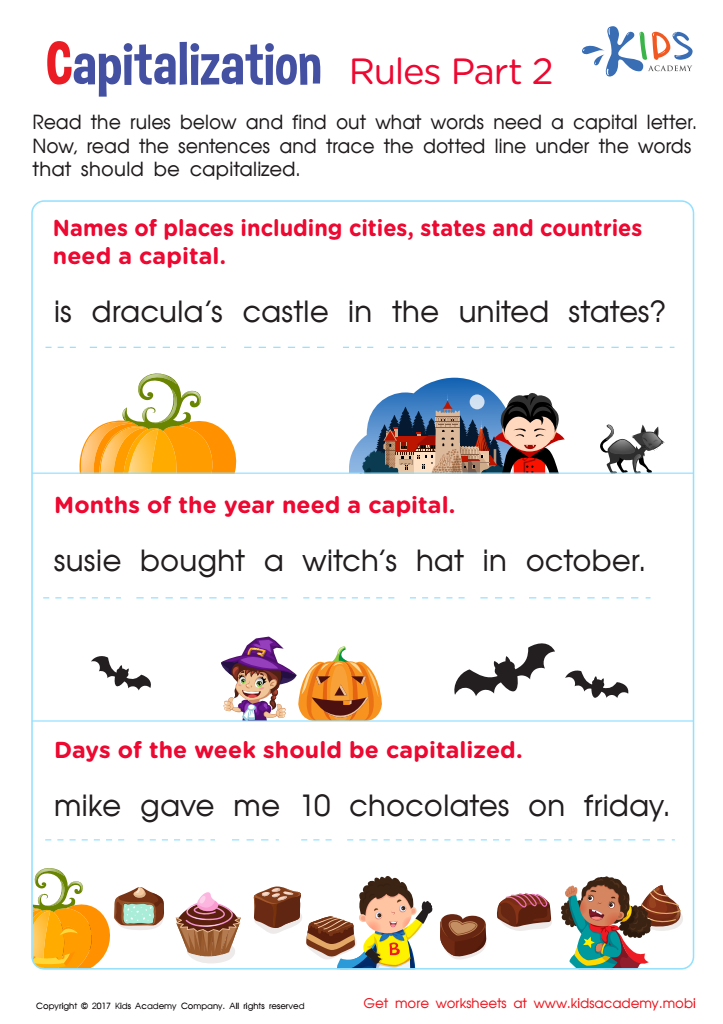
Capitalization Rules: Part 2 Worksheet
Split up grammar rules into shorter, achievable worksheets with this Halloween-themed worksheet, helping kids to practice capitalization for 1st grade.
Capitalization Rules: Part 2 Worksheet
Worksheet
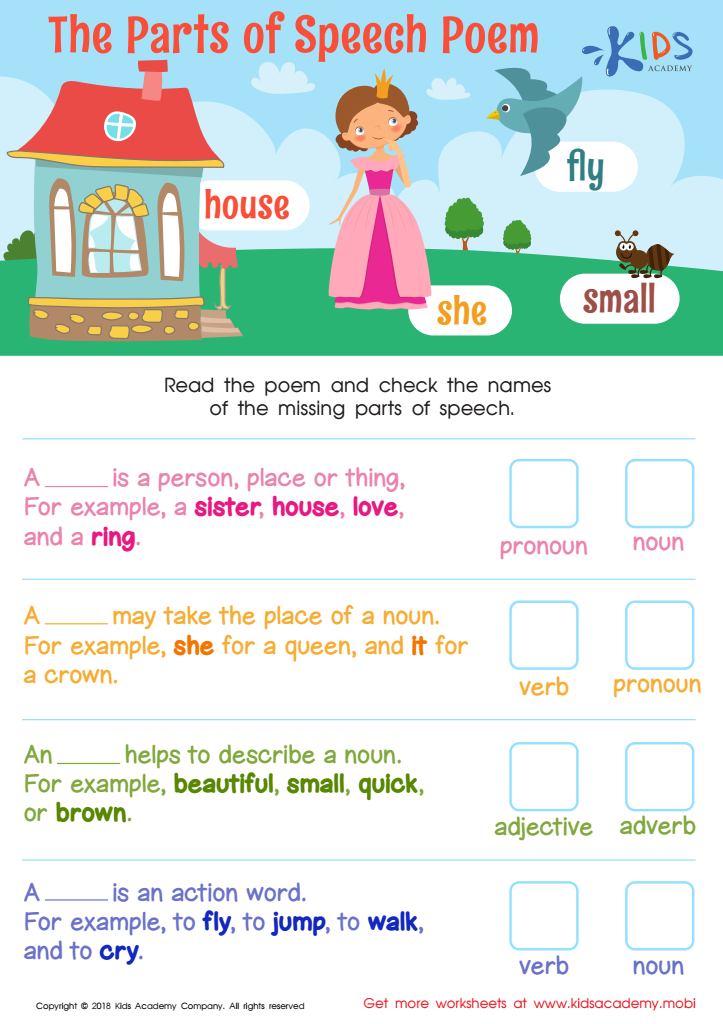
Parts of Speech Printable Worksheet
This worksheet will help your child review grammar basics. Read the poem, check boxes, and fill in the blanks with the correct part of speech. Vibrant images and words will make it an enjoyable experience for your learner!
Parts of Speech Printable Worksheet
Worksheet
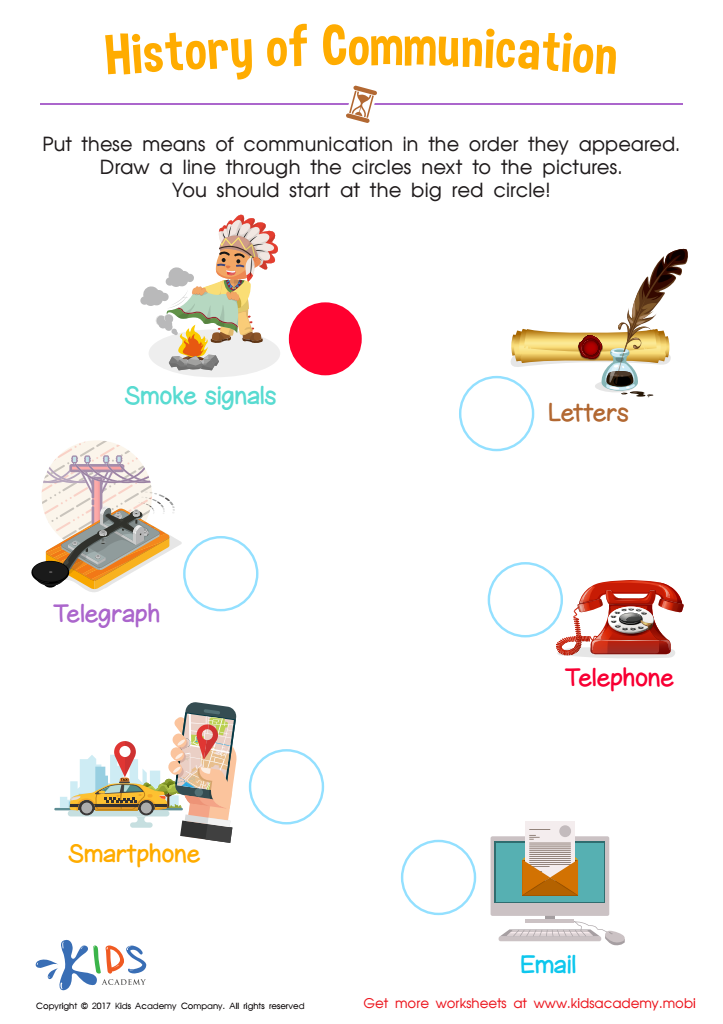
History of Communication Worksheet
Help your child understand history's communication evolution! With this worksheet, your child will learn about the various ways people communicated over time, and how that compares to today. It'll also foster an interest in history and bring the past to life!
History of Communication Worksheet
Worksheet
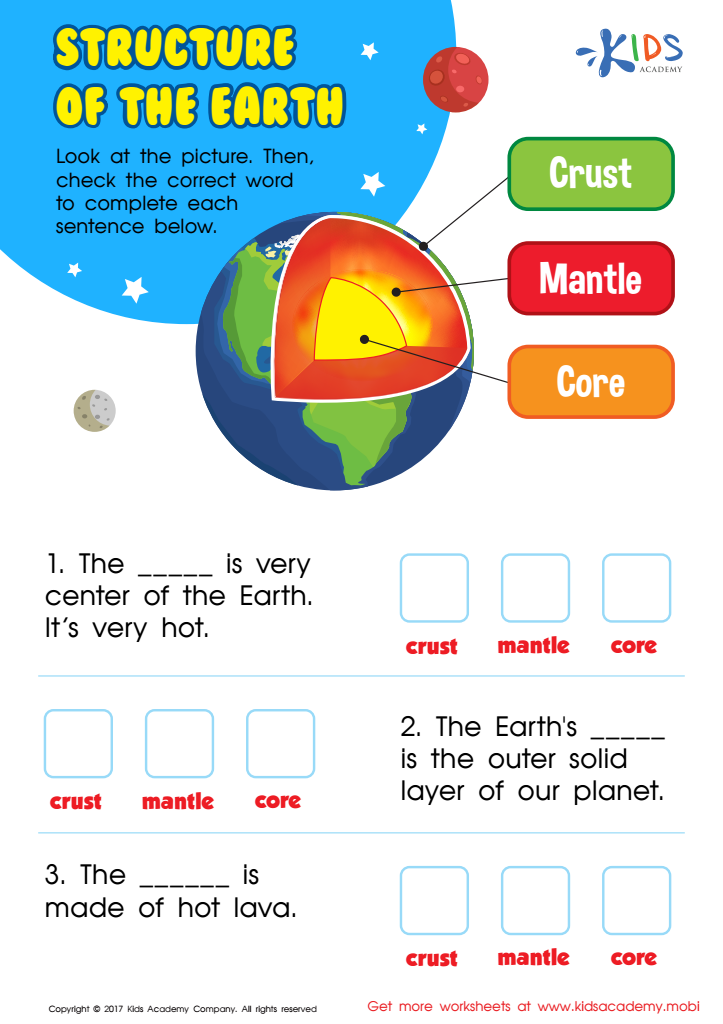
Structure of the Earth Worksheet
Discover the hidden structure of the Earth with this worksheet! Learn about the three main parts: crust, mantle and core. Help your little scientist increase their geological vocabulary and knowledge.
Structure of the Earth Worksheet
Worksheet
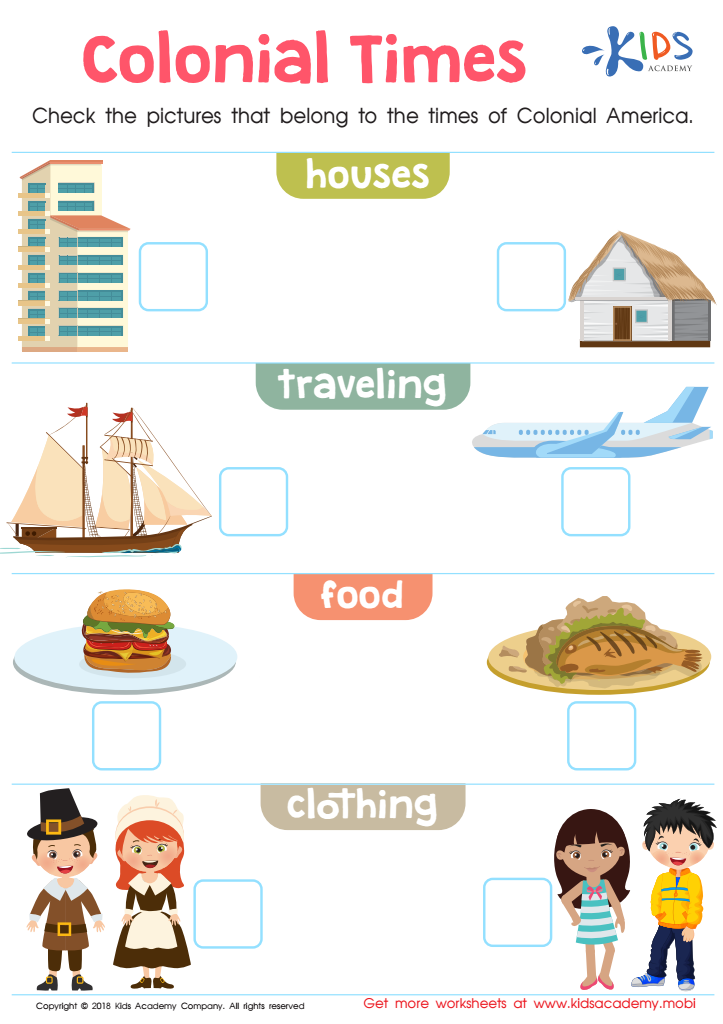
Colonial Times Worksheet
Test your students' knowledge of colonial times with this easy social studies worksheet. Look at the pictures to see how people lived back then. See if your little ones understand what structures they had, what food they ate, and what type of clothing they wore. You might be surprised by how much or how little they know!
Colonial Times Worksheet
Worksheet
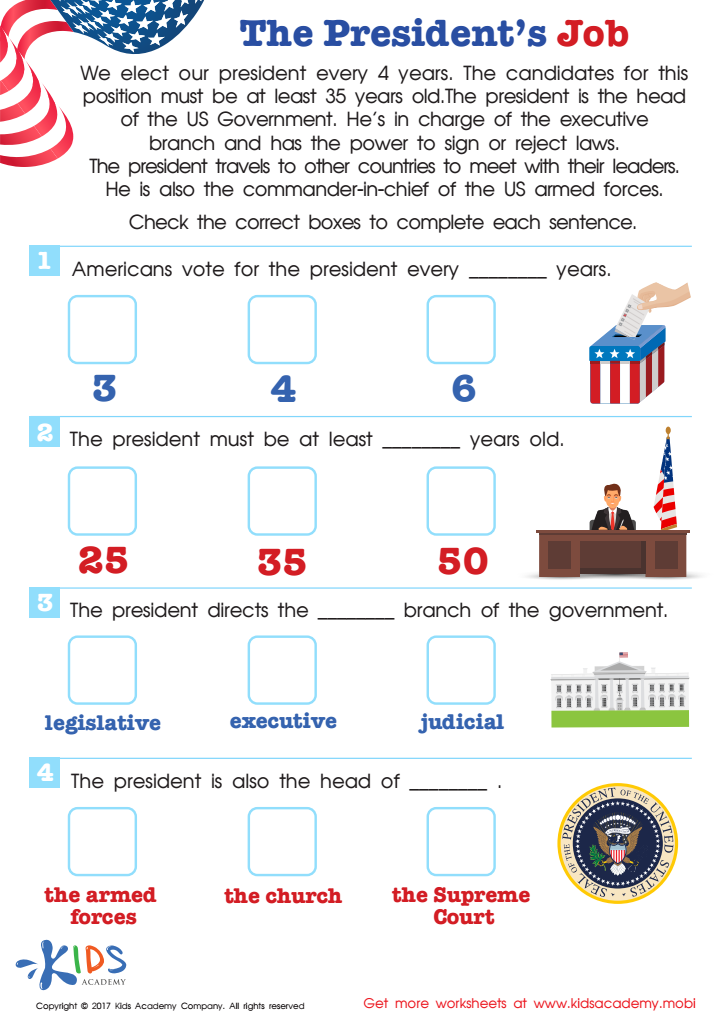
President of the USA Job Description Worksheet
This worksheet will allow your child to explore the president's role while adding facts to prior knowledge. Patriotic and awe-inspiring, it outlines the duties of the President of the USA. Enhance your child's knowledge with this engaging activity!
President of the USA Job Description Worksheet
Worksheet
Learning Skills
Improving reading comprehension
Enhancing critical thinking
Encouraging critical thinking
Identifying Simple Machines
Enhancing observational skills
Understanding Inclined Planes
Applying Scientific Knowledge
Understanding cause-effect relationships
Understanding sequence
Enhancing storytelling skills
Join Kids Academy for Free
Who is primarily going to use this learning content?



.jpg)




Reading comprehension is a crucial skill that sets the foundation for future learning and academic success, especially for children between the ages of 6-8. At this stage, improving reading comprehension is vitally important for several reasons. Firstly, comprehending reading material aids in the development of critical thinking and problem-solving skills. Children who understand what they read are better able to make connections, draw inferences, and analyze information, which are essential cognitive abilities.
Secondly, proficient reading comprehension enhances vocabulary development. As children encounter new words within the context of stories, they naturally expand their lexicon. This, in turn, boosts their ability to articulate thoughts and ideas more effectively. Furthermore, when children understand their reading material, they are more likely to find reading an enjoyable and rewarding activity, fostering a lifelong love for books and learning.
Finally, solid reading comprehension skills are directly linked to academic performance. Proficiency in subjects like math, science, and social studies often depends on the ability to understand and interpret written instructions and content. Encouraging and nurturing strong reading comprehension from a young age provides children with a head start, helping them to navigate the ever-increasing demands of their educational journey with confidence and competence. Both parents and teachers play pivotal roles in this developmental stage, making their involvement essential.








