
Increase vocabulary knowledge Worksheets for Ages 6-8
4 filtered results
Difficulty Level
Grade
Age
-
From - To
Subject
Activity
Standards
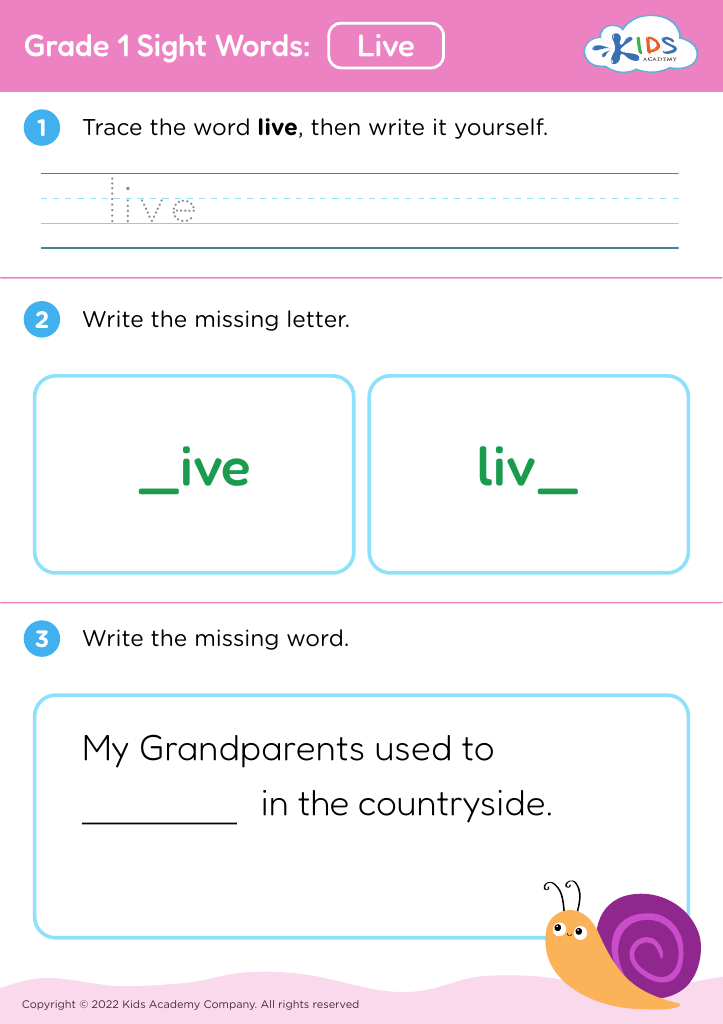
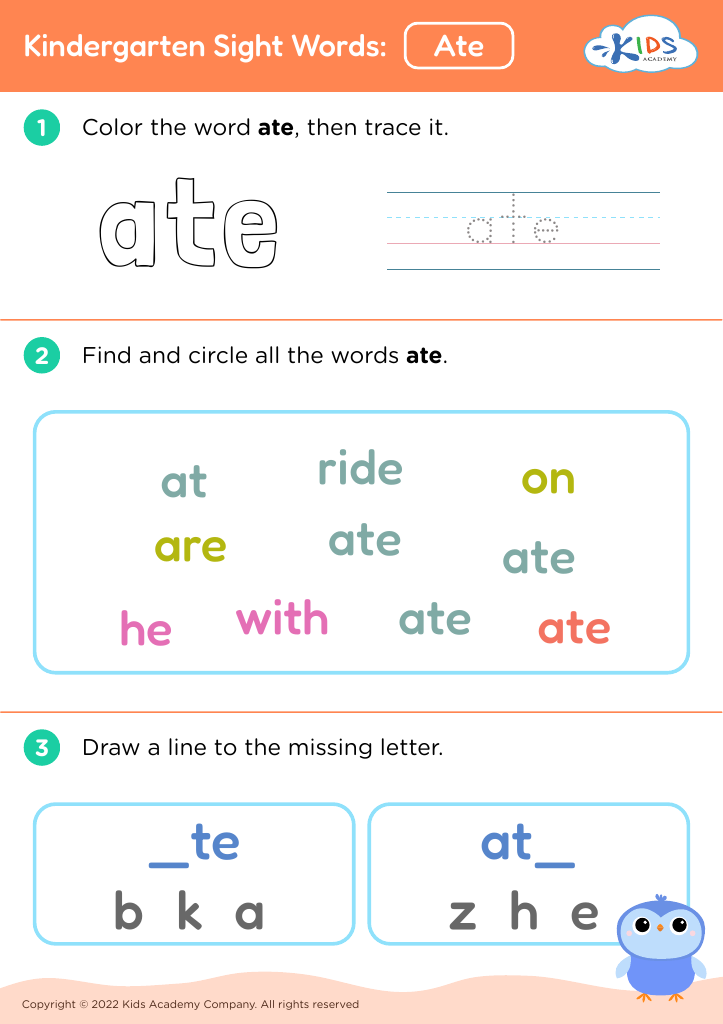
Unlock the power of language with our engaging vocabulary worksheets, specially designed for children ages 6-8! These interactive activities foster essential vocabulary skills, making learning fun and impactful. Through a variety of exercises, such as matching words to images, fill-in-the-blanks, and word searches, young learners will expand their word bank and enhance their communication abilities. Perfect for both classroom and home use, these worksheets cater to various learning styles. Watch your child's confidence soar as they discover new words and meanings. Start their vocabulary journey today and make learning an enjoyable experience! Explore our collection and nurture a lifelong love for language!
Favorites
With answer key
Interactive
Join Kids Academy for Free
Who is primarily going to use this learning content?





Increasing vocabulary knowledge for children aged 6-8 is crucial for their overall development and academic success. At this stage, children are rapidly absorbing language and are beginning to connect words with concepts, thoughts, and feelings. A rich vocabulary allows them to express themselves more clearly and engage in meaningful conversations, fostering better relationships with peers and adults.
When children have a robust vocabulary, they can comprehend more complex texts. This enhanced comprehension builds confidence and encourages a love for reading, setting the foundation for lifelong learning. Furthermore, a strong vocabulary directly correlates with performance in subjects beyond language arts, including science and social studies, as children encounter terminology unique to those fields.
Parents and teachers play an integral role in vocabulary development. By introducing new words through reading, discussions, and interactive activities, caregivers can create a rich linguistic environment. Strategies such as playful conversations, word games, and storytelling can significantly enhance children's language exposure.
Ultimately, a strong vocabulary equips children with the tools they need to succeed academically and socially, shaping their ability to think critically and articulate their thoughts effectively. Investing in vocabulary development is an investment in a child’s future.








