Our Knowledge Application Worksheets for Ages 6-8 are expertly designed to bridge fun and learning, allowing young minds to apply essential concepts. These engaging activities encourage critical thinking, problem-solving, and the practical use of knowledge across subjects. Perfect for classwork or homework, our worksheets cover a wide array of topics in math, reading, and science, tailored to smooth the transition from understanding to doing. Each worksheet fosters an interactive learning experience, enhancing retention and intellectual curiosity. Dive into our collection to support your child's educational journey and watch their confidence soar!

Check out this FREE "Knowledge application" Trial Lesson for age 6-8!

Science Topic

Favorites
With answer key
Interactive
  • 6-8
  • Knowledge application
Invertebrates Worksheet for Grade 3

Invertebrates Worksheet for Grade 3

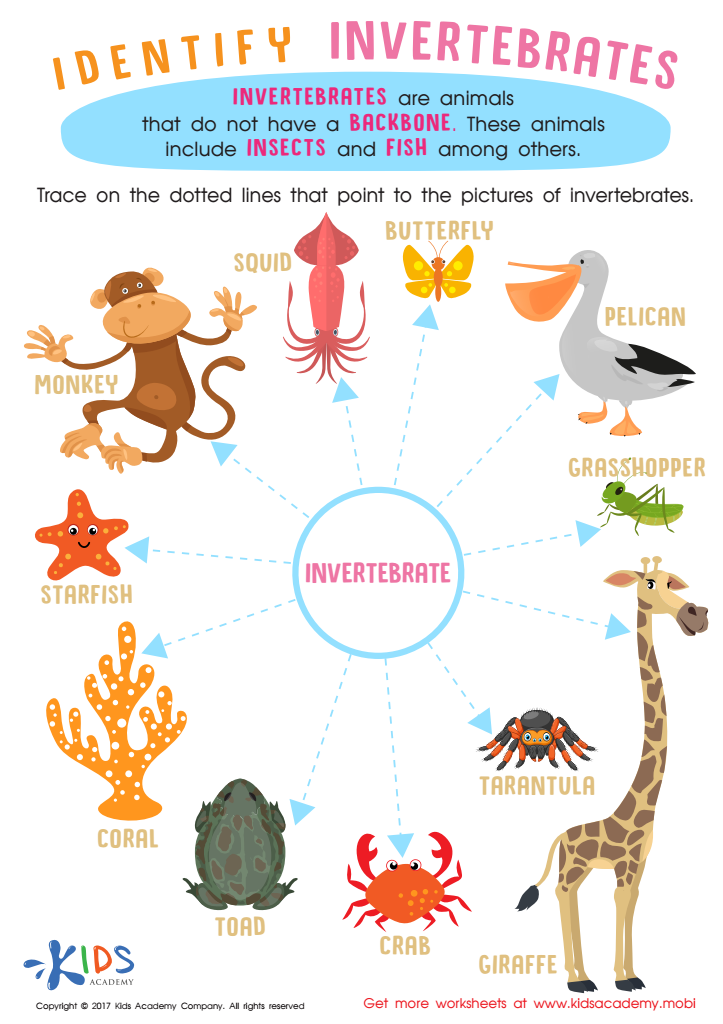
Kids explore the world of invertebrates with this worksheet for grade 3. Invertebrates are animals without a backbone, such as fish and insects. Kids must identify and select them from a group of animals. This activity is sure to stimulate their curiosity and help them discover more about these remarkable creatures.
Invertebrates Worksheet for Grade 3
Worksheet
Groups of Fossils Worksheet

Groups of Fossils Worksheet

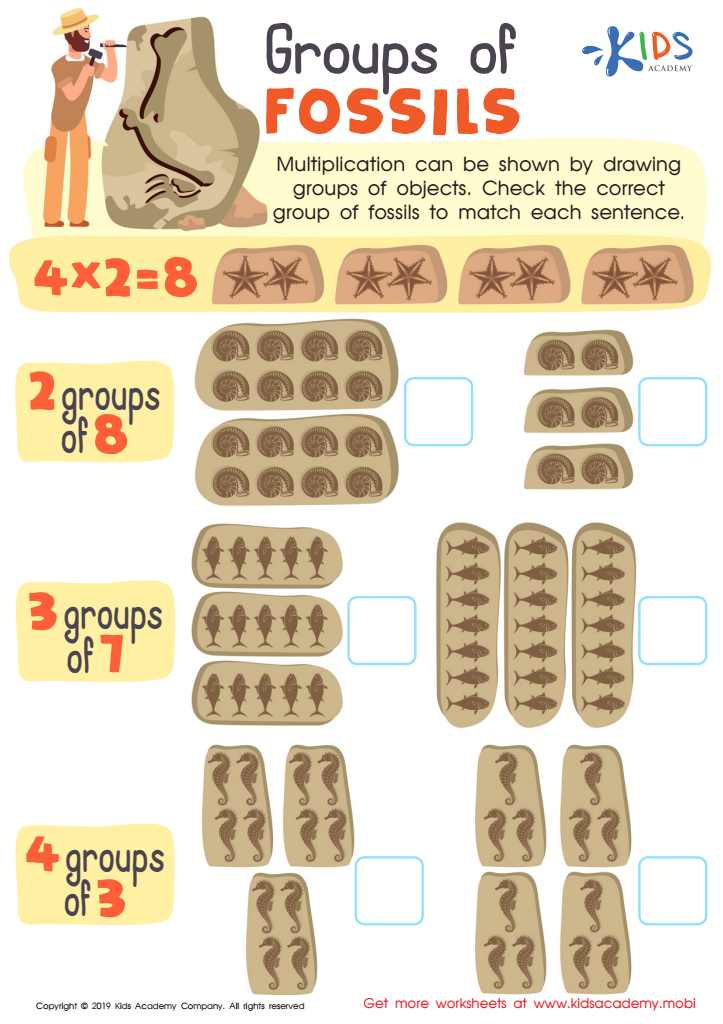
Kids need to learn multiplication after mastering addition and subtraction. To make it fun, use worksheets like this one. Have kids draw objects to match each sentence - this helps them understand multiplication better. With this approach, they'll be sure to learn the concepts.
Groups of Fossils Worksheet
Worksheet
Repel and attract magnet worksheet

Repel and Attract Magnet Worksheet
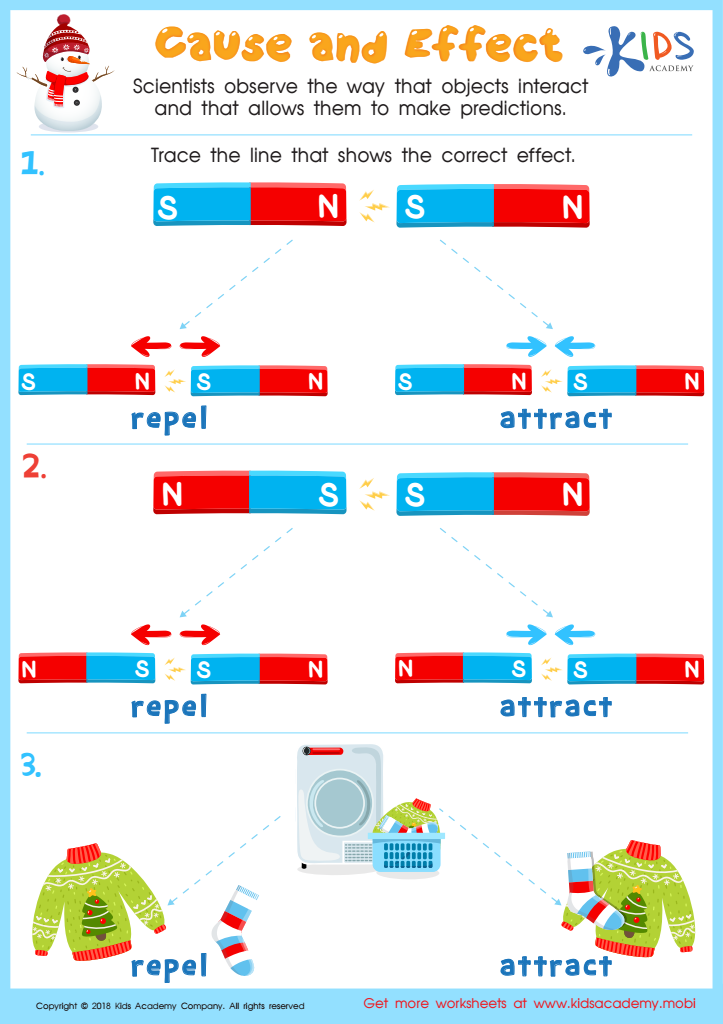
Opposites attract in magnetism! Try this magnet worksheet to review the laws. Draw a line to show the effect when poles align. Then explore static electricity, and how it affects clothes at home.
Repel and Attract Magnet Worksheet
Worksheet
Earth and Human Activity: Assessment 2 Worksheet

Earth and Human Activity: Assessment 2 Worksheet

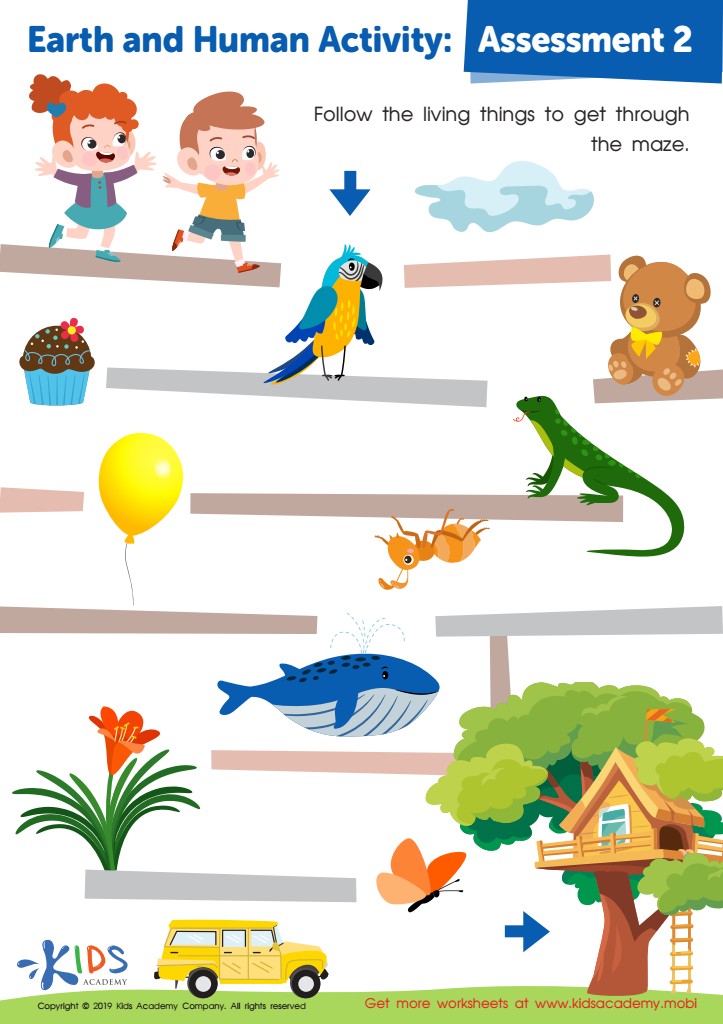
Earth is alive with birds, trees, insects, and animals. Explain to your kids that the environment on Earth supports life. Ask for examples, then use the worksheet pictures to help them identify living things and complete the maze.
Earth and Human Activity: Assessment 2 Worksheet
Worksheet
What Are Solids? Worksheet

What Are Solids? Worksheet

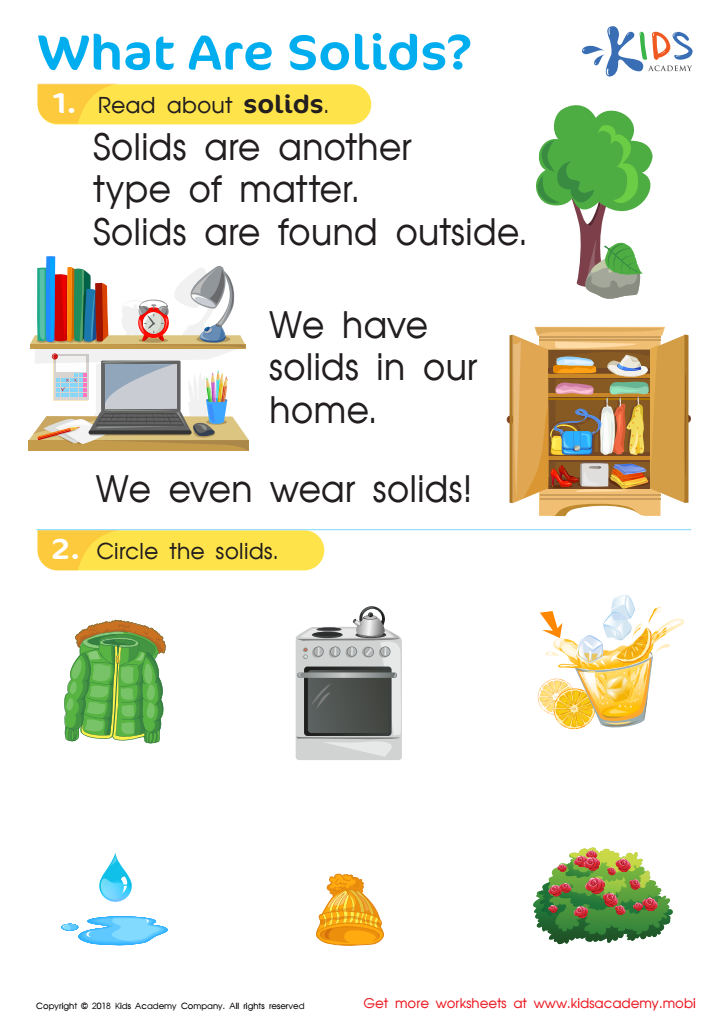
Help your kids understand matter's three forms - solid, liquid, and gas - with examples. Ask them to give their own and where to find them. Then, read and discuss the worksheet's facts about solids. Afterward, have them circle the solids among the provided objects.
What Are Solids? Worksheet
Worksheet
Moon Phases Worksheet

Moon Phases Worksheet

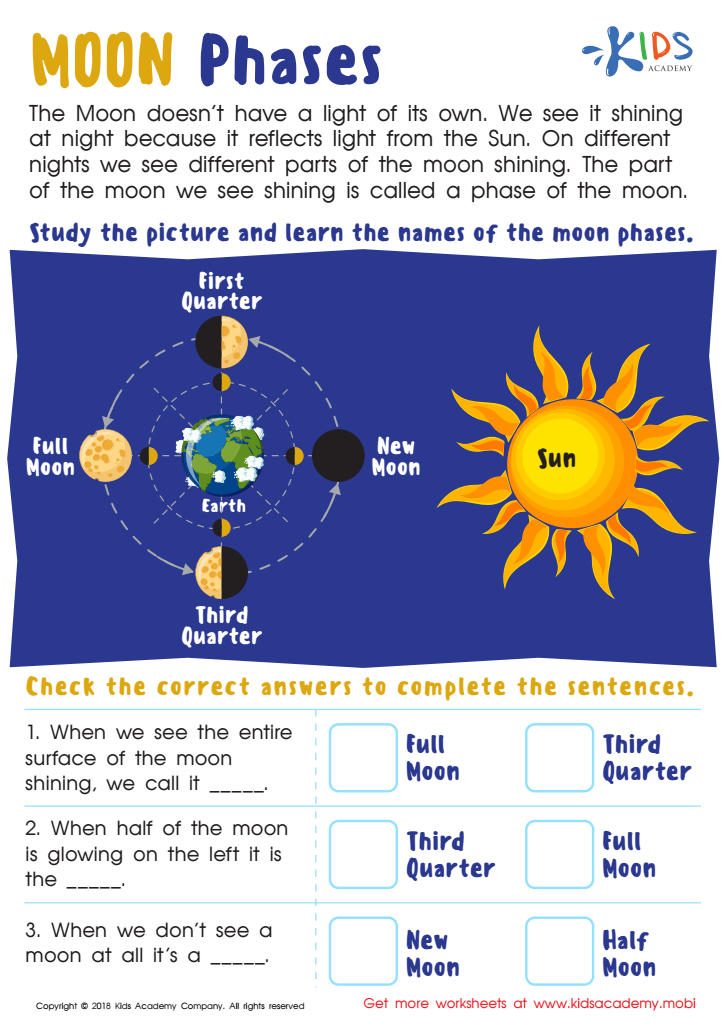
Gaze up at the night sky and the moon's appearance may change from night to night. Encourage your child to learn more about the sun, the moon, and space with this science worksheet. Have them read the text then study the picture. Finally, read the sentences and check the answers to identify the moon's phases.
Moon Phases Worksheet
Worksheet
Energy sources worksheet PDF

Energy Sources Printable

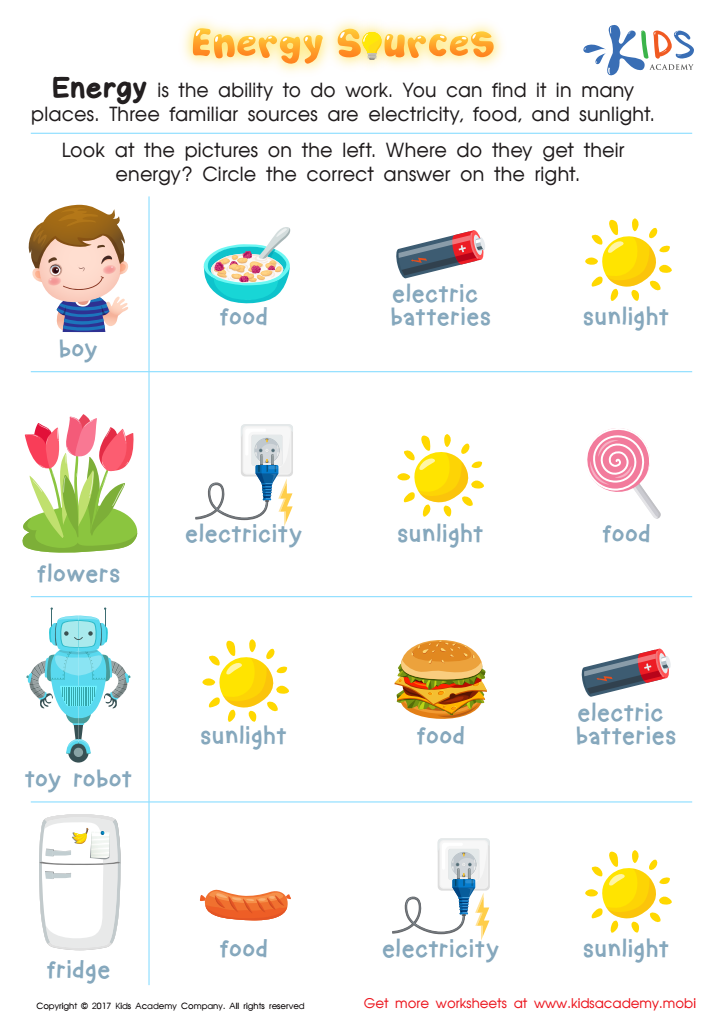
Introduce energy sources with this worksheet PDF — explore the sun, batteries, and more! Get your mini scientist excited about energy and power up their learning.
Energy Sources Printable
Worksheet


Parents and teachers play a pivotal role in nurturing young children's cognitive and social development, particularly for those aged 6-8. Focusing on knowledge application in this critical age group can profoundly impact their future learning experiences and problem-solving abilities.

Firstly, applying knowledge beyond mere memorization helps children understand concepts deeply, making it easier for them to retain and build upon this information in the future. When children are encouraged to use what they learn in real-life situations—such as measuring ingredients for a recipe or using math to divide play dough evenly—they develop practical problem-solving skills and learn to think critically.

Additionally, fostering an environment where knowledge is applied sets the foundation for lifelong learning habits. It teaches children that learning is not just about getting the right answers on a test but about gaining valuable skills they will use throughout their lives. For instance, engaging in projects or hands-on activities can help with understanding abstract ideas through concrete experiences.

The social benefits are equally important. When children work on applying knowledge collaboratively, they learn teamwork, communication, and empathy—skills that are crucial for personal and interpersonal growth. Therefore, emphasizing knowledge application equips young learners with the intellectual tools and social competencies they'll need for future success.