Letter identification Worksheets for Ages 6-8
5 filtered results
-
From - To
Discover our engaging Letter Identification Worksheets designed specifically for children ages 6-8! These printable resources help young learners recognize and differentiate between letters, enhancing their reading and writing skills. With fun visuals and interactive activities, our worksheets make learning letters exciting and effective. Parents and educators can easily incorporate these exercises into their lessons to encourage letter familiarity and reinforce phonemic awareness. Perfect for home or classroom use, these worksheets promote early literacy while keeping students entertained. Start your child's journey to becoming a confident reader today with our comprehensive collection of letter identification resources!
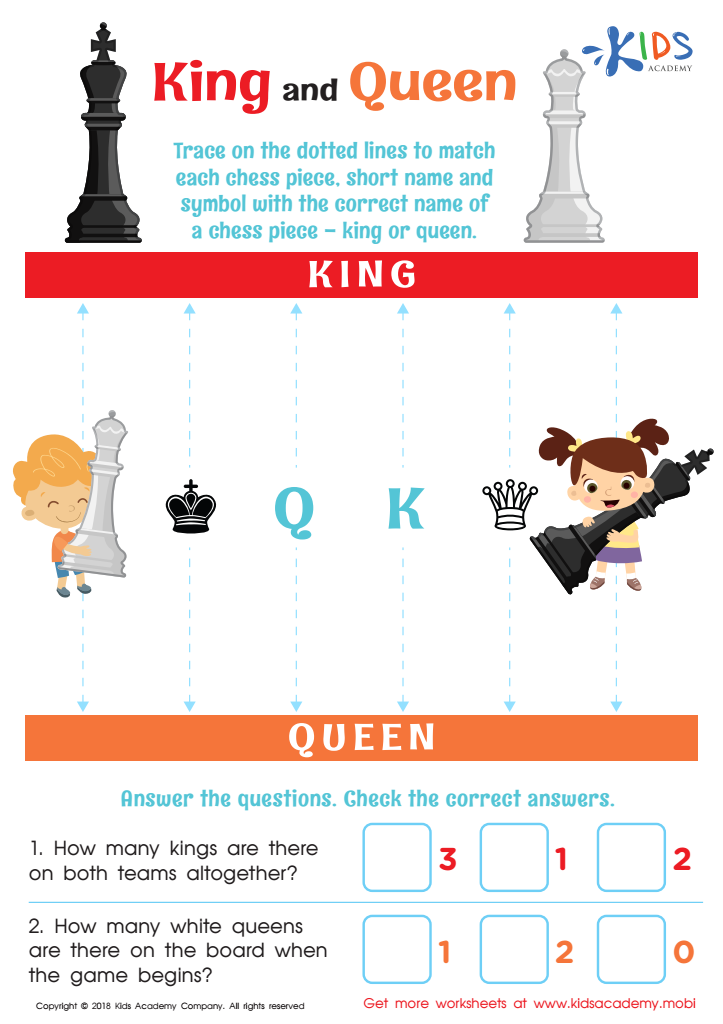
King and Queen Worksheet
 Assign to My Students
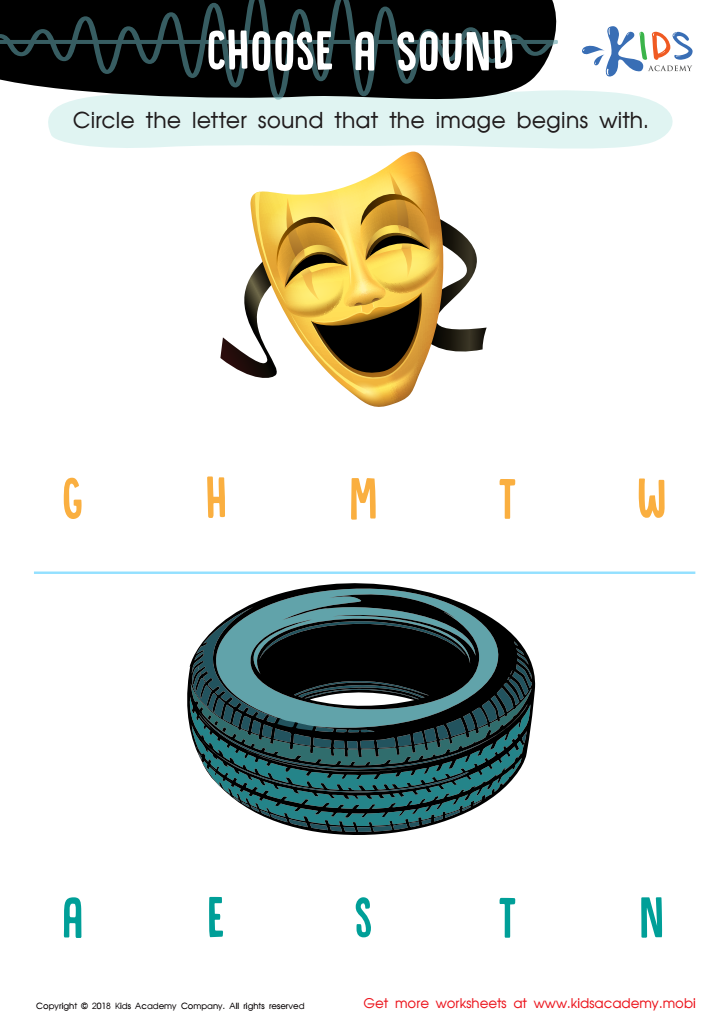
Choose a Sound Worksheet
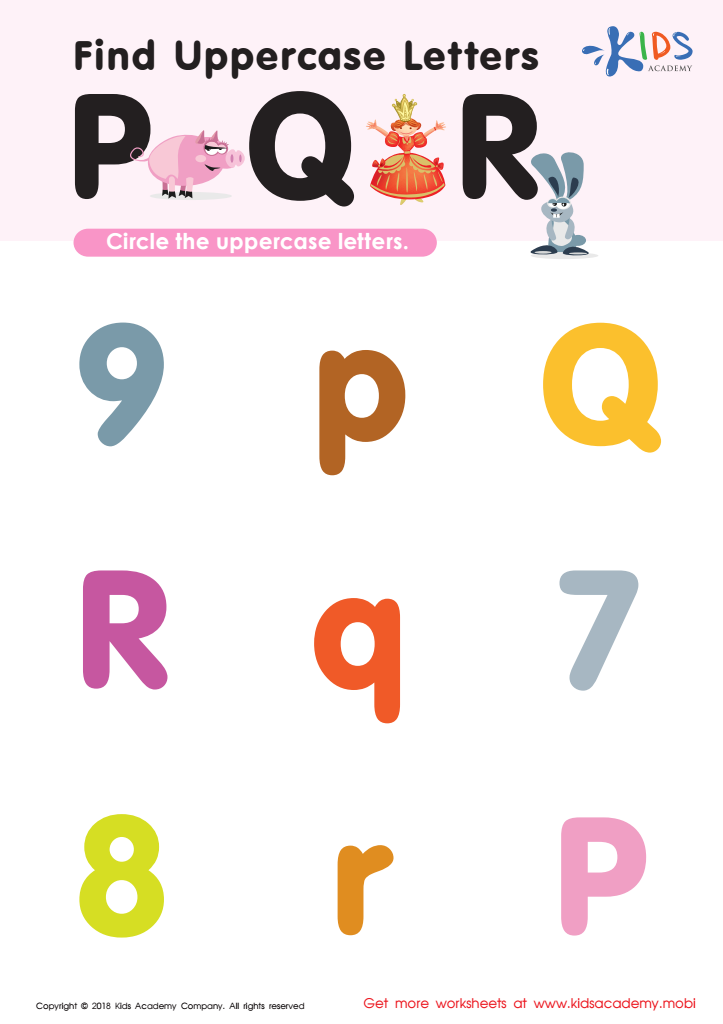
Find Uppercase Letters P, Q, and R Worksheet
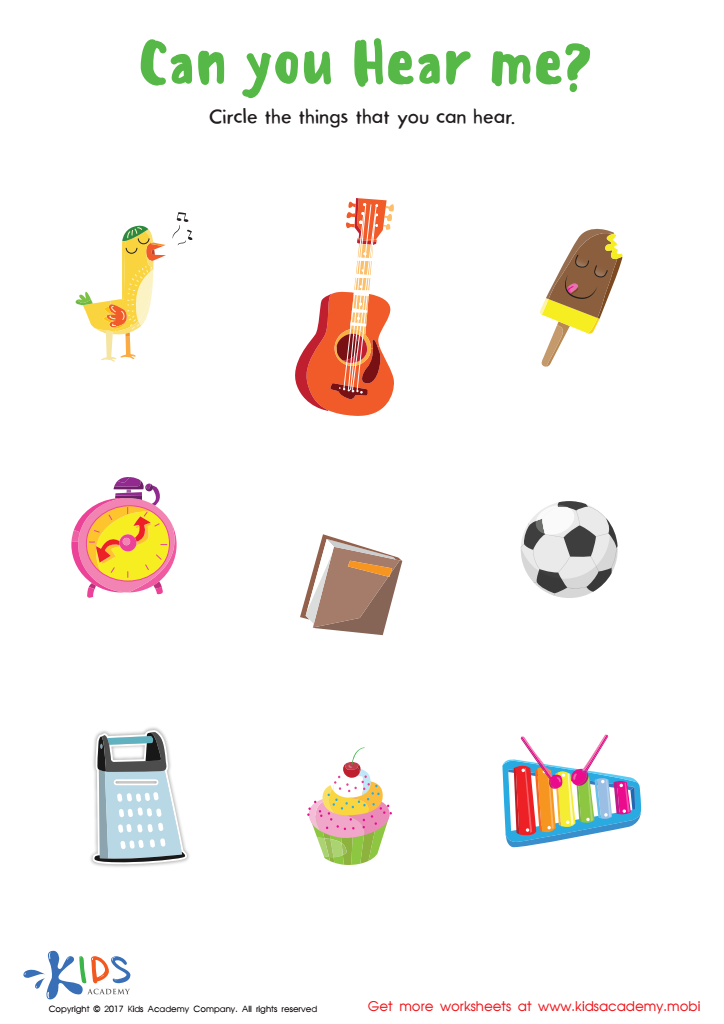
Can You Hear Me Worksheet




%20(1).jpg)


Letter identification is a critical skill for children aged 6 to 8, as it forms the foundation for literacy development. At this age, students are transitioning from learning to read to reading to learn, making letter identification essential for their educational growth. Recognizing letters is not just about naming them; it connects to phonemic awareness, spelling, vocabulary, and writing skills.
Parents and teachers should prioritize letter identification because it influences reading fluency and comprehension. Mastery of letter recognition allows children to decode new words, fostering confidence in their reading abilities. This confidence encourages a love for reading and exploration of literature, crucial for academic success.
Moreover, knowing letters lays the groundwork for effective communication skills, as children learn to structure sentences and express their ideas. A solid understanding of letters also facilitates smoother transitions into complex tasks, such as writing paragraph compositions and comprehending stories.
Ultimately, by nurturing letter identification, parents and educators support holistic development, equipping children with necessary tools for life-long learning. Igniting a passion for reading during these formative years can have lasting positive effects, leading to better academic outcomes and enriched cognitive development. Thus, encouraging letter identification is a crucial investment in a child’s education.








