Logical thinking improvement Worksheets for Ages 6-8
5 filtered results
-
From - To
Enhance your child's critical thinking skills with our engaging Logical Thinking Improvement Worksheets designed specifically for ages 6-8. These fun and interactive activities encourage young learners to develop problem-solving abilities, recognize patterns, and enhance reasoning skills. Each worksheet is crafted to captivate children's curiosity while challenging them with age-appropriate puzzles and exercises. Perfect for use at home or in the classroom, our resources promote independent thinking and creativity. Watch your child flourish as they tackle each task, gaining confidence in their logical reasoning abilities. Explore our collection today and support your child's journey towards strong logical thinking skills!
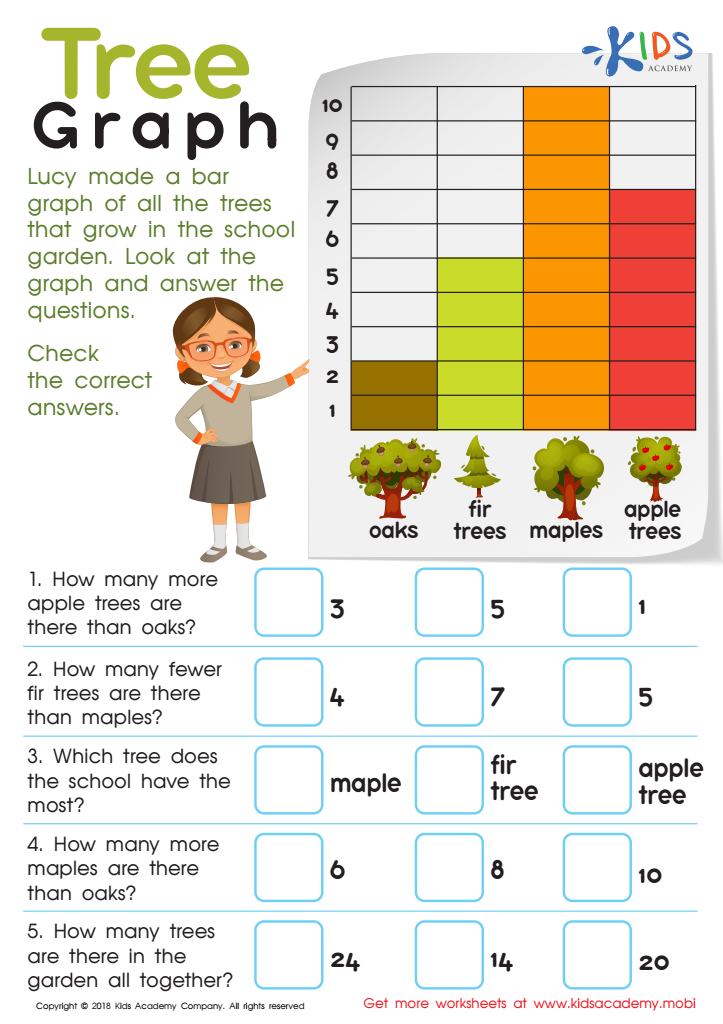
Tree Graph Worksheet
 Assign to My Students
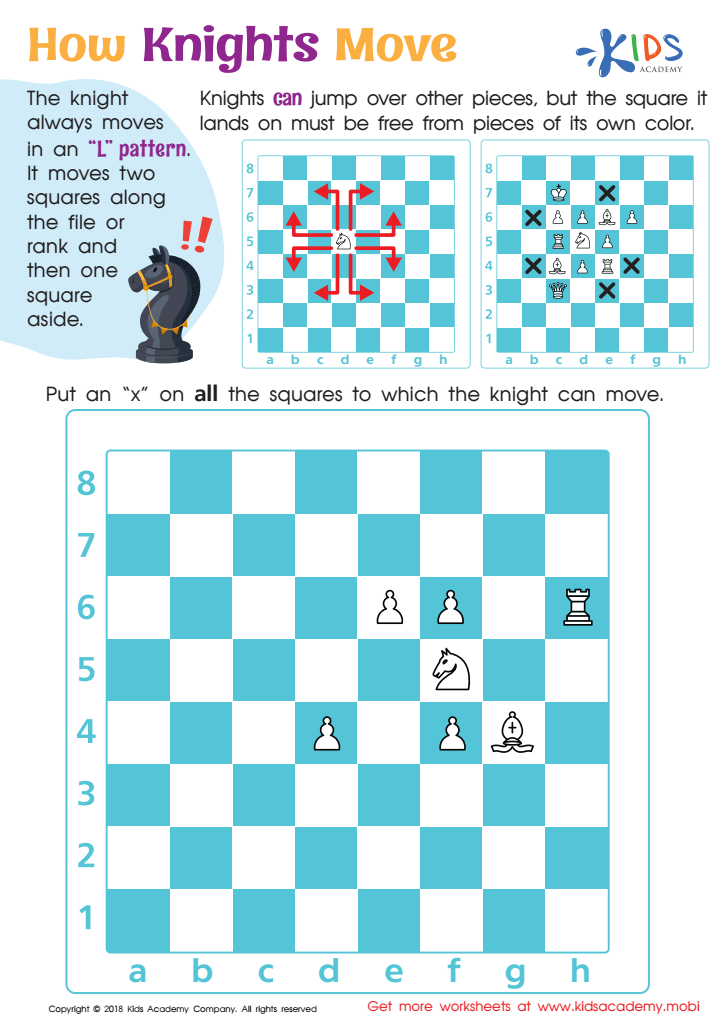
How Knights Move Worksheet
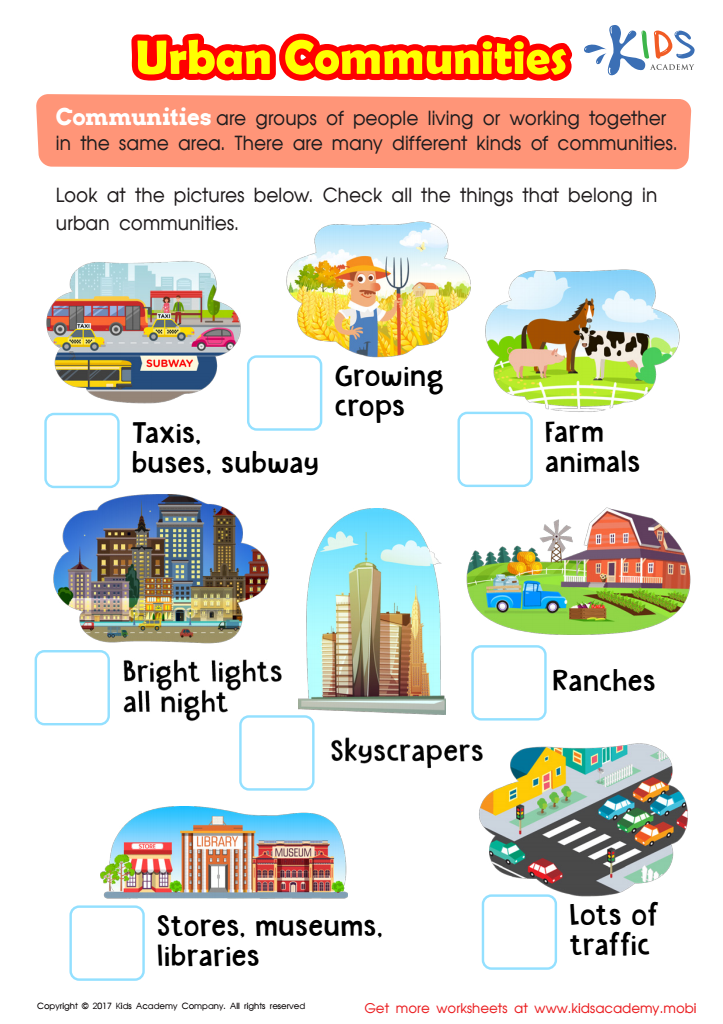
Urban Communities Printable
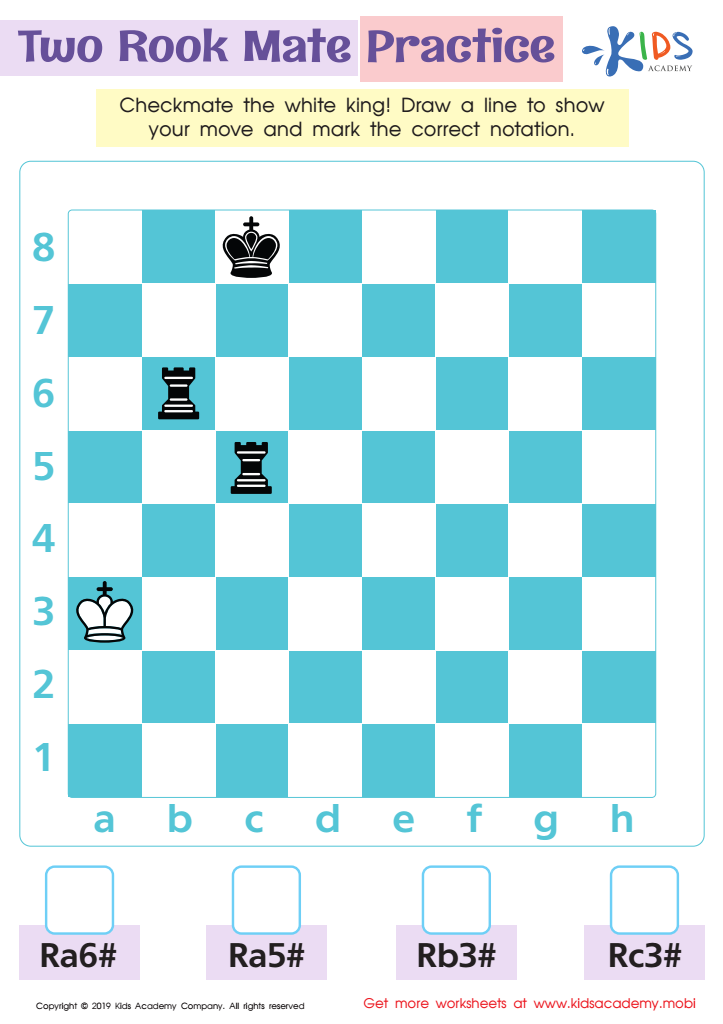
Two Rook Mate Practice Worksheet
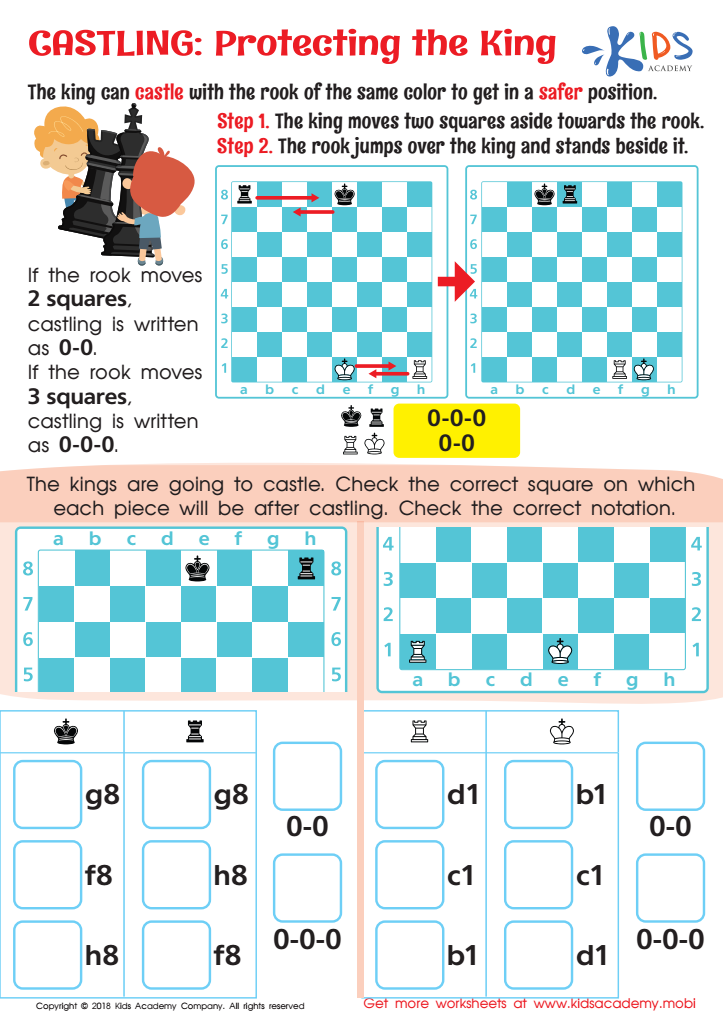
Castling: Protecting the King Worksheet








Logical thinking is a foundational skill that plays a crucial role in a child's cognitive development, particularly for ages 6-8. During this transformative stage, children are beginning to understand relationships between concepts and can engage in more complex reasoning. Improved logical thinking helps enhance problem-solving skills, allowing children to tackle challenges more effectively.
Parents and teachers should prioritize this development because it fosters a child's ability to analyze situations critically and make reasoned decisions. For instance, children who can think logically are better equipped to navigate social interactions, resolve conflicts, and learn from experiences. This skill also builds a strong base for future academic subjects, such as mathematics and science, where logical reasoning is essential.
Encouraging logical thinking at a young age can also boost a child's confidence, as they learn to articulate their thoughts and reasoning patterns. Engaging activities, like puzzles, games, and open-ended questions, can make learning fun and effective. By nurturing logical thinking, parents and teachers not only prepare kids for immediate success but also lay the groundwork for lifelong critical thinking skills necessary for personal and academic achievement.








