Filters

32 filtered results

Clear all filters
Favorites
With answer key
Interactive

32 filtered results

Difficulty Level

Grade


Check out this FREE "Logical thinking" Trial Lesson for age 6-8!

Extend Patterns

Favorites
With answer key
Interactive
  • 6-8
  • Logical thinking
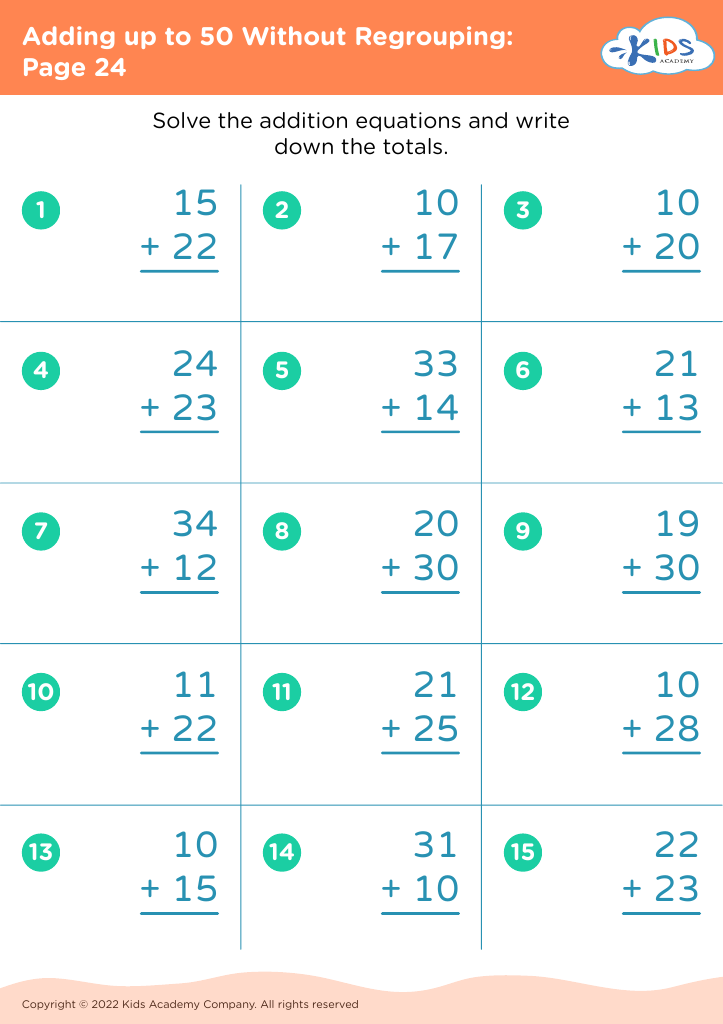
Adding up to 50 Without Regrouping: Page 24
Worksheet
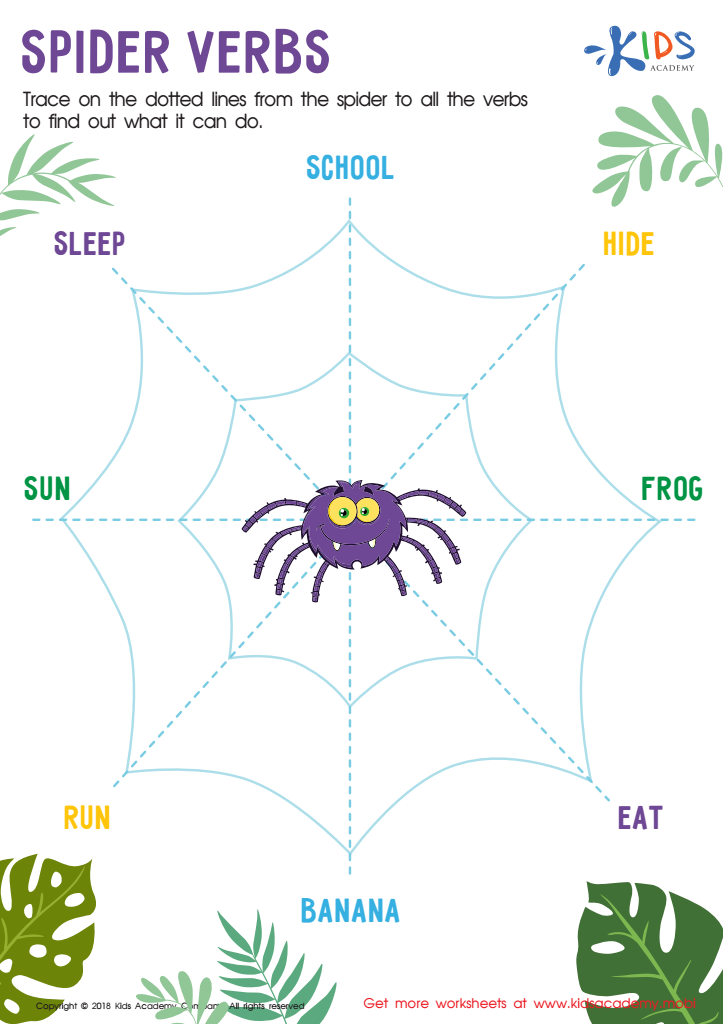
Spider Verbs Worksheet

Spider Verbs Worksheet

Verbs are action words. Examples: run, play, talk. Show your child this tracing sheet for them to learn about verbs. Ask them to trace the dotted lines from the spider to the words that are verbs. These words are what the spider can do.
Spider Verbs Worksheet
Worksheet
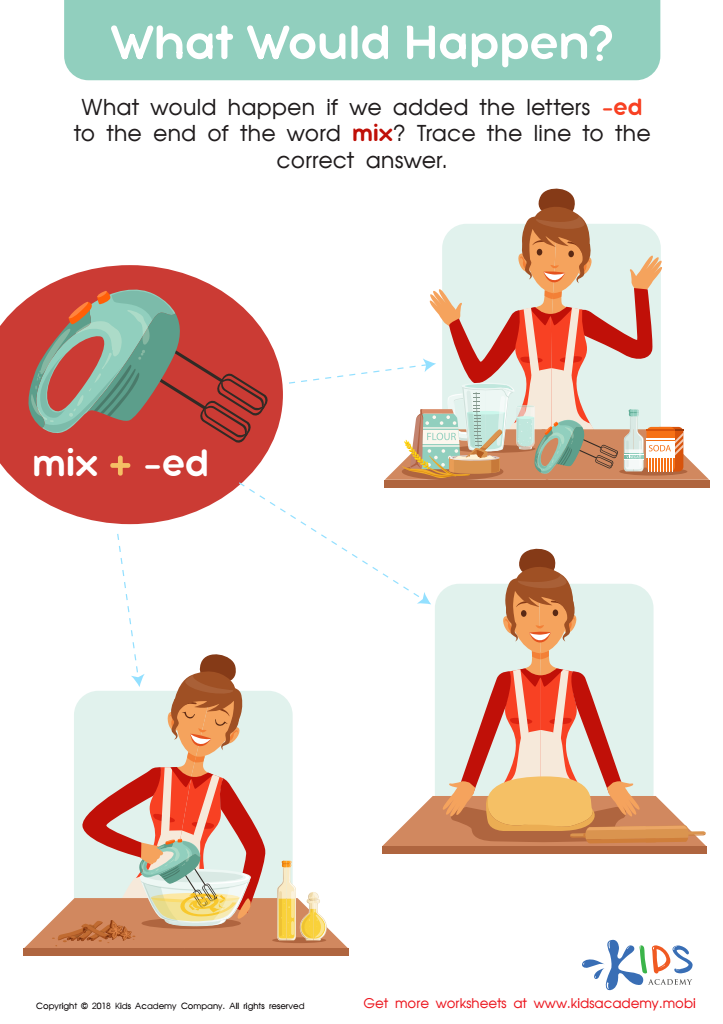
What Would Happen? Worksheet

What Would Happen? Worksheet

Are your kids struggling with tenses? Use this worksheet to help them. See what they know by asking them to add '-ed' to the end of 'mix'. Guide them through the tracing sheet as they look for the correct answer.
What Would Happen? Worksheet
Worksheet
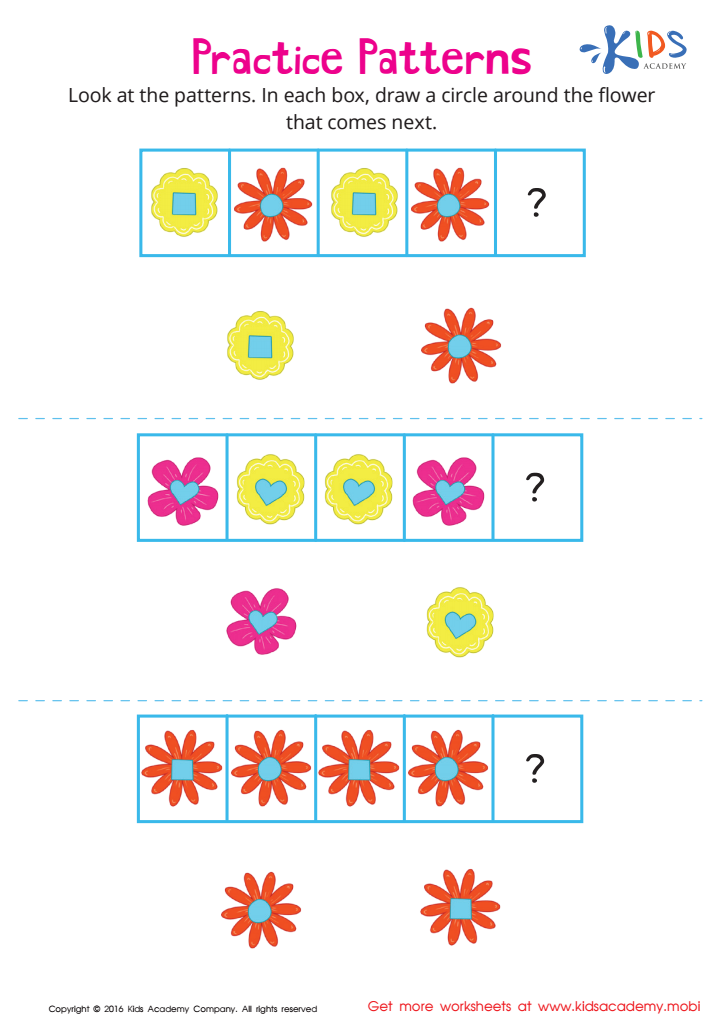
Pattern Recognition Worksheet

Practice Patterns Worksheet

Practice Patterns Worksheet
Worksheet
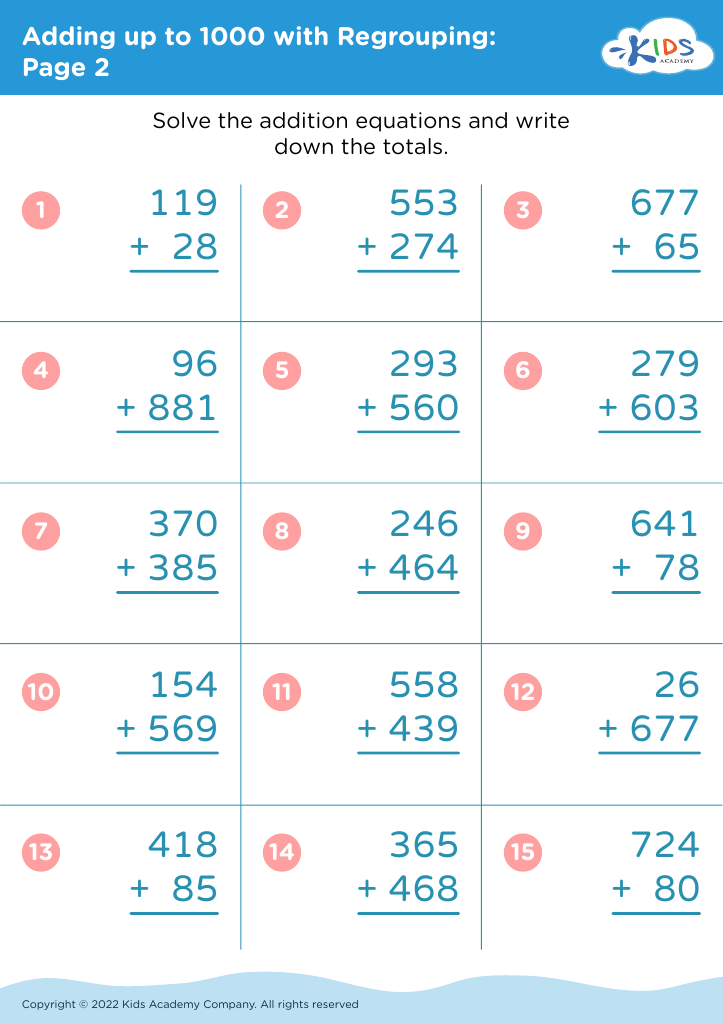
Adding up to 1000 with Regrouping: Page 2
Worksheet
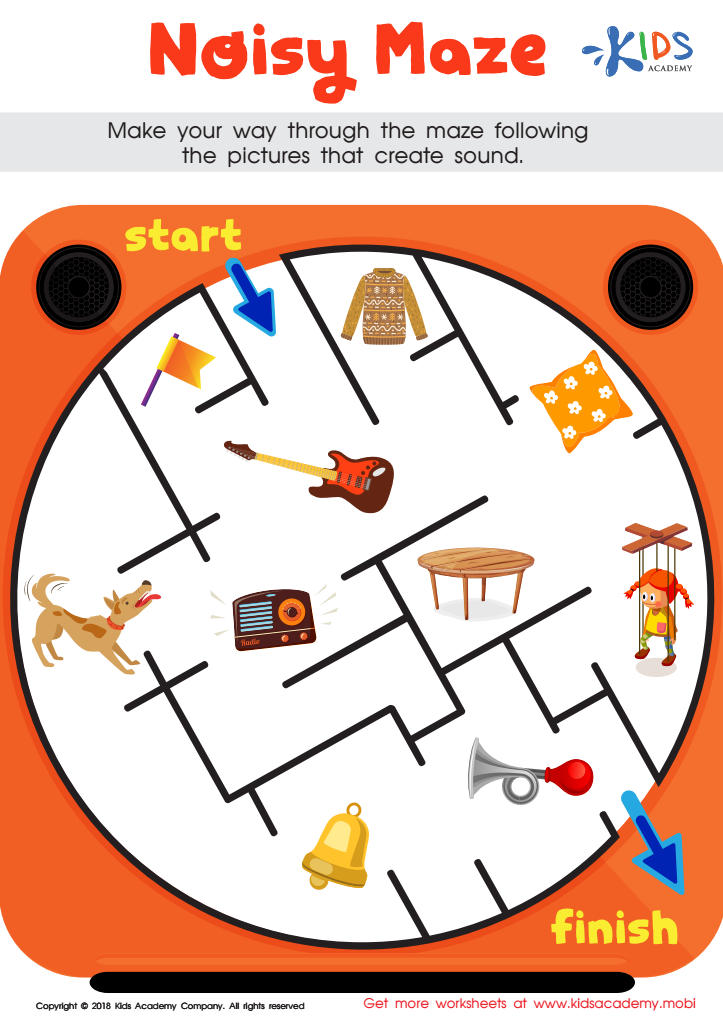
Noisy Maze Worksheet

Noisy Maze Worksheet
Have your kids name some objects that make noise? Then, look at the worksheet with them and help them identify each object. Guide them through the maze, following the sound-producing pictures.
Noisy Maze Worksheet
Worksheet
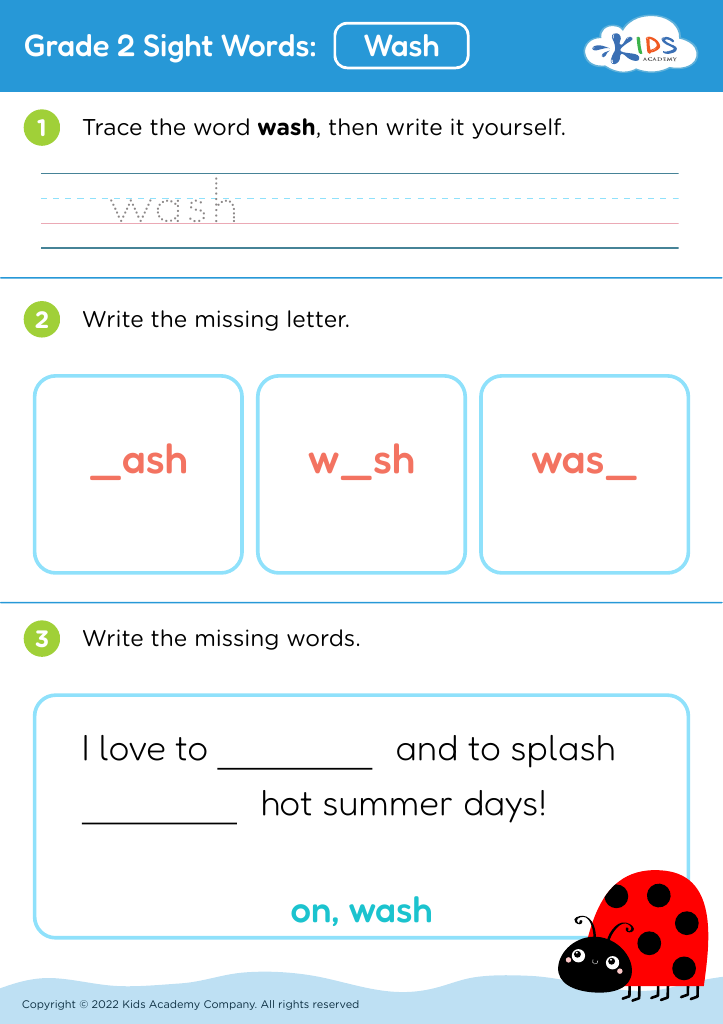
Grade 2 Sight Words: Wash

Grade 2 Sight Words: Wash

Grade 2 Sight Words: Wash
Worksheet
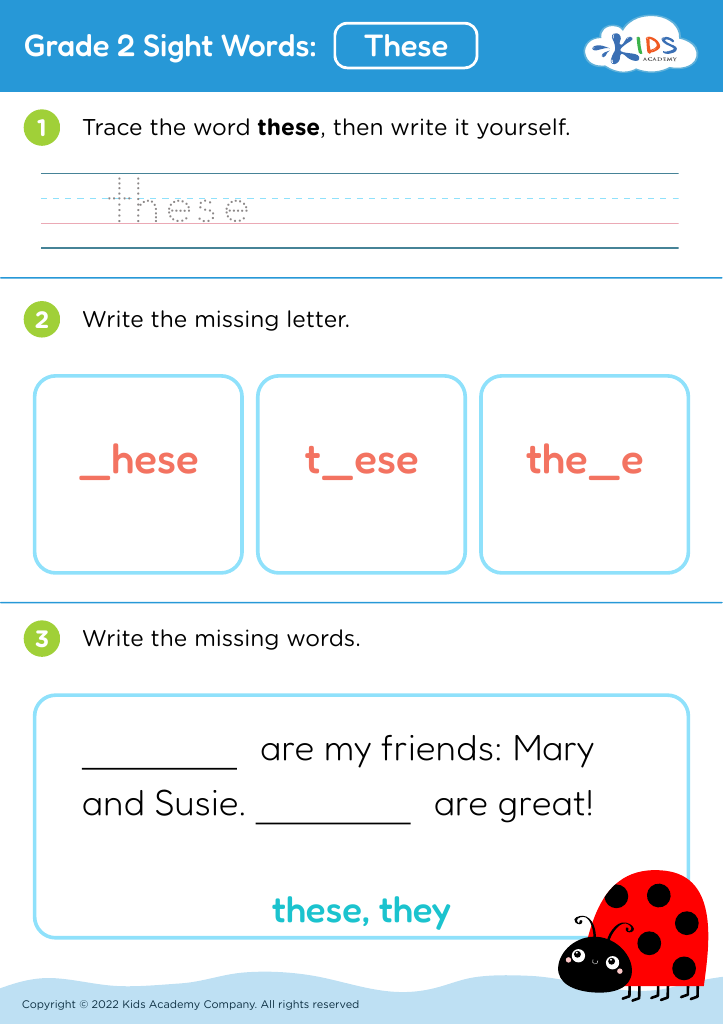
Grade 2 Sight Words: These

Grade 2 Sight Words: These

Grade 2 Sight Words: These
Worksheet


Logical thinking is a fundamental skill that fosters problem-solving abilities, critical reasoning, and decision-making in children ages 6-8. At this developmental stage, kids are naturally curious and eager to understand the world around them. Nurturing their logical thinking skills allows them to make connections, anticipate outcomes, and evaluate evidence effectively.

Parents and teachers should prioritize logical thinking because it lays the groundwork for future academic success across subjects, especially math, science, and literacy. Engaging in activities that promote logical thinking—such as puzzles, games, and creative storytelling—helps children learn to analyze situations, ask questions, and think systematically.

Additionally, logical thinking aids emotional and social development. By honing these skills, children can better navigate social interactions, understand different perspectives, and manage conflicts thoughtfully. As they learn to articulate their reasoning, they also become more confident communicators.

Ultimately, fostering logical thinking encourages independence and resilience in children, preparing them for complex problem-solving in their educational journeys and everyday lives. Parents and teachers, being key players in this developmental phase, can significantly influence a child's ability to think logically, helping them become well-equipped individuals in an ever-changing world.