Math skills improvement Worksheets for Ages 6-8
8 filtered results
-
From - To
Improve your child's math skills with our specially designed worksheets for ages 6-8! Our engaging resources help young learners master essential math concepts through fun activities that foster critical thinking and problem-solving abilities. Topics include addition, subtraction, multiplication, and more, enabling children to build a solid foundation in mathematics. With colorful visuals and interactive exercises, these worksheets keep students motivated and eager to learn. Ideal for home practice or classroom use, our math skills improvement worksheets encourage independent learning and boost confidence. Equip your child with the skills they need to succeed in math! Explore our collection today!
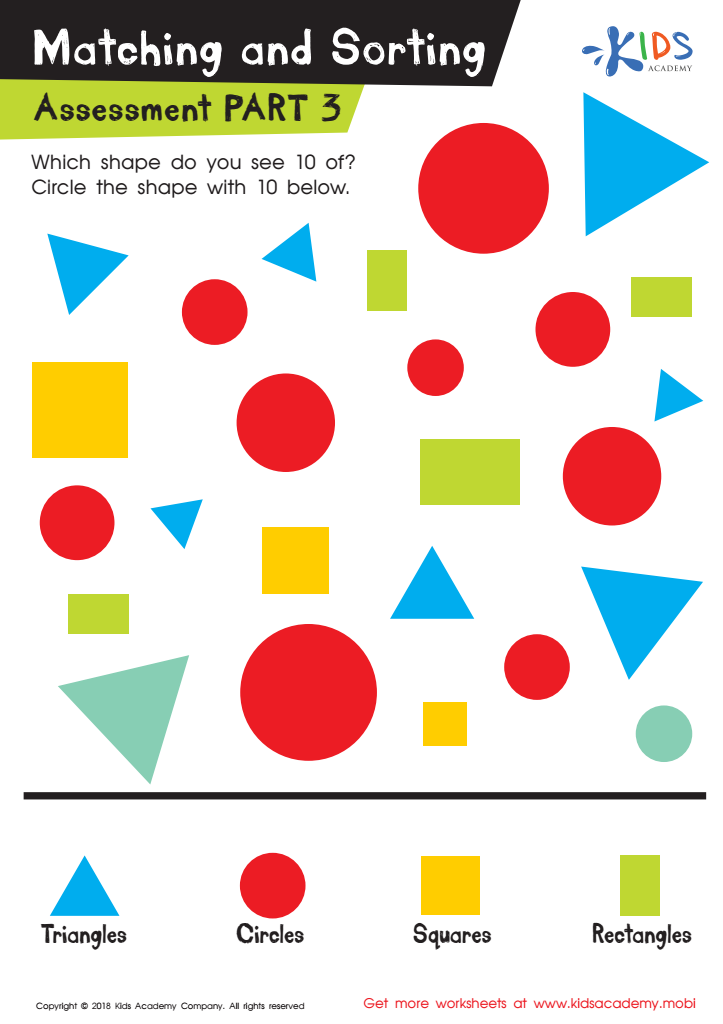
Matching and Sorting for Kindergarten: Assessment 3 Worksheet
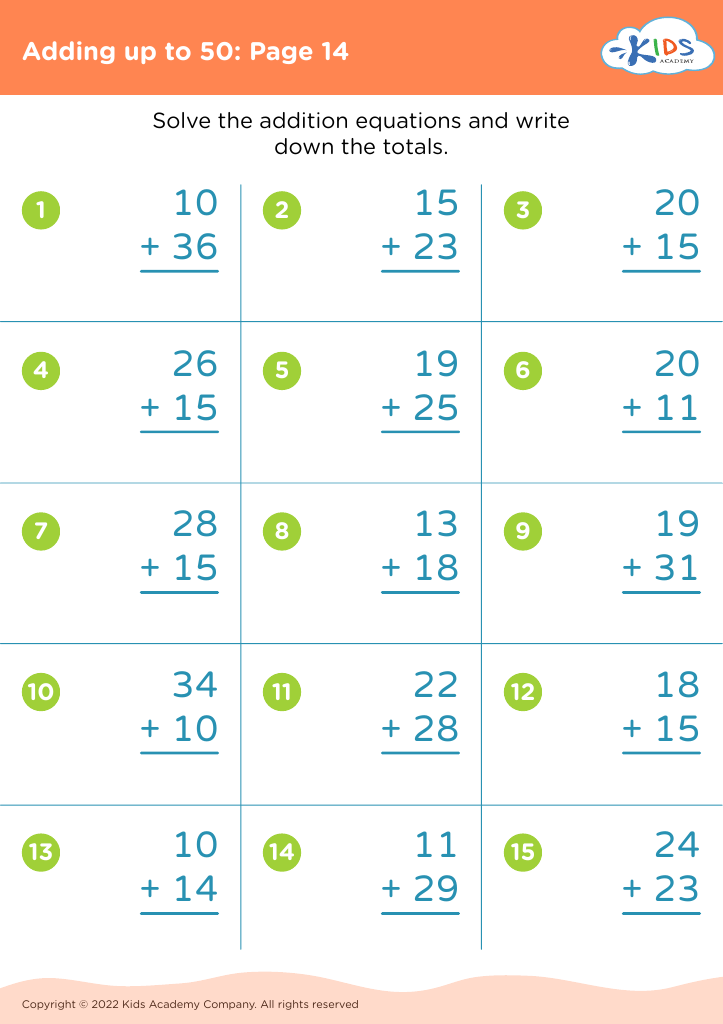
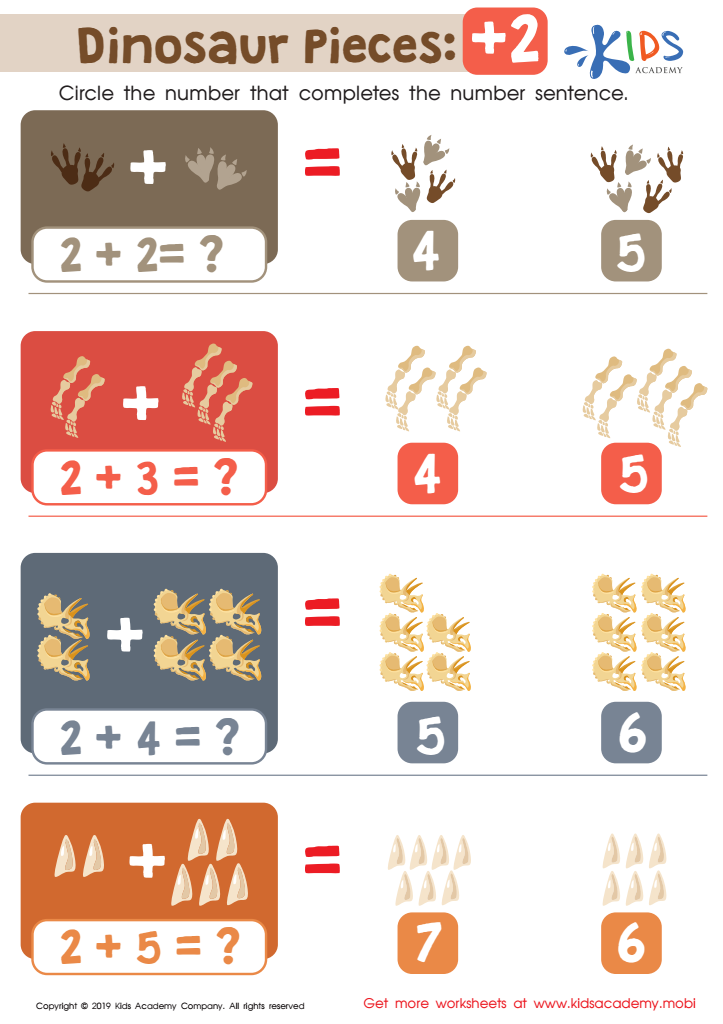
Dinosaur Pieces: +2 Worksheet
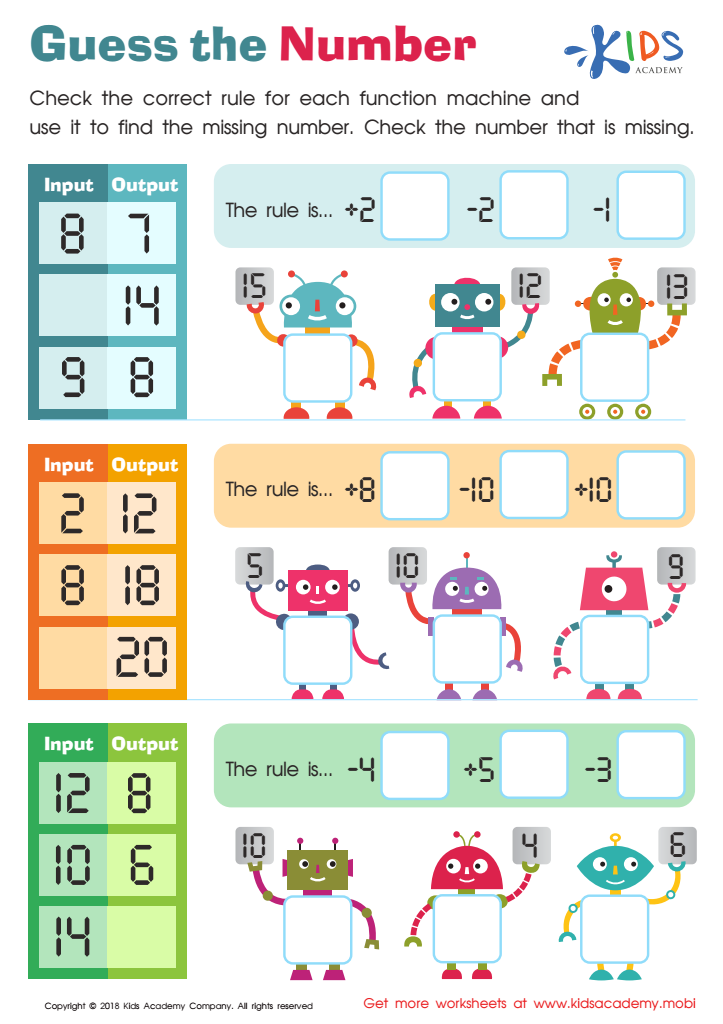
Guess the Number Worksheet
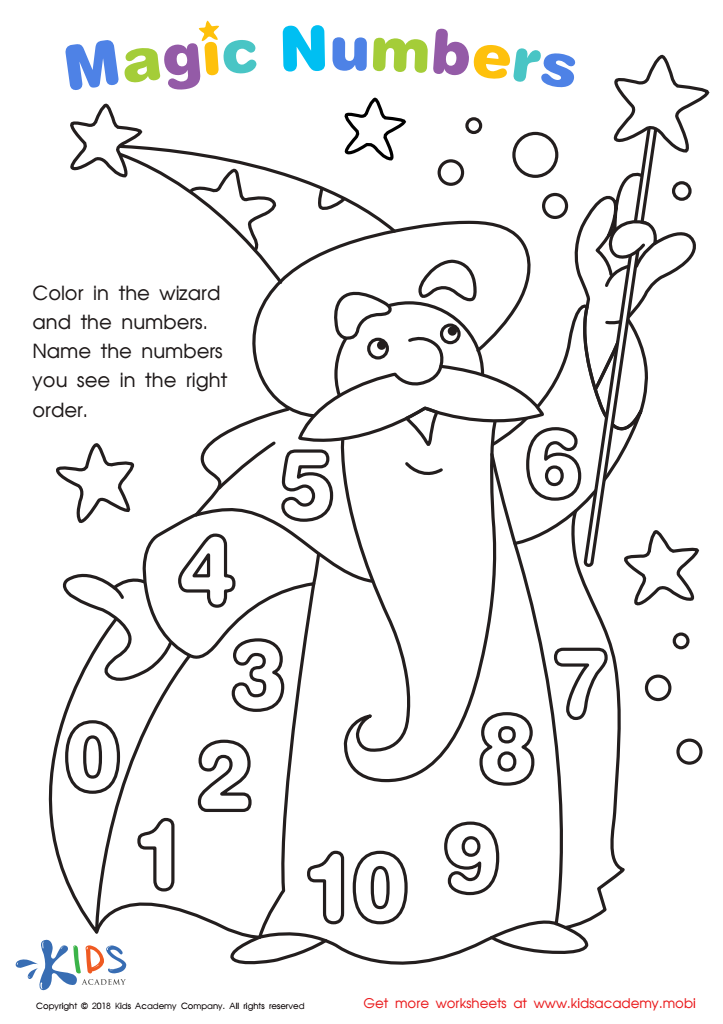
Magic Numbers Worksheet
 Assign to My Students
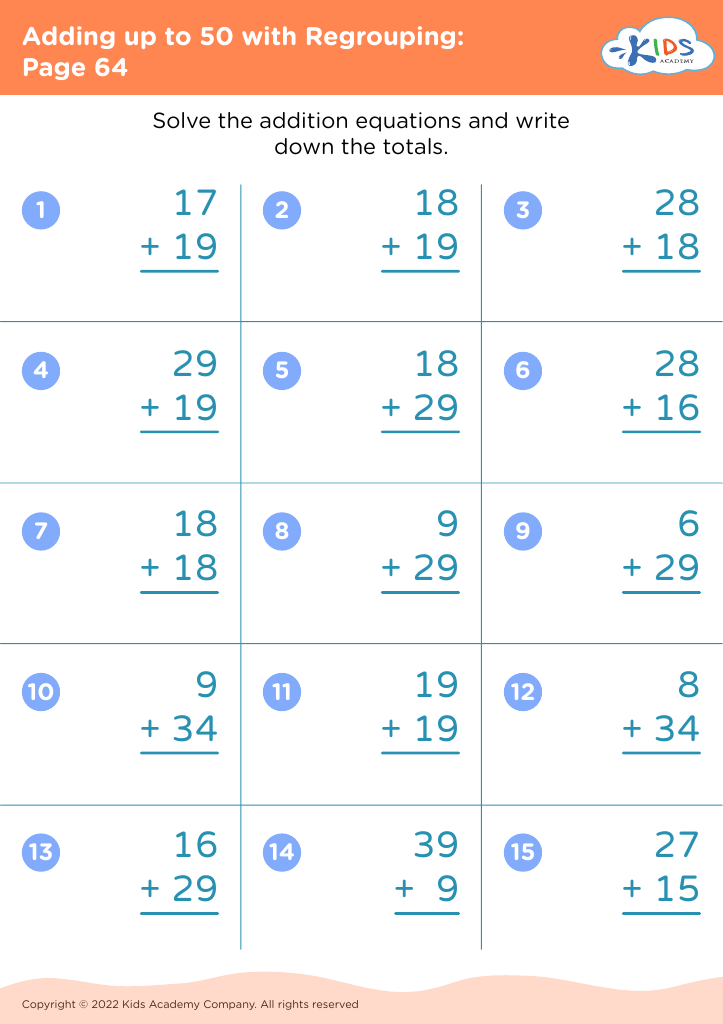
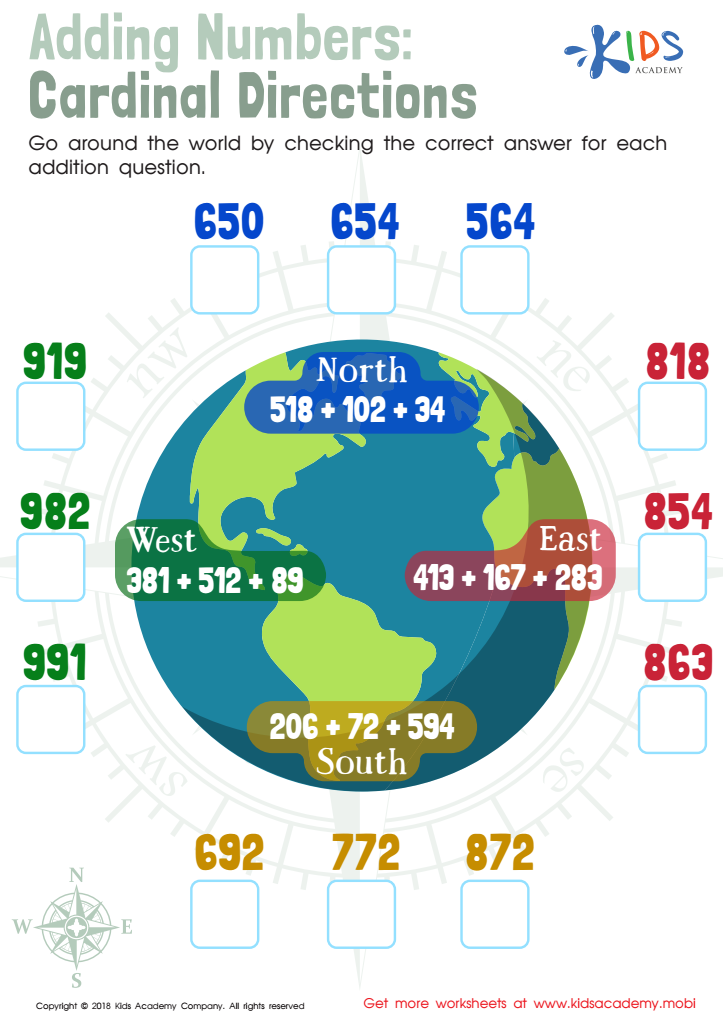
Adding Numbers: Cardinal Directions Worksheet
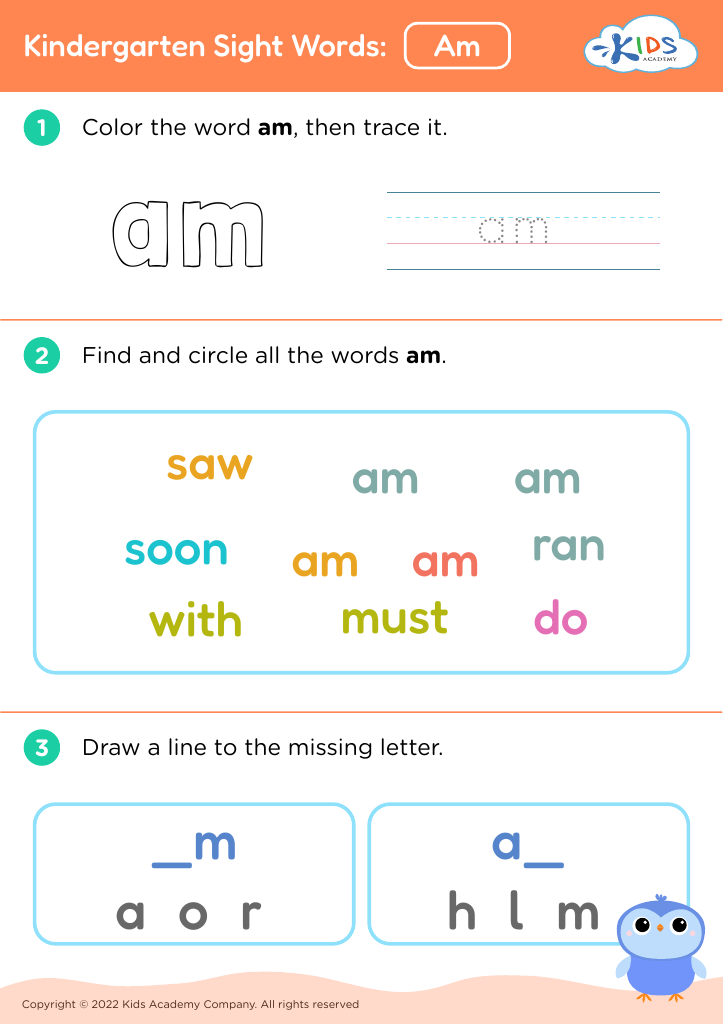








Improving math skills for children aged 6-8 is crucial for several reasons, and both parents and teachers play integral roles in this development. During these early years, children's cognitive abilities are rapidly developing, making it the ideal time to build a strong mathematical foundation. Mastering basic math concepts, such as addition, subtraction, and number sense, is essential for their academic success and confidence in future learning.
Additionally, math skills are not just about numbers but also enhance critical thinking and problem-solving capabilities. Engaging children in math helps them to develop logical reasoning and analytical skills that are applicable across disciplines, including science and technology.
Furthermore, positive experiences with math can foster a lifelong appreciation for the subject. When children struggle without support, they can develop math anxiety, which may hinder their performance and interest later on. Parents and teachers providing encouragement and resources can help demystify math, making it more accessible and enjoyable.
Creating a collaborative approach between home and school ensures that children receive consistent support. By investing in math skills improvement during these formative years, parents and teachers equip children with the tools necessary for academic success and everyday life, promoting independence and critical lifelong skills.








