Mental arithmetic Worksheets for Ages 6-8
6 filtered results
-
From - To
Discover our engaging Mental Arithmetic Worksheets designed for children aged 6-8, perfect for enhancing math skills in a fun and interactive way. These worksheets help young learners develop quick calculation abilities and boost their confidence in tackling mathematical problems. Featuring a variety of exercises, they encourage mental math practice through enjoyable activities like addition, subtraction, and number games. With a focus on visual learning and critical thinking, our resources are tailored to meet the developmental needs of early learners. Explore our collection and watch your child's math skills soar while they enjoy the learning process! Fun and educational worksheets await!
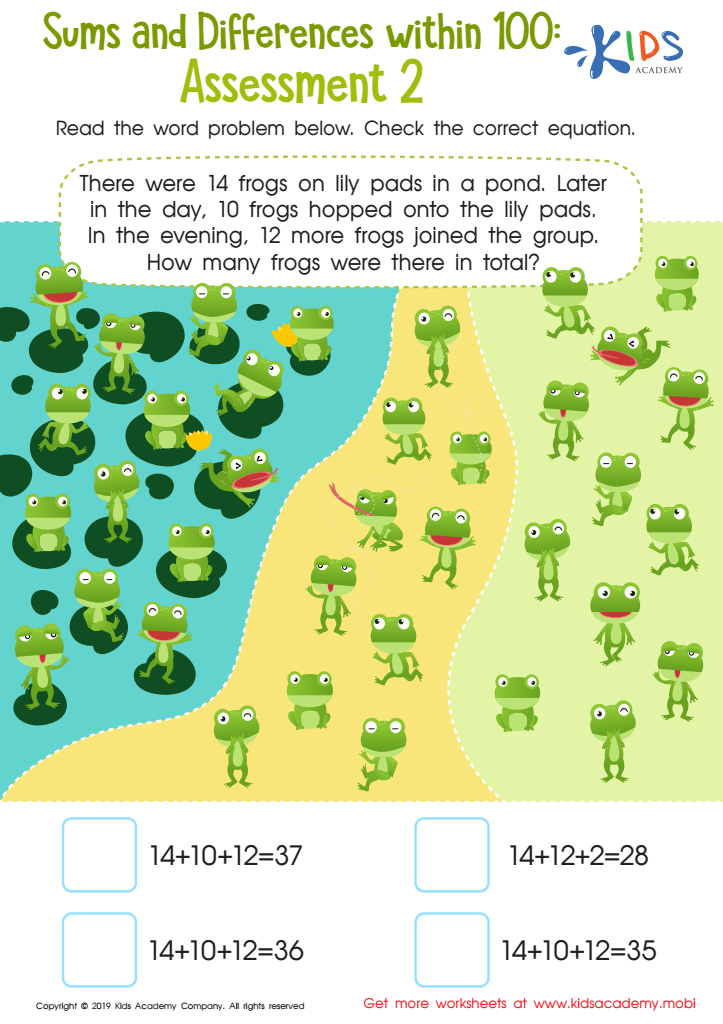
Sums and Differences Within 1 - Assessment 2 Worksheet
 Assign to My Students
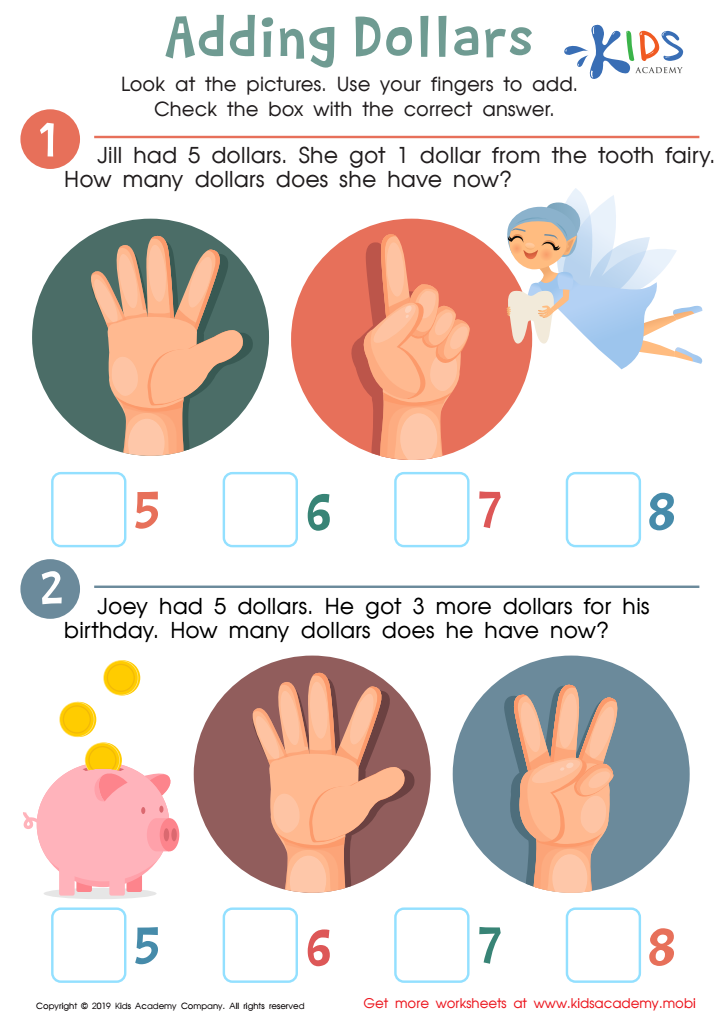
Tooth Fairy Addition Worksheet
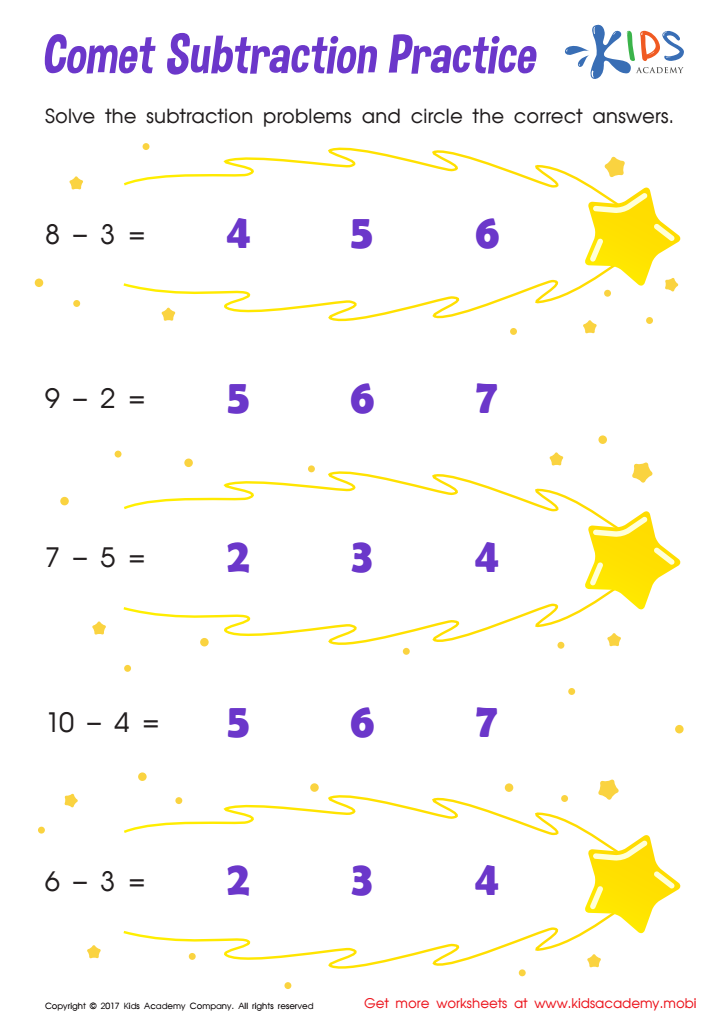
Comet Subtraction Practice Substraction Worksheet
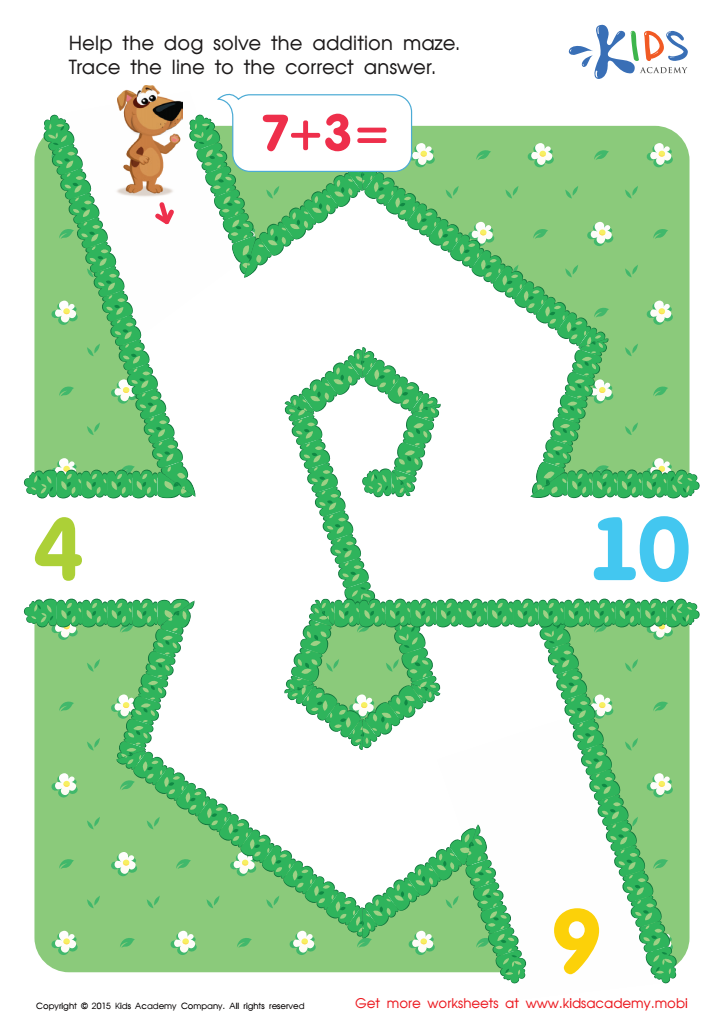
Seven Plus Three Worksheet
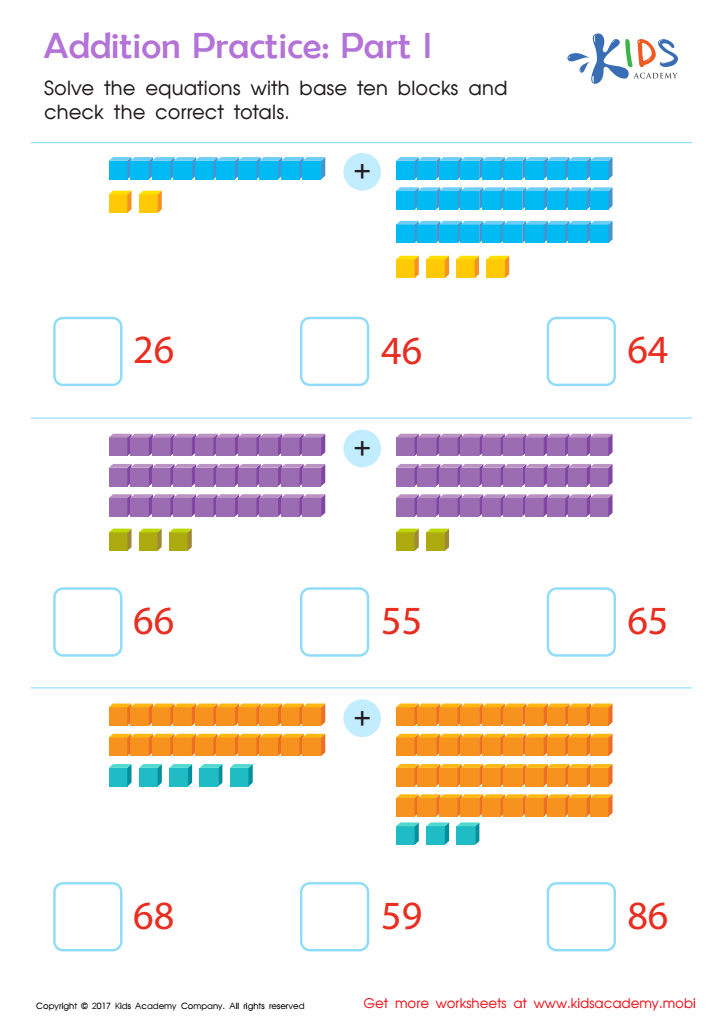
Addition Practice Sheet: Part 1
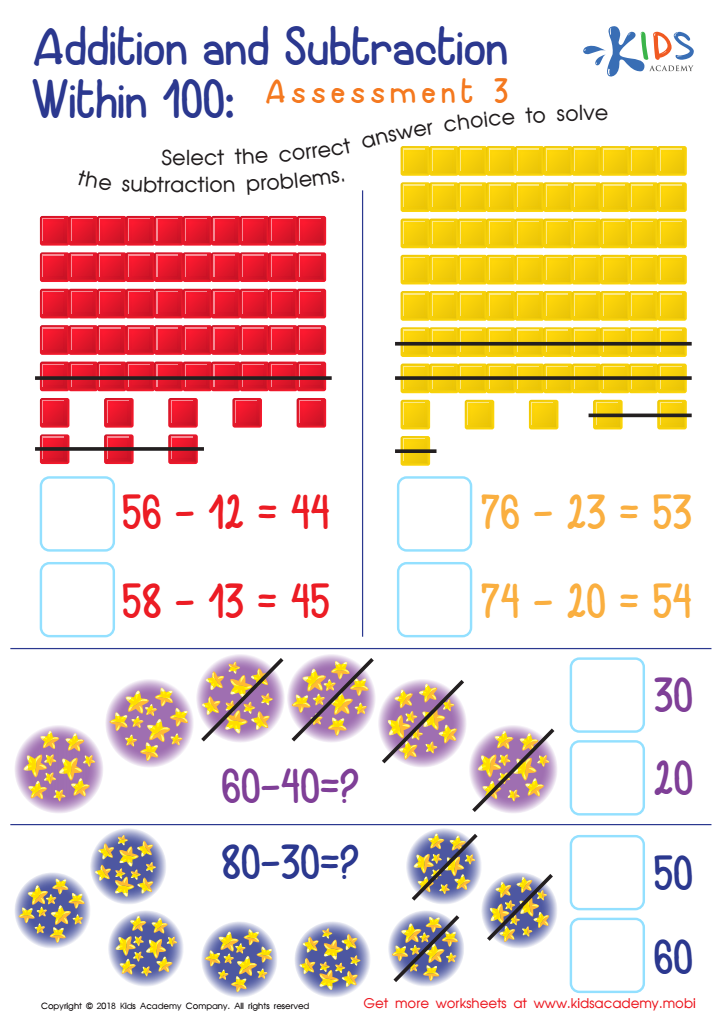
Addition and Subtraction Within 1: Assessment 3 Worksheet







Mental arithmetic is a vital skill for children aged 6-8 for several reasons. Firstly, it encourages cognitive development by enhancing problem-solving abilities and critical thinking. At this age, children's brains are highly adaptable, making it an ideal time to cultivate numerical fluency through mental calculations. These skills build a strong foundation for more complex math concepts in the future.
Secondly, mental arithmetic boosts confidence. Children who master basic arithmetic operations can approach challenges with a positive mindset, fostering a love for math. This confidence often translates into better academic performance overall, reinforcing the importance of math in daily life.
Moreover, understanding mental arithmetic promotes greater independence; children learn to solve problems quickly without always relying on calculators or written methods, which can enhance their adaptability in various situations.
Lastly, engaging in mental math can strengthen parent-child or teacher-student bonds. Learning together can provide opportunities for encouragement and collaboration, turning math into an enjoyable activity rather than a chore. In an increasingly data-driven world, equipping children with mental arithmetic skills will prepare them for future academic success and practical life applications, making it essential for both parents and teachers to prioritize this developmental aspect.








