Numerical reasoning Worksheets for Ages 6-8
4 filtered results
-
From - To
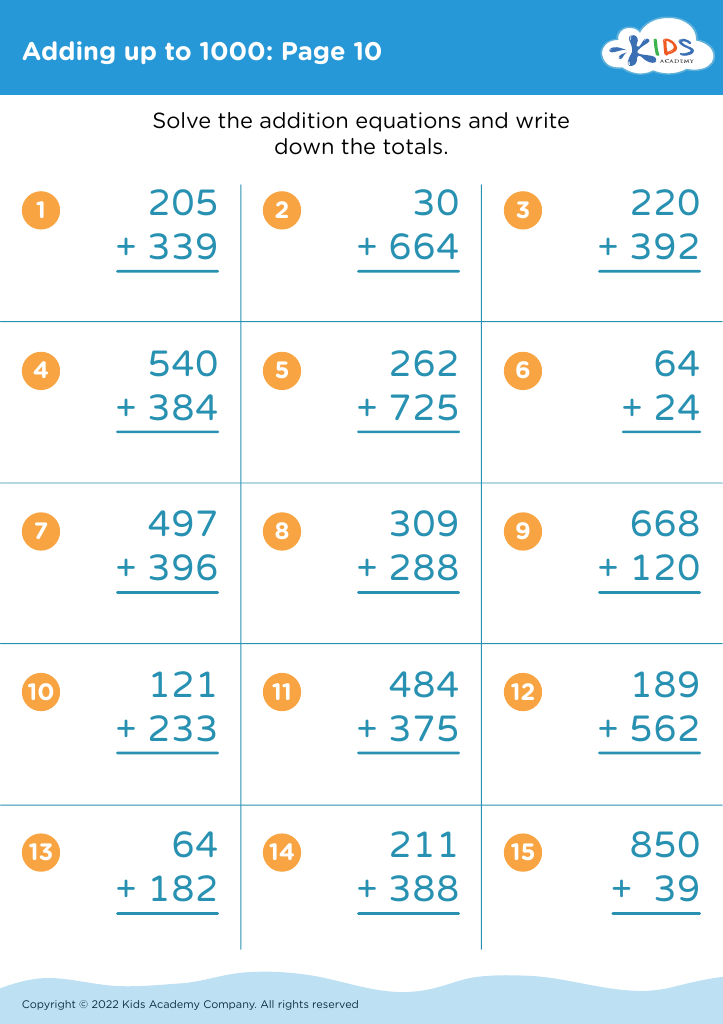
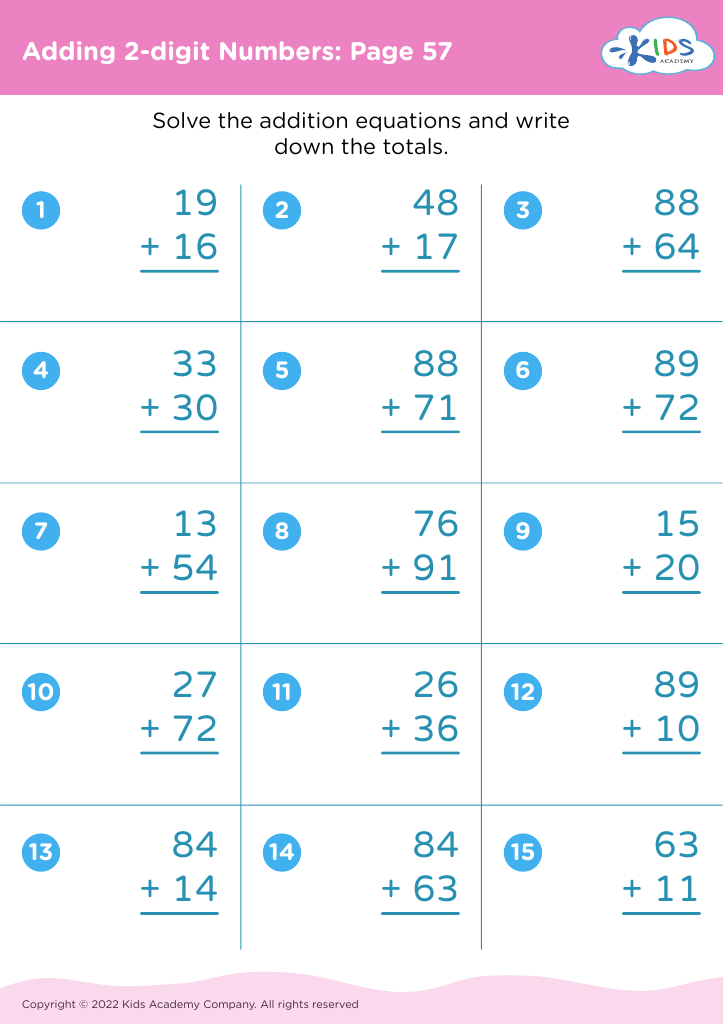
Discover an extensive collection of numerical reasoning worksheets designed specifically for ages 6-8 on Kids Academy! Our worksheets are crafted to strengthen critical thinking, problem-solving, and mathematical skills. These engaging activities incorporate fun visuals and practical exercises that help children grasp fundamental concepts such as number patterns, sequences, addition, subtraction, and basic word problems. Moreover, each worksheet aligns with educational standards, ensuring your child builds a solid numerical foundation while enjoying the learning process. Perfect for at-home practice or classroom use, Kids Academy makes mastering math exciting and accessible for every young learner. Explore now!
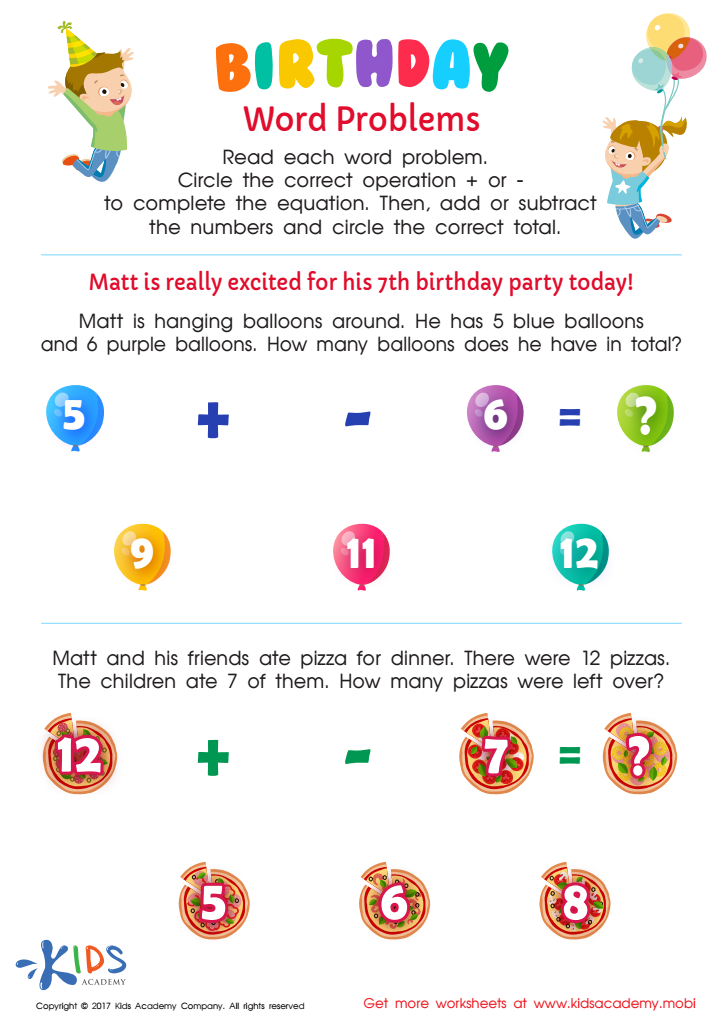
Birthday Word Problems Substraction Worksheet
 Assign to My Students


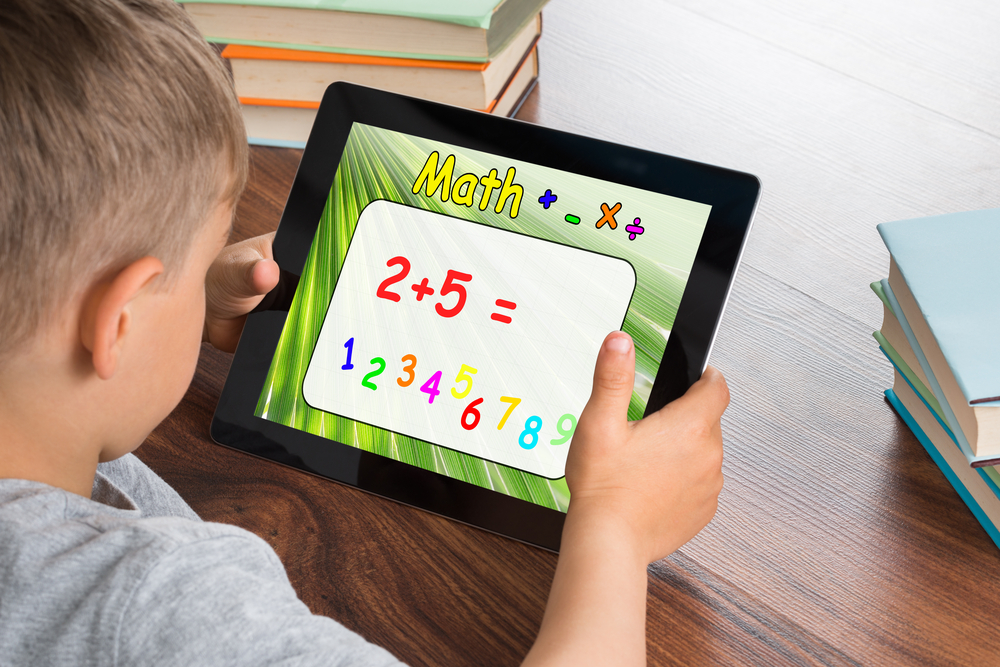



Numerical reasoning is a crucial skill for children aged 6-8 as it lays the foundational groundwork for future math proficiency and critical thinking. At this developmental stage, children are highly receptive to learning basic mathematics, such as addition, subtraction, multiplication, and division. Developing strong numerical reasoning capabilities helps them understand the relationships between numbers and enhances their problem-solving abilities.
Introducing numerical reasoning early boosts children's confidence and enthusiasm for learning math. This foundation is not just about number manipulation; it also involves recognizing patterns, understanding the concepts of greater than and less than, and developing logical thinking. These skills are transferable and can significantly aid in other academic subjects, such as science and reading, where critical thinking and pattern recognition are essential.
As students progress through their education, those with a solid grasp of numerical reasoning are better prepared to tackle more advanced mathematical concepts and real-world problems that require quantitative analysis. Parental and teacher involvement at this stage can foster a supportive learning environment, making math fun and engaging. Encouragement, timely interventions, and practical exercises at this age help in averting math anxiety and building a lifelong appreciation for math, setting students on a path to academic and personal success.








