Problem Solving Worksheets for Ages 6-8 - Page 2
33 filtered results
-
From - To
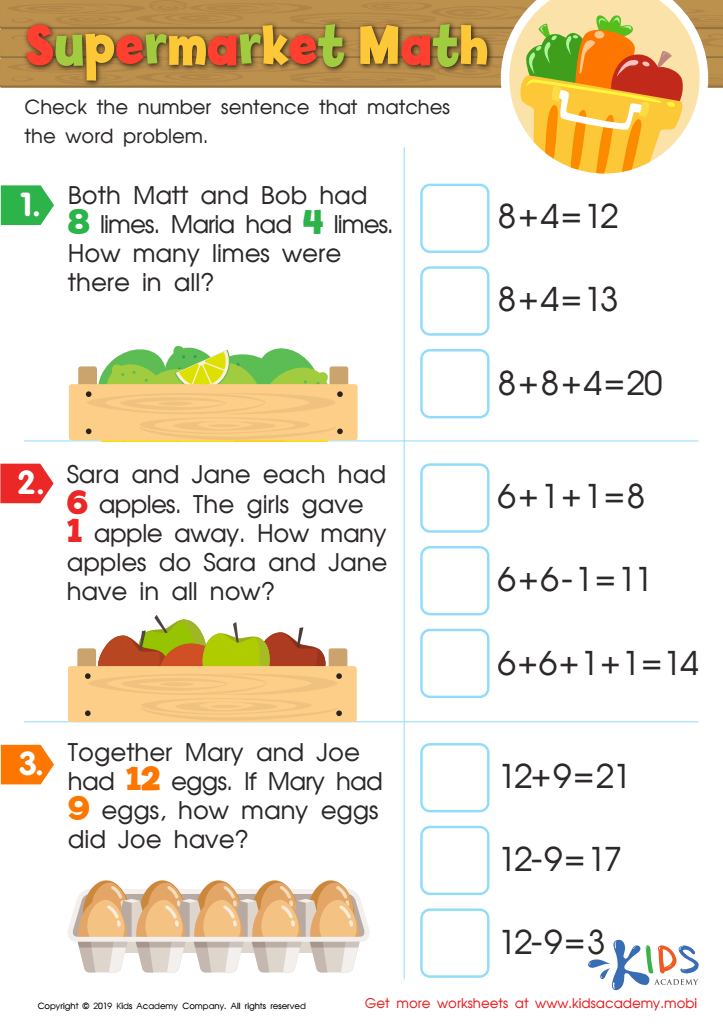
Supermarket Math Worksheet
 Assign to My Students
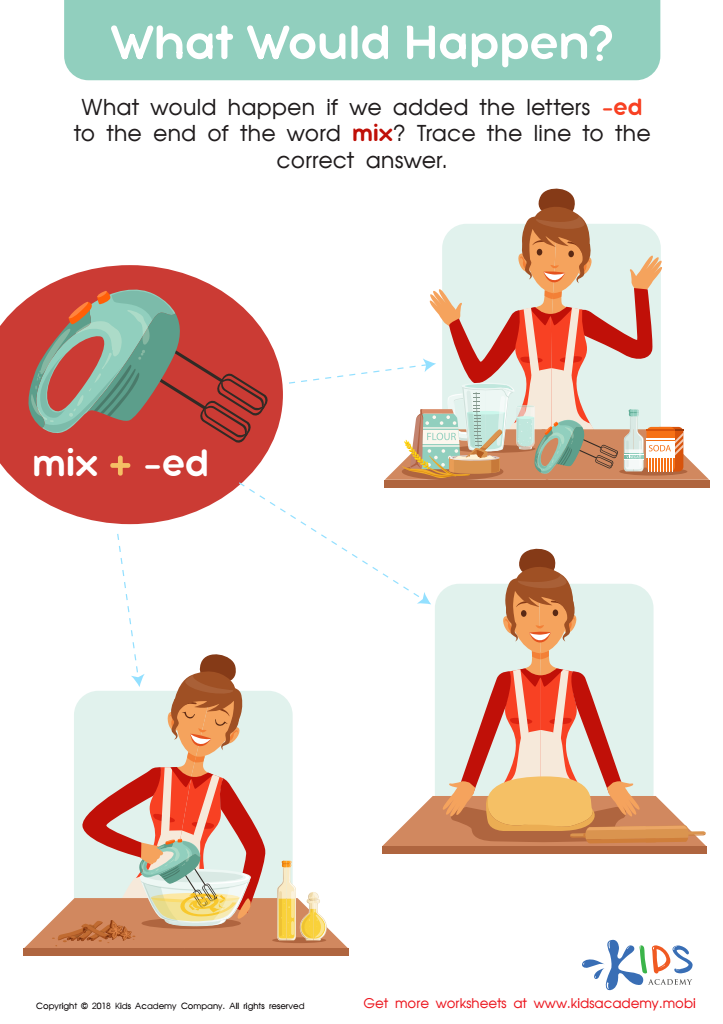
What Would Happen? Worksheet
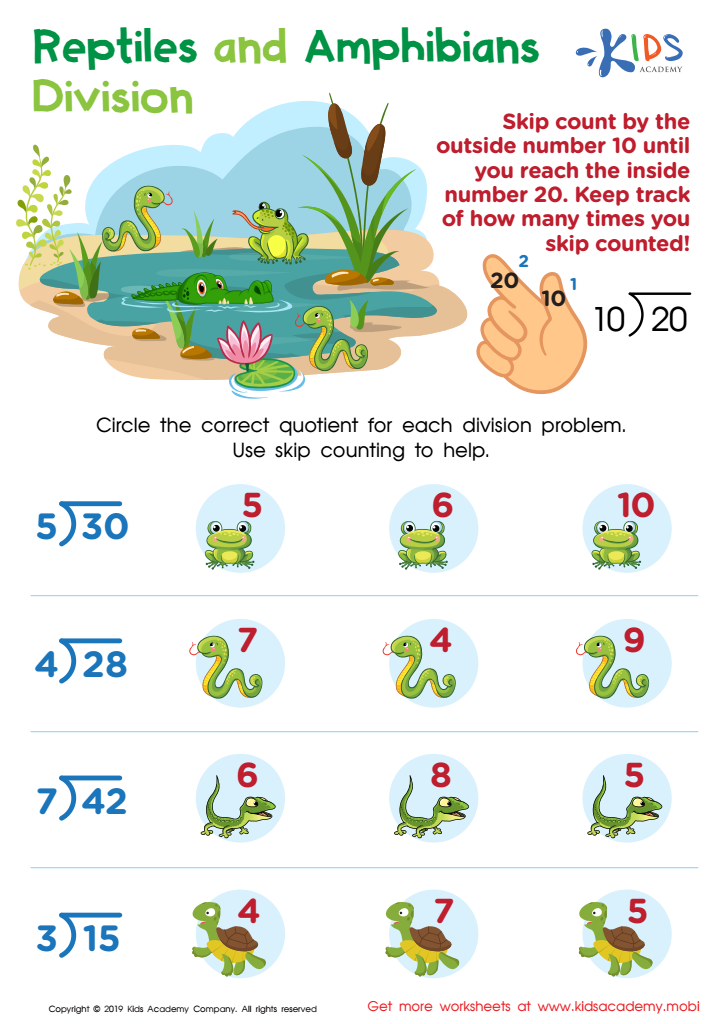
Reptile and Amphibians Division Worksheet
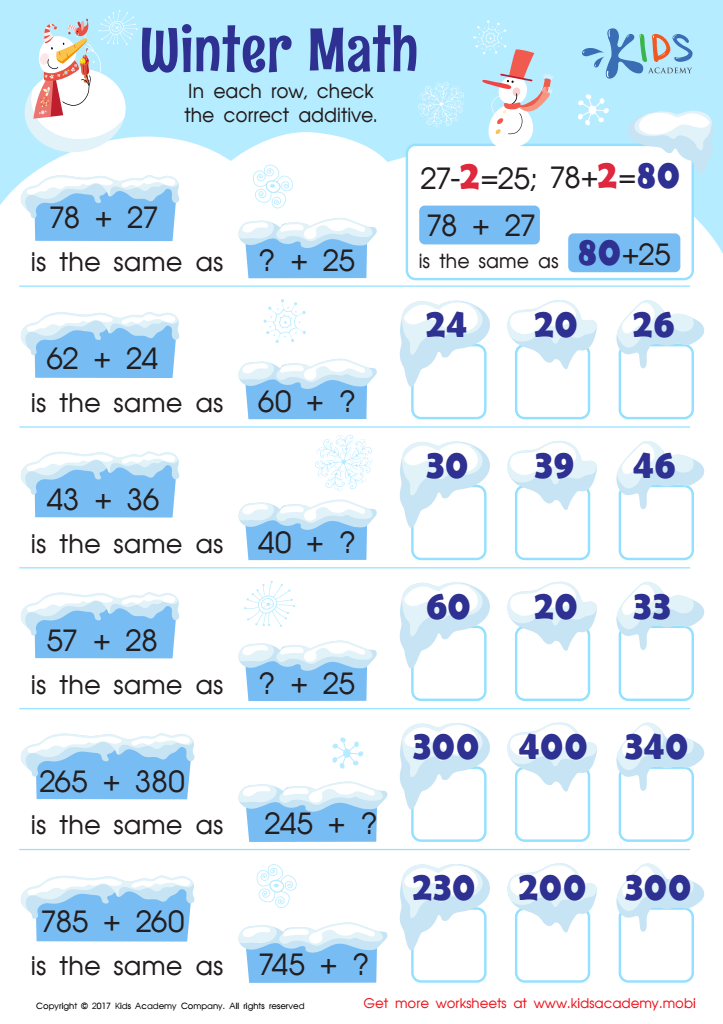
Free Addition Worksheet
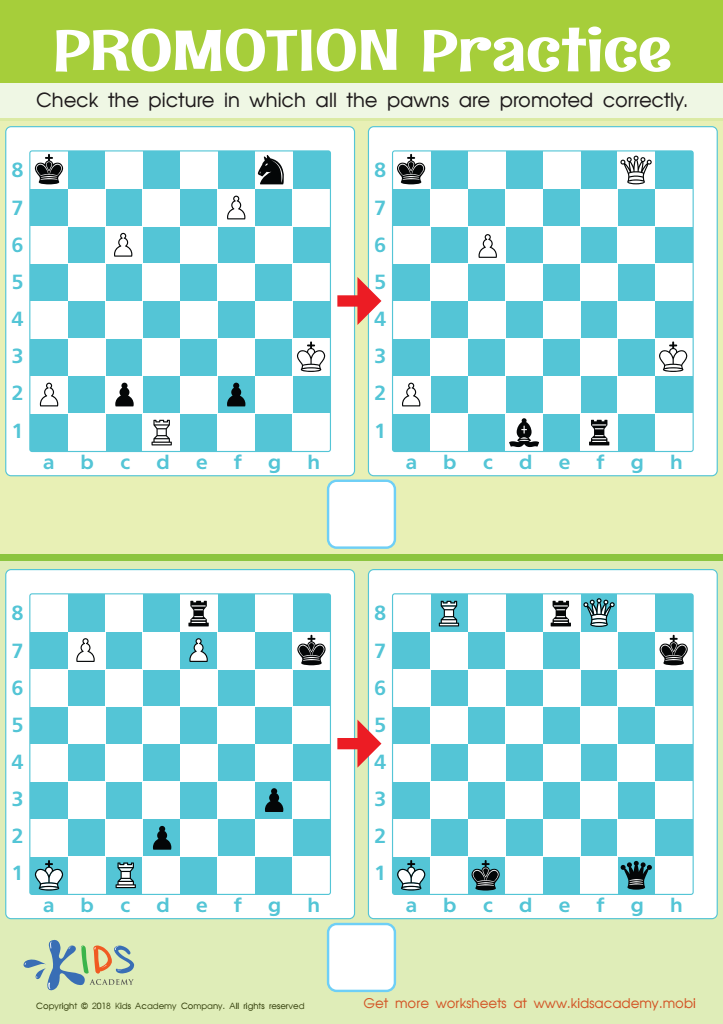
Promotion Practice Worksheet
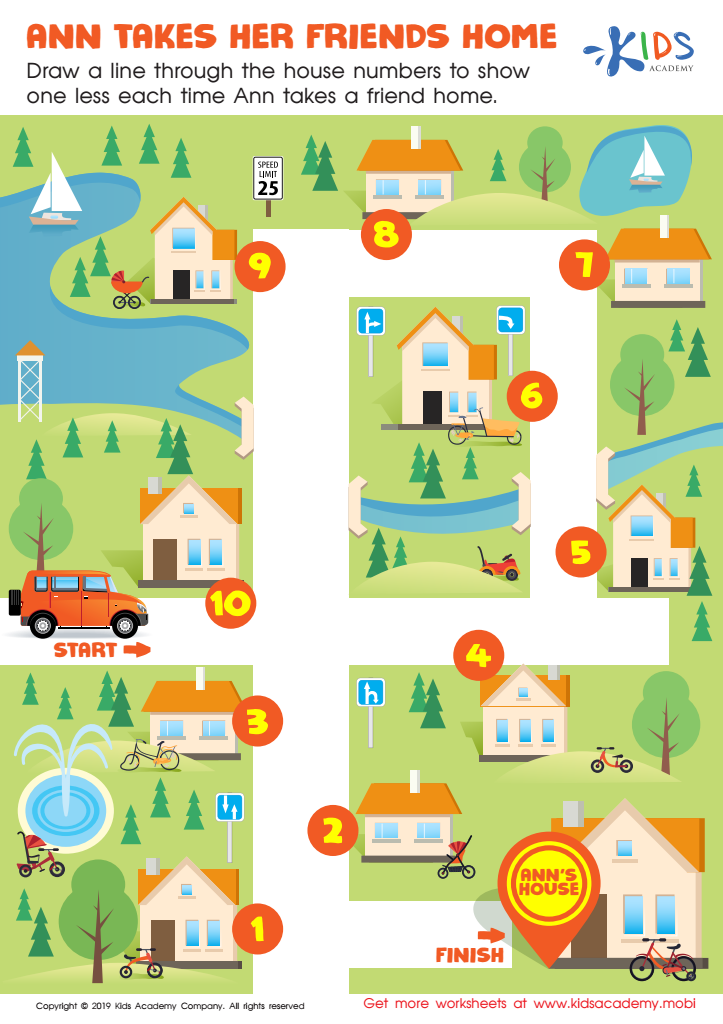
Ann Takes her Friends Home Worksheet
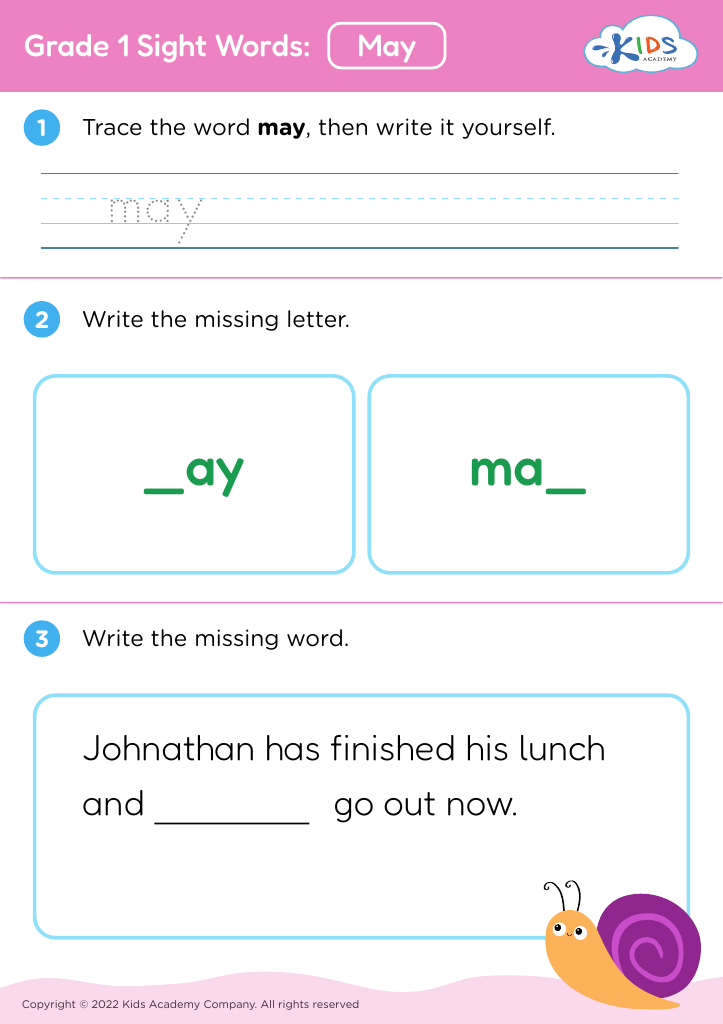
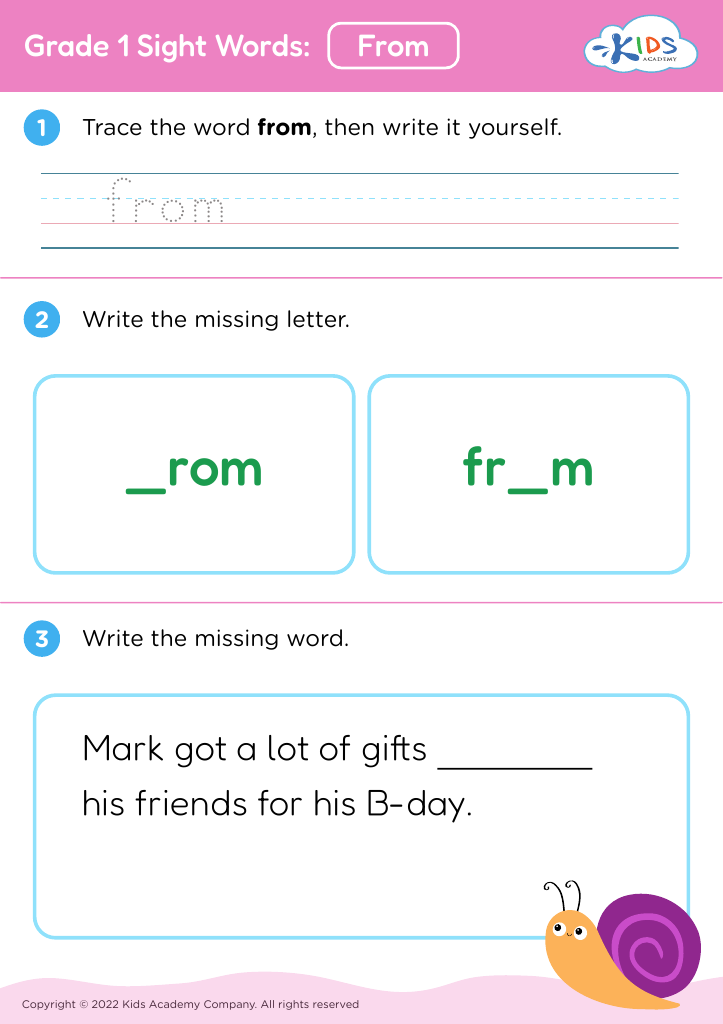





.jpg)


Problem-solving skills are essential for children aged 6-8, forming a critical part of their cognitive development. At this stage, kids are naturally curious and eager to explore their world. Parents and teachers should prioritize problem-solving because it nurtures critical thinking, creativity, and resilience—all vital traits for lifelong learning.
First, engaging in problem-solving activities helps children develop a systematic approach to challenges, enhancing their analytical skills. This foundation prepares them for more complex subjects in later years, such as mathematics and science. Additionally, problem-solving encourages children to work collaboratively and communicate effectively, skills that are essential in both academic and social settings.
Moreover, navigating problems helps children learn from failure. Instead of fearing mistakes, they begin to view them as opportunities for growth. This mindset fosters resilience, empowering them to overcome obstacles in various aspects of life.
Furthermore, when parents and teachers emphasize problem-solving, they model support and guidance, cultivating a healthy emotional environment. Children feel encouraged to express their ideas and take risks, bolstering their self-esteem.
In summary, nurturing problem-solving skills in children ages 6-8 lays the groundwork for confident, capable learners equipped to tackle challenges in school and beyond.








