Recognize numbers Worksheets for Ages 6-8
3 filtered results
-
From - To
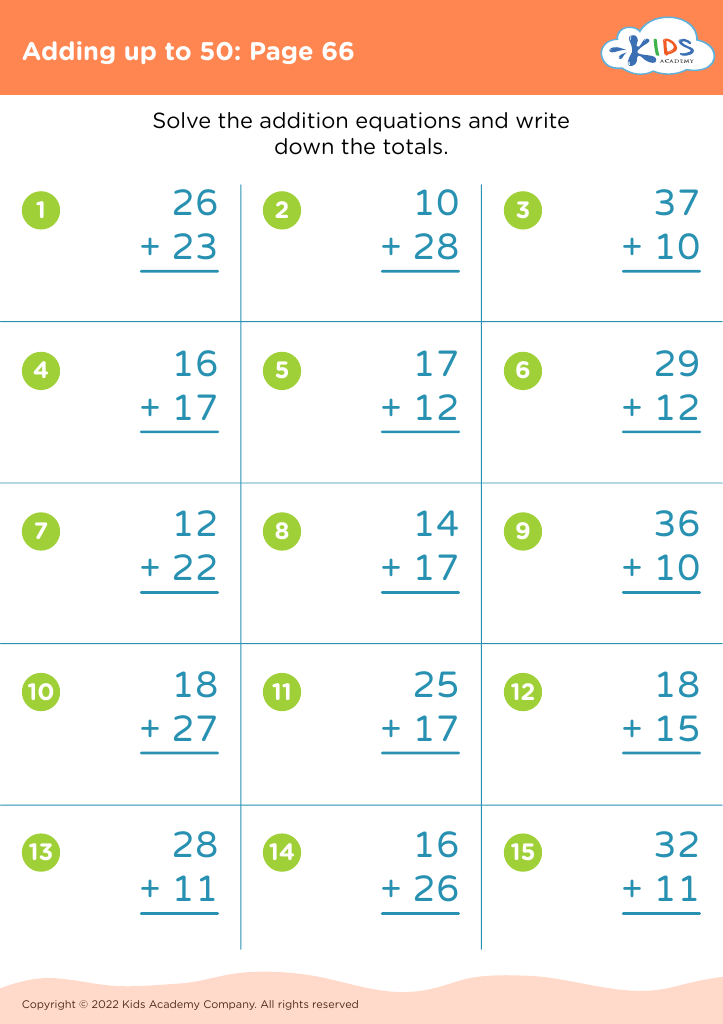
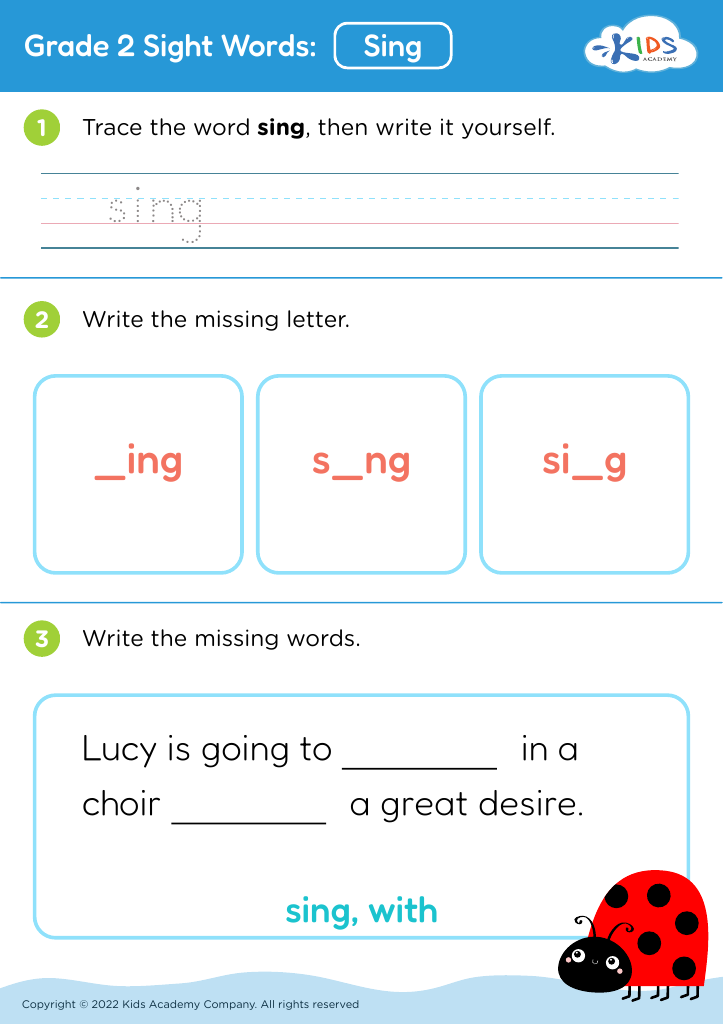
"Recognize numbers Worksheets for Ages 6-8" offer a comprehensive collection of engaging activities designed to help young learners master number recognition. These printable worksheets cover a wide range of exercises, from identifying and writing numbers to matching and ordering them. Perfect for kids in grades 1-3, they provide a fun and interactive way to build foundational math skills at home or in the classroom. Our thoughtfully crafted worksheets engage children through colorful illustrations and hands-on tasks, fostering a love for numbers and boosting their confidence. Equip your child with the tools they need to succeed with our quality educational resources.
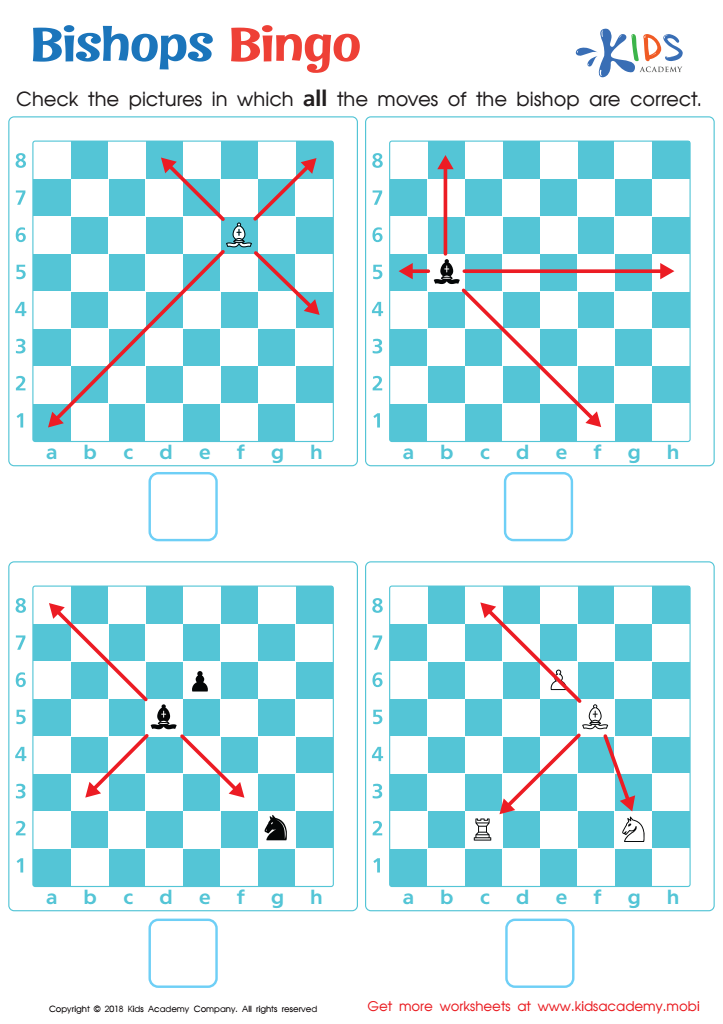
Bishops Bingo Worksheet



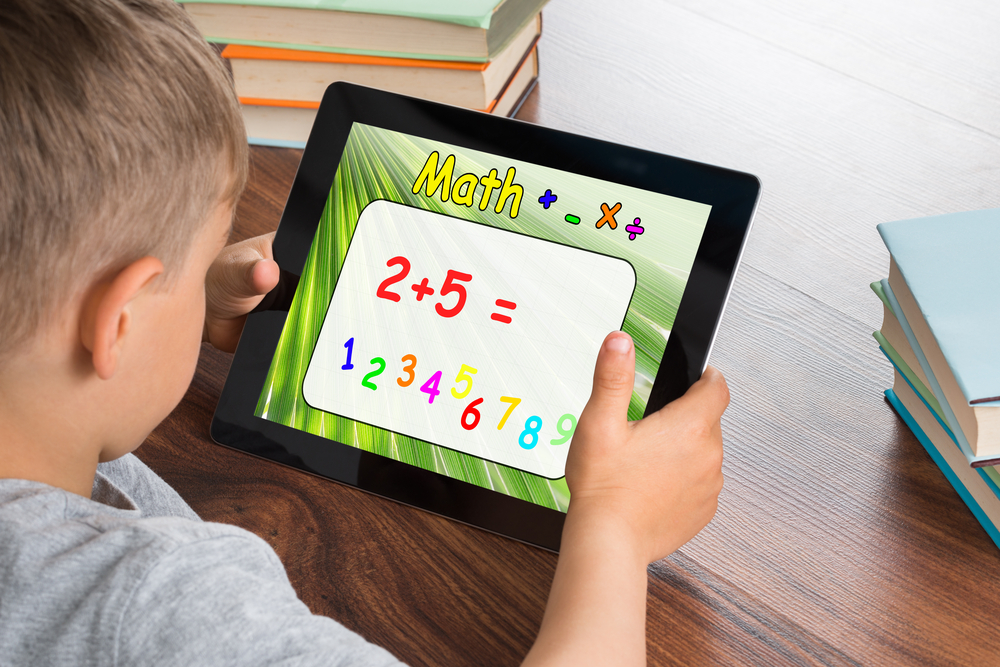




Recognizing numbers for children aged 6-8 is crucial for multiple fundamental reasons. At this age, children are typically in early elementary school and starting to build a foundation for mathematical skills that will be pivotal throughout their education. Recognizing numbers allows them to practice counting, a basic skill that evolves into more complex mathematical operations like addition, subtraction, multiplication, and division.
Understanding numbers also aids in fostering number sense, which is the intuitive understanding of numbers and their relationships. This is critical for problem-solving and logical thinking. Developments in number recognition can enhance cognitive skills such as memory and attention to detail, which are transferable to other academic areas.
Furthermore, many everyday activities involve recognizing and using numbers. From telling time, noting dates, and managing money, to understanding measurements in cooking or in games, number recognition is a life skill often taken for granted. Early confidence in number recognition and its usage can lead to higher self-esteem and academic enthusiasm, helping children feel successful and motivated in school. For both parents and teachers, emphasizing the practice and retention of number recognition at this young age helps seed lifelong numeracy competence and academic resilience.








